
Emojis feel so casual that it is easy to forget they go through a real approval process before reaching your phone. A new emoji does not simply appear because Apple or Google likes the idea. It usually starts as a proposal, gets reviewed by Unicode experts, receives technical approval, and then gets redesigned by different platforms in their own style.
That is why the same emoji may look different on iPhone, Android, WhatsApp, Facebook, or X, but still mean the same basic thing everywhere.
What Is an Emoji?
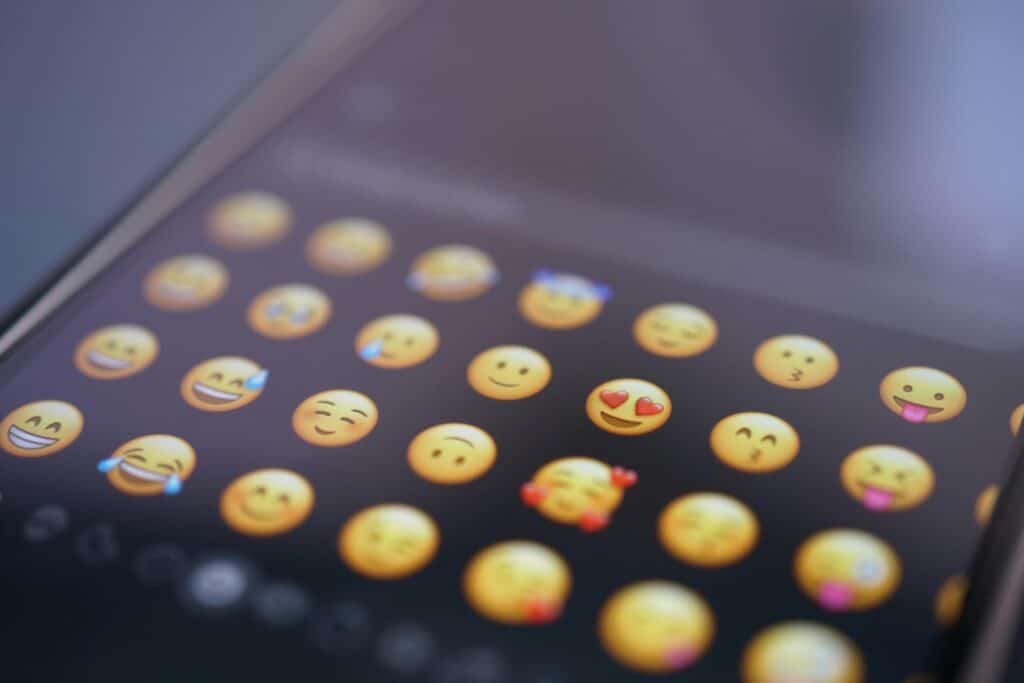
An emoji is a small digital symbol used to express an emotion, idea, object, animal, activity, place, or concept in text.
Emojis are not just pictures. Each one has a standardized code behind it so phones, apps, websites, and computers can understand and display it correctly. This system is managed by the Unicode Consortium, the organization responsible for maintaining digital text standards.
Who Decides Which Emojis Get Made?
The Unicode Consortium decides whether a proposed emoji should become part of the Unicode Standard.
Unicode does not create the final artwork for iPhones or Android devices. Once an emoji is approved, companies like Apple, Google, Microsoft, Samsung, Meta, and others design their own versions.
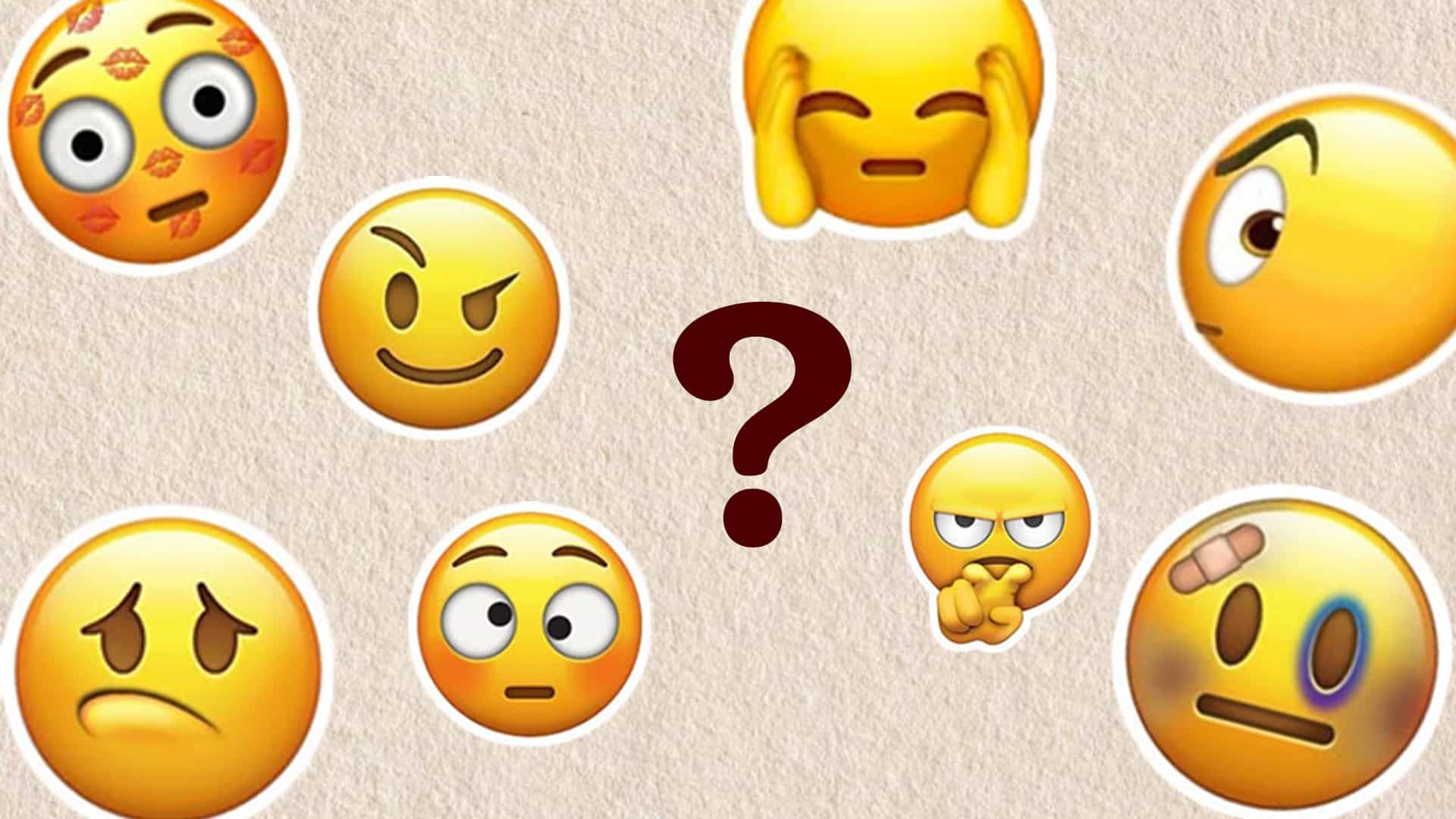
That is why a smiling face, taco, heart, or crying-laughing emoji can look different across platforms while still representing the same thing.
Can Anyone Suggest a New Emoji?
Yes. Anyone can suggest a new emoji.
You do not need to work for Apple, be a designer, or be famous. A regular person, group, nonprofit, company, researcher, or cultural organization can submit an emoji proposal.
However, approval is not easy. Unicode expects strong evidence that the emoji would be useful, widely understood, and likely to be used by many people.
Step 1: Someone Comes Up With an Emoji Idea
Every emoji starts with a gap.
Maybe there is no emoji for a common food, animal, tool, cultural object, emotion, or activity. A strong emoji idea usually represents something many people would actually use.
A good emoji idea should be easy to recognize, useful in different conversations, visually clear, not too specific, and different from existing emojis.
For example, a chair emoji makes sense because a chair is a common object. An emoji for one exact model of office chair would probably be too narrow.
Step 2: The Idea Becomes a Proposal
The next step is writing a formal emoji proposal.
This is more serious than simply sending in a drawing. A proposal usually includes the emoji name, a sample image, possible meanings, evidence of search popularity, examples of use, similar emojis, and reasons the emoji deserves to exist.
Unicode wants to know whether people will actually use the emoji, or whether it is just a passing trend.
Step 3: Unicode Reviews the Idea
Unicode looks for emojis with broad appeal and long-term usefulness.
A proposed emoji should not be too trendy, too private, too branded, or too hard to understand. A general coffee cup emoji works because coffee is widely recognized. An emoji based on one viral meme may not last long enough to justify approval.
The best emojis are flexible. The fire emoji, for example, can mean real fire, excitement, success, attraction, heat, chaos, or style.
Step 4: The Emoji Subcommittee Reviews It
Unicode’s Emoji Subcommittee studies the proposal and checks whether it meets the selection rules.
They review the evidence, compare it with existing emojis, consider technical issues, and decide whether the idea should move forward.
This takes time because once an emoji is added, it becomes part of digital text history and is very hard to remove.
Step 5: The Unicode Technical Committee Makes the Final Call
If the proposal passes earlier review, it may go to the Unicode Technical Committee.
This committee handles the broader Unicode Standard. Since emojis are encoded characters, they need to work across operating systems, fonts, apps, websites, and databases.
Approved emojis are usually added to a future Unicode release in batches.
Step 6: The Emoji Gets a Code
Every emoji needs a code so devices know what to display.
Some emojis have their own code point. Others are created through emoji sequences, which combine multiple Unicode elements.
For example, many skin tone options, gendered emojis, family emojis, and profession emojis are built using sequences rather than completely separate characters.
Step 7: Platforms Design Their Versions
After Unicode approves an emoji, major platforms create their own artwork.
Apple, Google, Samsung, Microsoft, WhatsApp, Facebook, and others may each draw the emoji differently. The style can change, but the basic meaning must stay the same.
A taco should still look like a taco. A smiling face should still read as a smiling face.
Step 8: The Emoji Reaches Your Phone
Finally, the emoji rolls out through software updates.
This is why one person may see a new emoji while another person sees a blank square or missing symbol. Their device or app may not support the newest emoji set yet.
Unicode approval is only the first part. Phone makers, apps, and operating systems still need to add support for the emoji.
Why Do Emojis Look Different on Different Phones?
Emojis look different because Unicode standardizes the meaning and code, not the exact artwork.
It is similar to the letter “A.” The letter stays the same, but it can look different in different fonts. Emojis work the same way.
The red heart emoji is the same character across platforms, but each company can draw it in its own style.
What Makes a Good Emoji Proposal?
Good proposals usually show that the emoji:
- Represents a common idea
- Has strong search interest
- Is visually clear
- Is not already covered well
- Can be used literally and symbolically
- Has cultural or global relevance
- Will stay useful over time
- Works at small sizes
- Does not depend on a brand, logo, celebrity, or short-lived joke
Emojis may feel instant, but creating them is a careful process. Each new emoji must be useful, recognizable, technically possible, and likely to last beyond a trend.
So the next time you send a heart, skull, taco, melting face, or crying-laughing emoji, remember: that tiny symbol probably went through proposals, reviews, codes, designs, and updates before it reached your keyboard.