

LGBTQ-owned businesses are not just selling clothes, candles, jewelry, books, or beauty products. Many of them began because someone could not find a product, a space, or a message that truly saw them. These brands often grow from personal frustration into community-centered movements, changing how people shop, dress, express themselves, and feel represented. Behind each one is a founder who turned identity, creativity, and courage into something lasting.
Here are 15 LGBTQ-owned brands with meaningful beginnings and legacies worth knowing.
TomboyX
TomboyX began in 2013 when Fran Dunaway and her wife, Naomi Gonzalez, started the brand from a garage with a simple but powerful idea: underwear should fit the person wearing it, not the gender box printed on the packaging. What started as a search for comfortable, affirming basics became a bold answer to an industry that often ignored queer, trans, nonbinary, and gender-nonconforming customers. The brand built its name around underwear, loungewear, swimwear, and everyday essentials designed for real bodies. Its legacy is rooted in comfort, visibility, and the belief that clothing can make people feel more like themselves instead of asking them to shrink into someone else’s idea of normal.
Wildfang
Wildfang was created for people who had spent too much time borrowing from the men’s section because women’s fashion did not match their style, shape, or attitude. CEO Emma McIlroy built the brand with co-founders Julia Parsley and Taralyn Thuot, leaving behind corporate careers to create clothing that felt sharper, bolder, and less restricted by gender rules. Wildfang became known for suiting, workwear, coveralls, button-ups, and statement pieces with a rebellious edge. Its legacy is not just about fashion. It is about refusing the idea that confidence has a gender. Wildfang helped make androgynous and gender-inclusive dressing feel powerful, wearable, and unapologetically cool.
Boy Smells
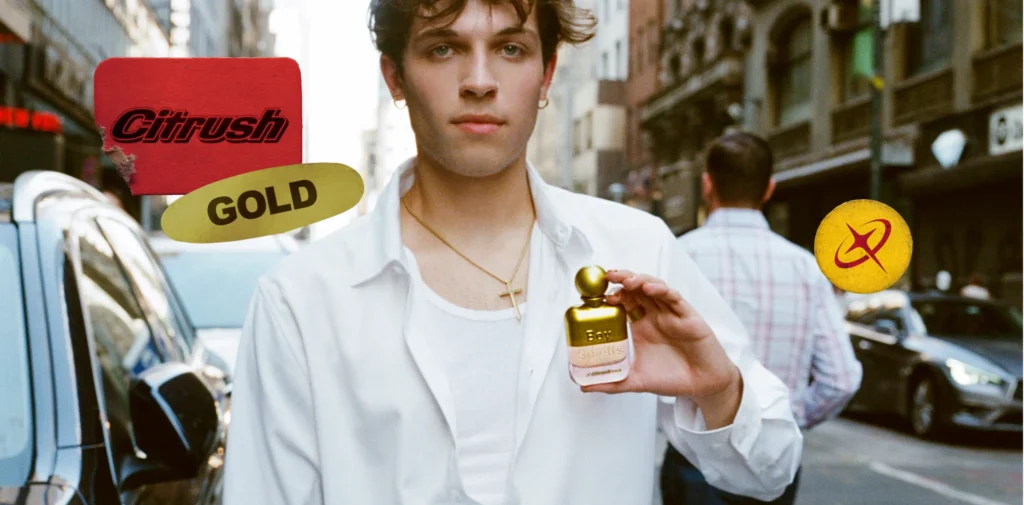
Boy Smells started in 2016 as a candle-making experiment in the Los Angeles kitchen of real-life partners Matthew Herman and David Kien. Both came from fashion backgrounds, and they brought that sense of design, mood, and storytelling into fragrance. The brand became known for candles, perfumes, and personal care that challenge the old idea that some scents are “for men” and others are “for women.” Boy Smells calls its approach “genderful,” meaning fragrance can hold softness, strength, romance, warmth, and complexity all at once. Its legacy is in reshaping beauty language so scent becomes less about categories and more about personal expression.
Kirrin Finch
Kirrin Finch was founded by Brooklyn-based couple Laura Moffat and Kelly Sanders Moffat after they struggled to find menswear-inspired clothing that fit their bodies and reflected their personal style. Rather than accepting that gap, they built a brand focused on gender-defying fashion with thoughtful tailoring, button-down shirts, suiting, vests, and formalwear for women, nonbinary people, and anyone who wants masculine-inspired clothing without awkward compromises. The brand’s legacy is deeply practical and emotional at the same time. Kirrin Finch gives people clothing for weddings, work, interviews, and milestone moments where feeling comfortable in your own skin matters just as much as looking polished.
Automic Gold
Automic Gold was founded by Al Sandimirova, a queer Indigenous jeweler who wanted fine jewelry to feel more honest, inclusive, and accessible. The brand grew around recycled solid gold, transparent practices, and a strong rejection of the narrow beauty standards often seen in traditional jewelry marketing. Automic Gold is known for inclusive sizing, gender-affirming pieces, custom work, engagement rings, and everyday jewelry that does not assume who gets to wear gold or what luxury should look like. Its legacy is in taking something often tied to exclusivity and making it warmer, broader, and more human. Automic Gold proves fine jewelry can be ethical, personal, and proudly queer.
Otherwild
Otherwild, owned by Rachel Berks, became a queer-identified, woman-owned store, design studio, and creative space with roots in Los Angeles and New York. It was more than a shop. It gathered art, apparel, home goods, feminist design, queer messaging, and community-centered products under one roof. The brand gained wider attention through pieces like “The Future Is Female” shirt, while also supporting makers, artists, and activist causes. Otherwild’s legacy sits at the intersection of retail and resistance. It showed that a store can be a cultural space, a political statement, and a creative home for people who want their purchases to reflect their values.
The Phluid Project
The Phluid Project was founded in 2018 by Rob Smith, a former retail executive who wanted to build a gender-free fashion space rooted in community, activism, and education. The brand began as a New York retail concept and grew into a broader platform for gender-inclusive clothing, workplace education, and LGBTQ+ advocacy. Its mission has always stretched beyond selling products. The Phluid Project asks people to question why clothing stores, beauty aisles, and even corporate systems are so often divided by gender. Its legacy is in pushing mainstream retail toward a more open future, where identity is respected instead of sorted into narrow categories.
Rebirth Garments
Rebirth Garments was founded by Sky Cubacub, a nonbinary, queer, disabled Filipinx designer based in Chicago. The brand began in 2014 with a vision of clothing that centered people often left out of fashion entirely: queer, trans, disabled, and gender-nonconforming bodies. Rebirth Garments is known for bright, handmade, custom pieces that often combine dancewear, swimwear, lingerie, and accessibility-focused design. Its legacy is called “radical visibility” for a reason. Instead of asking marginalized bodies to hide, Rebirth Garments celebrates them with color, movement, stretch, comfort, and joy. The brand reminds us that inclusive fashion should not be plain, apologetic, or hard to find.
gc2b
gc2b was founded by Marli Washington, a trans man of color and designer who saw a serious gap in chest binding options. Before gc2b, many binders were uncomfortable compression garments that had not been created specifically for trans and nonbinary people. Marli used his design knowledge to create gender-affirming binders that centered safety, comfort, and real community needs. The brand also helped expand nude binder options across multiple skin tones. gc2b’s legacy is deeply tied to dignity. It changed the conversation around binders from hidden necessity to thoughtfully designed gender-affirming apparel, helping many people feel more aligned, confident, and supported in daily life.
FLAVNT Streetwear
FLAVNT Streetwear was co-founded by siblings Chris and Courtney Rhodes after a Pride shirt made for personal use sparked unexpected interest. What began as something to wear to Austin Pride grew into an LGBTQIA+ clothing brand focused on self-expression, visibility, and community pride. FLAVNT is known for graphic apparel, affirming messages, and designs that feel casual, wearable, and rooted in queer culture rather than corporate Pride aesthetics. The brand’s legacy is in making identity feel everyday, not seasonal. FLAVNT shows how a small design idea can become a larger movement when people see themselves reflected in a shirt, slogan, or piece of clothing.
Chromat
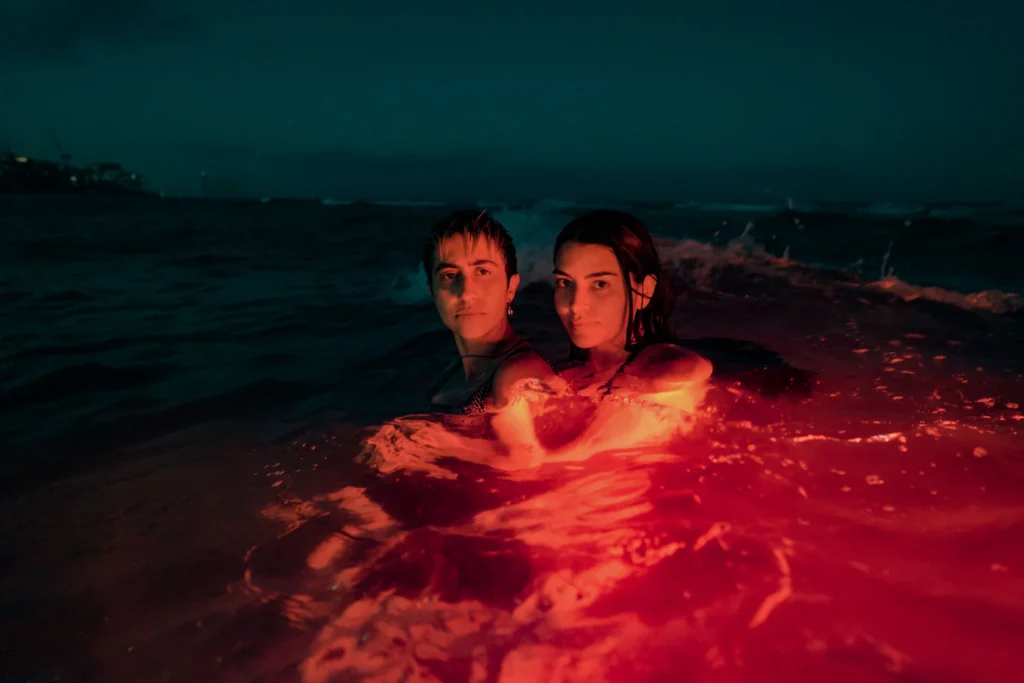
Chromat was founded in 2010 by Bex McCharen, whose background in architecture helped shape the brand’s futuristic approach to bodywear and swimwear. Chromat became known for bold silhouettes, technical fabrics, inclusive casting, and designs that celebrate women, femmes, nonbinary people, and bodies of many sizes and shapes. The brand stood out because its inclusivity was not a side campaign. It was built into the runway, the fit, the visuals, and the message. Chromat’s legacy is in challenging fashion’s old rules about who deserves to be seen as strong, sexy, athletic, and stylish. It helped push body diversity from the margins into the spotlight.
Telfar
Telfar was founded in 2005 by Telfar Clemens, a queer Liberian-American designer from Queens, New York. Long before genderless fashion became a mainstream buzzword, Telfar built a unisex label around the motto “Not for you, for everyone.” The brand’s famous Shopping Bag became a cultural phenomenon, but its real power comes from the way it reimagines luxury. Telfar made high-fashion desire feel more democratic, community-driven, and accessible without losing coolness or status. Its legacy reaches far beyond one bag. Telfar changed how people think about ownership, exclusivity, identity, and who gets to be centered in American fashion.
No Sesso
No Sesso was founded in 2015 by Pierre Davis and became known for genderless, hand-embroidered, artful clothing that rejects the rigid traditions of the fashion industry. The name means “no sex” or “no gender” in Italian, which reflects the brand’s commitment to clothing beyond binary labels. No Sesso made history when Davis became the first transgender designer to show at New York Fashion Week. The brand’s legacy is one of creative freedom and disruption. It does not simply make inclusive fashion look acceptable. It makes it experimental, beautiful, complex, and exciting, proving that queer and trans design belongs at the highest levels of fashion.
Official Rebrand
Official Rebrand was founded by nonbinary artist and designer MI Leggett, who began transforming discarded garments into gender-free, upcycled fashion. The brand grew from a desire to challenge both gender norms and fashion waste. Instead of creating endless new clothing, Leggett reimagines existing pieces through painting, cutting, drawing, and alteration, turning old garments into wearable statements. Official Rebrand’s legacy is thoughtful and rebellious. It asks people to think about what clothing carries: identity, labor, waste, beauty, and memory. The brand shows that sustainability and queer expression are not separate conversations. They can live together in clothing that feels personal, political, and alive.
Urbody
Urbody was founded by Mere Abrams and Anna Graham with a mission to redefine gender and body norms through functional, gender-affirming garments. The brand focuses on underwear, activewear, compression tops, packing underwear, bralettes, and essentials designed with trans, nonbinary, and gender-nonconforming people in mind. Urbody’s strength is in recognizing that intimate clothing is not a small detail. It can shape how safe, comfortable, and affirmed someone feels throughout the day. Its legacy is in treating gender-inclusive basics with the seriousness and care they deserve. Urbody helps move fashion away from assumptions and toward garments made for real bodies and real lives.