
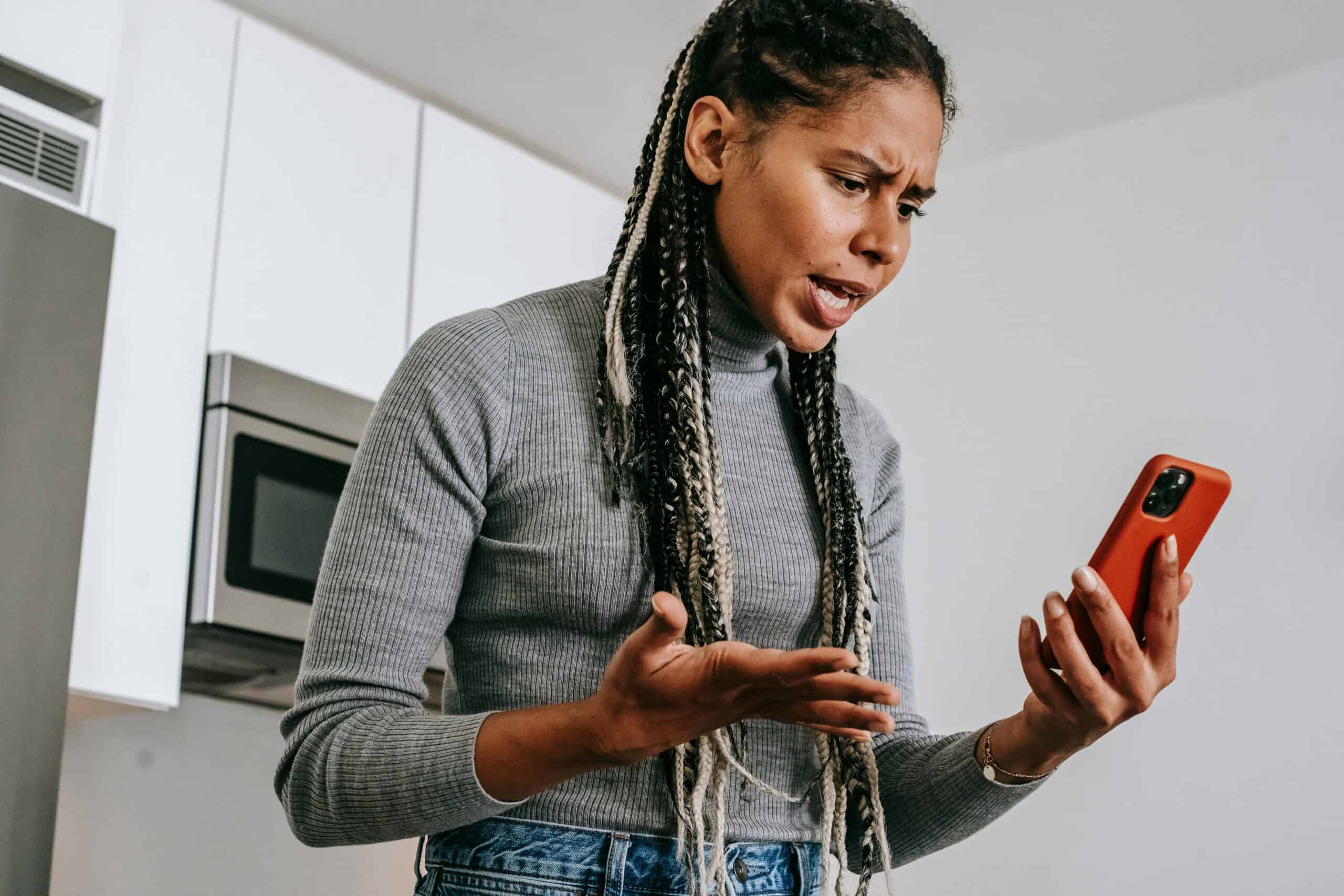
You get a random Venmo request. Or someone says they “accidentally” paid you and wants the money back. It feels small, fast, and harmless, which is exactly why Venmo scams work so well.
Venmo is useful for splitting dinner, paying a friend back, or sending rent money to someone you trust. The risky part starts when strangers, fake buyers, fake sellers, or impersonators try to rush you into sending money before you can think.
What Are Venmo Scams?
Venmo scams are tricks where someone uses Venmo to steal money, account access, or personal information.
Most scams do not look dramatic at first. They usually start with a message, a fake payment, a marketplace sale, a prize claim, or a request that sounds urgent.
The main rule is simple: use Venmo for people you know and trust. Be much more careful with strangers, online sales, surprise payments, and anyone asking you to move fast.
Common Venmo Scams to Watch For
Accidental Payment Scam
Someone sends you money and says it was a mistake. Then they ask you to send it back.
The problem is that the first payment may be connected to a stolen card or fake account. If the original payment gets reversed later, you could lose the money you sent back.
What to do instead:
- Do not send a new payment back
- Do not refund outside the original transaction
- Contact Venmo support through the app
- Wait until the payment is fully reviewed
Fake Buyer Scam
You sell something online, and the buyer says they paid through Venmo. They may send a fake screenshot, fake email, or fake receipt.
Sometimes they pressure you to ship the item before the money appears in your account.
Check this before handing anything over:
- Open the Venmo app yourself
- Confirm the payment is actually in your account
- Do not trust screenshots
- Do not accept excuses about delays, holds, or verification fees
Overpayment Scam
A buyer “accidentally” sends too much money and asks you to refund the extra amount.
This is a classic scam because the refund is real, but the original payment may not stay valid.
A safe response is: “I can only handle refunds through the original payment after Venmo confirms it.”
Fake Seller Scam
A stranger offers tickets, shoes, electronics, collectibles, rentals, pets, or concert passes and asks for Venmo payment first.
After you pay, they disappear.
Be extra careful with:
- Cheap prices that feel too good
- Sellers who refuse safer payment methods
- Profiles with little history
- Pressure to pay before seeing proof
- “I have another buyer waiting” messages
Fake Venmo Support Scam
Someone pretends to be Venmo support and asks for your login code, password, email, phone number, or payment.
Real support will not need your password or two-factor authentication code.
If someone contacts you first and asks for sensitive details, stop responding. Open the Venmo app or official support page yourself instead.
Prize or Giveaway Scam
You receive a message saying you won money, a reward, or a Venmo giveaway. Then you are asked to sign in through a link or pay a small fee to claim it.
That is a red flag.
Real prizes do not require you to send money first.
Business Account Upgrade Scam
A scammer says your account needs to be upgraded before you can receive payment. They may claim the buyer sent extra money to “expand” your account, then ask you to refund them.
Venmo does not work this way.
Do not pay a fee to receive money from a random buyer.
Friend or Family Impersonation Scam
Someone creates a fake profile using a familiar name or photo and asks for money.
The message may sound urgent:
- “My phone died.”
- “I lost my wallet.”
- “I need this right now.”
- “Please do not call, I am busy.”
Pause and verify through another method. Call, text their usual number, or ask something only the real person would know.
Venmo Scam Red Flags
A Venmo request deserves a second look if you notice any of these:
- The person wants money immediately
- The story is emotional or urgent
- They ask you not to contact them another way
- They send screenshots instead of letting you verify in the app
- They ask for a refund on a separate payment
- They mention fees, holds, upgrades, or verification payments
- They send a suspicious link
- They ask for your login code
- Their profile looks new or unfinished
- The deal is far cheaper than normal
One red flag is enough to slow down. Two or more usually means walk away.
How to Avoid Venmo Scams
Use Venmo for trusted payments, not risky transactions with strangers.
A few habits make a big difference:
- Confirm every payment inside the Venmo app
- Keep your account private if you do not want public payment activity
- Turn on two-factor authentication
- Use a strong password you do not use anywhere else
- Never share login codes
- Do not click sign-in links from random texts or emails
- Do not send money to strangers for prizes, deposits, or fees
- Avoid using Venmo for high-value marketplace sales
- Check usernames carefully before paying
- Move slowly when someone tries to rush you
My honest rule: if a stranger needs a complicated Venmo explanation, I would not send the money.
What to Do If You Sent Money to a Scammer
Act quickly, but do not panic.
- Open Venmo and report the payment
- Contact your bank or card issuer if a linked card or account was involved
- Change your Venmo password
- Turn on two-factor authentication
- Save screenshots, usernames, emails, and messages
- Report phishing messages if someone impersonated Venmo
- File a fraud report with the proper consumer protection agency in your country
You may not always get the money back, especially if you willingly sent it, but reporting still matters. It helps document the scam and may protect your account from more damage.
Can You Get Money Back From a Venmo Scam?
Sometimes, but not always.
Venmo payments are fast, and once money is sent, it can be hard to reverse. Unauthorized account activity is different from a payment you were tricked into sending, so the outcome depends on the details.
That is why prevention matters so much. The safest move is to stop before sending money, verify inside the app, and avoid paying strangers unless you fully understand the risk.
A Simple Venmo Safety Check
Before sending money, ask yourself:
- Do I personally know this person?
- Did I confirm the username?
- Am I seeing the payment inside the Venmo app?
- Is anyone rushing me?
- Is this connected to a prize, refund, job, rental, or marketplace deal?
- Would I still send this money if I could not get it back?
If the last answer makes you pause, do not send it yet.
Venmo is best for quick payments between people you trust. Once strangers, pressure, fake receipts, or surprise refunds enter the conversation, slow down and verify everything inside the app before touching your balance.