


The COVID-19 pandemic did not just interrupt daily life. It changed the way people work, shop, learn, socialize, and think about health, safety, and time.
Some habits faded as restrictions ended, but many stayed. Remote work, online shopping, telehealth, digital payments, home fitness, video meetings, flexible schedules, and a stronger focus on well-being are now part of everyday life for millions of people.
These pandemic era trends are not temporary leftovers. They are part of a larger shift toward a more digital, flexible, and connected world.
Remote and Hybrid Work Became Normal
Before the pandemic, working from home was often seen as a perk for a small group of employees. During lockdowns, it became a necessity. Now, it has become a long-term feature of modern work.
Many companies discovered that employees could stay productive without being in the office every day. Workers also realized they valued flexibility, shorter commutes, and more control over their schedules.
Hybrid work has become the middle ground. Employees spend part of the week at home and part of the week in the office. This setup gives businesses a way to keep collaboration alive while still offering flexibility.
Digital Shopping Became a Daily Habit
Online shopping was already growing before the pandemic, but COVID-19 pushed it into the mainstream faster than expected.
People who once preferred in-store shopping began ordering groceries, clothes, medicine, home goods, and restaurant meals online. Many of those habits stayed because they were convenient.
Fast delivery, curbside pickup, mobile payments, and easy returns changed customer expectations. Shoppers now want speed, simplicity, and flexibility.
Telehealth Changed Access to Care
The pandemic made virtual healthcare far more common. Video appointments, phone consultations, online prescriptions, and health apps became part of regular medical care.
Telehealth helped people speak with doctors without sitting in crowded waiting rooms. It also made healthcare easier for people with mobility issues, busy schedules, or limited access to nearby clinics.
Of course, telehealth cannot replace every kind of care. Physical exams, tests, emergency treatment, and many specialist visits still need in-person attention. But for follow-ups, basic consultations, mental health support, and routine care, virtual appointments have become a practical option.
Digital Payments Became More Popular
Cash use declined during the pandemic as people became more cautious about contact and hygiene. Mobile wallets, tap-to-pay cards, online banking, and payment apps became more common.
Even people who were slow to adopt digital payments began using them for groceries, food delivery, bills, and everyday purchases.
This shift made payments faster and easier, but it also raised new concerns. People now need to pay closer attention to scams, password security, privacy, and financial data protection.
Home Became the Center of Daily Life
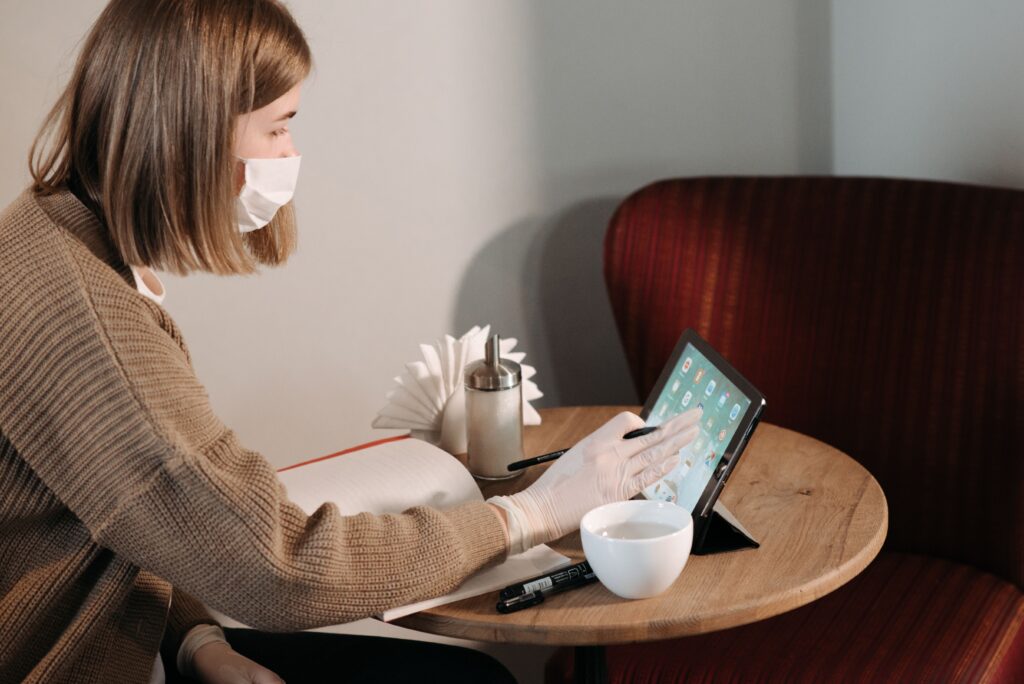
During lockdowns, the home had to become everything at once. It was an office, school, gym, restaurant, movie theater, classroom, and social space.
That changed how people thought about their living spaces. Many began investing more in home offices, kitchen tools, outdoor areas, fitness equipment, and comfortable furniture.
Even after restrictions ended, the home remained more important than before.
Mental Health Became a Bigger Priority
The pandemic brought stress, loneliness, uncertainty, grief, burnout, and anxiety into everyday conversation. For many people, it was the first time they openly discussed mental health at work, school, or home.
This created a lasting change. Mental health is now taken more seriously by employers, families, schools, and healthcare providers.
More people are seeking therapy, using wellness apps, setting boundaries, taking breaks, and talking about burnout.
Online Learning Became More Accepted
Schools, colleges, tutors, and training programs moved online during the pandemic. The transition was not easy, especially for families without reliable internet, quiet spaces, or enough devices.
Still, online learning became more familiar. Students learned through video calls, digital assignments, learning apps, and online resources.
Adults also turned to online courses to build skills, change careers, or stay competitive in a shifting job market.
Automation and AI Moved Faster
The pandemic created labor shortages, supply chain problems, and new pressure on businesses. Many companies responded by speeding up automation and artificial intelligence.
Self-checkout, chatbots, warehouse robots, automated customer service, scheduling tools, and AI-powered software became more common.
These tools helped businesses stay open and operate more efficiently. But they also raised concerns about job displacement and worker surveillance.
Travel and Business Meetings Changed
The pandemic brought travel to a halt. When travel returned, it did not look exactly the same.
Leisure travel recovered strongly in many places, but business travel changed. Companies realized that not every meeting needed a flight, hotel, and conference room. Video calls became a cheaper and faster alternative.
Conferences, interviews, sales meetings, and team check-ins often moved online or became hybrid.
Communities Became More Digital
During the pandemic, birthdays, weddings, religious services, fitness classes, support groups, and family gatherings moved online.
For many people, virtual connection was better than no connection at all. It helped families stay close across distances and allowed communities to continue during isolation.
Even now, digital community spaces remain important.
Privacy and Cybersecurity Became Bigger Concerns
As more life moved online, privacy and security became harder to ignore.
Remote work, online shopping, digital banking, telehealth, and virtual learning all created more opportunities for cybercrime. Phishing emails, identity theft, data leaks, scams, and fake information became bigger risks.
People and businesses now need stronger digital habits.
Inequality Became More Visible
The pandemic did not affect everyone equally. Some people could work from home, while others had to work in public-facing jobs. Some students had strong internet and quiet rooms, while others struggled to attend online classes. Some businesses grew online, while others closed.
These gaps made existing inequalities more visible.
Remote work, digital healthcare, online learning, and e-commerce all offer benefits, but only when people have access to the tools needed to use them.
What Comes Next

The pandemic accelerated changes that were already beginning. Remote work, online shopping, telehealth, automation, digital payments, and virtual learning were not invented during COVID-19. They simply moved into everyday life much faster.
The result is a world that is more flexible, more digital, and more connected than before.
But it is also a world with new challenges. People are dealing with burnout, privacy risks, misinformation, job disruption, and unequal access to technology.
The goal now is not to go back completely to the way things were. It is to keep what works, improve what does not, and build systems that are more human, fair, and resilient.
Pandemic era trends changed how we live. The next step is learning how to use those changes wisely.