

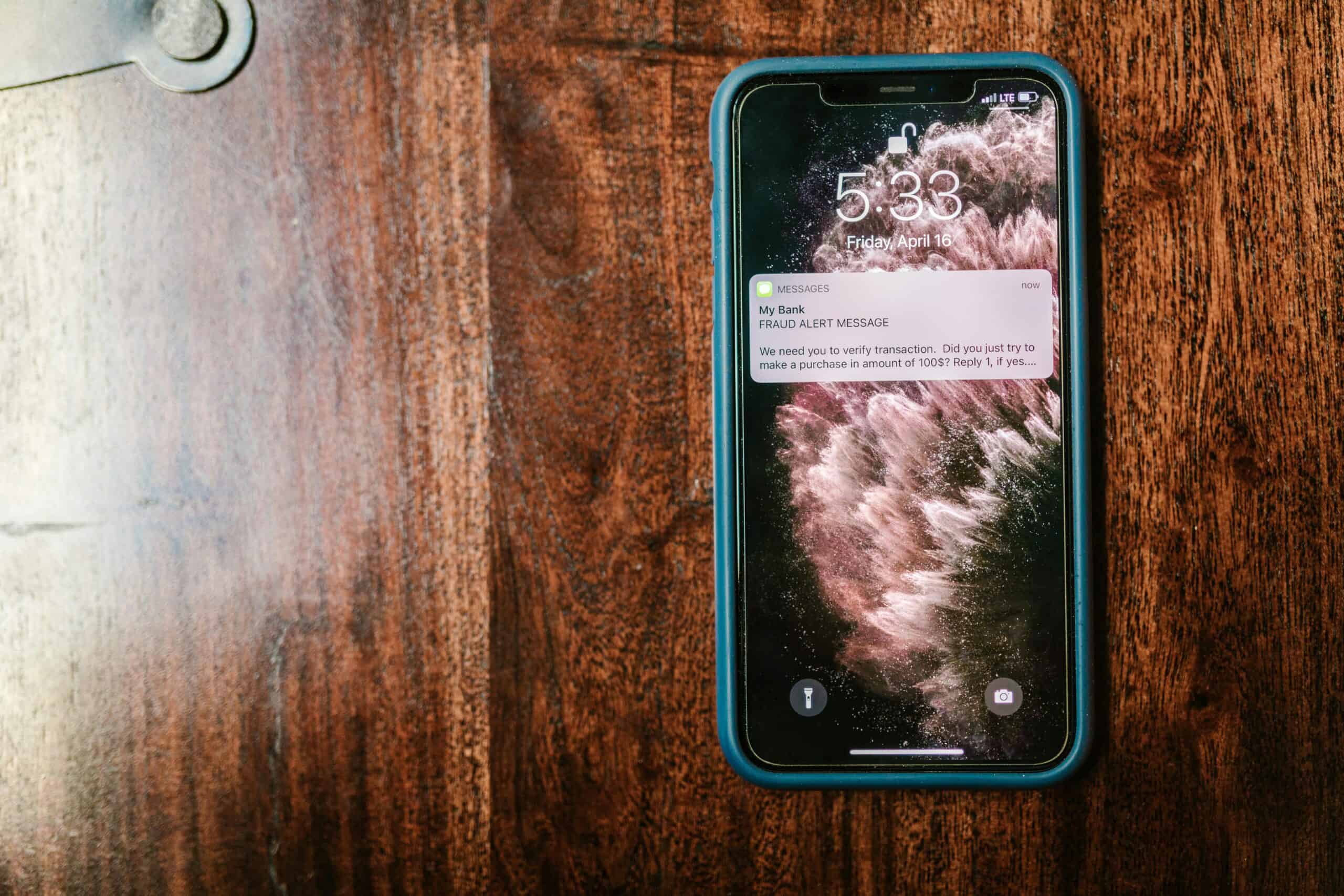
Your phone buzzes. The text says your package is stuck, your bank account is locked, your toll bill is overdue, or someone accidentally messaged the wrong number. It looks harmless, but urgent enough to make you pause.
That is exactly how scam text messages work. They do not need to look perfect. They only need to catch you when you are busy, distracted, worried, or waiting for something. Here is how to spot scam texts, what they usually look like, and what to do before you tap the wrong link.
What Are Scam Text Messages?
Scam text messages are fake texts designed to trick you into sharing money, passwords, personal details, bank information, verification codes, or access to your phone.
They are also called smishing, which means SMS phishing. Scammers usually want you to:
- Tap a fake link
- Reply so they know your number is active
- Call a fake support number
- Share a password, PIN, or code
- Enter card or banking details
- Download a suspicious app
- Send money quickly
A good rule: treat unexpected urgent texts like a locked door. Do not open it until you know who is on the other side.
Common Signs of Scam Text Messages
Most scam texts have at least one red flag. Watch for:
- Strange or shortened links
- Urgent phrases like “act now” or “final notice”
- Threats about locked accounts, fines, fees, or arrest
- Requests for passwords, PINs, or verification codes
- Unknown numbers pretending to be official companies
- Spelling mistakes or awkward wording
- Messages that do not use your name
- Requests to move the chat to another app
- Small payment requests to release a package or prize
- Messages that feel too friendly, emotional, or pushy
If a text makes you feel rushed, pause. Scammers rely on speed because careful people are harder to fool.
Package Delivery Scam Texts
Package scams work because many people are waiting for deliveries. These texts usually claim there is an address problem, missed delivery, unpaid fee, customs charge, or damaged label.
Common examples include:
- “Your package could not be delivered due to incomplete address details.”
- “Delivery failed. Please confirm your shipping address within 24 hours.”
- “Your parcel is being held. Pay a small redelivery fee.”
- “Final notice: your package will be returned unless you verify your details.”
- “Your package label is damaged. Update your information now.”
The safe move: open the retailer or carrier’s official app or website yourself. Do not use the link in the text.
Bank Scam Text Messages
Bank scam texts are made to scare you. They may claim your account is locked, your card is blocked, or a suspicious transfer was made.
Common examples include:
- “Your bank account has been temporarily locked.”
- “Suspicious debit card transaction detected. Reply YES or NO.”
- “A transfer of $750 was requested. If this was not you, visit this link.”
- “Your card has been blocked for security reasons.”
- “Unusual login attempt detected. Confirm your account immediately.”
Real banks may send alerts, but they will not ask for your full password, PIN, or complete card details by text. Open your banking app manually or call the number on the back of your card.
Toll, Parking, and Traffic Fine Scam Texts
These scams often use small amounts, which makes them feel believable. A fake $3.95 toll fee can trick people into tapping quickly.
Common examples include:
- “Unpaid toll balance detected. Pay now to avoid late fees.”
- “Final toll notice: your vehicle has an outstanding charge.”
- “Parking violation unpaid. Additional penalties begin today.”
- “Your license may be suspended due to unpaid road fees.”
- “Unpaid bridge toll. Pay before extra charges apply.”
Before paying anything, go directly to the official toll, parking, or government website.
Tax and Government Scam Texts
Government scam texts use fear. They may mention taxes, refunds, benefits, legal action, jury duty, immigration, or Social Security.
Common examples include:
- “You are eligible for a government refund. Claim before midnight.”
- “Tax payment overdue. Legal action begins soon.”
- “Your benefits are suspended until you verify your identity.”
- “You missed jury duty. Pay fine immediately to avoid arrest.”
- “Your Social Security number has been flagged.”
Real government agencies do not send serious legal threats through random text links. Check through the official agency website or a verified phone number.
Prize, Gift Card, and Giveaway Scam Texts
Prize scams are built on excitement. They often claim you won a gift card, phone, voucher, or reward, then ask for a fee or personal details.
Common examples include:
- “Congratulations. You won a $500 gift card.”
- “You have been selected for a free iPhone. Pay shipping only.”
- “Your loyalty reward expires today.”
- “Complete this survey to receive your prize.”
- “Prize delivery pending. Small processing fee required.”
If you did not enter, you probably did not win. A real prize should not require payment through a random text link.
Wrong Number Scam Texts
Wrong number scams start casually. The scammer pretends to text the wrong person, then tries to build trust. These can turn into romance scams, investment scams, or crypto scams.
Common examples include:
- “Hi, are we still meeting for dinner tonight?”
- “Is this Emma? I saved your number from the conference.”
- “Sorry, wrong number. You seem kind though.”
- “I’m new in town and looking for friends.”
- “Maybe this was fate.”
A real wrong number usually ends after one correction. If the person keeps chatting, compliments you quickly, or brings up money, investing, or crypto, stop responding.
Job and Work Scam Texts
Job scams target people looking for remote work, side gigs, or quick income. They often promise high pay for simple tasks.
Common examples include:
- “We found your resume and want to offer you a remote job.”
- “Earn $500 per day completing simple online tasks.”
- “Your interview is approved. Contact our hiring manager on WhatsApp.”
- “Training fee required before onboarding.”
- “Deposit this check to purchase work equipment.”
Be careful with jobs that appear without a real application, ask for money, request personal documents too early, or move everything to a messaging app.
Family Emergency Scam Texts
These texts create panic by pretending to be a child, parent, grandchild, sibling, or friend in trouble.
Common examples include:
- “Mom, I broke my phone. Text me on this number.”
- “I’m in trouble and need money. Please don’t call.”
- “This is your son. I lost my phone and need help.”
- “I’m at the hospital. Can you send money fast?”
- “Please don’t tell anyone. I need a transfer today.”
Call the person directly on their known number. If they do not answer, contact another family member before sending money.
Verification Code Scam Texts
Verification code scams are dangerous because one code can give someone access to your account.
Common examples include:
- “Send me the 6-digit code so I know you’re real.”
- “We need your code to confirm your account.”
- “Your verification code was sent by mistake. Can you forward it?”
- “Reply with the code to cancel this login.”
- “Support needs your code to restore access.”
Never share a verification code with anyone. A real company will not ask you to send it to a random person.
What to Do If You Get a Scam Text
Do not interact with the message. Take these steps instead:
- Do not click the link.
- Do not reply.
- Do not call the number in the message.
- Take a screenshot if you may need proof.
- Block the sender.
- Use your phone’s report junk or spam option.
- Forward the text to 7726 if your carrier supports it.
- Go directly to the real company’s app or website.
Your goal is simple: do not give the scammer anything useful.
What to Do If You Clicked a Scam Text Link
Clicking a link does not always mean you lost money. What matters is what you did after clicking.
If you clicked but entered nothing:
- Close the page
- Do not download anything
- Run a phone security check
- Watch for more scam attempts
If you entered a password:
- Change the password immediately
- Change it anywhere else you reused it
- Turn on two-factor authentication
- Sign out of other active sessions if possible
If you entered bank or card details:
- Contact your bank or card issuer
- Freeze or replace the card if needed
- Check recent transactions
- Save screenshots and message details
If you shared a verification code:
- Try to regain control of the account
- Change the password
- Check recovery email and phone settings
- Contact official support
The faster you act, the easier it is to limit the damage.
How to Tell If a Text Is Real or Fake
Before tapping anything, ask yourself:
- Was I expecting this message?
- Does the sender look official?
- Is the message trying to scare or rush me?
- Is it asking for money, passwords, codes, or personal details?
- Can I check this inside the official app instead?
- Does the wording feel slightly off?
- Would the real company handle this by text?
If two or more answers feel suspicious, do not interact with the message.
How to Protect Yourself From Scam Text Messages
You cannot stop every scam text, but you can make yourself harder to target.
- Turn on spam filtering on your phone.
- Use your carrier’s scam-blocking tools.
- Keep your phone software updated.
- Use strong, unique passwords.
- Turn on two-factor authentication.
- Do not reuse banking, email, and shopping passwords.
- Avoid posting your phone number publicly.
- Be careful with online giveaways and unknown shopping sites.
- Teach older relatives and teens what scam texts look like.
- Slow down before responding to anything urgent.
The best protection is not panic. It is a pause.
You do not need to be afraid of every text. Just build one strong habit: never solve money, account, delivery, or identity problems through an unexpected text link.
Open the real app. Visit the official website. Call the verified number. A scam text wants one quick mistake. A short pause is often enough to stop it.