

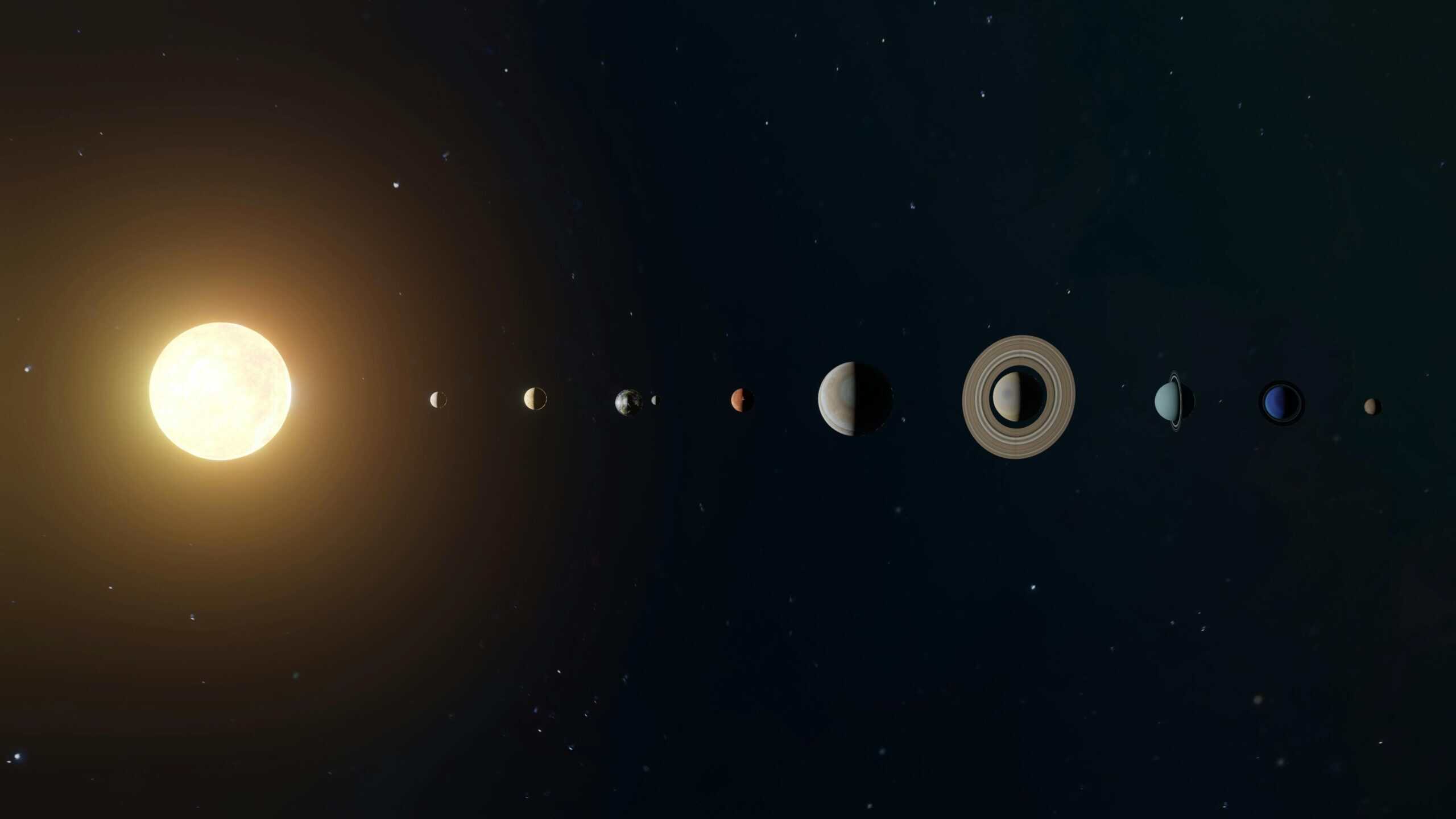
You are helping with homework, making a classroom poster, or trying to label a solar system project in more than one language, and suddenly you realize the planets do not look the same everywhere. Some names stay close to the Latin versions. Others change a lot. A few follow totally different patterns tied to local history, mythology, or writing systems.
This guide gives you the eight planets in different languages, plus a quick look at the patterns behind the names so they are easier to remember.
Mercury in different languages
- English: Mercury
- Spanish: Mercurio
- French: Mercure
- German: Merkur
- Italian: Mercurio
- Portuguese: Mercúrio
- Hindi: Budh
- Russian: Merkuriy
- Mandarin Chinese: Shuixing
- Japanese: Suisei
- Korean: Suseong
- Arabic: Utarid
Mercury is one of the easiest to spot in European languages because the name barely moves. In several Asian languages, the meaning shifts toward “water star,” which is a completely different feel.
Venus in different languages
- English: Venus
- Spanish: Venus
- French: Vénus
- German: Venus
- Italian: Venere
- Portuguese: Vênus
- Hindi: Shukra
- Russian: Venera
- Mandarin Chinese: Jinxing
- Japanese: Kinsei
- Korean: Geumseong
- Arabic: Zuhra
Venus also stays close to its classical form in many European languages. In Chinese, Japanese, and Korean, the name connects to the idea of a “gold” or “metal” star, which makes it easier to remember once you notice the pattern.
Earth in different languages
- English: Earth
- Spanish: Tierra
- French: Terre
- German: Erde
- Italian: Terra
- Portuguese: Terra
- Hindi: Prithvi
- Russian: Zemlya
- Mandarin Chinese: Diqiu
- Japanese: Chikyuu
- Korean: Jigoo
- Arabic: Al-Ard
Earth is where the names start to diverge more. Unlike the other planets, Earth is often named with a local word tied to land, soil, or ground rather than a classical god-name. That is one of the most interesting parts of the whole list.
Mars in different languages
- English: Mars
- Spanish: Marte
- French: Mars
- German: Mars
- Italian: Marte
- Portuguese: Marte
- Hindi: Mangal
- Russian: Mars
- Mandarin Chinese: Huoxing
- Japanese: Kasei
- Korean: Hwaseong
- Arabic: Al-Mirrikh
Mars is another easy one in Romance languages because Marte is very common. In East Asian naming systems, Mars is usually the “fire star,” which fits its reddish look surprisingly well.
Jupiter in different languages
- English: Jupiter
- Spanish: Júpiter
- French: Jupiter
- German: Jupiter
- Italian: Giove
- Portuguese: Júpiter
- Hindi: Brihaspati
- Russian: Yupiter
- Mandarin Chinese: Muxing
- Japanese: Mokusei
- Korean: Mokseong
- Arabic: Al-Mushtari
Italian is the one that tends to catch people off guard here. Instead of a near-copy of Jupiter, it uses Giove. Chinese, Japanese, and Korean usually connect Jupiter to the idea of the “wood star.”
Saturn in different languages
- English: Saturn
- Spanish: Saturno
- French: Saturne
- German: Saturn
- Italian: Saturno
- Portuguese: Saturno
- Hindi: Shani
- Russian: Saturn
- Mandarin Chinese: Tuxing
- Japanese: Dosei
- Korean: Toseong
- Arabic: Zuhal
Saturn stays pretty familiar in most European languages. In East Asian systems, Saturn is commonly linked with earth or soil, which is another place where the naming pattern becomes easier to see once you know it.
Uranus in different languages
- English: Uranus
- Spanish: Urano
- French: Uranus
- German: Uranus
- Italian: Urano
- Portuguese: Urano
- Hindi: Arun
- Russian: Uran
- Mandarin Chinese: Tianwangxing
- Japanese: Tennosei
- Korean: Cheonwangseong
- Arabic: Uranus
Uranus is a little more mixed. Some languages keep a close classical form. Others use a translated title-like structure. In Chinese, Japanese, and Korean, the name relates more to a heavenly king concept than the direct Greek form.
Neptune in different languages
- English: Neptune
- Spanish: Neptuno
- French: Neptune
- German: Neptun
- Italian: Nettuno
- Portuguese: Netuno
- Hindi: Varun
- Russian: Neptun
- Mandarin Chinese: Haiwangxing
- Japanese: Kaiousei
- Korean: Haewangseong
- Arabic: Neptune
Neptune also stays fairly recognizable across much of Europe. In East Asian languages, the name often shifts toward the idea of a sea king or ocean ruler, which honestly suits Neptune perfectly.
If you are making a project, keep the list clean. If you are studying for yourself, start with the patterns. They make the whole thing much easier to hold onto.