
LGBTQ history is full of courage, creativity, resistance, love, and community. Some facts are joyful, like the creation of Pride flags and global celebrations. Others are harder, reminding us how much LGBTQ people have had to fight just to live openly and safely. This list brings together powerful, surprising, and meaningful LGBTQ facts that help explain where the movement came from, what its symbols mean, and why visibility still matters today.
1. LGBTQ Stands for More Than Just Five Letters
LGBTQ most commonly stands for lesbian, gay, bisexual, transgender, and queer or questioning. The “+” is often added to include many other identities, such as intersex, asexual, pansexual, nonbinary, genderqueer, and more. The acronym has changed over time because language changes with people’s understanding of identity. Earlier movements often used “gay” as a broad label, but many people felt that word did not fully include the experiences of lesbians, bisexual people, trans people, and others. Today, LGBTQ+ is not meant to be a perfect label for everyone. It is more like an umbrella, making room for people whose sexuality or gender does not fit into narrow traditional categories.
2. Pride Month Is Celebrated in June Because of Stonewall
Pride Month is celebrated in June to honor the Stonewall Uprising, which began in New York City on June 28, 1969. The Stonewall Inn was a gathering place for LGBTQ people at a time when police raids on gay bars were common. When officers raided the bar that night, patrons and community members fought back, sparking several days of protest. Stonewall was not the beginning of LGBTQ activism, but it became one of its most powerful turning points. June Pride events carry that history with them. The parades, flags, parties, speeches, and community events all trace back to a moment when people refused to be treated as invisible.
3. Stonewall Was Not the First LGBTQ Protest
Stonewall is often called the birth of the modern LGBTQ rights movement, but LGBTQ resistance existed long before 1969. People organized, protested, published newsletters, built support networks, and challenged discriminatory laws decades earlier. There were earlier demonstrations in places like Philadelphia, San Francisco, Los Angeles, and New York. This matters because it reminds us that history is rarely built from one single moment. Stonewall became famous because it energized a new wave of activism, but it stood on the shoulders of many people who had already been pushing back. LGBTQ history is not one riot, one city, or one group. It is a long chain of courage across generations.
4. The First Pride Marches Happened in 1970
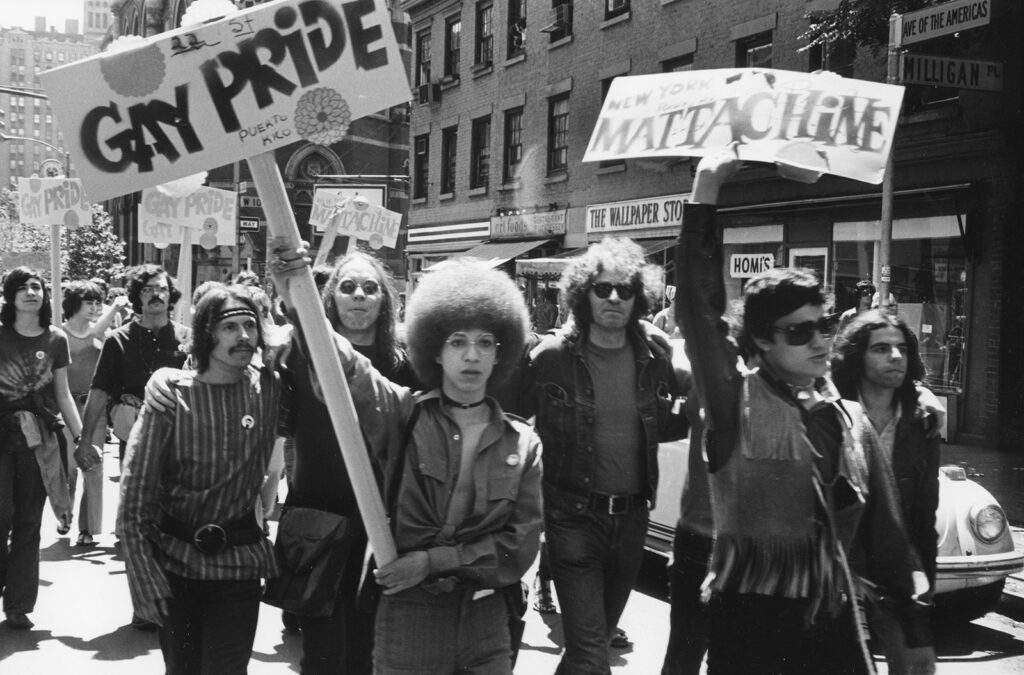
The first major Pride marches in the United States took place in 1970, one year after the Stonewall Uprising. New York held the Christopher Street Liberation Day March, while Los Angeles and Chicago also held early Pride events around the same time. These marches were very different from many modern Pride parades. They were not heavily branded celebrations with floats, music, and corporate sponsors. They were acts of public visibility at a time when being openly LGBTQ could cost someone their job, housing, family support, or safety. Walking in the street was a brave statement. It said, “We are here, we are not ashamed, and we deserve rights.”
5. Brenda Howard Is Known as the “Mother of Pride”
Brenda Howard, a bisexual activist, is often called the “Mother of Pride” because of her role in organizing the first anniversary events after Stonewall. She helped coordinate the Christopher Street Liberation Day March and supported the idea of a week of events around Pride. Howard’s work is especially important because bisexual people have often been erased from LGBTQ history, even when they were central to the movement. She was involved in gay liberation, women’s rights, antiwar activism, and bisexual visibility. Her legacy is a reminder that Pride was shaped by many voices, including people who fought for inclusion inside the community as well as outside it.
6. The Rainbow Pride Flag Was Created in 1978
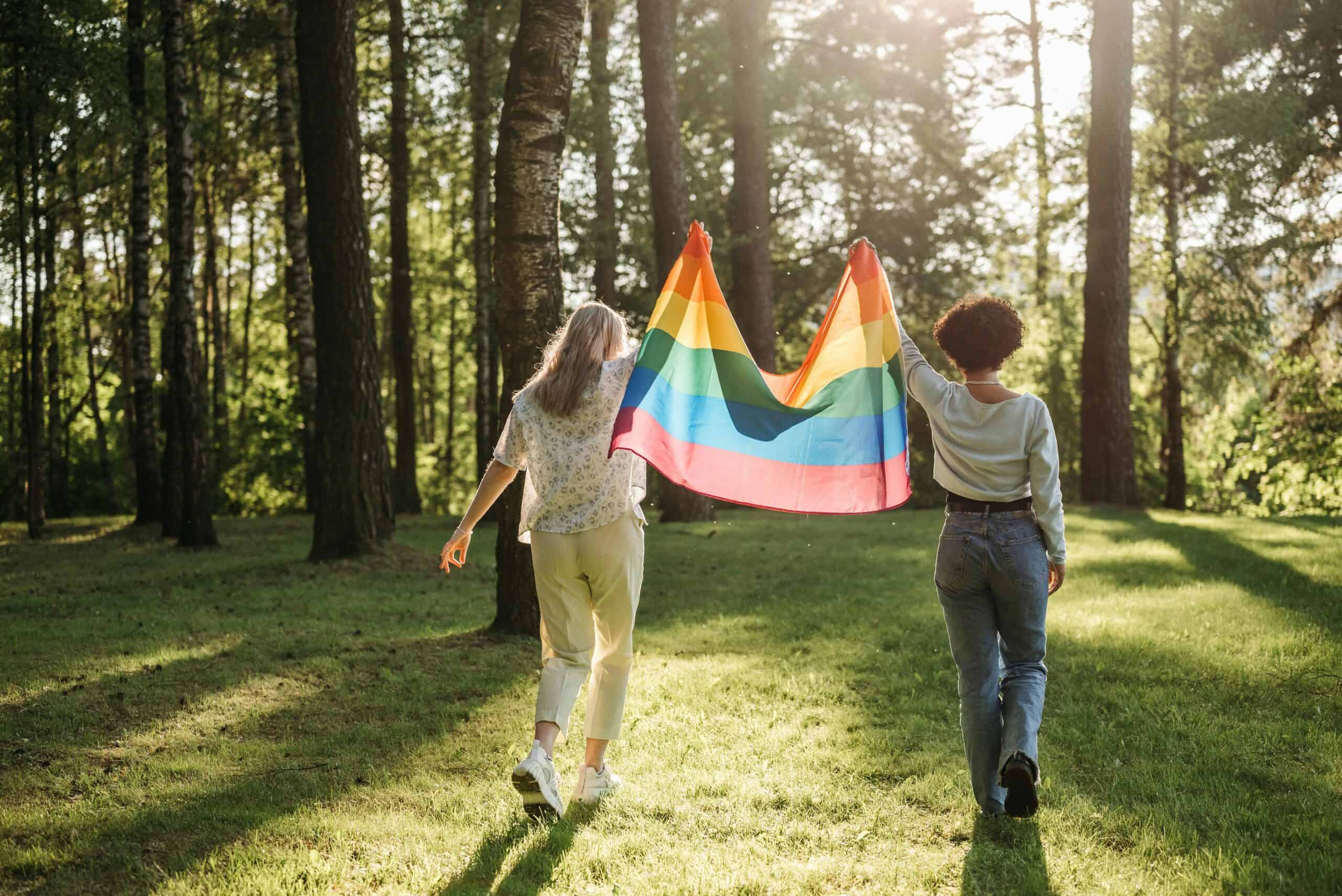
The rainbow Pride flag was created by artist and activist Gilbert Baker in 1978. It first appeared in San Francisco and was designed as a bright, hopeful symbol for the LGBTQ community. Before the rainbow flag, LGBTQ people used different symbols, but Baker wanted something bold, beautiful, and easy to recognize. The rainbow worked because it represented variety and unity at the same time. Each color could stand on its own, but together the colors formed one powerful image. Today, the rainbow flag is one of the most recognized symbols of LGBTQ pride in the world. It appears at marches, homes, businesses, schools, and community spaces.
7. The Original Rainbow Flag Had Eight Colors
The first rainbow Pride flag did not look exactly like the common six-color version seen today. Gilbert Baker’s original 1978 design had eight stripes, each with its own meaning. The colors represented ideas like sexuality, life, healing, sunlight, nature, art, harmony, and spirit. Over time, the design changed partly because some fabrics were difficult to produce in large quantities. The flag eventually became the familiar six-stripe version with red, orange, yellow, green, blue, and violet. Even though the design shifted, the meaning stayed powerful. The flag still represents diversity, visibility, resilience, and the idea that LGBTQ people deserve to be seen in full color.
8. The Transgender Pride Flag Was Designed by Monica Helms
The transgender Pride flag was designed by Monica Helms in 1999 and was first shown at a Pride parade in Phoenix in 2000. Its light blue, pink, and white stripes carry a thoughtful meaning. Blue and pink are often associated with traditional gender expectations, while white represents people who are transitioning, intersex, nonbinary, or have an undefined gender. One beautiful detail is that the flag is symmetrical, meaning it looks correct no matter which way it is flown. Helms has explained that this reflects the idea of finding correctness in one’s own life. The flag has become a global symbol of trans visibility, dignity, and pride.
9. The Bisexual Pride Flag Was Created for Visibility
The bisexual Pride flag was designed by activist Michael Page in 1998. It uses pink, purple, and blue stripes to represent bisexual identity and attraction. The flag was created because many bisexual people felt unseen, even within LGBTQ spaces. A rainbow flag could represent the broader community, but bisexual people wanted a symbol that spoke directly to their own experience. That visibility matters because bisexual people often face stereotypes, such as being called confused, indecisive, or not “queer enough.” The bi flag gives people a clear way to say, “This identity is real.” It is not a phase, not a halfway point, and not something that needs to be explained away.
10. The Pink Triangle Was Reclaimed by the LGBTQ Community
The pink triangle has a painful origin. During Nazi rule, it was used to mark and persecute gay men in concentration camps. Later, LGBTQ activists reclaimed the symbol as a sign of remembrance, resistance, and survival. Reclaiming a symbol does not erase its history. Instead, it changes who controls the meaning. The pink triangle became especially visible during AIDS activism, when groups used it to demand action, care, and public attention. Today, it reminds people that LGBTQ history includes joy, but also deep loss and persecution. It stands as a warning against hatred and a tribute to those who suffered because of who they were.
11. Harvey Milk Was One of the First Openly Gay Elected Officials in the U.S.
Harvey Milk became one of the first openly gay elected officials in the United States when he won a seat on the San Francisco Board of Supervisors in 1977. His election mattered because LGBTQ people were rarely represented openly in government at the time. Milk spoke about hope, visibility, and the importance of coming out when it was safe to do so. He understood that political power and personal visibility were connected. Tragically, he was assassinated in 1978, less than a year after taking office. His legacy continues because he showed that LGBTQ people belonged not only in private life, but also in public leadership.
12. The Netherlands Was the First Country to Legalize Same-Sex Marriage
The Netherlands became the first country in the world to legalize same-sex marriage, with marriages beginning in 2001. This was a historic moment because it moved same-sex couples from partial recognition to equal marriage under the law. Marriage equality is not only about weddings or romance. It affects hospital rights, inheritance, parenting, taxes, immigration, housing, and legal protection during emergencies. The Dutch decision inspired activists and lawmakers in many other countries. It showed that marriage equality was possible at a national level. Since then, more countries have followed, though access still varies widely around the world. The milestone remains one of the most important legal victories in LGBTQ history.
13. Same-Sex Marriage Is Still Not Legal Everywhere
Even though many countries now recognize same-sex marriage, it is still not legal in most parts of the world. Some countries allow marriage equality, some offer civil unions or limited partnerships, and others provide no legal recognition for same-sex couples at all. In some places, LGBTQ people still face criminal penalties simply for consensual same-sex relationships. This gap shows why Pride cannot be reduced to celebration alone. For many communities, LGBTQ rights remain a serious legal and safety issue. Marriage equality also does not solve every problem. Even where marriage is legal, LGBTQ people may still face discrimination in health care, employment, housing, schools, and public life.
14. India Decriminalized Same-Sex Relationships in 2018
India made a major LGBTQ rights milestone in 2018 when the Supreme Court struck down parts of Section 377, a colonial-era law that criminalized consensual same-sex relationships. The ruling was deeply meaningful because it recognized dignity, privacy, and equality for LGBTQ people. For many queer Indians, it was not just a legal change. It was an emotional moment after generations of stigma, silence, and fear. The decision did not immediately solve every issue facing LGBTQ people in India, including marriage rights, family acceptance, workplace discrimination, and safety. Still, it marked a turning point and gave many people language, confidence, and legal ground to live more openly.
15. LGBTQ People Exist in Every Culture
LGBTQ identities are sometimes wrongly described as new, foreign, or modern inventions. In reality, people with diverse sexual orientations and gender identities have existed across cultures and throughout history. Many societies have recognized gender diversity or same-sex love in different ways, though the words used were not always the same as today’s terms. The modern LGBTQ acronym is recent, but the human experiences behind it are not. This fact is important because it pushes back against the idea that LGBTQ identity belongs to only one country, generation, or culture. Queer people have always been part of families, communities, art, religion, politics, and everyday life.
16. “Coming Out” Is Personal, Not Mandatory
Coming out means sharing one’s LGBTQ identity with others, but it is not something every person must do publicly. For some people, coming out feels freeing and joyful. For others, it can be risky because of family rejection, unsafe communities, workplace discrimination, or legal danger. A person may be out to friends but not relatives, out online but not at work, or out in one country but not another. There is no single correct timeline. Respecting LGBTQ people means allowing them to decide when, how, and whether they share personal information. Coming out should be about safety, agency, and self-truth, not pressure.
17. The Word “Queer” Has Been Reclaimed by Many People
The word “queer” was once used mainly as an insult against LGBTQ people. Over time, many activists, scholars, artists, and younger LGBTQ people reclaimed it as a broad, flexible identity. For some, queer feels more open than choosing one specific label. It can describe sexuality, gender, politics, culture, or simply a way of existing outside traditional norms. Still, not everyone is comfortable with the word because of its painful history. That is why context matters. It is best to use the language a person uses for themselves. Reclamation can be powerful, but it should never force someone to accept a word that has hurt them.
18. Not All LGBTQ People Use the Same Labels
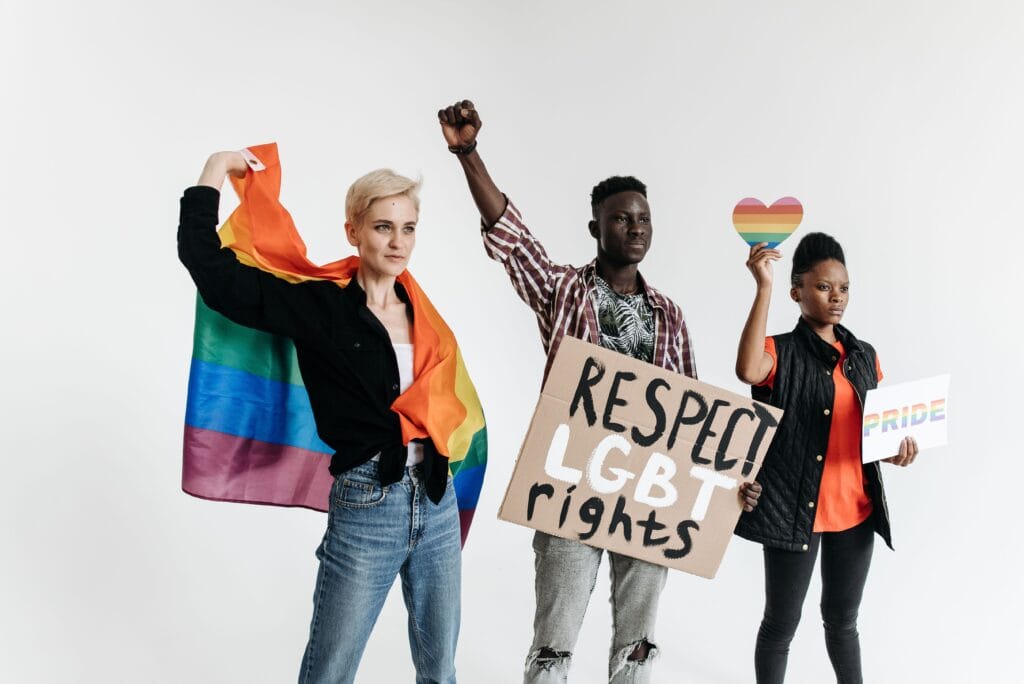
Labels can help people feel seen, but they are not one-size-fits-all. Some people proudly identify as lesbian, gay, bisexual, trans, queer, pansexual, asexual, nonbinary, or intersex. Others prefer no label at all. Some people change the words they use as they understand themselves more deeply. This does not mean they were lying before. It means identity can be discovered gradually. A person’s label may also be shaped by language, culture, generation, religion, or community. The respectful approach is simple: listen first. Use the words people choose for themselves, and do not demand a perfect explanation before offering respect.
19. Gender Identity and Sexual Orientation Are Different
Gender identity and sexual orientation are often mixed up, but they describe different things. Gender identity is a person’s internal sense of being male, female, both, neither, or something else. Sexual orientation is about who a person is emotionally, romantically, or sexually attracted to. For example, a transgender person can be straight, gay, bisexual, queer, asexual, or any other orientation. A cisgender person can also have any sexual orientation. Understanding this difference helps people avoid awkward assumptions. It also makes conversations more respectful. Gender is about who someone is. Orientation is about who someone may be attracted to. They are connected for some people, but they are not the same thing.
20. Nonbinary People Do Not Fit Strictly Into “Male” or “Female”
Nonbinary is an umbrella term for people whose gender does not fit neatly into the categories of only male or only female. Some nonbinary people feel like a mix of genders. Some feel they have no gender. Some experience gender in a fluid way. Others simply feel that traditional gender labels do not describe them well. Nonbinary people may use they/them pronouns, he/him, she/her, or other pronouns depending on what feels right. There is no one way to look nonbinary. A person’s clothes, hair, voice, or body do not prove or disprove their gender. Respect starts with believing people when they tell you who they are.
21. Asexuality Is Part of the LGBTQ Spectrum
Asexual people may experience little or no sexual attraction, though experiences vary widely. Some asexual people still want romantic relationships, marriage, emotional closeness, or physical affection. Others may not want romance at all. Asexuality is often misunderstood because society assumes everyone experiences attraction in the same way. That assumption can make ace people feel invisible or pressured to explain themselves. The asexual community has helped create language for a wide range of experiences, including gray-asexual and demisexual identities. Including asexuality in LGBTQ conversations matters because it reminds us that human connection is not one single pattern. People can love, bond, and build meaningful lives in many ways.
22. Intersex People Are Often Included in LGBTQIA+
The “I” in LGBTQIA+ stands for intersex. Intersex people are born with sex traits, such as chromosomes, hormones, or anatomy, that do not fit typical definitions of male or female bodies. Intersex is not the same as being transgender, though some people may be both. The intersex rights movement has focused strongly on bodily autonomy, informed consent, and ending unnecessary medical procedures on children who are too young to decide for themselves. Intersex inclusion matters because it challenges the idea that biology is always perfectly binary. It also reminds people that conversations about gender, bodies, identity, and rights must be handled with care and respect.
23. Drag Has a Long Cultural History
Drag is a performance art that plays with gender, fashion, comedy, music, theater, and exaggeration. Many people associate drag with modern drag shows or television competitions, but drag has deep roots in theater and queer nightlife. Drag performers have often created spaces of joy, satire, and survival for LGBTQ communities. Some drag is glamorous, some is political, some is funny, and some is deeply emotional. Drag is not the same thing as being transgender, although some trans people do perform drag. At its heart, drag shows how playful and powerful gender presentation can be. It turns clothing, makeup, voice, and character into art.
24. Ballroom Culture Created Powerful Chosen Families
Ballroom culture grew through Black and Latino LGBTQ communities, especially in New York City. In ballroom spaces, people competed in categories involving fashion, dance, beauty, attitude, and performance. Houses became chosen families, led by house mothers or fathers who often supported young queer and trans people rejected by their biological families. Ballroom culture gave people community, protection, creativity, and status in a world that often denied them all four. It also shaped mainstream culture through voguing, fashion language, slang, and performance styles. Many people know the aesthetics without knowing the history. Ballroom is not just entertainment. It is survival, artistry, family, and resistance.
25. Chosen Family Is an Important LGBTQ Tradition
Chosen family is a powerful idea in LGBTQ communities. It refers to close bonds built with friends, mentors, partners, elders, and community members who offer the love and support someone may not receive from relatives. For many LGBTQ people, chosen family becomes especially important after rejection, isolation, or unsafe home environments. It can look like shared holidays, emergency support, emotional care, housing help, advice, celebration, and everyday belonging. Chosen family does not always replace biological family, but it can fill painful gaps. This tradition shows how LGBTQ people have built care networks even when society failed them. It is one of the community’s most tender forms of resilience.
26. LGBTQ Elders Helped Build the Rights People Have Today
LGBTQ elders have lived through times when visibility could be dangerous, employment discrimination was common, police harassment was widespread, and same-sex relationships were criminalized in many places. Many also survived the AIDS crisis, losing friends, partners, and entire support networks while fighting for medical attention and public compassion. Today’s rights and visibility did not appear on their own. They were built by people who marched, organized, cared for the sick, wrote books, challenged laws, created shelters, opened bars, formed community groups, and refused to disappear. Honoring LGBTQ elders means remembering that Pride has a history. It also means making sure older LGBTQ people are not forgotten now.
27. The AIDS Crisis Changed LGBTQ Activism
The AIDS crisis devastated LGBTQ communities, especially gay and bisexual men, trans women, and people already facing racism, poverty, or medical neglect. In the early years, many governments and institutions responded slowly, while stigma made people afraid to seek help or talk openly. LGBTQ activists organized fiercely. Groups demanded research, treatment, funding, compassion, and accurate public information. They also cared for one another when families, hospitals, and society often turned away. The crisis changed activism by combining grief with direct action. It showed how health care, politics, media, and prejudice can become matters of life and death. The legacy is painful, but also full of extraordinary courage.
28. LGBTQ Representation in Media Has Changed Dramatically
For a long time, LGBTQ characters in film and television were either hidden, mocked, villainized, or given tragic endings. Representation has improved greatly, with more LGBTQ actors, writers, creators, and characters appearing in mainstream media. Still, representation is not only about being included. It also matters how people are shown. Are queer characters allowed joy, complexity, family, humor, ambition, and ordinary life? Are trans characters played by trans actors? Are people of color, disabled LGBTQ people, older LGBTQ people, and bisexual people included? Good representation can help viewers feel less alone. Poor representation can reinforce stereotypes. Media has power because stories shape what people believe is normal.
29. LGBTQ Rights Are Different Around the World
LGBTQ rights vary widely depending on where someone lives. In some countries, LGBTQ people can marry, adopt children, serve openly, access gender-affirming documents, and receive legal protections from discrimination. In other places, people may face censorship, violence, arrest, or even severe criminal penalties for same-sex relationships or public LGBTQ expression. This global difference is one reason LGBTQ advocacy must be careful and locally aware. What feels safe in one place may put someone in danger somewhere else. It also shows why international solidarity matters. Pride is global, but the risks are not equal. Listening to local LGBTQ activists is essential.
30. Pride Is Both a Celebration and a Protest
Pride can be joyful, colorful, loud, funny, stylish, and full of music. It can also be serious, political, emotional, and rooted in grief. Both sides are real. Pride celebrates love, identity, community, and survival. It also remembers the people who fought before, the rights still missing, and the communities still under threat. That is why Pride can include parades, drag shows, memorials, marches, teach-ins, fundraisers, art, speeches, and quiet acts of visibility. Pride is not just about being noticed. It is about being treated with dignity. At its best, Pride says that LGBTQ people deserve safety, joy, rights, and a future.