


Slice into a watermelon at a picnic and most people expect that classic red center. Then yellow watermelon shows up, bright, golden, and a little surprising. It looks like summer got turned up a shade.
Yellow watermelon is not just pretty, though. It is sweet, refreshing, naturally hydrating, and packed with nutrients that make it more than a fun fruit bowl upgrade. If you have seen it at a farmers market or grocery store and wondered if it is worth trying, the answer is yes.
What Is Yellow Watermelon?
Yellow watermelon is a natural variety of watermelon with golden yellow flesh instead of red or pink flesh. The color comes from its carotenoid profile, especially compounds like beta carotene, rather than the higher lycopene levels usually associated with red watermelon. Yellow watermelon is still part of the same watermelon family, so the texture, rind, seeds, and juicy bite feel familiar.
The flavor is often described as honey-like, mellow, and extra sweet. Some yellow watermelons taste close to red watermelon, while others have a softer tropical sweetness that feels almost like a mix of melon and honey.
Benefits of Yellow Watermelon
1. It Helps Keep You Hydrated
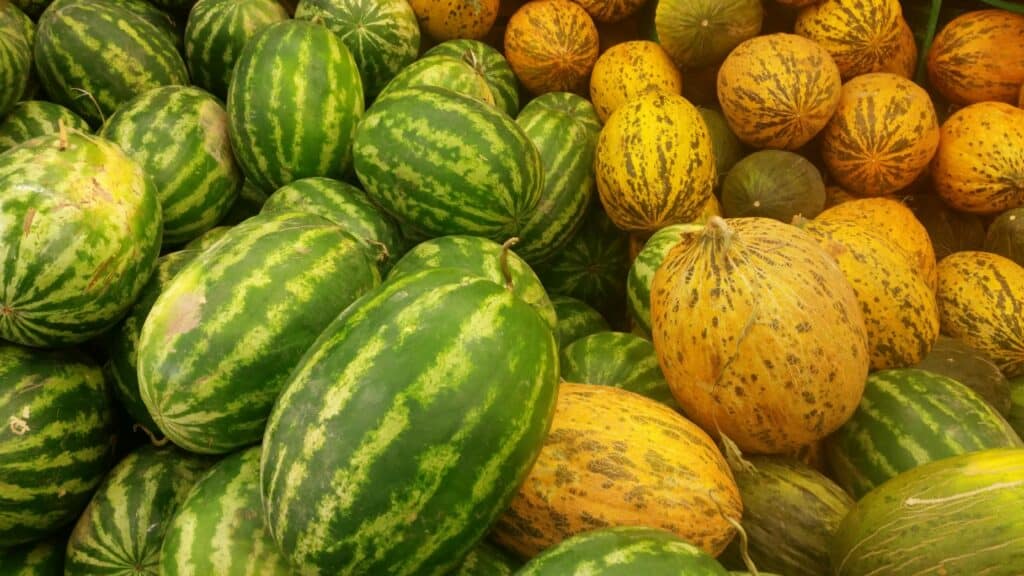
Yellow watermelon is mostly water, which makes it one of the easiest fruits to reach for on hot days. Watermelon is commonly noted for its high water content, making it a refreshing way to support fluid intake during warm weather, outdoor play, workouts, or long days in the sun.
This is the kind of snack that feels light but still satisfying. A cold bowl of yellow watermelon after being outside hits differently than a heavy dessert or salty packaged snack.
2. It Is Naturally Low in Calories
Yellow watermelon gives you that sweet, juicy bite without feeling heavy. Like other watermelon varieties, it is low in calories while still offering water, vitamins, and plant compounds. That makes it a smart choice when you want something sweet after lunch, at a barbecue, or late in the afternoon.
It will not replace a full meal, but it can absolutely replace a handful of candy or a sugary frozen treat when you want something fresh.
3. It Contains Beta Carotene
One of the biggest nutritional differences between yellow and red watermelon is the pigment. Yellow watermelon gets its sunny color from carotenoids, including beta carotene. Your body can convert beta carotene into vitamin A, which plays a role in vision, immune support, and healthy skin.
That golden color is not just for looks. It is a clue that the fruit brings a different plant compound profile than red watermelon.
4. It Supports Eye Health
Because yellow watermelon contains carotenoids, it can fit nicely into a diet that supports eye health. Beta carotene is tied to vitamin A activity in the body, and vitamin A is well known for its role in normal vision.
For the best eye-supporting plate, pair yellow watermelon with other colorful foods like carrots, spinach, sweet potatoes, eggs, and citrus fruits.
5. It Gives You Vitamin C
Watermelon contains vitamin C, an antioxidant nutrient that supports immune function and helps the body maintain healthy skin.
Yellow watermelon is not as vitamin C-packed as oranges or strawberries, but it still adds a nice boost, especially when you eat it as part of a fruit salad or smoothie bowl.
6. It May Support Heart Health
Watermelon contains citrulline, an amino acid that helps the body make nitric oxide. Nitric oxide helps blood vessels relax, which supports healthy circulation. Watermelon is often highlighted as one of the best food sources of citrulline.
This does not mean yellow watermelon is a magic heart food. It does mean it can be part of a heart-friendly eating pattern that also includes vegetables, whole grains, beans, nuts, fish, and less highly processed food.
7. It Can Help After Exercise
A cold bowl of yellow watermelon after a workout feels refreshing for a reason. Its water content helps with rehydration, while citrulline may play a role in exercise recovery and blood flow. Cleveland Clinic notes that watermelon may support recovery after exercise partly because of citrulline.
For a quick post-workout snack, try yellow watermelon with a pinch of salt and a protein source like Greek yogurt, cottage cheese, eggs, or a turkey wrap.
8. It Is Gentle and Easy to Eat
Yellow watermelon is soft, juicy, and easy to chew, which makes it friendly for kids, older adults, and anyone who wants a refreshing snack that does not take much prep.
It is also a great party fruit because it feels familiar but still gets people curious. Put red and yellow watermelon cubes together on a platter and people will notice immediately.
9. It Adds Natural Sweetness Without Much Prep
Some fruits need peeling, slicing, pitting, or careful storage. Yellow watermelon is easy once it is cut. Cube it, chill it, and it is ready for snacks, fruit bowls, drinks, salads, or popsicles.
It works especially well in:
- Fruit salads
- Smoothies
- Agua fresca
- Summer mocktails
- Skewers
- Frozen cubes
- Salsa with cucumber and lime
- Salads with feta and mint
10. It Makes Healthy Eating More Fun
This is underrated. People eat more fruit when it looks exciting and tastes good. Yellow watermelon feels special without being complicated. Kids may be more willing to try it because of the color, and adults love it because it looks beautiful on a summer table.
If your usual fruit routine feels boring, yellow watermelon is an easy reset.
How to Pick a Good Yellow Watermelon
Choosing yellow watermelon is similar to choosing red watermelon. You cannot see the flesh from the outside, so you have to rely on a few clues.
Look for these signs:
- A creamy yellow field spot where the melon rested on the ground
- A heavy feel for its size
- A firm rind without soft, sunken patches
- A duller rind rather than a shiny one
- A deep, hollow sound when tapped
The field spot matters most. A pale or white spot can mean the melon was picked too early. A buttery yellow spot usually means it had more time to ripen.
Who Should Be Careful With Yellow Watermelon?
Yellow watermelon is safe for most people, but portion size still matters. It contains natural sugar, so people watching blood sugar should pair it with protein, fiber, or healthy fats instead of eating a huge bowl by itself. Watermelon is also high in water, so eating a lot at once can leave some people feeling bloated.
A practical serving is 1 to 2 cups of cubed watermelon. That gives you the refreshing sweetness without turning a snack into half a melon.
FAQs
Is yellow watermelon natural?
Yes. Yellow watermelon is a natural watermelon variety. Its color comes from different plant pigments than red watermelon.
Does yellow watermelon taste different?
Yes, it can. Many yellow watermelons taste slightly sweeter, softer, and more honey-like than red watermelon. The exact flavor depends on the variety and ripeness.
Is yellow watermelon healthier than red watermelon?
Not exactly. Both are hydrating and nutritious. Red watermelon is known for lycopene, while yellow watermelon stands out for yellow-orange carotenoids like beta carotene. The best choice is the one you enjoy eating more often.
Can kids eat yellow watermelon?
Yes. Yellow watermelon is a fun, colorful fruit for kids. Cut it into small cubes or sticks, remove seeds if needed, and serve it chilled.
Yellow watermelon is hydrating, naturally sweet, colorful, and easy to love. It brings many of the same perks as regular watermelon, with a sunny twist and a slightly different nutrient profile.
Try it cold with lime first. If that wins you over, add it to salads, smoothies, popsicles, and party platters. A fruit this cheerful does not need much work to taste good.