
You read a British menu for the first time, spot something called “toad in the hole” or “bubble and squeak,” and immediately stop trusting the entire country. Fair enough. British food names can sound confusing, oddly dramatic, or like a joke someone forgot to explain.
That is exactly why this guide exists. It breaks down common British food names, what they actually mean, and the difference between everyday UK food words and classic British dishes. Some are simple vocabulary swaps. Others are full meals with names that sound way stranger than the food itself.
British food names for everyday items
These are the ones you are most likely to see in shops, on menus, or in casual conversation.
1. Chips
What it means in Britain: thick-cut fries
Not to be confused with: crisps
If you ask for chips in the UK, you are getting hot fried potatoes, not a bag of crunchy snack chips.
2. Crisps
What it means in Britain: potato chips
This is one of the biggest UK vs US food word swaps.
3. Biscuit
What it means in Britain: cookie
A British biscuit is usually sweet, crunchy, and perfect with tea. It is not the soft, flaky thing Americans call a biscuit.
4. Scone
What it means in Britain: basically still a scone, but often part of cream tea culture
British scones are usually served with jam and clotted cream, and people take the order of those toppings weirdly seriously.
5. Pudding
What it means in Britain: dessert, or in some cases a savory dish
This is where things get messy. In Britain, “pudding” can mean dessert in general, but it also shows up in savory names like Yorkshire pudding and black pudding.
6. Aubergine
What it means in Britain: eggplant
Same vegetable, different word.
7. Courgette
What it means in Britain: zucchini
A very standard British food word that still throws people the first time.
8. Rocket
What it means in Britain: arugula
A much more dramatic name for a leafy green, honestly.
9. Swede
What it means in Britain: rutabaga
This one confuses plenty of English speakers too, not just visitors.
10. Beetroot
What it means in Britain: beets
Same basic ingredient, just a different everyday word.
11. Prawns
What it means in Britain: shrimp, in many everyday uses
There are technical differences in some contexts, but on a menu, this usually points people toward what Americans would call shrimp.
12. Mince
What it means in Britain: ground meat
If a recipe calls for mince, it usually means ground beef, lamb, or another minced meat.
13. Icing sugar
What it means in Britain: powdered sugar
One of those very practical kitchen word swaps.
14. Caster sugar
What it means in Britain: superfine sugar
Useful if you bake, confusing if you do not.
15. Jelly
What it means in Britain: Jell-O style gelatin dessert
British “jam” is the spread. British “jelly” is the wobbly dessert.
Famous British dishes with confusing names
Now for the fun part. These are the food names that sound strange even before you know what they are.
16. Toad in the Hole
What it actually is: sausages baked in Yorkshire pudding batter
No toads. No holes worth worrying about. Just sausages in a puffy baked batter.
17. Bubble and Squeak
What it actually is: fried leftover vegetables, usually potatoes and cabbage
The name comes from the sound it makes while cooking, which is more charming than it has any right to be.
18. Bangers and Mash
What it actually is: sausages and mashed potatoes
A very famous British comfort-food name. “Bangers” just means sausages.
19. Spotted Dick
What it actually is: a steamed suet pudding with dried fruit
Yes, the name is absurd. The “spots” are the currants or raisins. It is one of the most notorious British dessert names for obvious reasons.
20. Black Pudding
What it actually is: a blood sausage
This is a savory item, usually sliced and served as part of a full English breakfast.
21. Yorkshire Pudding
What it actually is: a baked batter side dish
Despite the name, it is not dessert. It is usually served with roast beef and gravy.
22. Cornish Pasty
What it actually is: a baked pastry filled with meat and vegetables
Think of it as a handheld savory pie with serious regional pride attached to it.
23. Scotch Egg
What it actually is: a boiled egg wrapped in sausage meat, coated, and cooked
It sounds like breakfast. It often feels more like a pub snack or picnic food.
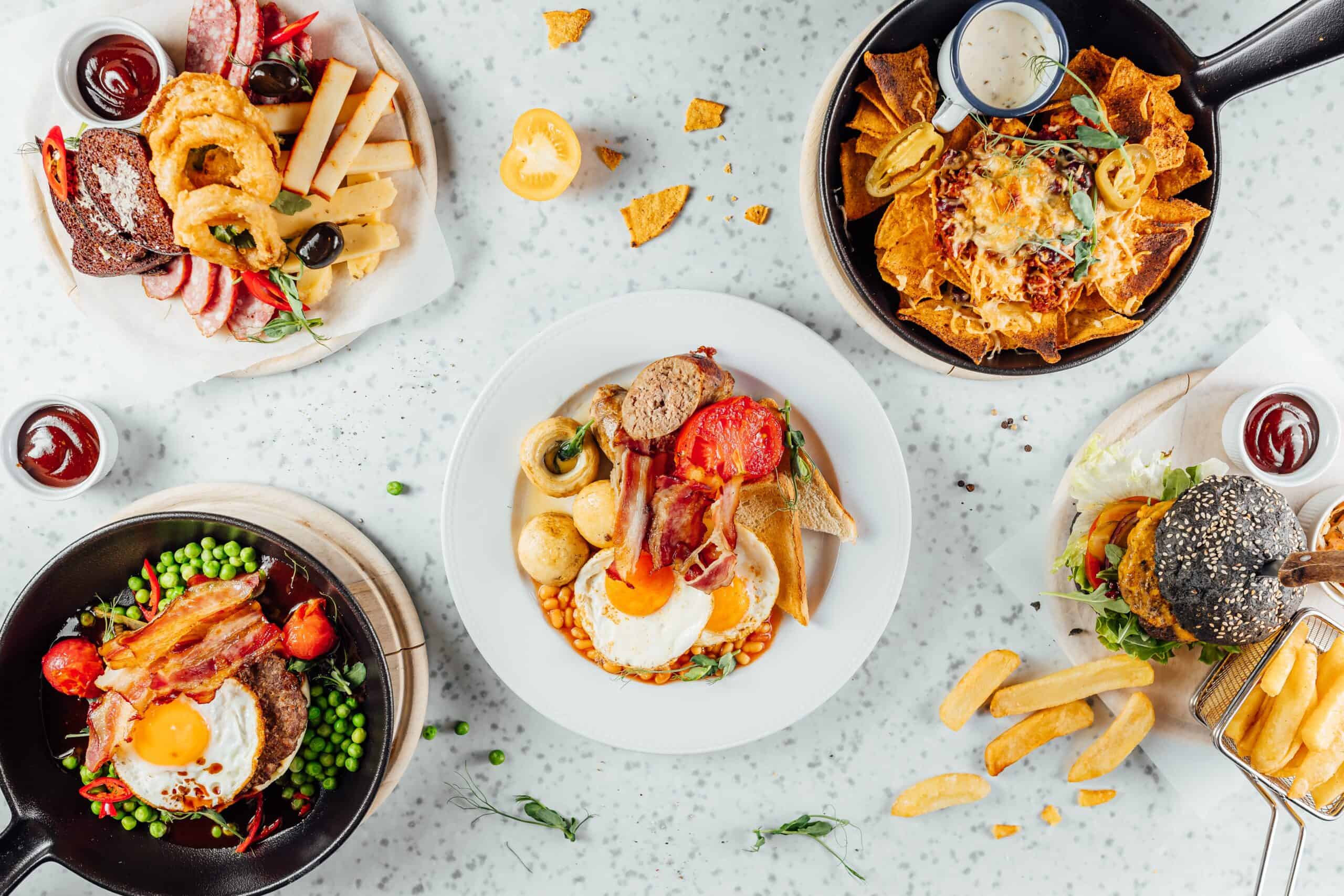
24. Full English
What it actually is: a big cooked breakfast with eggs, sausages, bacon, beans, mushrooms, tomatoes, toast, and often black pudding
This is not a light breakfast. It is a commitment.
25. Ploughman’s Lunch
What it actually is: a cold meal, usually bread, cheese, pickles, and salad
Simple, traditional, and one of the least weirdly named items once you know what it is.
26. Shepherd’s Pie
What it actually is: minced lamb with gravy under mashed potatoes
A very classic British dish. The lamb part matters.
27. Cottage Pie
What it actually is: minced beef with gravy under mashed potatoes
People mix this up with shepherd’s pie constantly. The easiest way to remember it is simple: shepherd equals sheep, so shepherd’s pie uses lamb.
28. Steak and Kidney Pie
What it actually is: a savory pie filled with steak and kidney
Very traditional. Very British. Not usually a first-timer’s comfort zone.
29. Kedgeree
What it actually is: a rice dish often made with smoked fish, eggs, and spices
One of the more interesting examples of British food history picking up outside influence and making it its own.
30. Rarebit
What it actually is: hot cheese sauce on toast, often called Welsh rarebit
It is not rabbit. That misunderstanding has confused people for a long time.
British snack and sweet names that sound made up
These are the ones that feel especially unreal if you did not grow up with them.
31. Eton Mess
What it actually is: a dessert made with strawberries, cream, and crushed meringue
The “mess” part is accurate. It is supposed to look a little chaotic.
32. Treacle Tart
What it actually is: a sweet tart made with golden syrup, breadcrumbs, and lemon
Treacle is one of those old-school words that instantly makes a dessert sound more mysterious than it is.
33. Banoffee Pie
What it actually is: banana plus toffee pie
A portmanteau, and honestly a pretty good one.
34. Sticky Toffee Pudding
What it actually is: a moist sponge dessert with toffee sauce
One of the best dessert names on the planet, because it tells you exactly what mood you are about to be in.
35. Trifle
What it actually is: a layered dessert with sponge, custard, fruit, jelly, and cream
It sounds delicate. It is usually a giant bowl of glorious excess.
36. Parkin
What it actually is: a sticky ginger cake, often linked to Northern England
Less famous outside Britain, but worth knowing.
37. Hobnob
What it actually is: a popular oaty biscuit
This one sounds fake even to some British ears, but it is very real and very tea-friendly.
38. Jaffa Cake
What it actually is: a small sponge-cake snack with orange filling and chocolate
The eternal British debate over whether it is a cake or a biscuit only makes it more British.
39. Flapjack
What it actually is in Britain: a baked oat bar
Important note: this is not the same thing Americans mean by flapjack.
40. Knickerbocker Glory
What it actually is: a tall layered ice cream dessert
An absurdly wonderful name for a dessert that looks like it knows it is being watched.
British food words that mean something different than you expect
These are especially useful if you are reading recipes, watching British cooking shows, or trying to decode menu language.
41. Pudding
Could mean: dessert in general, or a specific dish
42. Tea
Could mean: actual tea, or in some households an evening meal
43. Jam
Means: fruit preserve
Not the same as: jelly dessert
44. Tart
Means: a pastry dish, sweet or savory
Not always an insult, despite what your brain may briefly suggest
45. Sausage Roll
Means: sausage meat wrapped in puff pastry
A very standard British snack that deserves its popularity.
46. Fish Fingers
Means: breaded fish sticks
The name sounds more sinister than the food.
47. Beans on Toast
Means: exactly what it says, usually baked beans on buttered toast
This is one of those British staples outsiders underestimate until they are hungry and it is raining.
48. Butty
Means: sandwich, especially in some regional usage
A bacon butty is one of the clearest examples.
49. Bap
Means: a soft bread roll
This varies by region, which is very on-brand for British food vocabulary.
50. Butcher’s or Greengrocer’s terms
You will also see more traditional shop language in Britain than in some places, especially in older recipes or local markets.
How to tell whether a British food name is a dish or just a word swap
A quick trick helps.
If it sounds like a complete meal, it probably is:
- shepherd’s pie
- toad in the hole
- bangers and mash
- bubble and squeak
If it sounds like a single ingredient or pantry word, it is probably just British vocabulary:
- courgette
- aubergine
- beetroot
- icing sugar
- mince
That distinction clears up a lot.
The easiest British food names to remember first
If you want the quick-start version, memorize these 15:
- chips = fries
- crisps = chips
- biscuit = cookie
- aubergine = eggplant
- courgette = zucchini
- rocket = arugula
- mince = ground meat
- icing sugar = powdered sugar
- black pudding = blood sausage
- Yorkshire pudding = savory baked batter
- bangers and mash = sausages and mashed potatoes
- toad in the hole = sausages in batter
- bubble and squeak = fried leftover vegetables
- full English = large cooked breakfast
- flapjack = oat bar
That gets you through a surprising amount of British food conversation.