
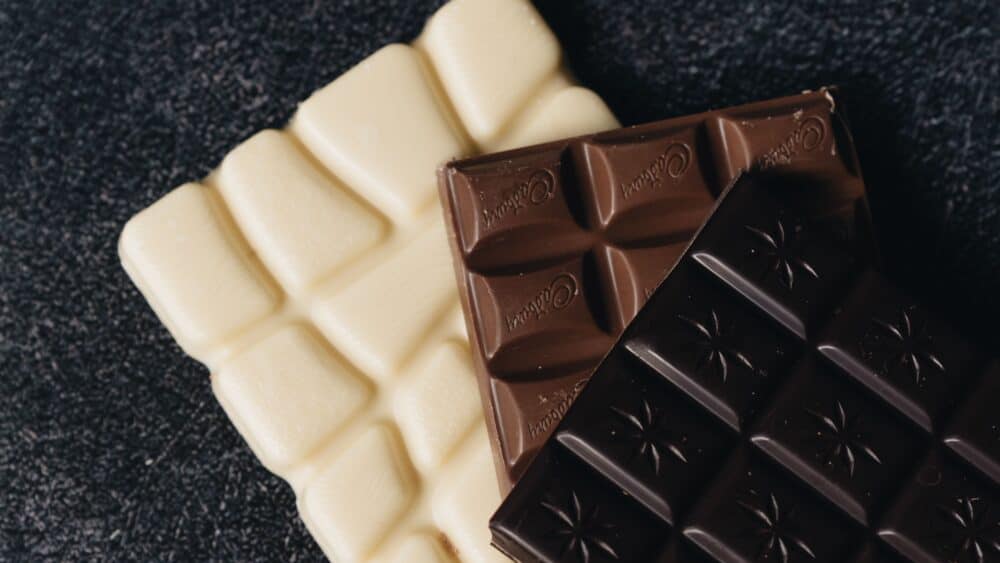
Chocolate has a way of showing up for every mood. Valentine’s Day brings the heart-shaped boxes, chocolate-covered strawberries, and fancy truffles, but real chocolate fans know the craving does not clock out after February.
The tricky part is that chocolate is not just one thing. Walk into the baking aisle and suddenly you are staring at milk chocolate, dark chocolate, bittersweet chocolate, semi-sweet chocolate, white chocolate, couverture chocolate, and a few bags that look like they belong in a pastry school.
So, what is the difference? Some chocolates are made for snacking. Some are better for baking. Some melt beautifully into glossy ganache, while others hold their shape in cookies. Once you know the main types of chocolate, choosing the right one becomes a lot sweeter.
Milk Chocolate
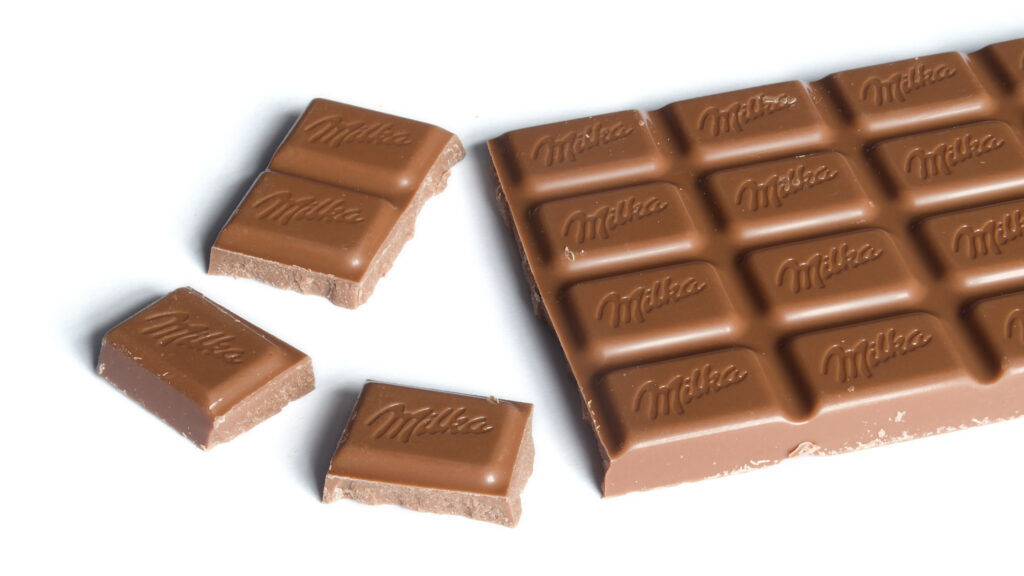
Milk chocolate is creamy, sweet, and usually the easiest chocolate to enjoy straight from the wrapper. It is made with cocoa solids, cocoa butter, sugar, and milk powder or condensed milk.
Most milk chocolate sits around 10% to 40% cacao, depending on the brand and quality. Lower percentages taste sweeter and milder, while higher-percentage milk chocolate has a richer cocoa flavor without losing its smooth, creamy feel.
Dark Chocolate
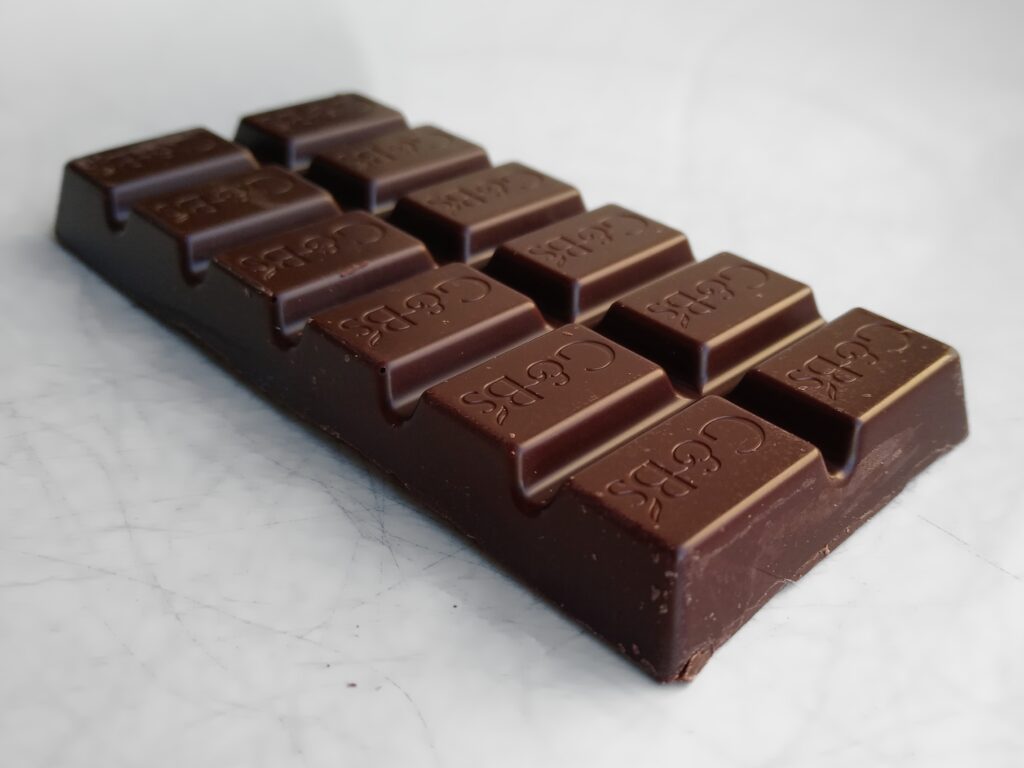
Dark chocolate has a deeper cocoa flavor and usually less sugar than milk chocolate. It can taste fruity, earthy, bitter, smooth, or intense depending on the cacao percentage and the beans used.
Dark chocolate often starts around 50% cacao and can go all the way up to 90% or more. A 50% to 60% dark chocolate is still fairly sweet, 70% is rich and balanced, and 85% or higher is bold, bitter, and best for serious dark chocolate fans.
Semi-Sweet Chocolate
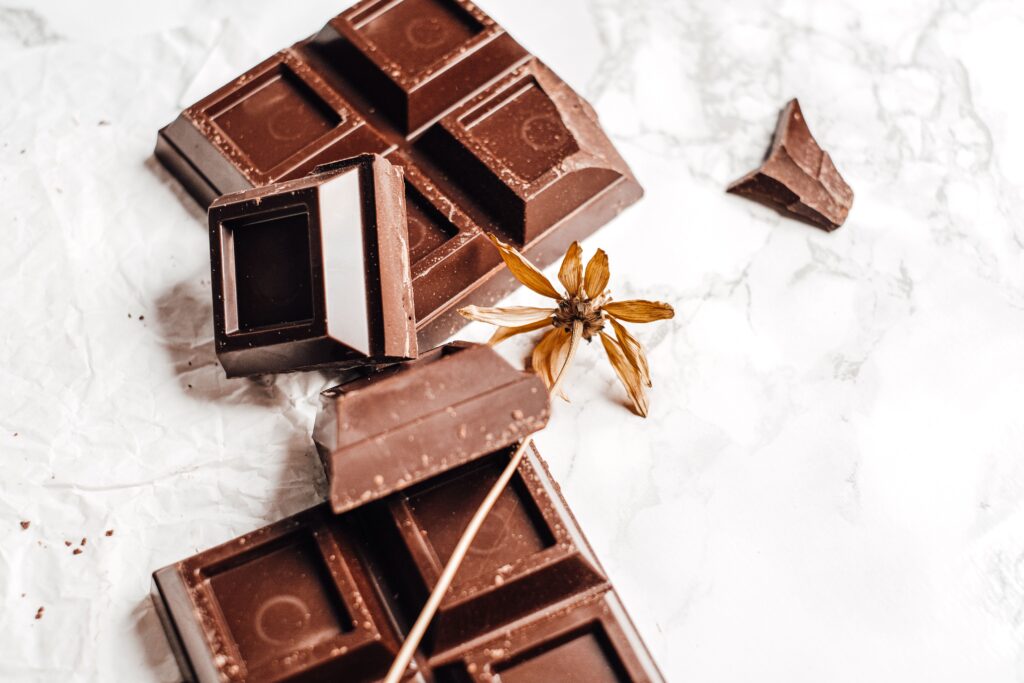
Semi-sweet chocolate is one of the most common types used in baking. It has enough sweetness to taste familiar, but enough cocoa flavor to stand out in cookies, brownies, and cakes.
Semi-sweet chocolate usually falls around 50% to 65% cacao. That middle range makes it a safe choice when you want chocolate flavor without making the dessert too bitter or too sugary.
Bittersweet Chocolate
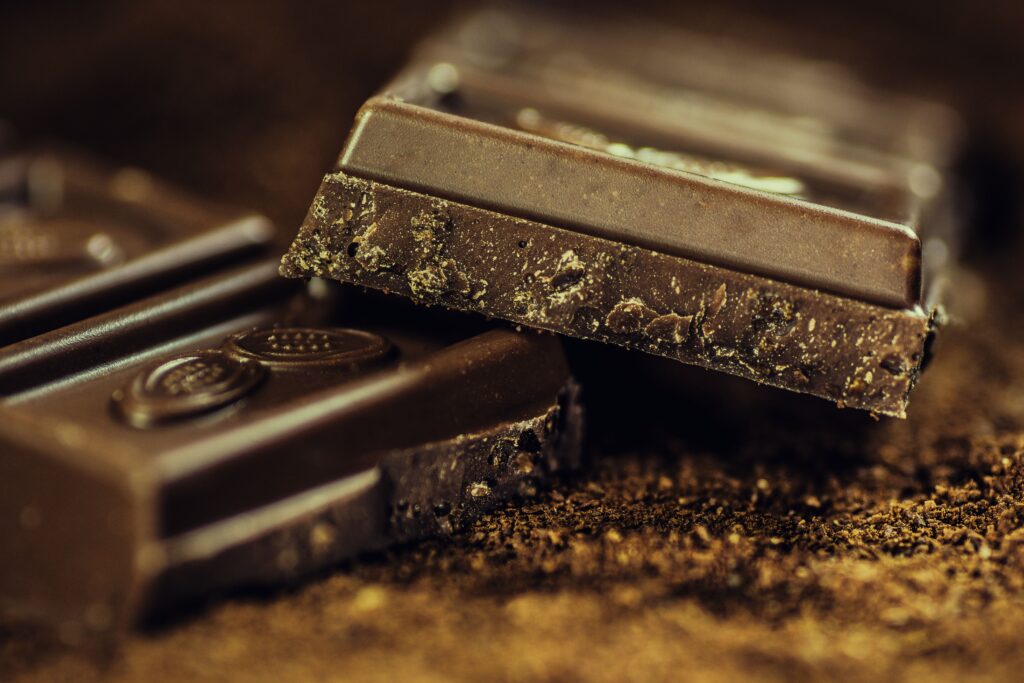
Bittersweet chocolate is darker and stronger than semi-sweet chocolate. It has less sugar and a more intense cocoa taste, which is why it works so well in rich desserts.
Bittersweet chocolate often lands around 65% to 80% cacao. Around 65% gives you a deep but still balanced flavor, while 75% to 80% tastes more intense and less sweet. It is great for ganache, mousse, flourless cake, and bold brownies.
Unsweetened Chocolate
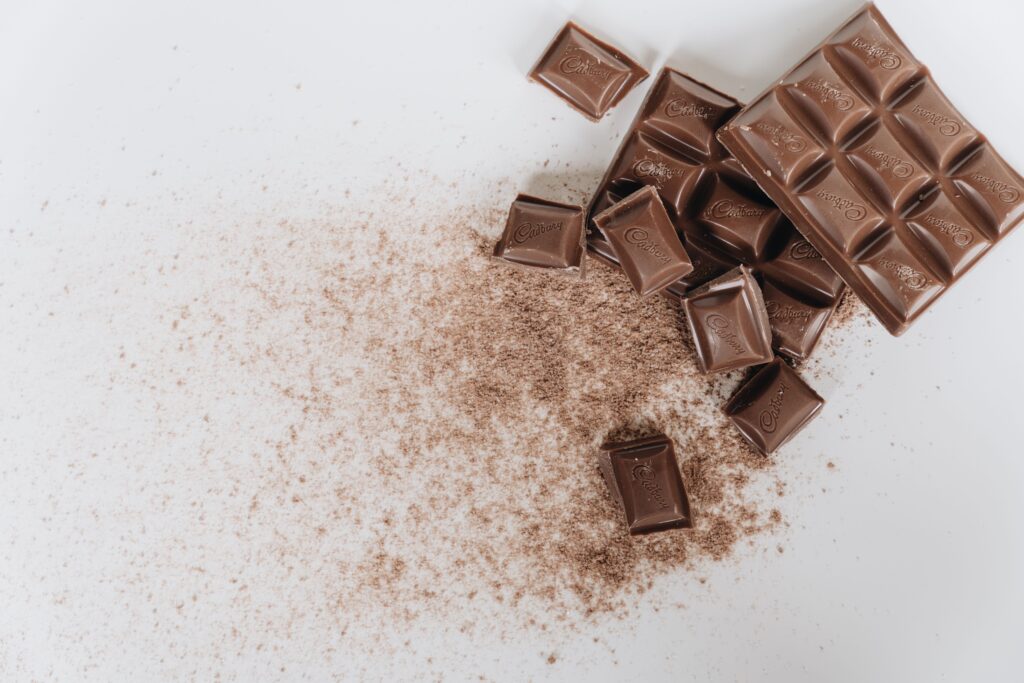
Unsweetened chocolate is pure chocolate with no added sugar. It is very bitter on its own and is not meant for casual snacking.
Unsweetened chocolate is usually 100% cacao. That means all the sweetness has to come from the recipe, not the chocolate itself. It is best for baking when you want full control over how sweet the final dessert becomes.
White Chocolate
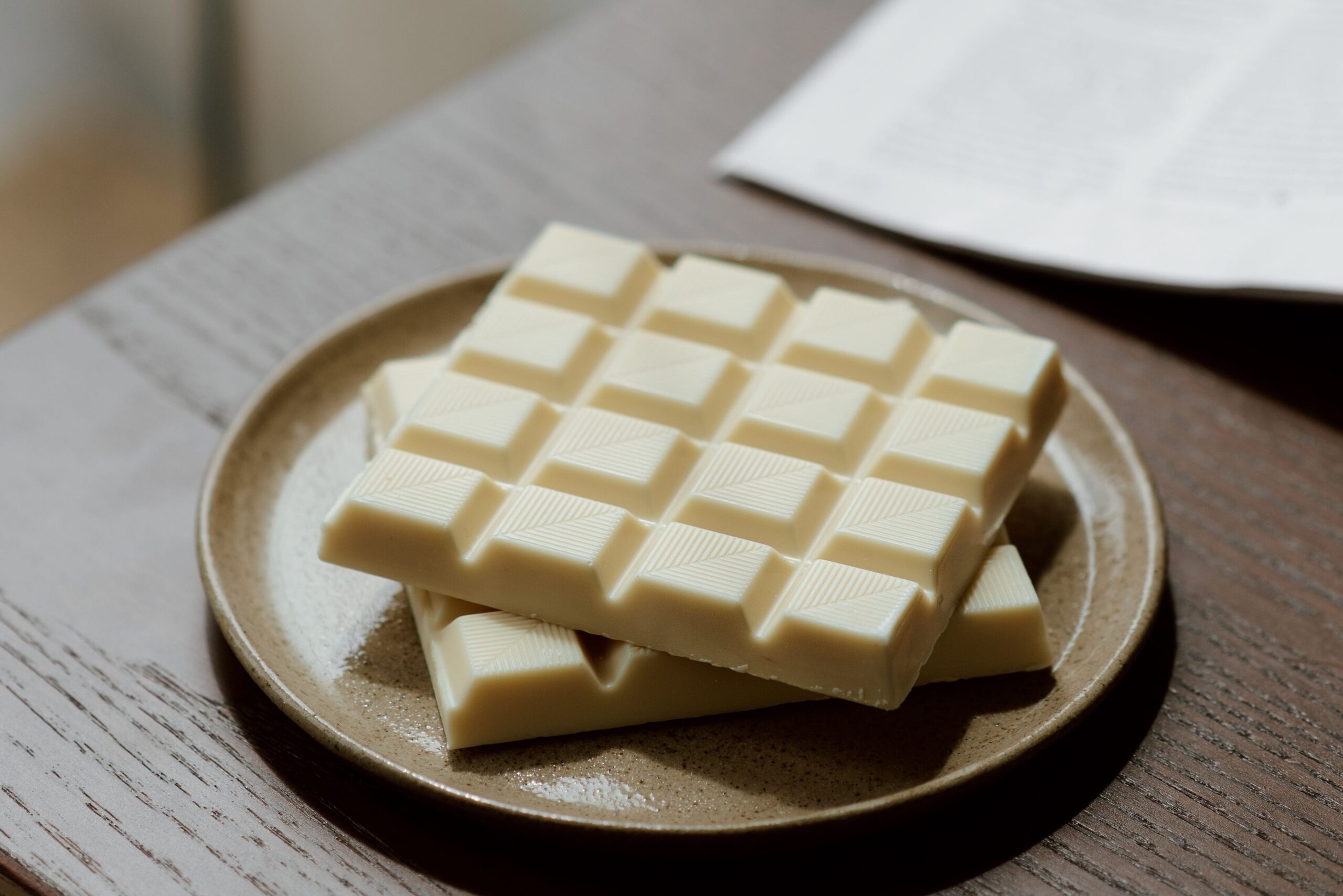
White chocolate is sweet, creamy, and buttery, but it does not contain cocoa solids. Instead, it is made with cocoa butter, sugar, milk solids, and often vanilla.
Good white chocolate usually contains at least 20% cocoa butter, though higher-quality versions may have more. Since it has 0% cocoa solids, it will not taste like dark or milk chocolate. Its flavor is more milky, sweet, and vanilla-like.
Ruby Chocolate
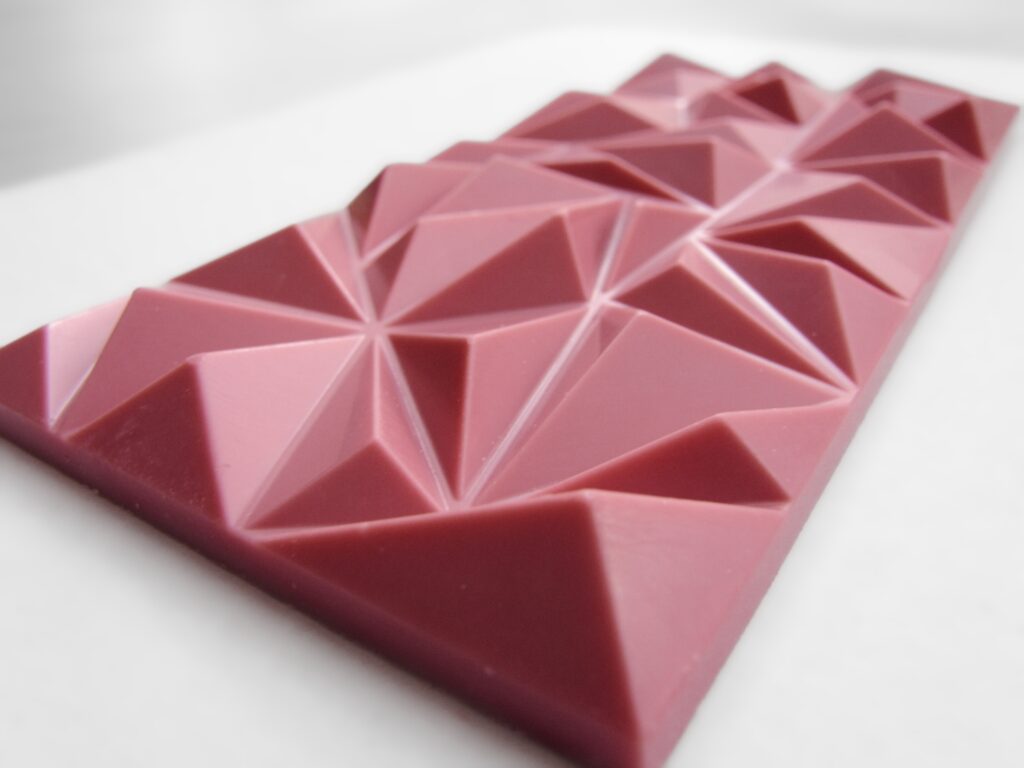
Ruby chocolate is known for its natural pink color and fruity, slightly tangy taste. It is made from specially processed ruby cacao beans and has a flavor that feels somewhere between white chocolate and berry-like sweetness.
Ruby chocolate is often around 30% to 47% cacao, depending on the product. It is not as intense as dark chocolate, but it has more personality than regular white chocolate because of its natural tartness and fruity finish.
Couverture Chocolate
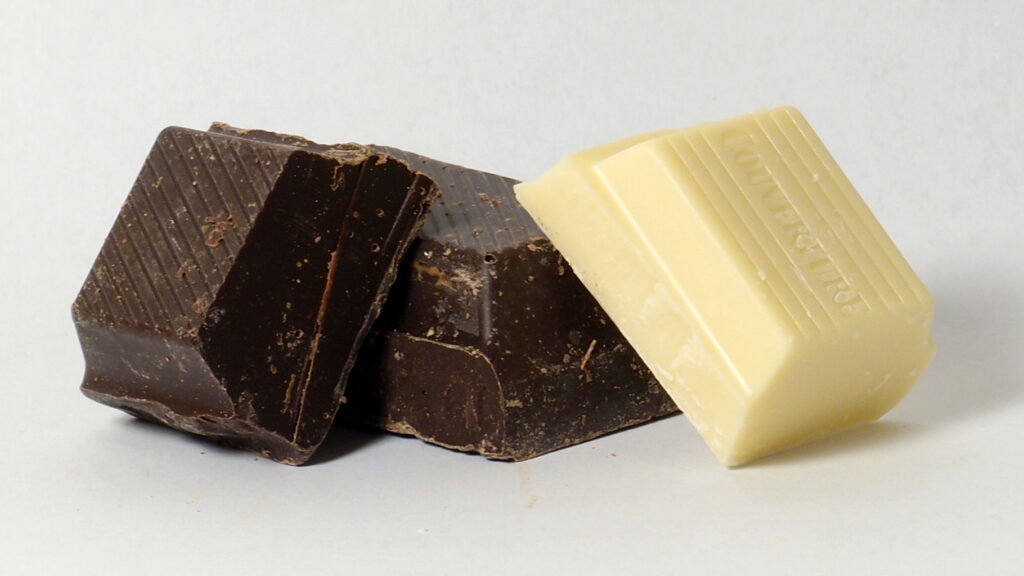
Couverture chocolate is high-quality chocolate made with extra cocoa butter. That extra cocoa butter helps it melt smoothly, coat evenly, and set with a glossy finish.
Couverture chocolate can be milk, dark, or white, so the percentage depends on the style. Dark couverture may be around 55% to 75% cacao, while milk couverture may be closer to 30% to 45%. The key difference is not just the cacao percentage, but the higher cocoa butter content that makes it ideal for dipping, molding, and professional-looking desserts.
Compound Chocolate
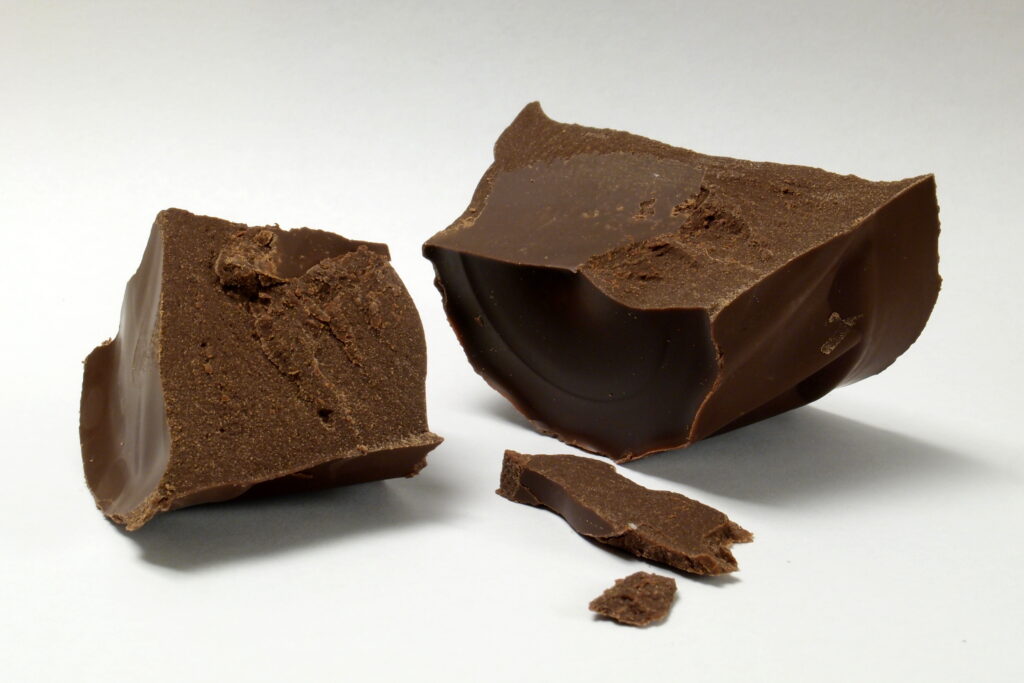
Compound chocolate looks like chocolate and melts easily, but it is usually made with cocoa powder and vegetable fats instead of cocoa butter. That makes it convenient, but the flavor is often less rich than real chocolate.
Compound chocolate does not always use cacao percentages in the same way real chocolate does. It may contain cocoa powder, but it usually has little or no cocoa butter. It is best for quick coatings, cake pops, pretzels, and decorations where easy melting matters more than deep chocolate flavor.
Baking Chocolate
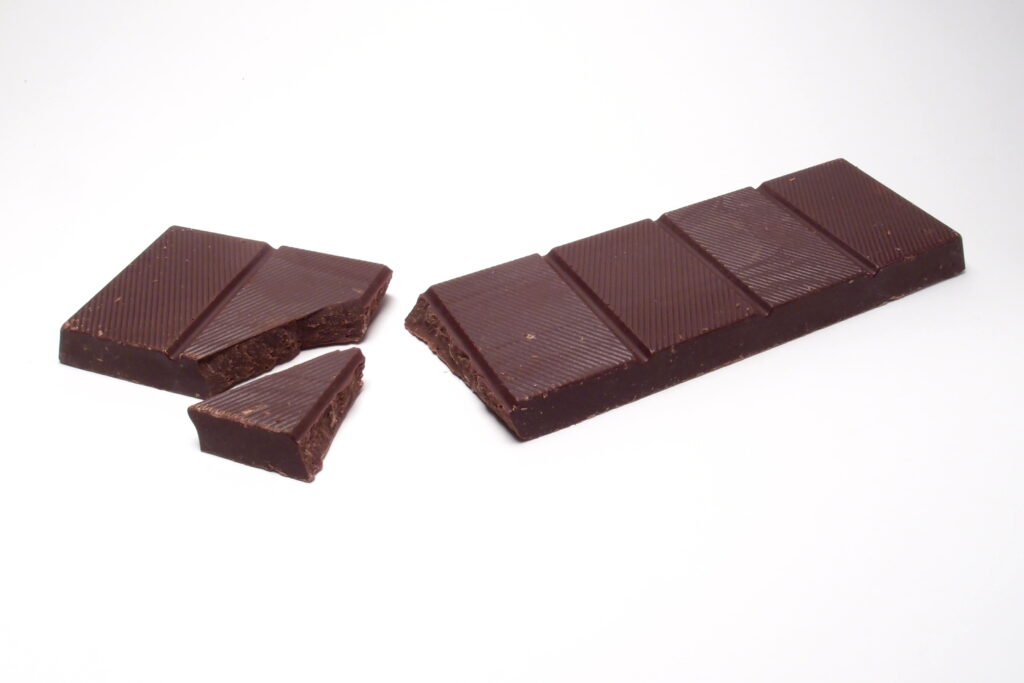
Baking chocolate is chocolate made specifically for recipes. It can be unsweetened, semi-sweet, bittersweet, or sweet, so checking the label matters.
The percentage can vary a lot. Unsweetened baking chocolate is usually 100% cacao, semi-sweet baking chocolate may be around 50% to 65%, and bittersweet baking chocolate may be around 65% to 80%. The best choice depends on how sweet and rich you want the recipe to taste.
Chocolate Chips
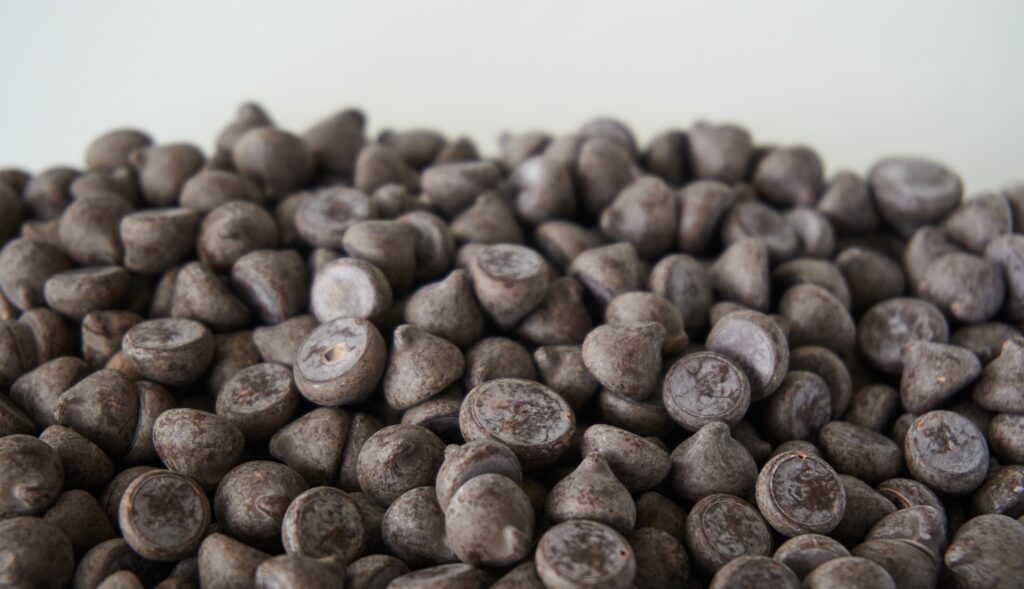
Chocolate chips are made to hold their shape when baked, which is why they do not melt as smoothly as chopped chocolate. They are perfect for cookies, muffins, pancakes, and brownies.
Semi-sweet chips are often around 45% to 60% cacao, while dark chocolate chips may be closer to 60% to 70%. Milk chocolate chips are usually lower in cacao and taste sweeter. For gooier results, chopped chocolate usually melts better than chips.
Chocolate Chunks
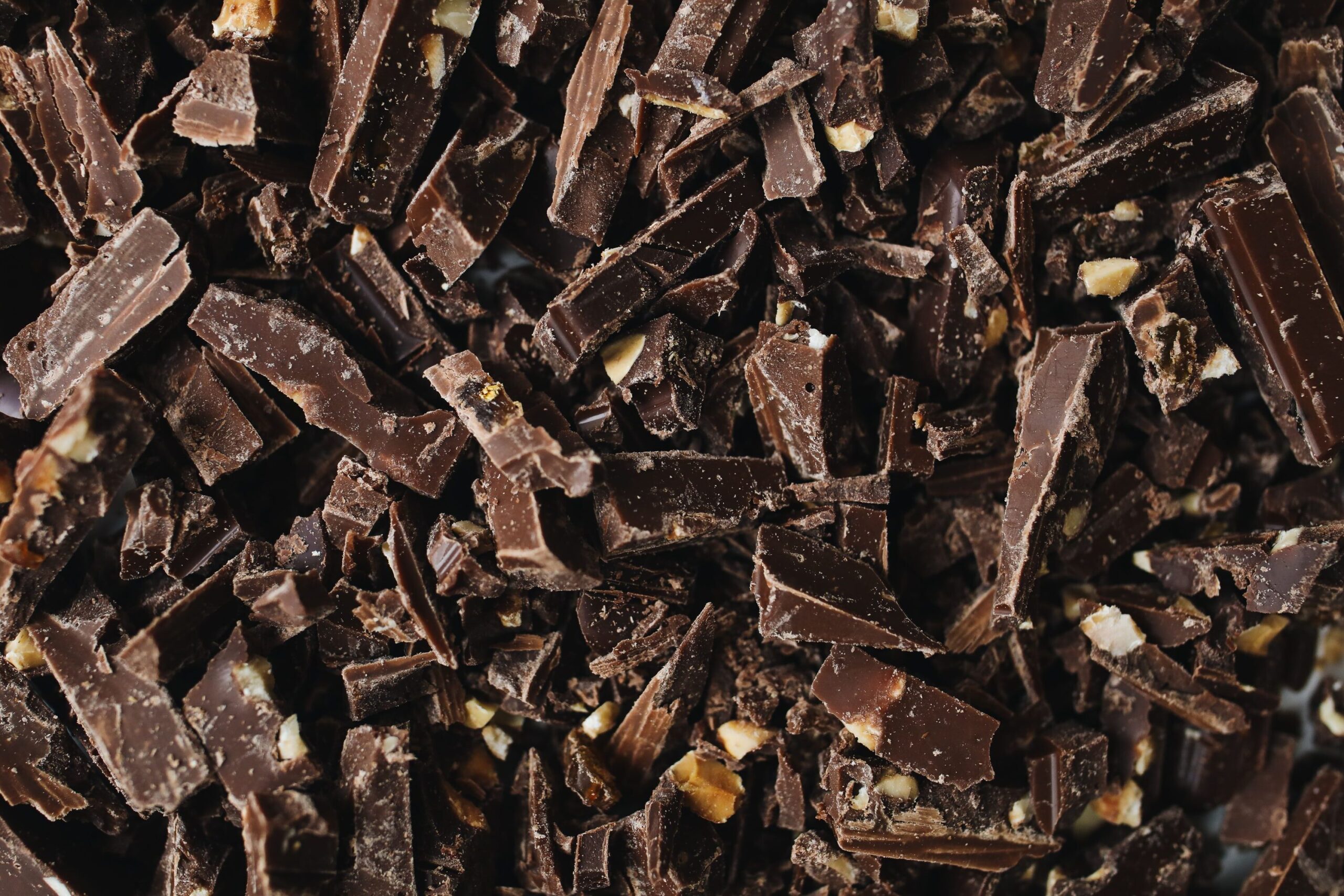
Chocolate chunks are larger pieces of chocolate that create bigger pockets of chocolate in baked goods. They feel more rustic and bakery-style than regular chocolate chips.
Chocolate chunks can be milk, semi-sweet, dark, or bittersweet. Semi-sweet chunks usually sit around 50% to 65% cacao, while dark chunks may go higher. The larger size makes the chocolate flavor feel stronger in each bite, even when the percentage is similar to regular chips.
Gianduja Chocolate
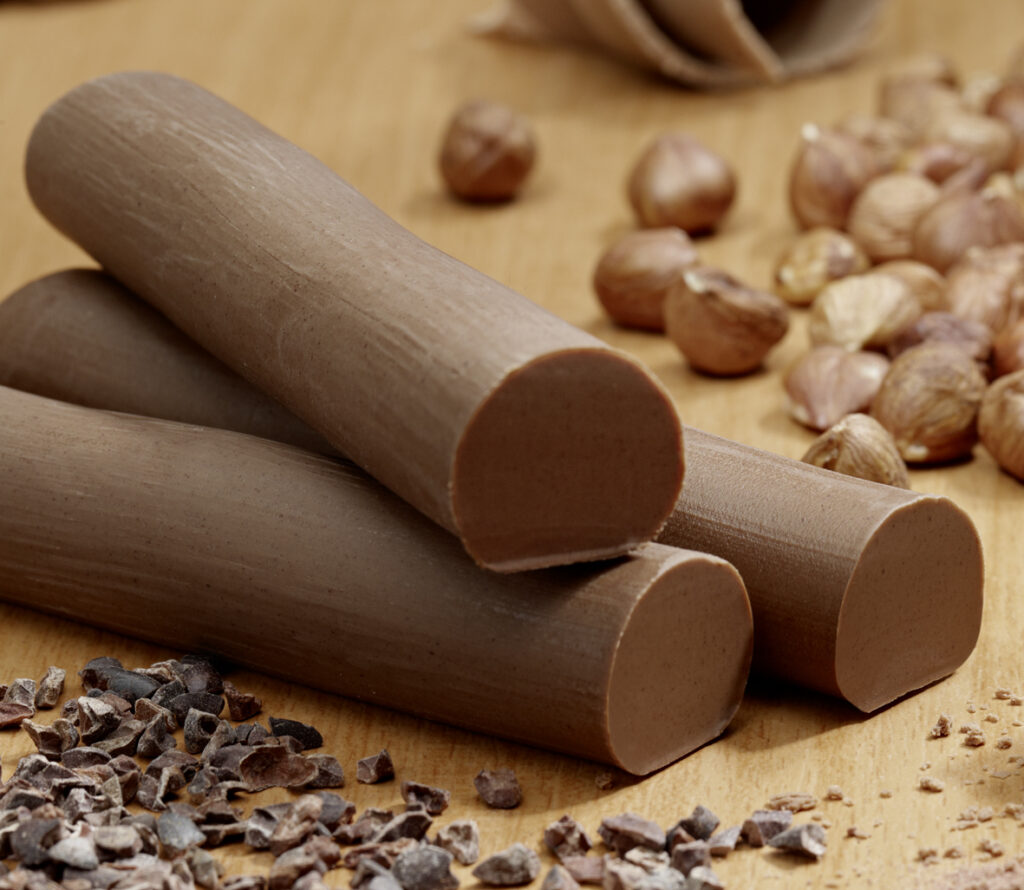
Gianduja is a smooth mix of chocolate and finely ground hazelnuts. It has a creamy texture and a nutty chocolate flavor that feels rich without being too sharp.
Gianduja percentages vary because it includes both chocolate and nut paste. Many versions contain around 20% to 40% cacao ingredients, along with a generous amount of hazelnut. The result is sweeter, softer, and nuttier than standard dark chocolate.
Modeling Chocolate
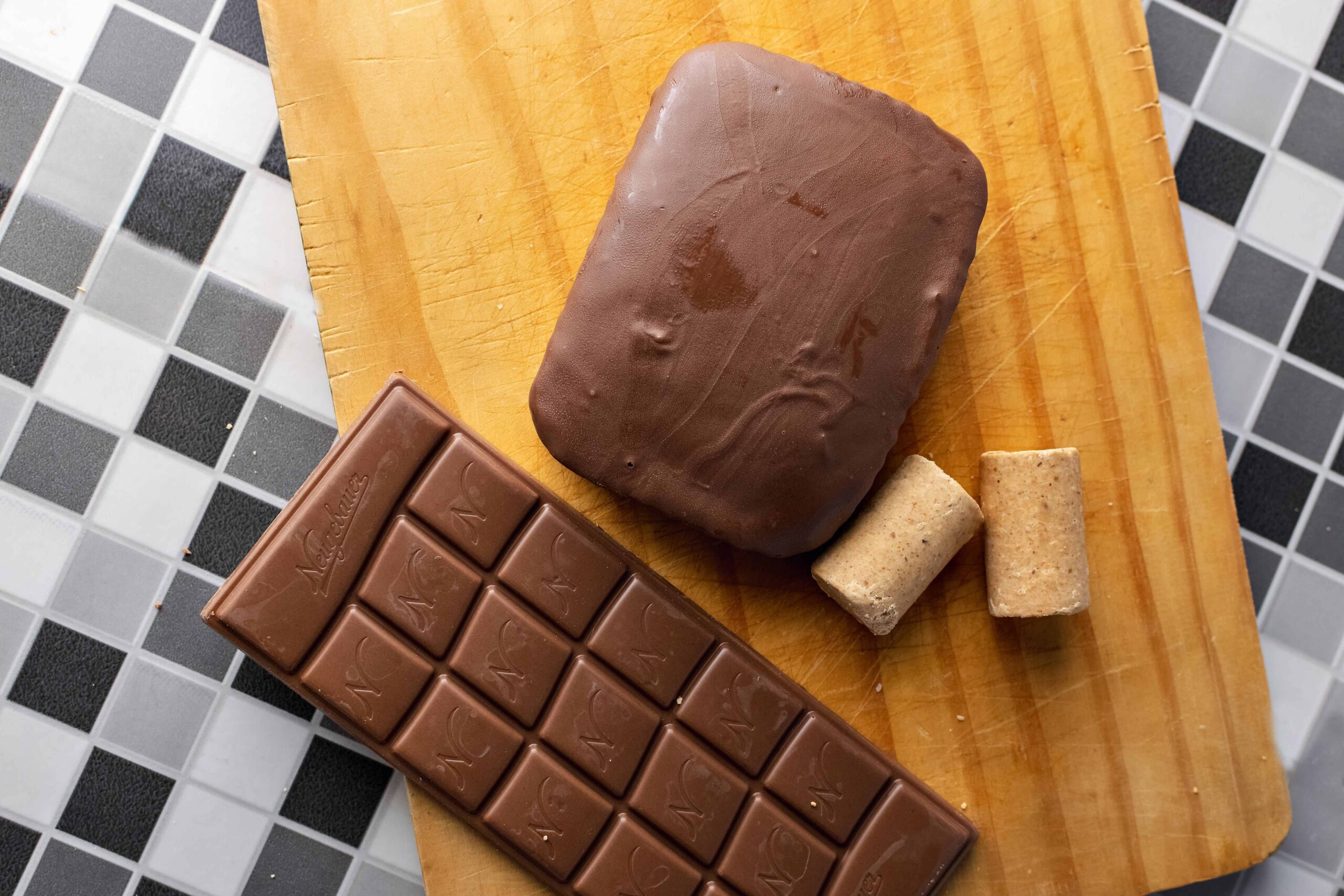
Modeling chocolate is made by mixing melted chocolate with corn syrup or glucose syrup until it becomes soft and moldable. It is mostly used for decorating cakes and desserts.
The cacao percentage depends on the chocolate used to make it. Dark modeling chocolate may use chocolate around 50% to 70% cacao, while white modeling chocolate has cocoa butter but no cocoa solids. The focus here is texture and flexibility more than intense chocolate flavor.
Raw Chocolate
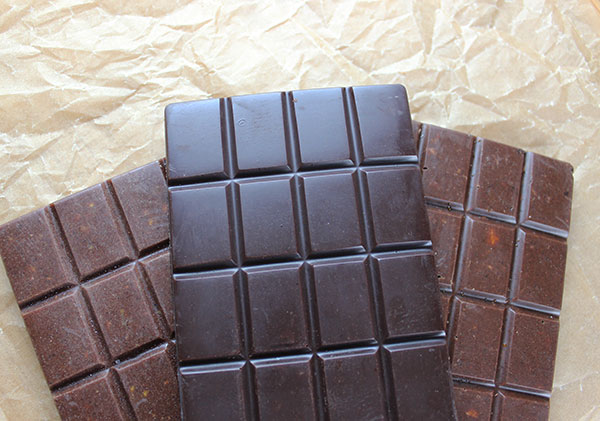
Raw chocolate is made with minimally processed cacao and is often marketed as a less heated or more natural form of chocolate. It usually has a bold, earthy flavor.
Raw chocolate often comes in higher cacao percentages, commonly around 70% to 100%. The higher the percentage, the more intense and less sweet it will taste. It is popular with people who like simple ingredients and strong cacao flavor.
Final Bite
The easiest way to understand chocolate is to look at the percentage. Lower percentages usually mean sweeter and creamier chocolate. Higher percentages usually mean darker, stronger, and less sweet chocolate.
For everyday snacking, milk chocolate, dark milk chocolate, and lower-percentage dark chocolate are easy choices. For baking, semi-sweet, bittersweet, and unsweetened chocolate give you more control. For fancy dipping and glossy finishes, couverture chocolate is the one to know.
Once you understand the percentages, choosing chocolate becomes much easier and a lot more fun.