


I have always been drawn to true stories where life could have gone one way, but somehow went another. Not the polished kind of luck where everything works out perfectly, but the strange, messy kind where one small detail changes everything. A different seat. A pocket of air. A piece of wreckage. A storm that should have ended a life but did not.
That is what makes these tales of good fortune so powerful. They are not fairy tales, and they are not made up to teach a lesson. Many of them come from frightening moments, accidents, disasters, and long stretches of fear. Calling them “good fortune” does not mean the whole story was happy. It means that somewhere inside the worst possible situation, a person was given one narrow chance to live.
These real tales are about people who survived when the odds were painfully small. Some became famous. Some wanted privacy. Some spent the rest of their lives carrying the weight of what happened. But each story has the same quiet question at the center: how did they make it through?
Violet Jessop: The Woman Who Survived Three Sea Disasters
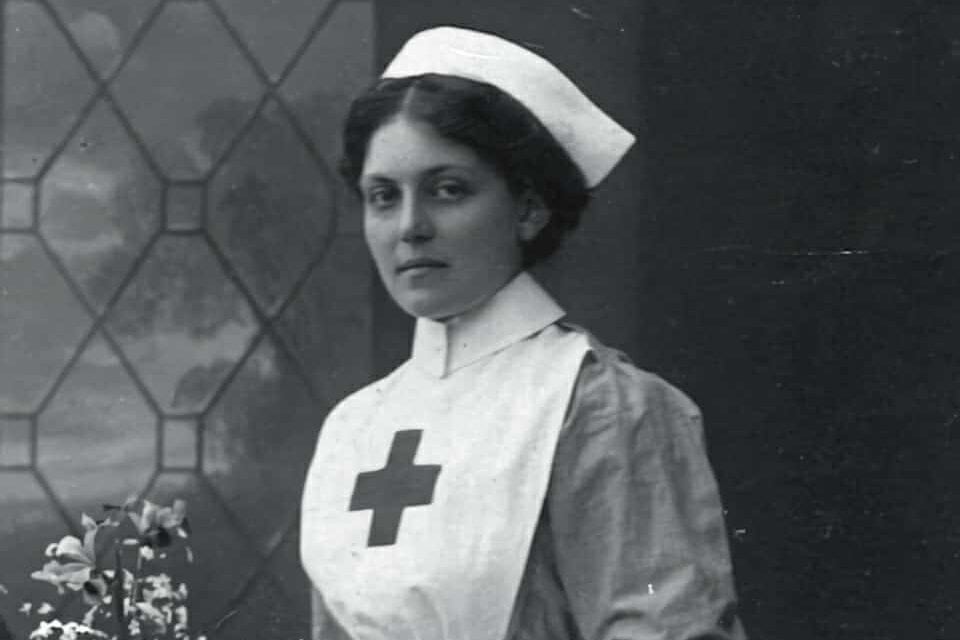
Violet Jessop’s life sounds like something a novelist would be accused of inventing. She worked at sea during the early 1900s, a time when ocean liners were symbols of glamour, progress, and danger all at once.
Her first close call came in 1911 when she was aboard the RMS Olympic. The ship collided with the British warship HMS Hawke. The Olympic was damaged, but it made it back to port. For most people, one frightening accident at sea would have been enough to choose a different life.
Violet kept working.
The next year, she was assigned to the RMS Titanic. On April 14, 1912, the Titanic hit an iceberg during its first voyage. Violet helped passengers during the chaos and eventually got into a lifeboat. According to accounts of her story, she was handed a baby to care for as the lifeboat was lowered. She survived the sinking and was rescued with other survivors by the Carpathia.
Then came the Britannic.
During World War I, Violet served as a nurse on HMHS Britannic, Titanic’s sister ship. In 1916, the Britannic struck a mine and began to sink. Violet escaped again, though not easily. Her lifeboat was pulled toward the ship’s propellers, and she had to jump into the water. She survived, but suffered a head injury.
What makes Violet Jessop’s story so unforgettable is not just that she survived one disaster. It is that she survived three connected maritime disasters and still lived a long life afterward. She became known as “Miss Unsinkable,” and honestly, it is hard to think of a better nickname.
Tsutomu Yamaguchi: The Man Who Survived Hiroshima and Nagasaki
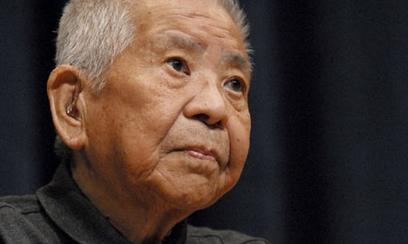
Some stories of good fortune are difficult to call lucky because they are surrounded by deep tragedy. Tsutomu Yamaguchi’s story is one of those.
In August 1945, Yamaguchi was in Hiroshima for work. He was an engineer from Nagasaki, and he was preparing to return home when the atomic bomb was dropped on Hiroshima on August 6. He was badly burned and injured, but he survived.
Many people would have stayed where they were. Yamaguchi somehow made his way back to Nagasaki. Wounded and exhausted, he returned to work and tried to explain what had happened in Hiroshima.
Then, on August 9, the second atomic bomb was dropped on Nagasaki.
Yamaguchi survived again.
He lived with the physical and emotional effects of both bombings, and later in life became a voice against nuclear weapons. The Japanese government eventually officially recognized him as a survivor of both Hiroshima and Nagasaki.
His story is not “good fortune” in a light or cheerful way. It is a story about survival in the middle of unimaginable destruction. But the fact that one person lived through both attacks, returned home, raised a family, and later spoke publicly about peace makes his life one of the most extraordinary survival stories ever recorded.
Juliane Koepcke: The Teenager Who Fell Into the Amazon and Walked Out

Juliane Koepcke was only 17 when she boarded a flight in Peru on Christmas Eve in 1971. She was traveling with her mother when their plane entered a violent storm. The aircraft was struck by lightning and broke apart over the Amazon rainforest.
Juliane fell from the sky while still strapped into her seat.
Somehow, she survived the fall. When she woke up, she was alone in the rainforest with injuries, including a broken collarbone and deep cuts. Her mother was gone. The plane was gone. There was no rescue team nearby.
What helped Juliane was something she already carried with her: knowledge of the jungle. Her parents were zoologists, and she had spent time around the rainforest. She knew that following water could lead to people, so she followed streams and kept moving.
For 11 days, she walked through the Amazon. She dealt with hunger, insects, wounds, fear, and exhaustion. Eventually, she found a small camp used by local workers. They helped her get medical care.
Juliane’s survival was a mix of chance, instinct, and quiet toughness. The fall itself should have killed her. The jungle could have finished what the crash did not. But she kept going, step by step, until the forest finally gave her a way out.
Poon Lim: The Man Who Survived 133 Days Alone at Sea
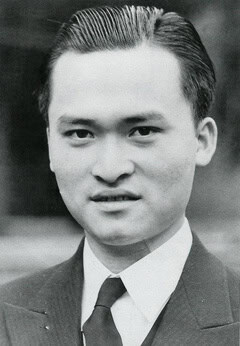
Poon Lim was working on the British merchant ship SS Benlomond during World War II when the ship was torpedoed in 1942. He ended up alone in the Atlantic Ocean on a small wooden life raft.
At first, he had a few supplies. But the sea does not care how carefully you ration. Food and water ran low, and Lim had to find ways to survive with almost nothing.
He caught fish. He collected rainwater. He used whatever he had on the raft to stay alive. Days became weeks. Weeks became months. He stopped thinking of rescue as something guaranteed and focused instead on staying alive one day at a time.
Ships and planes did not save him. The ocean kept carrying him.
After 133 days, Brazilian fishermen finally found him near the coast of Brazil. By then, he had survived longer alone on a life raft than almost anyone in recorded history.
What stands out in Poon Lim’s story is his calm resourcefulness. He did not survive because the situation became easy. He survived because he kept solving one problem after another. How to drink. How to eat. How to stay awake. How to wait.
That kind of fortune is not passive. It is luck meeting discipline.
Vesna Vulovic: The Flight Attendant Who Survived a Fall From the Sky

Vesna Vulovic was a Yugoslav flight attendant on JAT Flight 367 in 1972 when the plane broke apart in midair. Everyone else on board was killed.
Vesna survived.
Her survival became famous because of the height involved. She fell from around 33,000 feet and lived, later being recognized for surviving the highest fall without a parachute.
The details of how she survived have been discussed for decades. Reports suggest she was trapped in part of the aircraft wreckage, and the impact may have been softened by trees, snow, and the way the fuselage fell.
But even with every explanation, the story still feels almost impossible.
Vesna was badly injured. She had a fractured skull, broken bones, and serious damage to her body. Her recovery was long and painful, but she eventually walked again.
The strange detail that makes the story feel even more unreal is that she reportedly was not originally meant to be on that flight. A scheduling mix-up placed her there.
That is the part that stays with me. A mistake put her on the plane. A chain of impossible chances helped her survive it.
Ann Hodges: The Woman Hit by a Meteorite and Lived
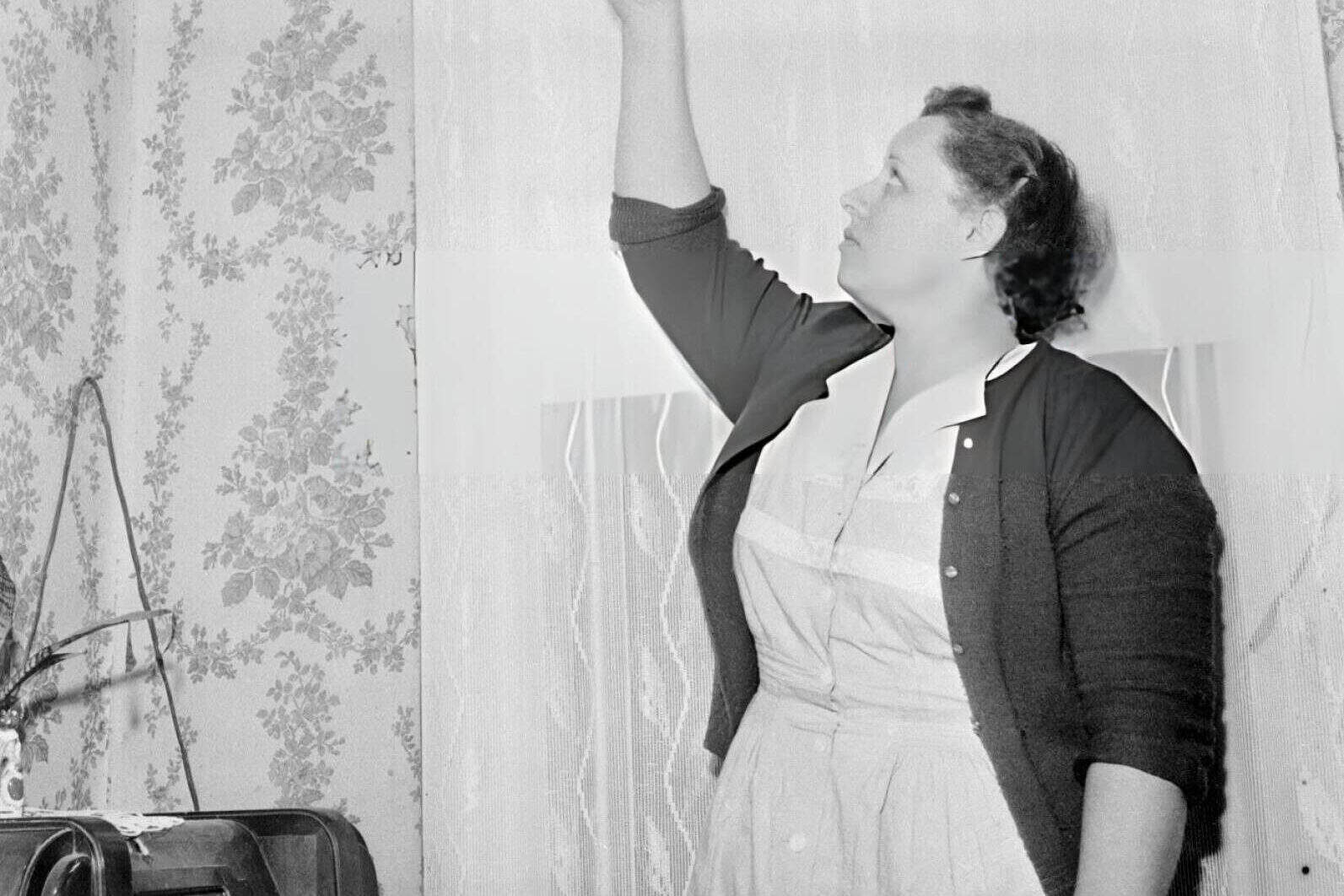
Ann Hodges was taking a nap in Alabama in 1954 when something came through the roof of her house.
It was a meteorite.
The rock crashed through the ceiling, bounced off a radio, and struck her on the hip. She was bruised, shocked, and suddenly famous.
It is hard to imagine a stranger kind of luck. Being hit by a meteorite is already rare. Being hit while inside your own home is even stranger. Surviving it makes the story almost unbelievable.
But Ann Hodges did survive.
The event brought reporters, public attention, legal arguments over who owned the meteorite, and a kind of fame she did not seem to enjoy. The meteorite eventually became a museum piece.
Her story is different from the others because it happened in an ordinary room, during an ordinary day. No ocean. No war. No plane crash. Just a woman resting at home when a piece of space found its way through her ceiling.
Sometimes good fortune looks heroic. Sometimes it looks like a bruise and a story nobody would believe if it were not recorded.
These stories remind us how thin the line can be between tragedy and survival. They also remind us that luck is not always clean or easy. Sometimes it arrives with scars. Sometimes it gives a person one small opening, and the rest depends on endurance.