
The moment a storm gets a name, people pay attention differently. “A tropical system is forming in the Atlantic” sounds distant. “Hurricane Arthur is gaining strength” suddenly feels like something you need to check.
That is the point of hurricane names. They make storms easier to follow, easier to talk about, and much easier to remember during a busy weather season. Here is the 2026 Atlantic hurricane names list, plus the quick, plain-English version of how the naming system works.
2026 Atlantic Hurricane Names
These are the Atlantic storm names for the 2026 hurricane season:
- Arthur
- Bertha
- Cristobal
- Dolly
- Edouard
- Fay
- Gonzalo
- Hanna
- Isaias
- Josephine
- Kyle
- Leah
- Marco
- Nana
- Omar
- Paulette
- Rene
- Sally
- Teddy
- Vicky
- Wilfred
Why Do Hurricanes Have Names?
Hurricanes have names because names are easier to remember than numbers, coordinates, or technical storm labels.
This matters most when several storms are active at the same time. A name helps weather reports stay clear and helps people follow the right storm. It is much easier to say, “Hanna is moving north,” than to explain a storm by its location every time.
For regular people checking updates, hurricane names also make warnings feel more immediate. A named storm is easier to track on TV, in apps, and in local alerts.
When Does a Storm Get a Name?
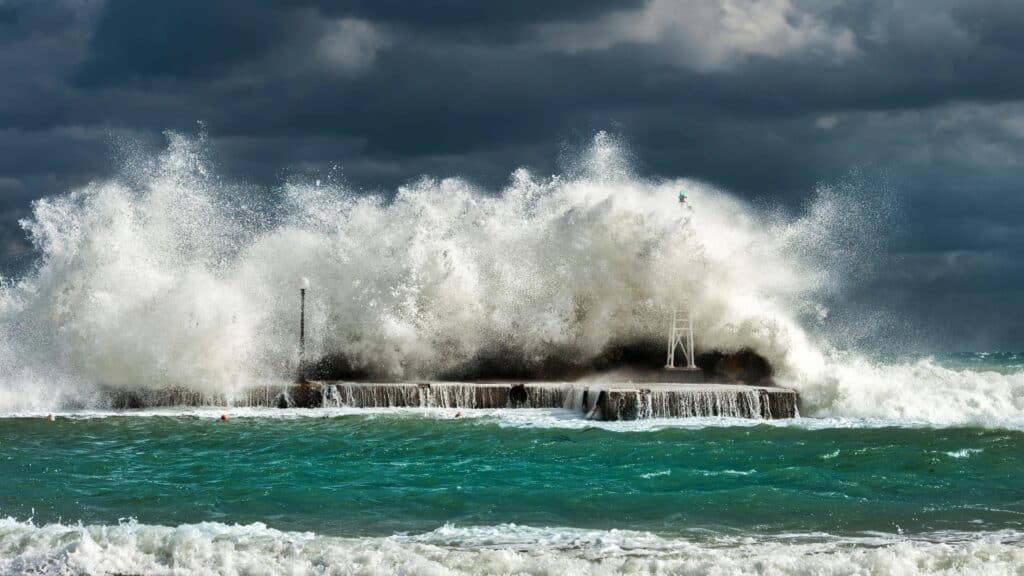
A storm gets a name when it becomes a tropical storm.
That means its sustained winds have reached 39 mph. Before that, it may be called a tropical depression, a disturbance, or a tropical system, depending on how organized it is.
Once sustained winds reach 74 mph, the storm becomes a hurricane.
So a name does not automatically mean a storm is already a hurricane. It means the system has become strong enough and organized enough to be named.
How Are Hurricane Names Picked?
Atlantic hurricane names come from a rotating list. The names are used in alphabetical order during the season, starting with A and moving down the list as new storms form.
The Atlantic list uses 21 names. It skips these letters:
- Q
- U
- X
- Y
- Z
Those letters are skipped because there are fewer short, familiar names that work well across the system.
The names are meant to be clear, easy to say, and easy to remember. That is more useful in an emergency than a name that is unusual but hard to pronounce.
Do Hurricane Names Get Reused?
Yes. Most hurricane names repeat every six years.
That means the 2026 Atlantic list is expected to come back again in 2032, unless one of the names is retired.
This is why some storm names may sound familiar. They are not chosen from scratch every season. They come from set lists that rotate.
Why Are Hurricane Names Retired?
A hurricane name can be retired if the storm caused major damage or loss of life.
This is partly about respect. It would feel wrong to reuse a name strongly connected with a devastating disaster. It also avoids confusion in future weather coverage.
When a name is retired, a new name replaces it on the list.
What Happens If There Are Too Many Storms?
The Atlantic list has 21 names. If a season has more than 21 named storms, extra names come from a backup list.
For years, the Greek alphabet was used when the regular list ran out. That changed because Greek-letter storm names created confusion during especially active seasons.
Now, there is a supplemental list ready if the regular names are all used.
Quick Facts About Hurricane Names
- Atlantic hurricane season runs from June 1 to November 30.
- A storm gets a name at 39 mph sustained winds.
- A storm becomes a hurricane at 74 mph sustained winds.
- The Atlantic list has 21 names.
- The letters Q, U, X, Y, and Z are skipped.
- Most names repeat every six years.
- Names can be retired after deadly or destructive storms.
- Extra storms use a supplemental name list.
Why Hurricane Names Matter
Hurricane names may seem small, but they help people act faster.
A name makes a storm easier to follow in forecasts, news updates, emergency alerts, and group chats with family. During hurricane season, that clarity matters.
If a named storm is forming near your area, do not wait until it becomes a hurricane to pay attention. Check your local forecast, review your supplies, and make sure everyone in your household knows the plan.