
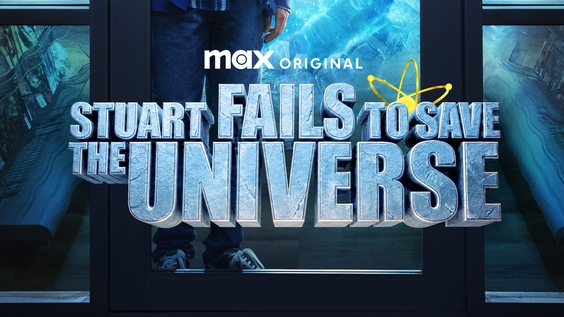
Releasing on HBO Max as the third spin-off to the famous sci-fi sitcom Big Bang Theory, many had high expectations from Stuart Fails to Save the Universe. But now the real question is, did it meet those expectations? Did it actually beat them? Or remind the audience they should have lowered them when they had the chance? Let’s find out.
What Even Is This Show?
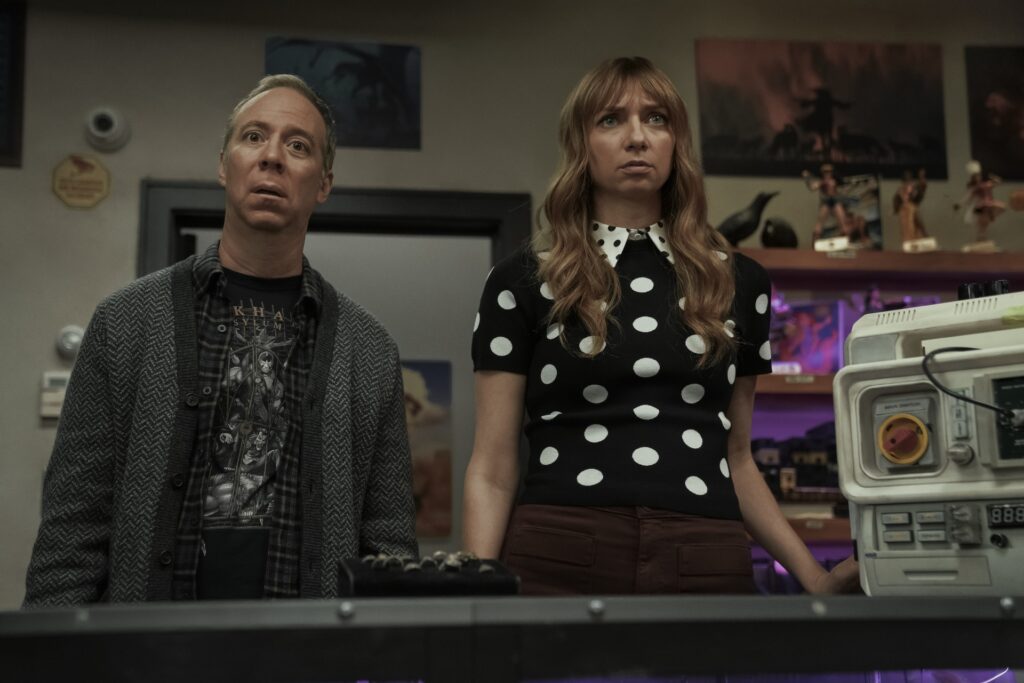
Kevin Sussman reprises his role as Stuart: the awkward, perpetually unlucky comic book store owner who was a supporting character for 12 seasons on the original Big Bang Theory. This time, he’s the lead.
The show premiered on HBO and HBO Max in 2026, and it’s already generating one of the most polarized critical responses of the year.
Unlike Young Sheldon (which was a prequel with a completely different tone) or the upcoming Georgie & Mandy’s First Marriage (which stays grounded in sitcom territory), this spinoff takes a wild swing into full sci-fi adventure, and that gamble is exactly what’s dividing audiences and critics alike.
Here’s the setup: Stuart comes into possession of a dimension-hopping device that could destroy all of reality. That’s the high-concept hook: a low-stakes character from a sitcom suddenly thrust into a multiverse-level crisis.
The show leans into sci-fi adventure, with Stuart bumbling through alternate dimensions, failing spectacularly, and trying not to break the universe entirely. So, the moral compass won’t disappoint you.
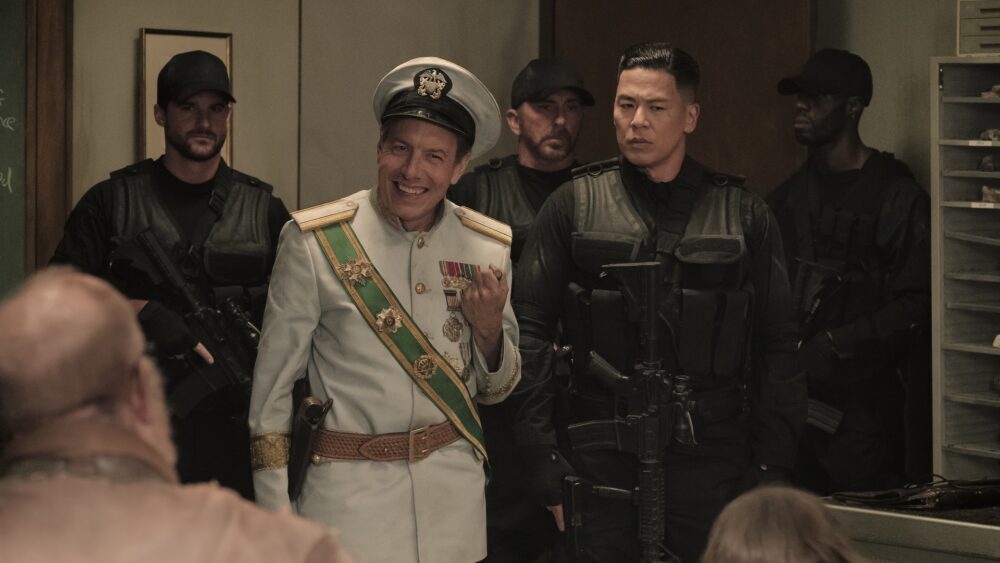
Along the way, he encounters alternate versions of familiar faces from the original series, which gives longtime fans a steady stream of cameo-driven nostalgia amid the chaos, another brownie points for this part.
But the biggest spoiler is in the title itself: he doesn’t exactly succeed.
Format: Short, Sweet, and Elfman-Scored
One of the most enjoyable things about the show is its format.
Episodes run as short as 15 minutes, making it a breezy, almost snackable watch. The theme song was composed by Danny Elfman, which gives it an instant sense of scale and whimsy.
The credits sequence features constantly changing title cards, a cute detail rewarding repeat viewing.
It’s clearly designed to be a quick, fun commitment rather than an epic binge. That short runtime also means the show never overstays its welcome; even if a particular dimension-hopping adventure doesn’t land for you, another one is only a quarter-hour away. What more could a devoted sitcom lover want?

The Critical Divide: THR Hated It, Variety Loved It
Seems like the reviews are split right down the middle.
The Hollywood Reporter‘s Angie Han was brutal, calling the show “sour” and saying it “isn’t a dimension worth visiting.” On the other end, Variety‘s Alison Herman called it “a playful, creative romp.” That’s about as wide a gap as you can get between two major outlets.
The disagreement isn’t about small details: it’s about whether the show fundamentally works at all. Han seems to find the premise tired and the humor forced, while Herman sees a show that’s having fun with its own absurdity and invites the audience to do the same.
Now, that’s them, but what about the others?
Where Other Critics Landed
The rest of the critical landscape is just as divided.
The Seattle Times called it “apocalyptically bad” noting it “never finds one that’s actually worth saving.” TechRadar went the opposite direction, saying it’s “better than The Big Bang Theory” and “smarter than we’ve given it credit for.” The A.V. Club landed somewhere in the middle, noting that the show “has a lot of the strengths of its predecessors” but will “irritate anyone who can’t stand The Big Bang Theory.” (That’s why it’s called a spin-off.)
Some common ground: if you already disliked the original franchise, this won’t change your mind. If you were a fan, there’s a good chance you’ll enjoy it.
So Should You Watch It?
If you’re a Big Bang Theory fan who always wished Stuart got more screen time, this is tailor-made for you. Kevin Sussman carries the show with the same awkward charm he brought to the original, and the 15-minute episodes make it an easy add to your rotation.
Just don’t expect Stuart to save anything, the title warns you upfront. And honestly? That might be the point. A show about a guy who keeps failing, but keeps trying anyway, might be exactly the kind of low-stakes comfort watch we need right now.
For now, that’s it for Stuart Fails to Save the Universe, but we will return when there’s another Big Bang Theory spin-off in the pipeline.
The question that still lingers: Would you watch the show?