



- HUMOR
The 73 Very Best Father’s Day Puns

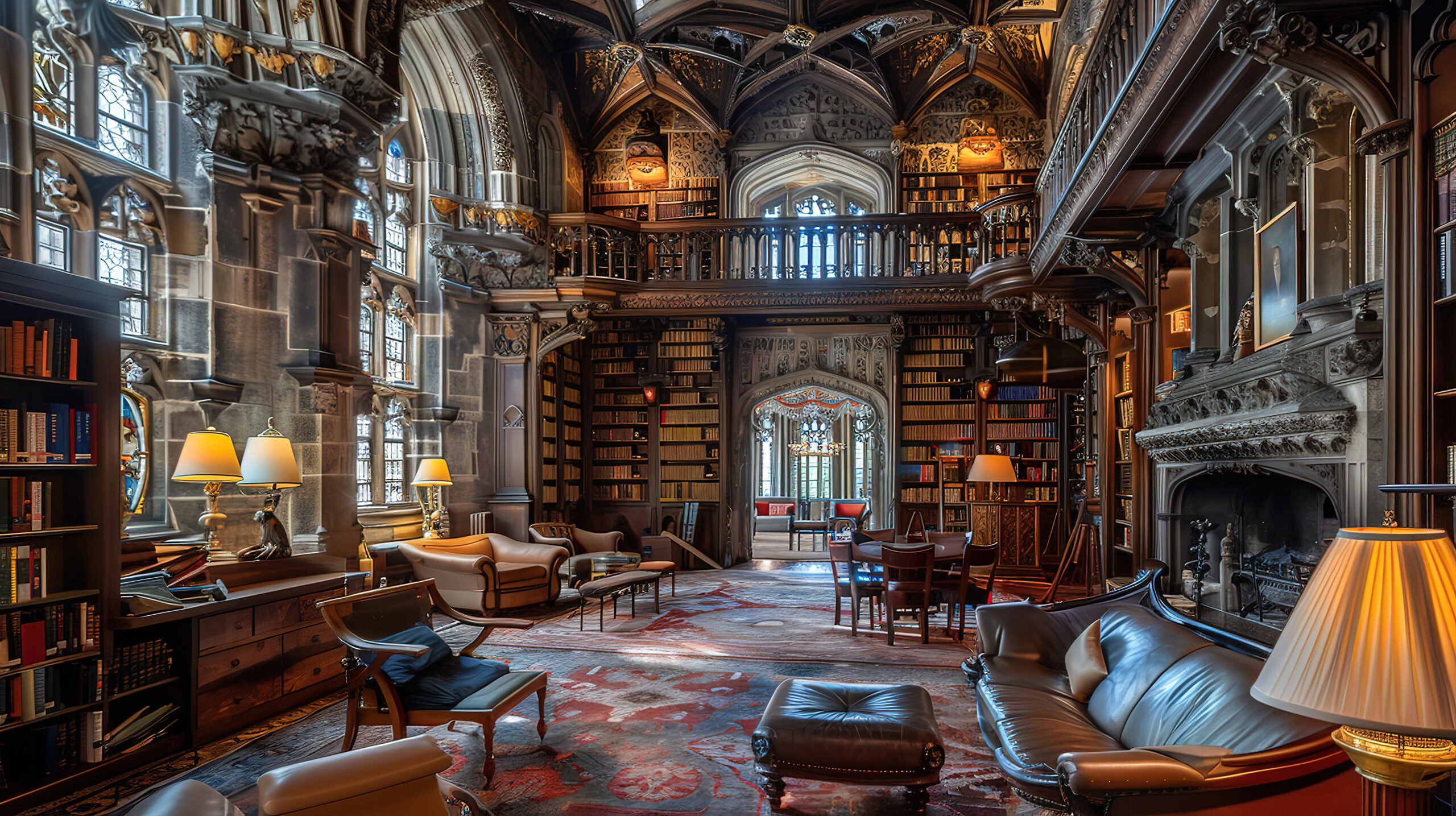
Libraries in films are more than just rooms filled with books. They often symbolize knowledge, mystery, power, refuge, or transformation. From grand historical halls to secret magical archives, famous libraries in movies have become unforgettable cinematic spaces that elevate storytelling and atmosphere.
This article explores 10 famous libraries in movies, highlighting how these spaces contribute to plot, character development, and visual impact. These libraries are remembered not only for their beauty, but also for the meaning they carry within their stories.
In films, libraries often represent access to truth, hidden knowledge, or inner change. They slow the pace of action, invite reflection, and visually communicate intellect and depth. Whether quiet and sacred or mysterious and dangerous, libraries frequently become turning points in cinematic narratives.

One of the most iconic fictional libraries in cinema, the Hogwarts Library is a place of spells, secrets, and forbidden knowledge. With towering shelves and restricted sections, it represents the power and danger of learning in the wizarding world. Many crucial discoveries in the series begin within its walls.
Portrayed as a symbol of ancient wisdom, this legendary library represents humanity’s pursuit of knowledge. In the film, its destruction reflects the loss of scientific thought and intellectual freedom, making the library a tragic centerpiece rather than a mere backdrop.
This library is one of the most memorable opening locations in the film. The quiet reading room contrasts sharply with the supernatural disturbance, establishing the film’s mix of humor and horror. The library becomes a place where the ordinary collides with the paranormal.
Depicted as a heavily guarded archive of religious and historical secrets, the Vatican Library adds tension and intrigue. It reinforces themes of faith versus science and knowledge versus power, serving as a visual symbol of guarded truth.
Although briefly shown, this stunning real world library appears as a place of elegance and timelessness. Its ornate architecture reflects the film’s themes of immortality, romance, and hidden histories.
This dark, labyrinth like library is central to the film’s mystery. Knowledge here is dangerous, controlled, and deadly. The library becomes a symbol of censorship and fear, showing how information can be weaponized.
A futuristic interpretation of a library, the Jedi Archives store galactic knowledge and history. Their sleek, ordered design reflects the Jedi belief in control and certainty, making their blind spots more thematically powerful.
Used as a visual inspiration for scholarly and magical spaces, this library emphasizes authority, learning, and tradition. Its imposing presence reinforces the idea that knowledge shapes destiny and power.
This library is a turning point in the story. Gifted to Belle, it symbolizes emotional connection, respect for intellect, and personal growth. The space transforms the Beast from a monster into a compassionate figure.
In a world where books are rare and dangerous, the idea of a library becomes sacred. Knowledge is survival, power, and hope. The film turns the concept of a library into a symbol of humanity’s last moral anchor.
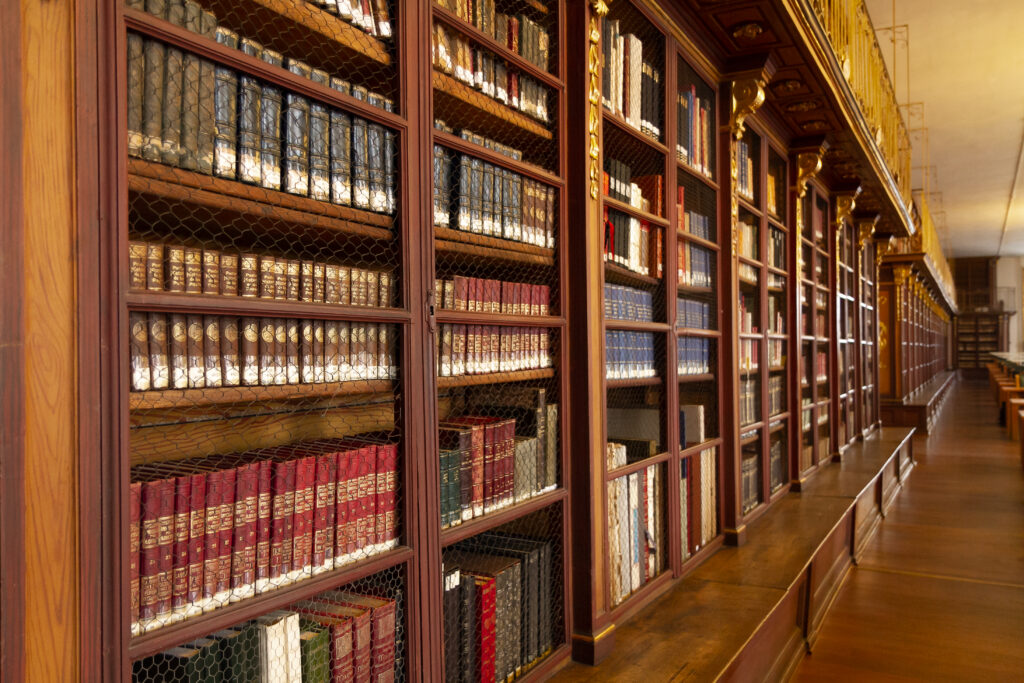
These cinematic libraries stand out because they are tied closely to theme and character. They are not decorative settings, but narrative devices that reflect control, curiosity, rebellion, faith, or transformation. Their architecture, lighting, and silence often heighten emotional and intellectual tension.
Famous libraries in movies remind us that knowledge itself can be dramatic. Whether magical, sacred, forbidden, or endangered, these spaces reflect humanity’s relationship with learning and truth. Long after the films end, these libraries remain etched in memory as places where stories truly begin.