
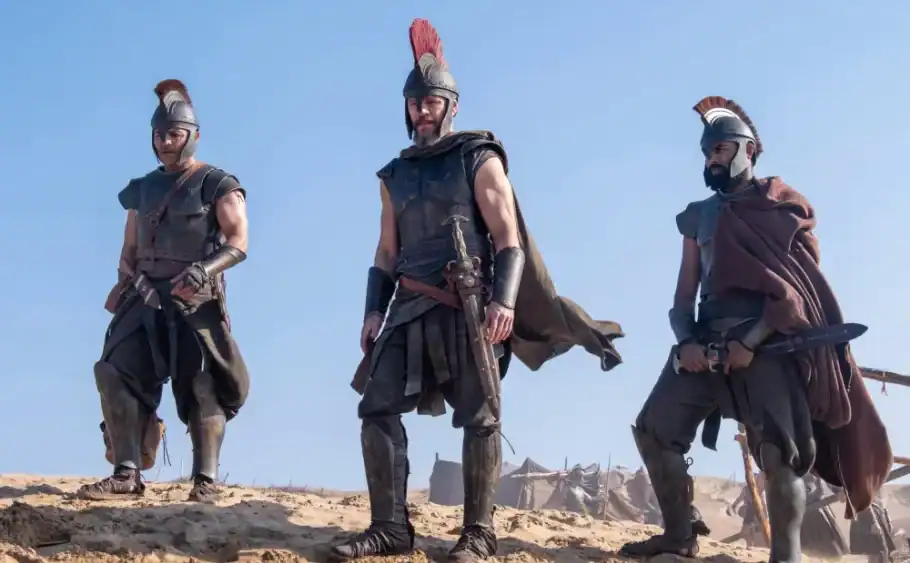
Christopher Nolan is one of the few directors in Hollywood whose name can still turn a film into a global event. After the commercial and cultural impact of Oppenheimer, expectations were always going to be heavy. But instead of choosing a safer follow-up, Nolan has moved into one of literature’s oldest and most difficult stories: The Odyssey.
The film is based on Homer’s ancient Greek epic and follows Odysseus, the king of Ithaca, as he struggles to return home after the Trojan War. Universal describes the film as a “mythic action epic” shot across the world with new IMAX film technology, and confirms that it will open in theaters on July 17, 2026.
What Is The Odyssey About?
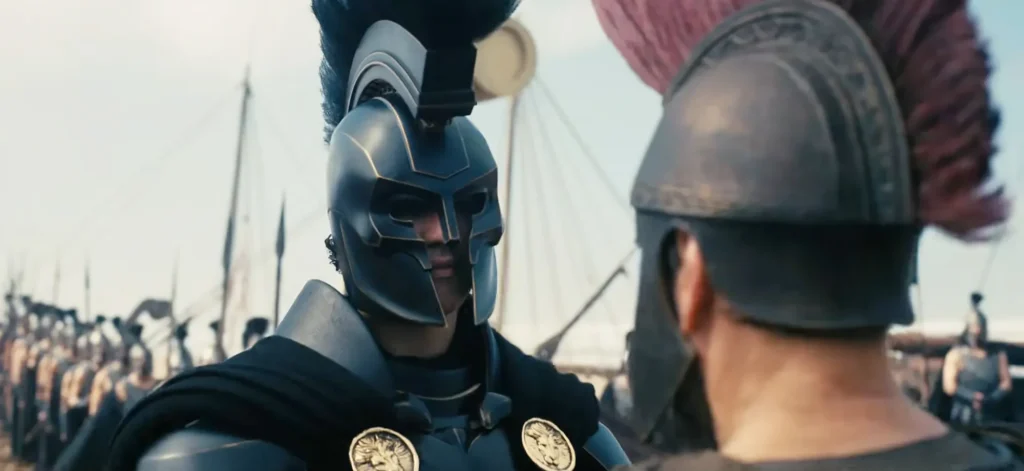
At its core, The Odyssey is a story about a man trying to get home. But that simple idea carries a lot of emotional weight. Odysseus is not just delayed by bad weather or distance. His journey is filled with mythical creatures, divine punishment, temptation, violence, and the psychological aftershock of war.
The story includes encounters with figures like the Cyclops Polyphemus, the Sirens, Circe, and Calypso, while Odysseus’ wife Penelope waits in Ithaca and his son Telemachus grows up in the shadow of an absent father. IMDb’s plot summary also frames the film around Odysseus’ dangerous voyage back to Ithaca after the Trojan War.
That is what makes this material interesting for Nolan. His best films usually take a large concept and hide a human crisis inside it. With The Odyssey, the real question may not only be whether Odysseus reaches home. It may be whether a man shaped by war, pride, survival, and loss can ever truly return to the person he used to be.
The Trailer Made The Hype Feel Real
The trailer is a major reason the conversation around The Odyssey has intensified. The first full trailer was released online in December 2025, following a six-minute IMAX sequence shown in theaters. The Guardian reported that the trailer showed Matt Damon’s Odysseus, Anne Hathaway’s Penelope, and Tom Holland’s Telemachus, while leaning into the physical and emotional struggle of the journey home.
The reaction was not quiet. Business Insider reported that the trailer reached 121.4 million views in 24 hours, which shows how much interest there is beyond normal film circles.
The trailer did not explain everything, and that worked in its favor. It sold scale, mystery, danger, and exhaustion. It made the film feel less like a school-text adaptation and more like a survival epic with mythological pressure behind every frame.
The Cast Is A Major Selling Point
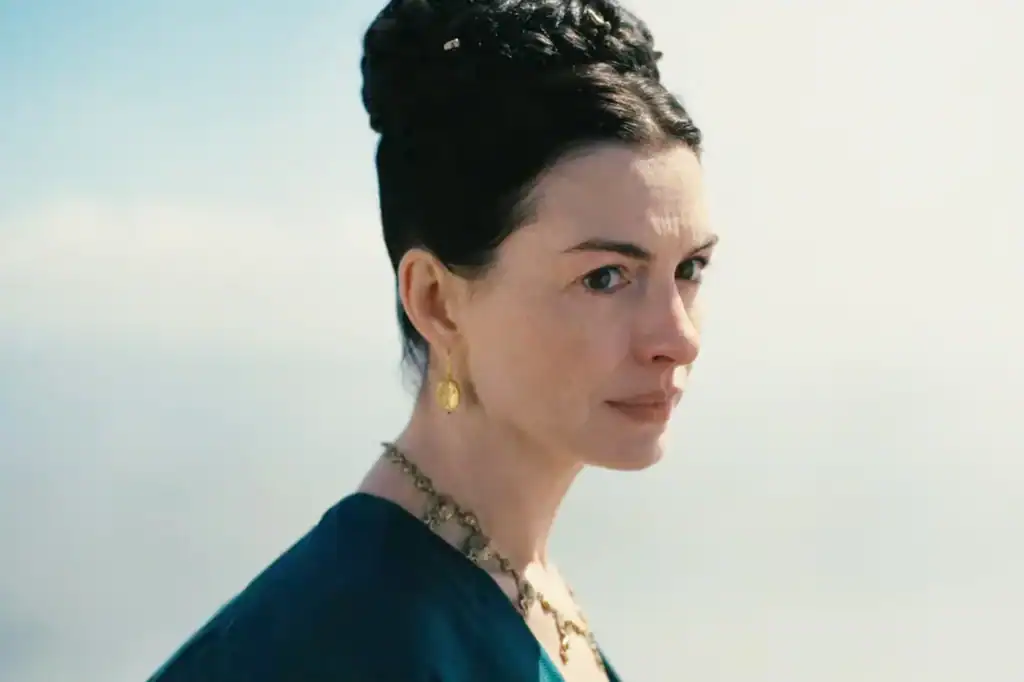
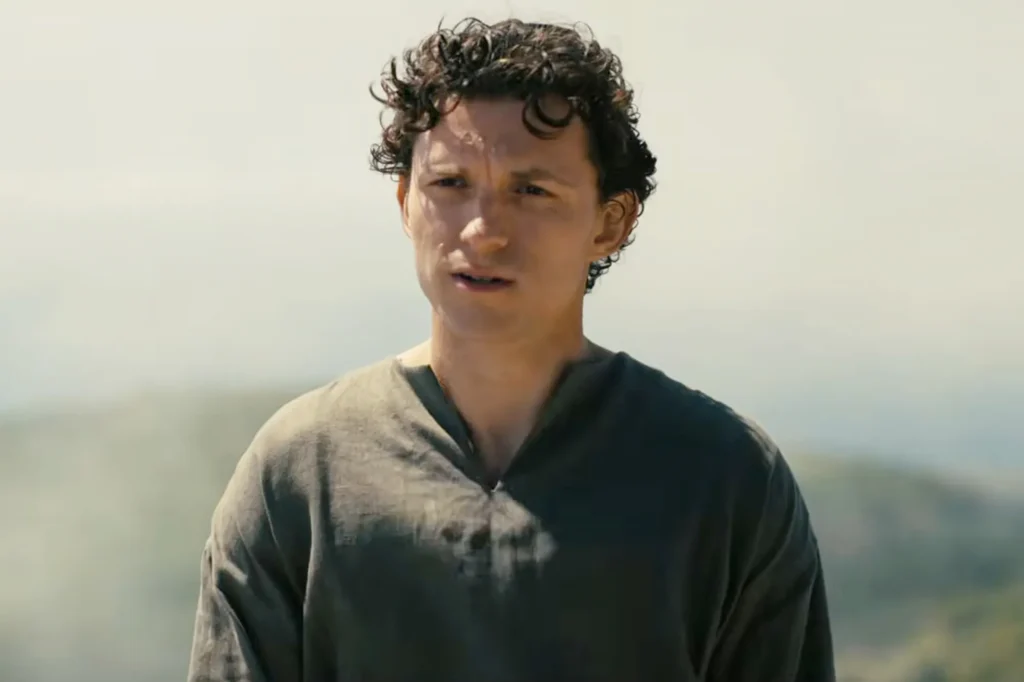
Matt Damon leads the film as Odysseus, with Anne Hathaway as Penelope and Tom Holland as Telemachus. Entertainment Weekly reports that Zendaya plays Athena, Robert Pattinson plays Antinous, Lupita Nyong’o portrays Helen of Troy and Clytemnestra, Charlize Theron plays Calypso, and Benny Safdie plays Agamemnon. The cast also includes Jon Bernthal, John Leguizamo, Samantha Morton, Mia Goth, Himesh Patel, Travis Scott, and Elliot Page.
That kind of cast does two things. It brings star power, but it also signals that Universal and Nolan are treating this as a major theatrical project, not just another prestige drama.
Why The IMAX Factor Matters
Nolan has long been one of IMAX’s strongest champions, but The Odyssey pushes that relationship further. GamesRadar reported that this is the first movie shot entirely in full-frame IMAX, and Nolan said his dream of making a full IMAX film goes back to seeing the format as a teenager in 1986.
That matters because The Odyssey depends on scale. Oceans, ships, war, gods, monsters, and loneliness all need space to breathe. A story this old can feel distant if handled too neatly. Nolan’s approach seems focused on making it feel physical, heavy, and immediate.
The Risk Is Just As Big As The Hype
The film is reportedly Nolan’s most expensive project yet, with The Guardian citing a $250 million budget and noting that it was shot without relying on green screen.
That is a serious gamble. This is not a superhero sequel, a franchise reboot, or an easy nostalgia play. It is a classical epic asking modern audiences to care about myth, patience, scale, and emotional endurance.
My honest view?
The Odyssey feels like the kind of risk Hollywood needs right now. It has the cast, the scale, the director, and the source material to become a true cinema event. But it also has pressure. If it works, Nolan could make mythological epics feel urgent again. If it does not, people will call it too expensive, too serious, or too old-fashioned.
Either way, this is not a film people will ignore. It is already creating debate, demand, and curiosity months before release.
So the real question is: can Christopher Nolan turn a centuries-old Greek myth into 2026’s most important big-screen obsession?