

- ACTIVITIES
150 Never Have I Ever Questions for Kids
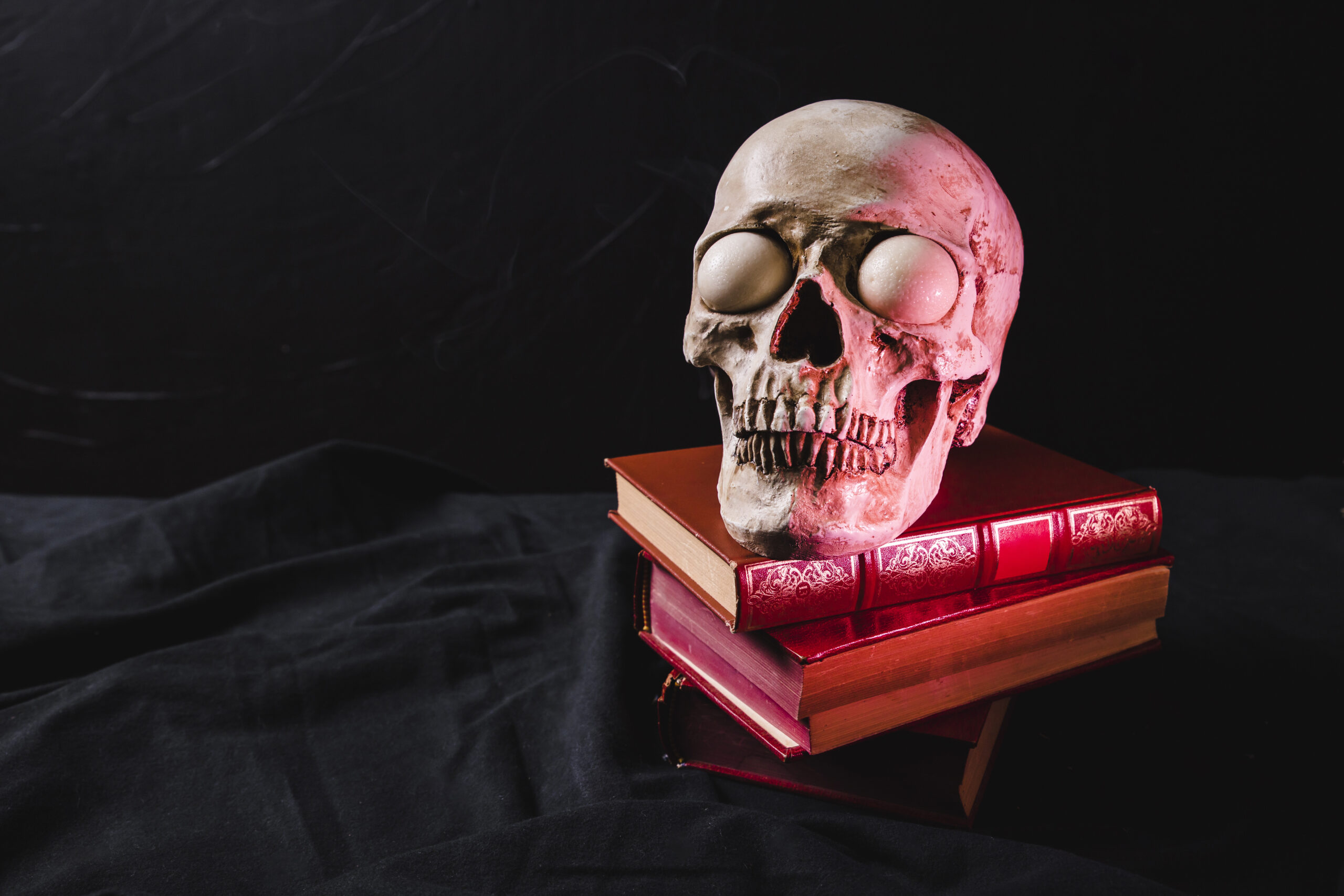
Literary horror is not just about fear, monsters, or shock value. It is a genre that uses horror as a lens to explore psychology, morality, society, and the darker corners of the human mind. The best literary horror books linger long after reading because they unsettle readers emotionally and intellectually, not just through scares but through ideas, atmosphere, and meaning. These 10 of the best literary horror books, are chosen for their artistic merit, psychological depth, and lasting influence. Each book blends fear with strong prose, symbolism, and serious themes, making them essential reading for anyone interested in horror as literature.
Literary horror focuses less on action and more on mood, character, and psychological tension. These books often examine guilt, madness, social decay, repression, and existential dread. The horror emerges slowly, often through implication rather than explicit violence.

Often considered the first true work of literary horror, this novel explores creation, responsibility, and isolation. Beneath its Gothic atmosphere lies a deeply philosophical meditation on science, ambition, and the consequences of playing god. The monster is terrifying not because of his appearance, but because of his emotional suffering and rejection.

This Gothic classic uses letters, diaries, and newspaper entries to build an atmosphere of slow creeping dread. Beyond vampirism, the novel explores themes of sexuality, invasion, and fear of the unknown. Its layered narrative and symbolic depth make it a cornerstone of literary horror.

A masterclass in psychological horror, this novel blurs the line between supernatural terror and mental breakdown. The house itself feels alive, reflecting the inner fears and loneliness of its characters. Jackson’s restrained prose and ambiguity make the horror deeply unsettling rather than overt.

This haunting novella is famous for its ambiguity. Is the governess protecting the children from ghosts, or descending into madness? The horror lies in uncertainty, unreliable narration, and repressed emotions, making it one of the most debated works in literary horror.

Blending horror with philosophical reflection, this novel examines vanity, corruption, and moral decay. The supernatural element serves as a metaphor for inner rot and unchecked desire. Wilde’s elegant prose contrasts sharply with the disturbing transformation at the heart of the story.

Though often classified as post apocalyptic fiction, this novel is deeply rooted in existential horror. The terror comes from desolation, moral collapse, and the fragility of human goodness. Sparse language and bleak imagery create an atmosphere of constant dread and emotional exhaustion.

This novel uses ghostly horror to confront the traumatic legacy of slavery. The supernatural presence represents memory, guilt, and unresolved suffering. Morrison blends psychological horror with historical realism, creating a deeply disturbing yet profoundly humane work.

An experimental and deeply unsettling novel, this book uses fragmented structure and unreliable narration to evoke fear. The horror is both spatial and psychological, as a house becomes impossibly larger inside than outside. The reading experience itself becomes disorienting, reinforcing the theme of madness.

This quiet, eerie novel explores isolation, paranoia, and social hostility. The horror comes from within the household rather than from an external threat. Jackson’s portrayal of alienation and disturbed family dynamics is subtle yet deeply disturbing.

While often associated with popular horror, this novel stands out for its psychological depth. The haunted hotel becomes a symbol of addiction, violence, and inherited trauma. King’s exploration of a family’s slow mental breakdown elevates the novel into the realm of literary horror.
Literary horror lasts because it reflects real fears. Fear of isolation, loss of identity, moral failure, and psychological collapse. These books disturb not through spectacle but through recognition, forcing readers to confront uncomfortable truths about human nature and society.
The best literary horror books prove that fear can be intelligent, poetic, and deeply meaningful. These novels do not simply scare. They provoke thought, challenge morality, and leave emotional scars that linger long after the final page. For readers seeking horror with depth and lasting impact, these books represent the genre at its finest.