

The Children of Blood and Bone Movie Has a Major Problem Before Release, and It Isn’t the Cast Some movies run into trouble after opening weekend.The Children of Blood and Bone adaptation is facing difficult questions months before audiences have even seen a single frame.
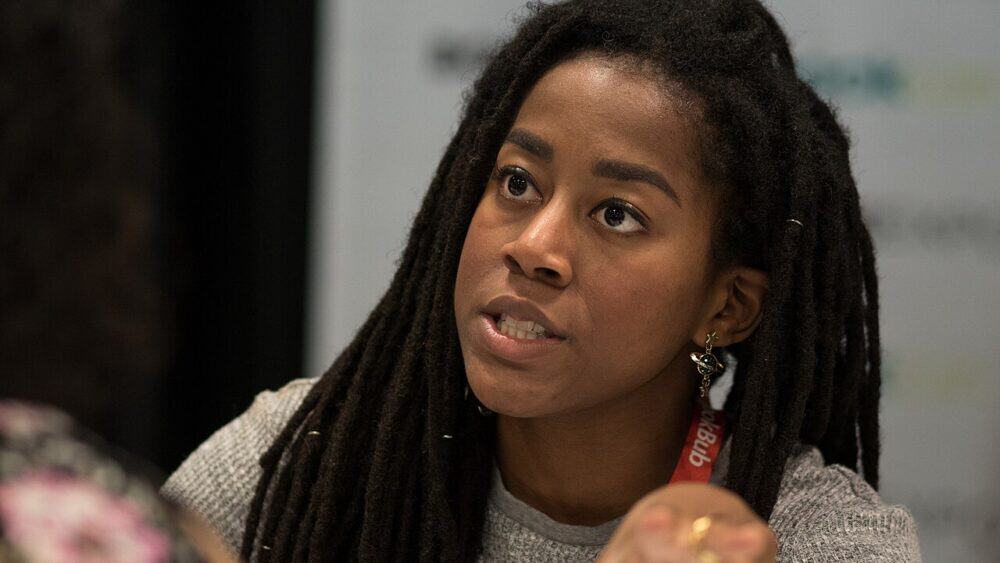
The reason isn’t a delayed release or a casting controversy. It’s the woman who created Orïsha. Author Tomi Adeyemi has publicly distanced herself from the film, saying she’s “officially separating” from the project and has no plans to watch it. That one statement has changed how many fans are looking at one of Hollywood’s biggest upcoming fantasy movies.
This Was Never Just Another Fantasy Adaptation
When Children of Blood and Bone arrived in 2018, it immediately stood out in a crowded fantasy market.
The novel follows Zélie as she fights to restore magic after it is violently stripped from the kingdom of Orïsha. But readers stayed for more than the adventure.
Beneath the magic was a story about grief, identity, oppression, resilience, and the cost of survival. Drawing from African history and mythology, the novel gave fantasy fans something Hollywood had rarely delivered: a Black heroine leading an expansive fantasy world without compromise.
That emotional connection is exactly why expectations for the movie have always been unusually high.
A Cast That Should Have Inspired Confidence
On paper, the adaptation has everything fans could ask for.
Directed by Gina Prince-Bythewood, Children of Blood and Bone is scheduled to hit theaters on January 15, 2027.
Thuso Mbedu stars as Zélie alongside Amandla Stenberg, Tosin Cole, and Damson Idris. The supporting cast is equally impressive, featuring Viola Davis, Idris Elba, Regina King, Cynthia Erivo, Lashana Lynch, and Chiwetel Ejiofor.
It’s the kind of ensemble that instantly raises expectations. Yet Adeyemi’s comments have shifted attention away from the cast and toward what happened behind the scenes.
Why Tomi Adeyemi Chose to Step Away
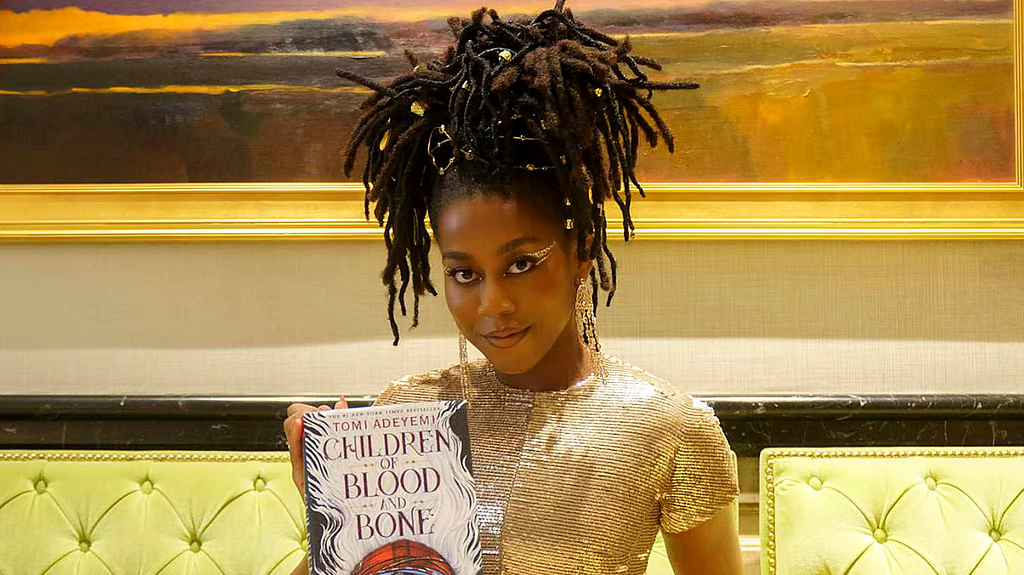
Adeyemi recently shared that working on the adaptation became emotionally difficult, leading her to separate herself from the project. She also revealed that she hasn’t seen the completed film and doesn’t intend to watch it.
Public conversations surrounding the adaptation have included discussions about casting, representation, and reported creative tensions. While many of those details remain part of public reporting and online discussion, Adeyemi’s decision to walk away is the clearest indication of how she feels about the finished project.
The Real Concern Goes Beyond Behind-the-Scenes Drama
Book adaptations change all the time. Scenes disappear. Characters evolve. Entire storylines are rewritten to fit a movie’s runtime. Fans usually expect those changes.
What feels different here is that the creator herself no longer wants to be associated with the adaptation.
That naturally raises bigger questions about whether the film still captures the emotional core that made the novel resonate with millions of readers.
Can the Movie Still Deliver the Magic of Orïsha?
The answer won’t come until audiences finally see the film.
A talented director and one of the strongest ensemble casts in recent fantasy cinema still give Children of Blood and Bone every opportunity to succeed. Zélie’s journey could still connect with longtime readers and newcomers alike.
But Adeyemi’s decision has undeniably changed the conversation.
Instead of simply asking whether the movie can live up to a bestselling fantasy novel, many fans are now asking something far more personal.
Can an adaptation truly preserve the heart of a story when its creator has already chosen to walk away?