
Streamer University 2026 Is Back, But the Biggest Competition Isn’t Getting In. It’s Getting Noticed. Thousands of creators will fill out the same application. Most will upload a short video. Only a handful will make it through.
That alone explains why Streamer University 2026 has become one of the internet’s most talked-about creator opportunities. For aspiring streamers, this isn’t just another online application. It’s a chance to put their name in front of one of the biggest personalities in live streaming.
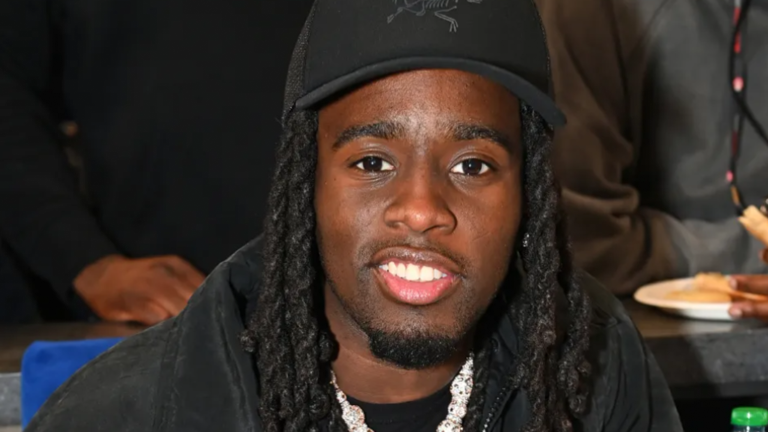
With Kai Cenat reopening applications and teasing the Class of 2026, the project is once again drawing attention across social media. The reveal is scheduled for July 6 at 8 PM EST, but long before the class is announced, thousands of hopeful creators are already trying to answer one question: What makes someone impossible to scroll past?
Why Streamer University Feels Bigger Than a Creator Event

At first glance, Streamer University looks like internet entertainment with a college theme.
It’s Built Around More Than Viral Moments
The project brings together aspiring creators, established streamers, and collaborative challenges in a campus-style setting. Reports indicate participants can learn through workshops, networking opportunities, and content categories such as gaming, IRL, and Just Chatting.
But the appeal runs deeper than cameras and collaborations.
Streaming has evolved into one of the internet’s most competitive careers. Growing an audience now takes consistency, personality, creativity, and the ability to keep viewers engaged every second. Streamer University turns those real-world challenges into an environment where creators can learn directly from people who’ve already built successful communities.
The Application Says More Than You Think
Getting into Streamer University isn’t about submitting the longest resume.
One Short Video Has to Tell Your Story
Applications are available through the official website, where people can apply as students, professors, or club directors.
Students are developing creators looking to grow their audience. Professors are experienced creators willing to teach their specialty, while club directors help organize activities that shape the campus experience.
Every applicant must also share at least one social media account and record a short introduction explaining who they are, the content they create, and why they deserve a place in the class.
It sounds straightforward, but for many applicants, those few minutes on camera carry months or even years of effort.
Kai Cenat Understands the Pressure Because He’s Lived It

The idea works largely because it comes from someone who knows exactly how unpredictable streaming can be.
Experience Gives the Project Credibility
Kai Cenat didn’t build his audience overnight. Like countless creators, he learned how quickly viewers move on if content fails to grab attention.
That perspective makes Streamer University feel less like a publicity event and more like a creator workshop designed by someone who understands the realities of livestreaming. Instead of talking about creator culture from the outside, he’s inviting new talent into the world that helped build his own career.
Why Young Creators Keep Showing Up
The internet has made publishing content easier than ever.
Getting people to keep watching is the hard part.
For many young creators, streaming no longer feels like an unrealistic dream. It’s a career path that rewards originality, consistency, and community building. Some hope to earn a living. Others simply want proof that their late nights editing videos and streaming to small audiences can lead somewhere bigger.
That’s why Streamer University 2026 matters beyond the headlines.
It offers something algorithms rarely promise: a real opportunity to be seen. And for creators still waiting for their breakthrough, that opportunity may be the most valuable part of the entire experience.