
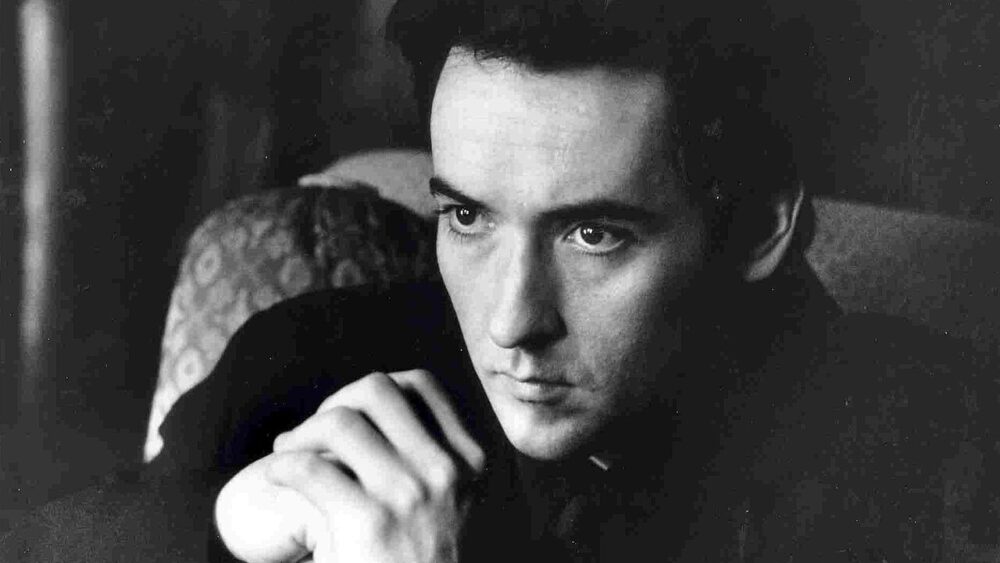
Everything feels a little algorithm-approved these days. Your playlists, your feed, your streaming queue, even the movies themselves, all quietly shaped by what tested well with a focus group somewhere. So when John Cusack stood up at San Diego Comic-Con 2026 and basically said “I got tired of that and made something nobody touched,” people listened.
He wasn’t there to promote a movie. He was there to promote a graphic novel. And in explaining why, he accidentally gave the clearest answer yet to a question fans have been asking for years: where did John Cusack go?
He Didn’t Disappear. He Just Stopped Playing the Game
If Say Anything…, High Fidelity, Being John Malkovich, or Serendipity raised you, you’ve felt his absence from the multiplex without quite naming it. He never stopped working, but the days of Cusack headlining big studio releases have quietly faded, and at 60, he’s finally explained why in his own words, in a round of interviews tied to the Comic-Con launch.
It wasn’t burnout. It wasn’t Hollywood freezing him out. Talking with Variety, he laid out the actual math of making a modern movie. You spend months convincing a room of executives and financiers to hand over tens of millions of dollars. The moment that check clears, the story stops being yours. It belongs to everyone who signed off on it, and their notes, and their focus group, and their algorithm.
He wanted out of that math. So he found a different equation.
Meet Momo: The Book That Started This Whole Conversation
Momo is a graphic novel Cusack co-created with Argentine illustrator Ignacio Noé, and it’s genuinely a strange, wonderful pitch. Set in 1972, it follows two fugitives chasing an ancient artifact, with TV legend Jackie Gleason somehow tangled up in the middle of it. Science fiction, political satire, and a scrappy road trip, all in one book.
Try walking into a studio with that logline. The room goes quiet fast, which is exactly why he didn’t bother trying.
Cusack has always seen graphic novels as the medium closest to filmmaking without needing a camera or a call sheet. Every page is a shot you’re composing in your head. So this wasn’t really a reinvention. It was him picking up a tool that had been sitting right next to acting the whole time.
The part that actually matters here isn’t the plot. It’s the process. Nobody rewrote his pages. Nobody softened the art to test better with an audience. Two people made exactly the book they wanted to make, and nobody else got a vote.
Wait, Is He Done With Acting Then?
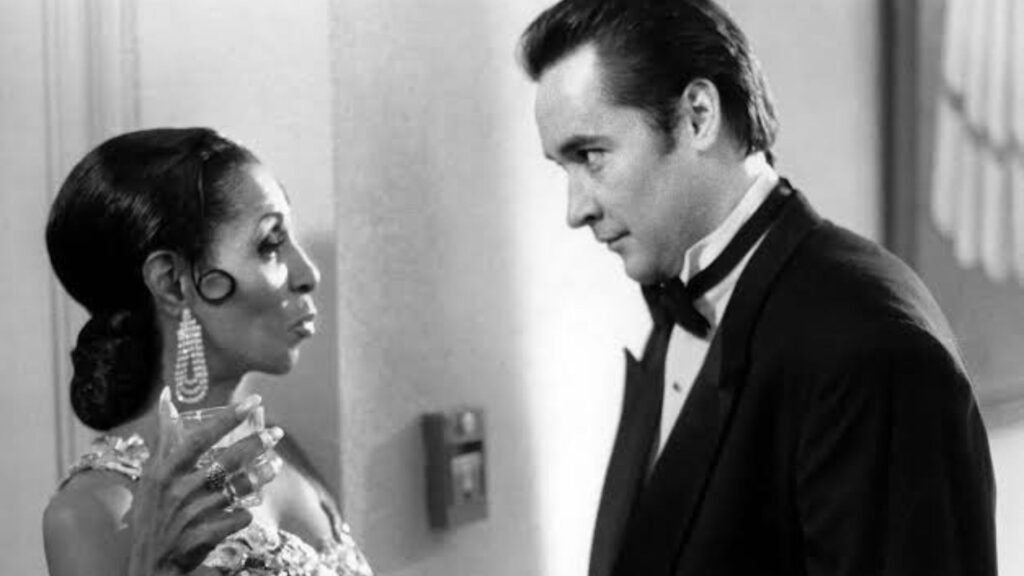
Nope, and he’s pretty clear about it. If a studio ever greenlit a Momo movie, Cusack said he’d jump at the chance to act in it himself. He’s also mentioned he’d be open to revisiting 1408, even though he’s generally not chasing easy sequels off his old hits. Forward beats backward, most days.
The bigger point was never really about acting. It’s about the conditions under which movies get made. Cusack has spent years warning that Hollywood keeps tilting harder into franchise machinery and corporate risk aversion, leaving less room for the smaller, character-driven films that built his career in the first place. He’s not anti-movie. He’s picky about the room he’s making it in. Give him the right circumstances and he’ll happily step back in front of a camera.
He’s Not the Only One Doing This
Here’s the part worth paying attention to even if you’ve never picked up a graphic novel in your life. Cusack fits a pattern that’s been building across entertainment for a few years now: actors and filmmakers who can’t get a mid-budget, character-driven idea financed inside the studio system, so they take it somewhere the system can’t touch it. A novel. A podcast. A self-funded short. A comic. The format changes, but the move is the same: build it small enough and independently enough that nobody with a spreadsheet gets a vote.
For someone with Cusack’s name recognition, a graphic novel isn’t a fallback plan. It’s leverage. He doesn’t need a studio’s money or blessing to get Momo in front of an audience, which is exactly the position that lets him call the shots on his own terms instead of a boardroom’s.
So no, this isn’t John Cusack riding off into the sunset. It’s him negotiating better terms, on his own clock, in a format nobody can quietly water down. If that mindset keeps catching on with people who have the leverage to try it, the next few years of storytelling might look a lot less algorithm-approved than the last few.