

The summer solstice has a way of making the whole day feel a little golden. The sun hangs around longer, dinner drifts outside, and even an ordinary evening can turn into something worth remembering. For centuries, people have marked this bright point in the year with bonfires, flowers, feasts, music, dancing, sunrise gatherings, and quiet rituals that honor light, warmth, growth, and the start of summer.
Summer solstice traditions can be ancient, spiritual, family-friendly, outdoorsy, or as casual as eating strawberries on the porch at sunset. Here are the classic traditions, modern celebration ideas, and easy ways to make the longest day of the year feel special.
What Is the Summer Solstice?
The summer solstice is the day with the longest period of daylight and the shortest night of the year in one half of the world.
In the Northern Hemisphere, it usually happens around June 20 or June 21. In the Southern Hemisphere, it usually happens around December 21 or December 22.
The word “solstice” comes from the idea of the sun seeming to stand still. Around this time, the sun reaches its highest point in the sky, giving many places their longest daylight stretch of the year.
For people long before clocks and calendars, this moment mattered. It marked a turning point in the season, helped track planting and harvest cycles, and gave communities a natural reason to gather.
Why Do People Celebrate the Summer Solstice?
People celebrate the summer solstice because it represents light, energy, abundance, renewal, and the full bloom of the warm season.
Today, many people celebrate it in a more relaxed way. They watch the sunrise, have a picnic, host a backyard dinner, make flower crowns, light candles, swim, hike, or simply spend more time outside.
Classic Summer Solstice Traditions Around the World
1. Watching the Sunrise
Sunrise gatherings are one of the most recognizable summer solstice traditions. People wake early, find a hill, beach, field, garden, or historic site, and watch the first light of the longest day arrive.
It is a quiet tradition, but it has a strong feeling to it. Standing outside while the sky changes color makes the day feel intentional before it even begins.
At home, you can do a smaller version:
- Wake before sunrise
- Make tea or coffee
- Sit outside or near an east-facing window
- Stay off your phone for the first 20 minutes
- Write down one thing you want more of this summer
My favorite version is simple: bare feet, coffee, and no talking until the sun is fully up. It feels calm without trying too hard.
2. Lighting Bonfires
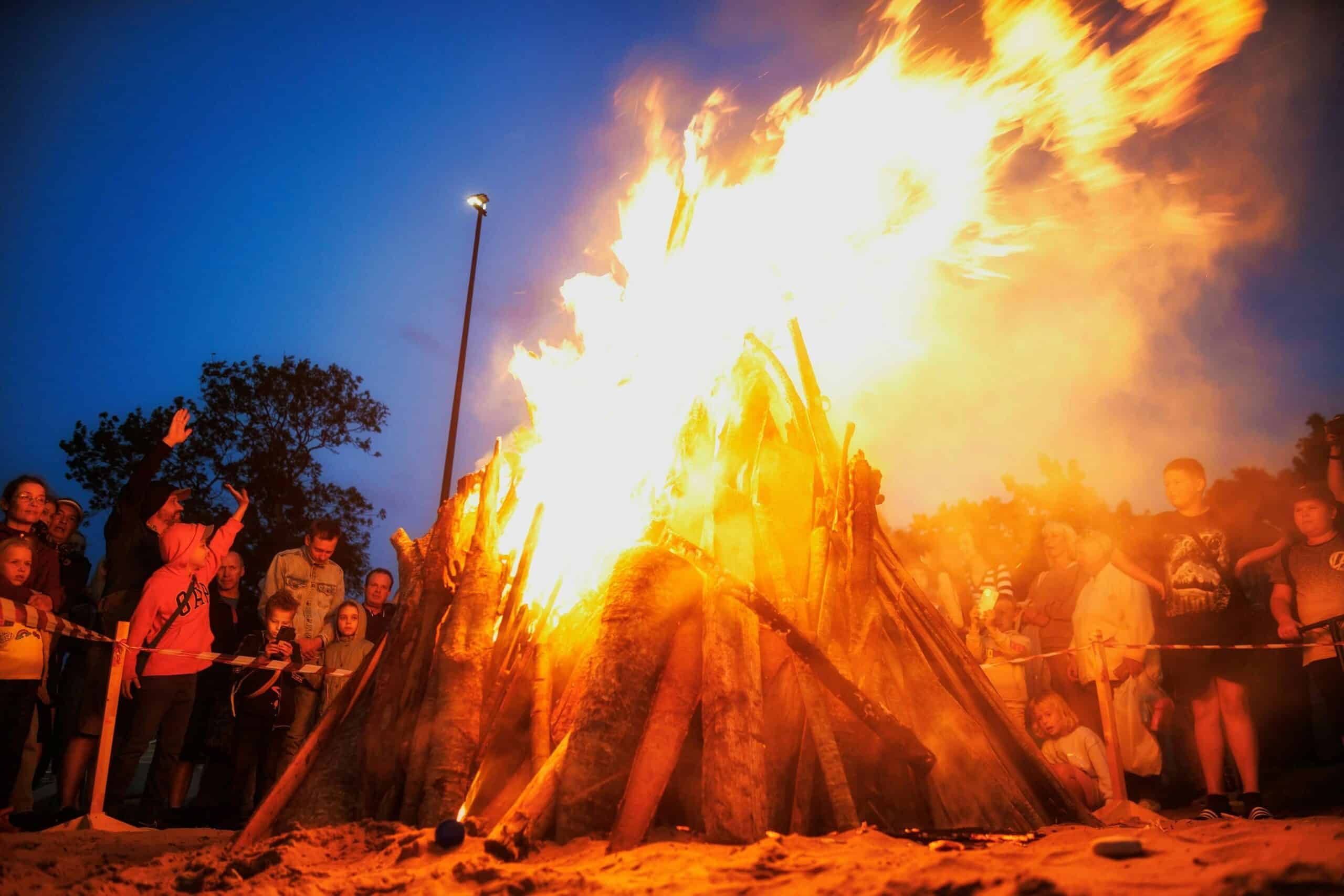
Bonfires are one of the oldest and most widespread summer solstice traditions. Fire has long been connected with the sun, warmth, protection, and celebration.
In many cultures, people gathered around large fires, sang, danced, shared food, and stayed up late. Some traditions included jumping over small fires for luck, cleansing, or courage, though that is best left to places where it is safely and locally practiced.
A modern version can be much easier:
- Light a backyard fire pit
- Use a small tabletop fire bowl
- Gather around candles
- Toast marshmallows
- Share one summer wish out loud
- End the night by watching the embers fade
If you live somewhere with fire restrictions, candles or string lights can still create that warm solstice glow.
3. Wearing Flower Crowns
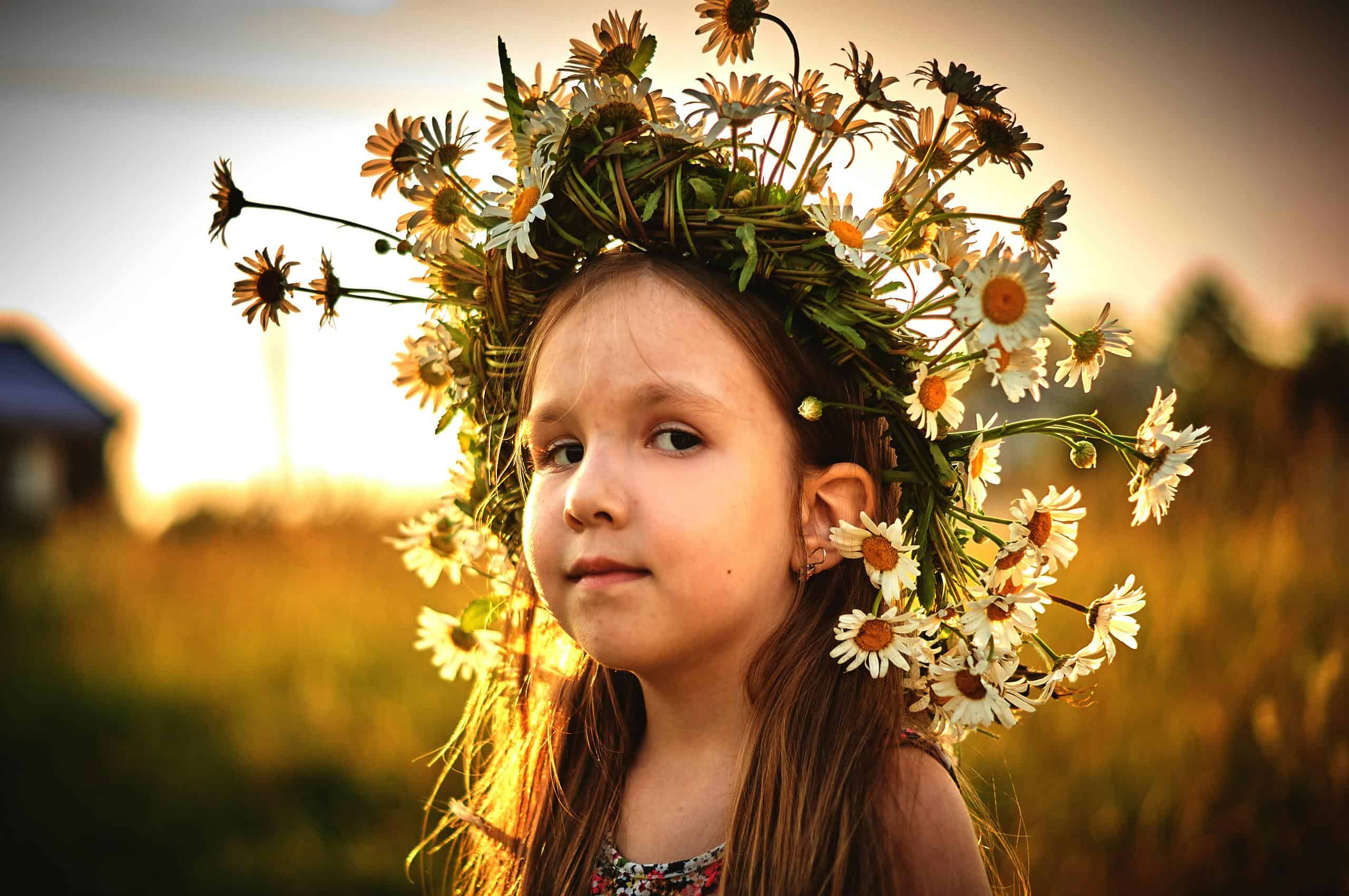
Flower crowns are closely tied to midsummer celebrations, especially in parts of Europe. They symbolize nature, beauty, fertility, and the blooming height of the season.
You do not need a perfect wreath. Wildflowers, garden herbs, daisies, lavender, baby’s breath, rosemary, and even faux flowers work.
A quick flower crown method:
- Start with floral wire, a flexible vine, or a plain headband.
- Add greenery first.
- Tuck in small flowers one at a time.
- Secure with floral tape or thin wire.
- Keep it light enough to wear comfortably.
For kids, skip wire and use a paper crown with glued-on flowers. It is easier, safer, and still adorable.
4. Dancing Around a Maypole or Midsummer Pole
Maypole-style dancing is often linked with spring and midsummer celebrations. In several traditions, people decorate a tall pole with greenery, flowers, ribbons, and symbols of the season.
The dance itself is cheerful and communal. People move in patterns while holding ribbons, weaving them around the pole as music plays.
For a backyard version, use:
- A tall garden stake
- A sturdy pole in a bucket of sand
- Colorful ribbons
- Faux flowers or greenery
- A sunny playlist
Kids do not need the pattern to be perfect. The memory is in the movement, color, and laughter.
5. Gathering Herbs and Flowers
Herbs and flowers have a long connection with the summer solstice. Many traditions treat this day as a special time to gather plants, especially ones associated with protection, healing, fragrance, or summer abundance.
Common solstice plants include:
- Lavender
- Rosemary
- Thyme
- Chamomile
- Mint
- St. John’s wort
- Calendula
- Yarrow
- Elderflower
- Daisies
- Sunflowers
You can gather herbs from your own garden, buy a small bunch, or make a simple bouquet from safe, locally available flowers. Avoid picking wild plants unless you know the area rules and can identify them properly.
6. Making Midsummer Bouquets
A midsummer bouquet is one of the easiest solstice traditions to bring home. The idea is to collect flowers, greenery, and herbs that reflect the season.
Choose bright, sunny colors:
- Yellow
- Orange
- White
- Pink
- Green
- Gold
Place the bouquet on a table, windowsill, porch, or entryway. It sets the mood without needing a full party.
For a sweet family version, let everyone choose one flower or leaf and explain why they picked it.
7. Hosting a Solstice Feast
Food has always been part of seasonal celebrations. A summer solstice meal often focuses on fresh produce, grilled foods, berries, herbs, honey, bread, and anything that feels bright and sun-filled.
Good solstice foods include:
- Strawberries
- Cherries
- Peaches
- Watermelon
- Fresh bread
- Honey butter
- Grilled corn
- Garden salads
- Roasted vegetables
- Lemon cake
- Berry shortcake
- Herbal iced tea
- Sparkling lemonade
Keep it seasonal and easy. A solstice dinner does not need to look like a magazine spread. A picnic blanket, cold drinks, and a bowl of fruit can feel more honest than a fussy menu.
8. Celebrating With Strawberries
In many places, the summer solstice arrives right around peak strawberry season. That makes strawberries a natural food for midsummer tables, especially in Scandinavian-inspired celebrations.
Try:
- Strawberries and cream
- Strawberry shortcake
- Strawberry lemonade
- Strawberry salad with mint
- Strawberry jam on fresh bread
- Chocolate-dipped strawberries
- A big bowl of chilled berries after dinner
This is one of the easiest traditions for families because it needs almost no explanation. Put strawberries on the table, and people understand the mood.
9. Spending the Whole Day Outside
One of the simplest summer solstice traditions is also the most fitting: spend as much of the day outdoors as you can.
That could mean:
- Breakfast on the porch
- A lunchtime walk
- Reading under a tree
- Swimming
- Gardening
- Eating dinner outside
- Watching the sunset
- Stargazing after dark
A full outdoor day makes the solstice feel different from any other date on the calendar. Sunscreen, water, shade, and bug spray make it much more pleasant.
10. Swimming or Visiting Water
Water is a common part of summer celebrations. Lakes, rivers, beaches, pools, sprinklers, and even a backyard hose can make the day feel alive.
A water-centered solstice tradition can be:
- A morning swim
- A beach picnic
- Skipping stones at a lake
- Floating in a pool
- Running through sprinklers
- Washing feet in cool water
- Taking a sunset walk near a river
The best version is the one that matches your life. Not everyone has a beach nearby. A kiddie pool in the yard still counts.
11. Making Sun Tea
Sun tea feels like a classic summer ritual because time and sunlight do most of the work.
To make a safer version, brew tea with hot water first, then chill it in the fridge and let it sit in a sunny window before serving. You still get the sunny feeling without leaving tea in warm outdoor temperatures for hours.
Try flavors like:
- Black tea with lemon
- Mint tea
- Hibiscus tea
- Chamomile and honey
- Green tea with peach
- Raspberry herbal tea
Serve it over ice with citrus slices and fresh herbs.
12. Lighting Candles at Sunset
If sunrise feels too early, sunset is just as meaningful. Candles at sunset create a soft way to close the longest day.
Use yellow, white, orange, or gold candles if you want a sun-inspired look. Battery candles work well around kids, pets, dry grass, or windy patios.
A short sunset ritual:
- Light one candle.
- Name one thing you are grateful for.
- Name one thing you want to enjoy this summer.
- Sit quietly for a few minutes.
- Blow out the candle as the day ends.
It is small, but it gives the evening a shape.
13. Creating a Summer Solstice Altar or Seasonal Table
A solstice altar does not have to be religious or complicated. Think of it as a little seasonal display that celebrates light, nature, and summer.
You can include:
- Flowers
- Herbs
- Candles
- Citrus fruit
- Seashells
- Stones
- Sunflowers
- A bowl of berries
- A handwritten summer wish
- Yellow or gold fabric
- A small photo from a past summer
Place it on a shelf, table, windowsill, or porch. Keep it simple enough that it feels inviting, not like homework.
14. Making Sun Catchers
Sun catchers are a fun solstice craft because they turn light into color. Kids love them, but adults can make pretty versions too.
Use:
- Clear beads
- Pressed flowers
- Tissue paper
- Wax paper
- Sea glass
- Crystal-style ornaments
- Embroidery hoops
- Transparent contact paper
Hang the finished piece in a sunny window. It becomes a small reminder of the longest day every time the light hits it.
15. Writing Down Summer Intentions
The solstice is a natural checkpoint. The year is nearly halfway through, summer is opening up, and it is a good time to ask what you want the season to feel like.
Keep the questions grounded:
- What do I want to make time for this summer?
- What do I want to stop overpacking into my days?
- Who do I want to spend more time with?
- What outdoor place do I want to visit?
- What small tradition do I want to repeat?
- What do I want to remember when summer ends?
Do not turn it into a productivity exercise. Solstice intentions work best when they feel human, not like a self-improvement checklist.
16. Gathering With Friends for a Long-Day Party
A summer solstice party does not need a complicated theme. The theme is daylight.
Plan it around simple pleasures:
- Start before sunset
- Serve seasonal fruit
- Keep drinks cold
- Use string lights
- Play lawn games
- Set up picnic blankets
- Add candles after dark
- End with dessert outside
For food, go with easy summer dishes: grilled vegetables, skewers, pasta salad, corn, watermelon, berries, lemonade, and ice cream sandwiches.
17. Playing Lawn Games
Lawn games fit the solstice because they keep everyone outside a little longer.
Good options include:
- Bocce
- Cornhole
- Croquet
- Badminton
- Horseshoes
- Giant Jenga
- Ring toss
- Frisbee
- Lawn bowling
- Capture the flag
For mixed ages, choose games where people can jump in and out without a long explanation. Cornhole, ring toss, and Frisbee usually work better than anything with too many rules.
18. Taking a Solstice Hike
A hike is a beautiful way to honor the longest day, especially if you start early or end near sunset.
Bring:
- Water
- Snacks
- Sunscreen
- A hat
- Comfortable shoes
- Bug spray
- A small bag for trash
- A light layer if staying out late
Choose a trail that fits the group. The solstice is not the day to prove a point with a brutal route. A scenic walk everyone enjoys is better than a dramatic hike everyone complains about.
19. Watching the Sunset
Sunrise gets a lot of attention, but sunset on the summer solstice can feel just as special. The long day finally softens, the air cools, and the sky puts on its slowest show.
Good places to watch:
- A hill
- A beach
- A lake
- A rooftop
- A park
- A backyard
- A porch
- An open field
Bring a blanket, a cold drink, and no strict agenda.
20. Stargazing After the Longest Day
The irony of the summer solstice is that the night is short, but that can make stargazing feel even sweeter. Once it finally gets dark, the sky feels like a quiet reward.
Make it better with:
- A blanket
- Bug spray
- Warm drinks if the night cools
- A stargazing app if you like identifying constellations
- A no-phone rule for the first 10 minutes
Even if you only spot a few stars, the pause is worth it.
21. Decorating With Sun Colors
Yellow, gold, orange, white, and warm green all suit the summer solstice. Decorating with these colors makes a dinner, picnic, or patio feel seasonal without needing much.
Easy touches:
- Yellow napkins
- Sunflowers in a jar
- Citrus slices in water
- Gold ribbon
- Orange candles
- White tablecloth
- Fresh herbs on plates
- Bowls of peaches or lemons
This is a good place to avoid overdoing it. The solstice already brings the main decoration: sunlight.
22. Making a Nature Mandala
A nature mandala is a circular design made from leaves, petals, stones, shells, herbs, sticks, and other natural materials. It is peaceful, pretty, and easy for kids to help with.
How to make one:
- Choose a flat spot outside.
- Place one object in the center.
- Build outward in circles.
- Repeat colors, shapes, or textures.
- Take a photo before the wind rearranges it.
Use only fallen items or materials from your own garden. Leave parks and wild spaces as you found them.
23. Practicing Yoga or Stretching Outside
The summer solstice is tied to light, energy, and balance, so yoga or outdoor stretching fits naturally.
You do not need a full class. A short 10-minute flow can be enough:
- Gentle neck rolls
- Shoulder stretches
- Forward fold
- Low lunge
- Cat-cow
- Child’s pose
- A few sun salutations
- Quiet breathing at the end
Morning works well because the air is cooler and the day still feels fresh.
24. Making a Summer Bucket List
A summer solstice bucket list gives the season direction without making it feel scheduled to death.
Keep it short. Ten to fifteen ideas is enough.
Try adding:
- Watch a sunrise
- Eat dinner outside
- Make homemade lemonade
- Go swimming
- Visit a farmers market
- Pick berries
- Have a picnic
- Make popsicles
- Take a sunset walk
- Read outside
- Host a backyard game night
- Send a postcard
- Go stargazing
- Make a flower crown
- Spend one afternoon offline
Treat it like a menu, not a contract.
25. Sharing Stories Around a Fire or Candlelight
Storytelling belongs to long summer evenings. Around a fire, on a porch, or by candlelight, stories slow everyone down.
Try prompts like:
- Best summer memory from childhood
- Funniest vacation disaster
- Favorite summer food
- Most beautiful sunset you remember
- A place you want to visit this summer
- A family tradition you miss
- A summer song that takes you back
This works especially well with mixed generations. Kids learn things they would never hear during a normal dinner.
26. Giving Thanks for the Season
Many solstice traditions include gratitude for warmth, food, growth, and life. You can keep this spiritual, secular, or personal.
A low-pressure version:
- Say one thing you are grateful for
- Thank someone at the table
- Notice something growing nearby
- Donate food or supplies
- Share extra produce with a neighbor
- Write a short note to someone who brightens your life
Gratitude lands better when it is specific. “Thanks for making lemonade today” feels warmer than a big generic speech.
27. Creating a Small Fire-Free Solstice Ritual
Not everyone can light a bonfire. Apartments, dry climates, local fire rules, and small kids can make flame a bad idea.
Fire-free alternatives:
- Turn on string lights
- Use battery candles
- Hang sun catchers
- Make citrus garlands
- Set out flowers
- Watch sunrise
- Eat dinner outside
- Wear yellow or gold
- Make a summer playlist
- Write intentions on paper and keep them in a jar
The point is marking the day, not copying a tradition perfectly.
28. Celebrating With Music
Music turns a solstice gathering into a memory fast. Choose songs that feel bright, nostalgic, earthy, or full of movement.
For a casual party, build a playlist with:
- Sunny oldies
- Acoustic folk
- Beachy pop
- Feel-good dance songs
- Soft evening tracks for sunset
- A few nostalgic summer songs everyone knows
Keep the volume low during dinner and higher for games or dancing. People should not have to yell over the playlist.
29. Making a Summer Memory Jar
A memory jar is a sweet tradition to start on the solstice and continue through the season.
Set out a jar with slips of paper. After each summer moment, write one down:
- First swim
- Best popsicle
- Firefly night
- Backyard dinner
- Beach day
- Strawberry picking
- Sunset walk
- Rainy movie afternoon
Read them near the end of summer. Small moments look bigger when they are gathered together.
30. Having a Solstice Picnic
A picnic is one of the easiest ways to celebrate the longest day. It works for families, couples, friends, or solo afternoons.
Pack:
- Sandwiches or wraps
- Fresh fruit
- Lemonade or iced tea
- Chips or crackers
- Cheese
- Cookies
- A blanket
- Napkins
- Bug spray
- A trash bag
Choose shade if the day is hot. The longest day of the year should not turn into the longest sunburn of the year.
Let the Longest Day Feel Long
The summer solstice is a reminder to slow down long enough to notice the season while it is happening. Watch the sunrise if you can. Eat something bright and fresh. Put flowers on the table. Stay outside after dinner. Light a candle when the sky finally dims.
The best summer solstice traditions do not have to be grand. They just need to make the day feel a little more golden than usual.