



Fruit Battlegrounds Codes for April 2025

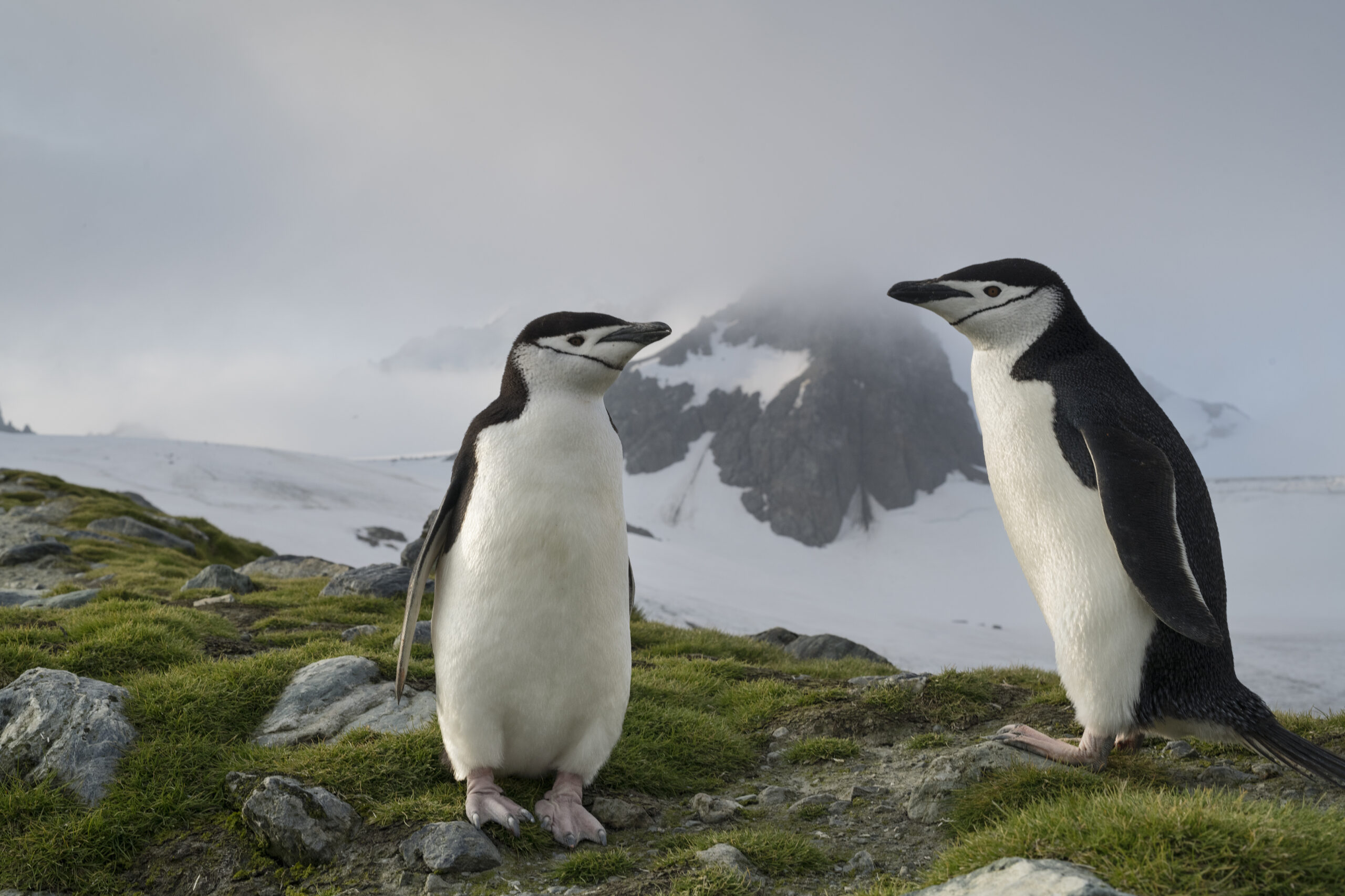
Penguins are captivating creatures that have intrigued scientists and animal lovers alike for centuries. These flightless birds, known for their distinctive black and white plumage and waddling gait, are far more than just charming inhabitants of icy regions. From their unique adaptations to their complex social behaviors, penguins offer a fascinating glimpse into the resilience and diversity of life on Earth. In this article, we will delve into the remarkable world of penguins, exploring their unique traits, habitats, and the myths that surround them.
Penguins have a special gland behind their eyes that filters bright sunlight, especially the harsh glare bouncing off ice and water. This natural adaptation acts like biological sunglasses, helping them hunt with clarity even during blinding Antarctic days.
Penguins have a surprisingly advanced sense of smell that helps them detect food-rich waters. Scientists believe they can identify specific scents from krill and fish even before reaching the shoreline.
A single penguin can have over 100 feathers per square inch—far more than most birds. These tiny overlapping feathers create a tight seal that traps warm air, making their coat incredibly efficient in freezing temperatures.
Emperor Penguins regularly dive more than 1,500 feet deep, rivaling certain whale species. Their bodies shut down unnecessary functions during dives, conserving oxygen for the long underwater journey.
During extreme dives, a penguin’s heart rate can drop to just a few beats per minute. This biological “slow mode” prevents fainting underwater and helps them conserve energy in dangerous depths.
Galápagos Penguins live on volcanic islands near the equator. Instead of icy landscapes, they nest in lava crevices, shade themselves from heat, and survive using cool currents drifting up from Antarctica.
Unlike humans, penguins rely heavily on oxygen stored in their muscle tissues, which are packed with myoglobin. This allows them to stay underwater for long stretches without needing to surface.
Their legs contain a network of blood vessels that warm incoming blood and cool outgoing blood. This prevents heat loss while walking on ice and helps them stay warm without wasting energy.
Penguins often coordinate in large groups to herd schools of fish into tight clusters. Once the prey is trapped, they take turns diving in, similar to wolves surrounding their prey.
In chaotic colonies full of nearly identical birds, visual recognition is almost impossible. Penguins instead use unique vocal patterns—like a personal ringtone—to locate their mates and chicks.
Hidden under their flippers is a less-feathered area that they use to regulate heat. When too warm, they lift their wings to release stored heat from this natural vent.
Most birds have hollow bones for flight, but penguins evolved dense, solid bones. This heaviness helps them dive quickly and stay submerged while hunting.
Some penguins trap tiny air bubbles in their feathers and release them during fast swims. This reduces drag and creates a slick “bubble jacket,” letting them glide more quickly through the water.
Penguin feet contain sensors that help them detect ice conditions, preventing frostbite. Their nerves adjust blood flow automatically to avoid freezing tissues.
Certain species, like Gentoos, collect beautiful or smooth stones to present to potential mates. A penguin accepting the stone is essentially saying “yes” to a long-term partnership.
Emperor Penguins balance their eggs on their feet and cover them with a warm feathered flap. This prevents the egg from touching ice, where it would freeze within minutes.
Over time, penguins create carved pathways in snow from constant waddling in the same direction. These natural trails help them conserve energy and find their way between nests and water.
Penguins often sleep upright, conserving heat by reducing the surface area touching icy ground. Many will nap for just a few minutes at a time throughout the day.
Their lower bodies are padded with dense muscle and fat that help them slide on ice at high speed. This adaptation protects them from injuries caused by rough terrain.
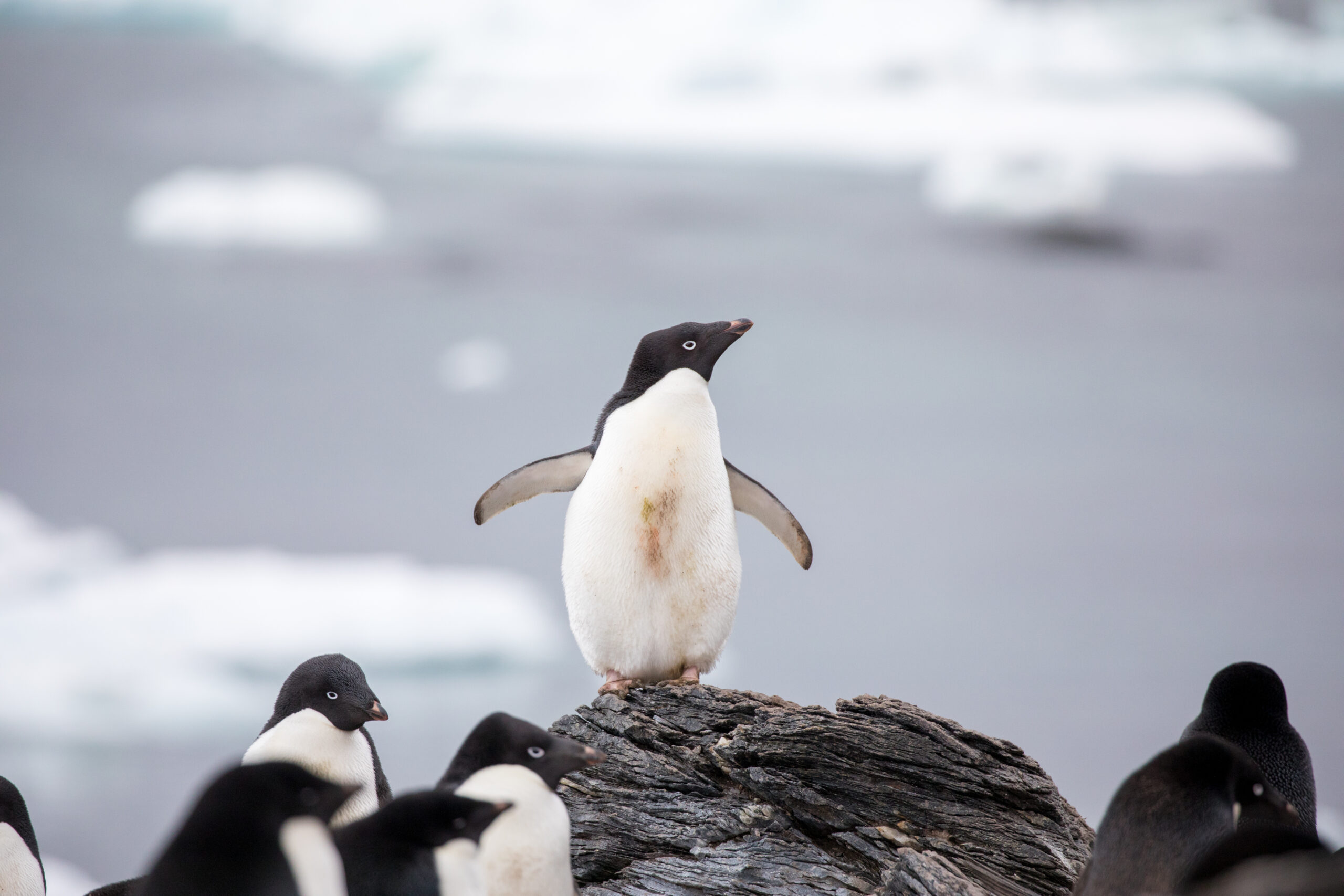
During molting, penguins lose and regrow every feather in a tight schedule. Their bodies can adjust internal rhythms to shift this timing based on food availability and climate.
In Antarctica, where penguins evolved without land predators, they often walk right up to humans without fear. Their curiosity comes from having no instinctual reason to avoid people.
A penguin’s spine bends far more than most birds, helping them twist and maneuver underwater. This flexibility gives them shark-like agility during hunts.
In crowded nesting areas, penguin parents can locate their own eggs and chicks using subtle scent cues—something very rare among birds.
Their torpedo-shaped bodies and powerful flippers allow them to slice through massive waves without losing balance. Experiments show they can withstand water impact forces equal to high-speed collisions.
Some prehistoric penguins, like Kumimanu, stood over 5 feet tall and weighed more than 200 pounds. These ancient giants dominated oceans long before seals and whales evolved.
Their stiff tail feathers let them lean backward while standing, reducing strain on their legs. This tripod stance is especially useful on slippery ice.
Some species are believed to navigate long distances using magnetic orientation. This internal compass helps them return to the same nesting ground every year.
In freezing regions, penguins swallow snow when fresh water is unavailable. Their bodies quickly convert it into water without wasting heat energy.
Their flippers sense subtle pressure changes caused by nearby predators or large fish. This awareness gives them an early warning system during hunts.
When parents go hunting, young penguins gather in protective clusters supervised by a few adults. These crèches help keep them warm, safe, and social while awaiting their parents’ return.