



- ACTIVITIES
Game of Thrones Trivia

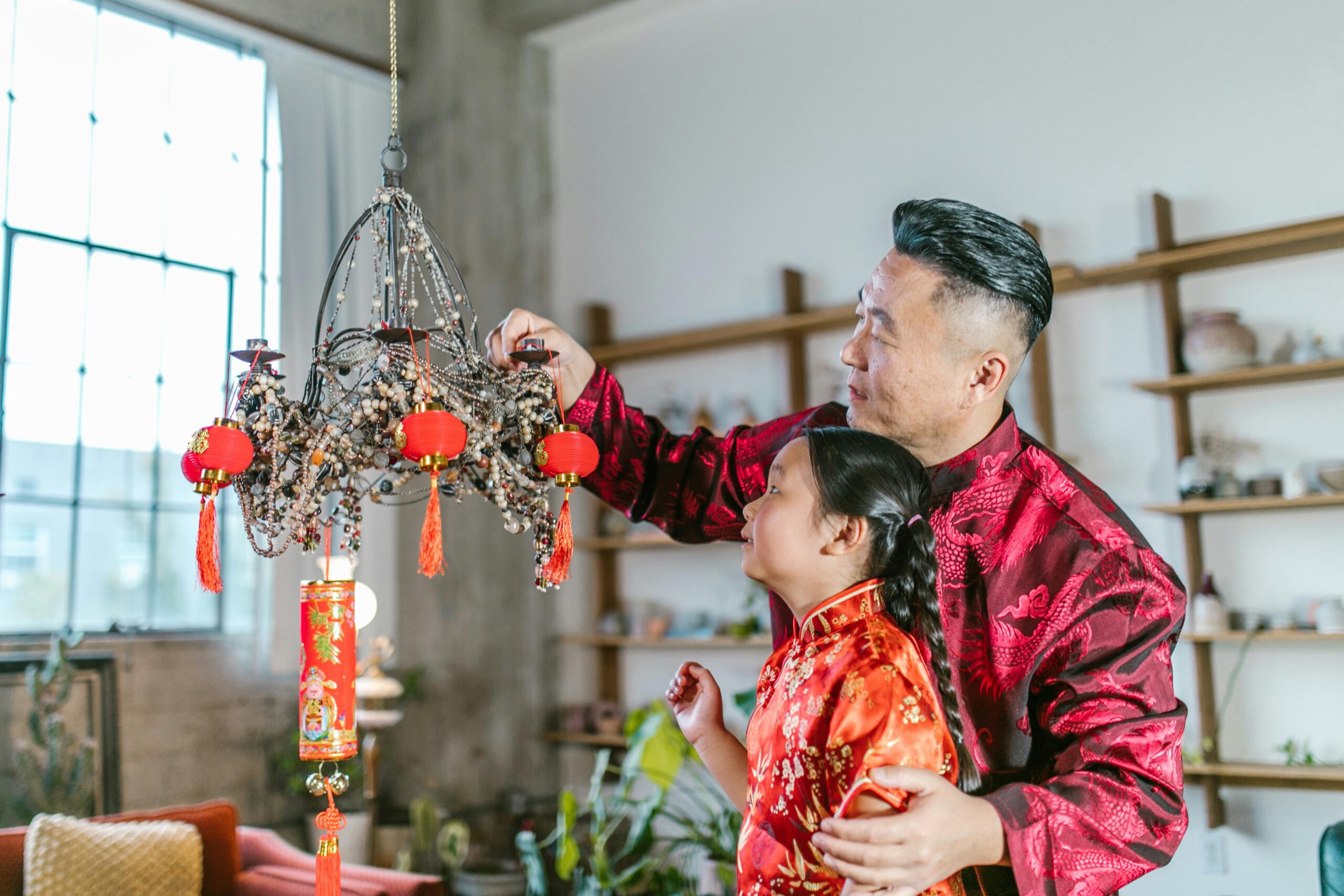
New Year traditions reflect how different cultures welcome fresh beginnings, express hope, and let go of the past. While the date may be the same for many countries, the ways people celebrate vary widely, shaped by history, belief systems, and local customs. These traditions are often symbolic, meant to bring good luck, prosperity, health, and happiness in the year ahead.
This article on New Year traditions explores popular and lesser known practices from around the world, along with what they represent. It is useful for general knowledge, trivia, cultural studies, or simply understanding how people celebrate new beginnings globally.
New Year traditions help communities mark the passage of time and create a sense of continuity. They offer emotional closure to the past year and optimism for the future. Many traditions focus on cleansing, renewal, and setting intentions, showing a shared human desire for better days ahead.
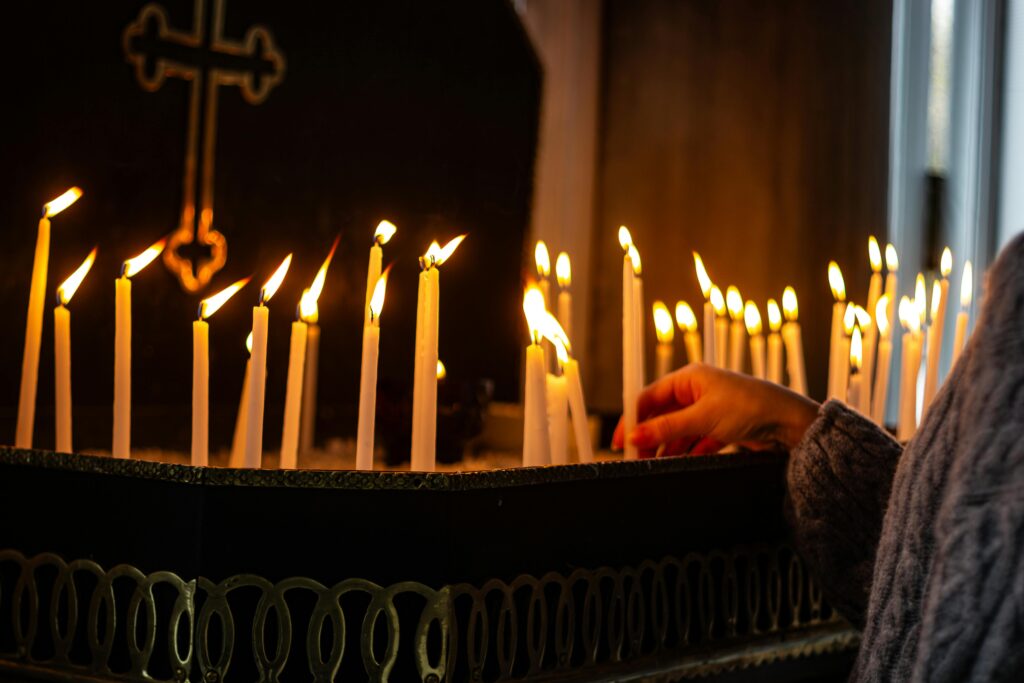
Different countries have developed unique customs to welcome the New Year.
In Spain, people eat twelve grapes at midnight, one with each clock chime, symbolizing good luck for all twelve months of the coming year. Missing a grape is believed to bring bad luck.
In Japan, temples ring bells 108 times in a ritual known as Joya no Kane. Each bell strike represents the cleansing of one human desire or weakness, helping people begin the year with a clear mind.
In Denmark, people throw old plates at the doors of friends and family. The more broken plates found at your doorstep, the more luck and friendship you are believed to have in the new year.
In Scotland, the tradition of Hogmanay includes “first footing,” where the first person to enter a home after midnight brings gifts like coal or bread to ensure warmth and prosperity.
In the Philippines, people wear polka dots and display round objects to symbolize coins and wealth, as circles are associated with prosperity.
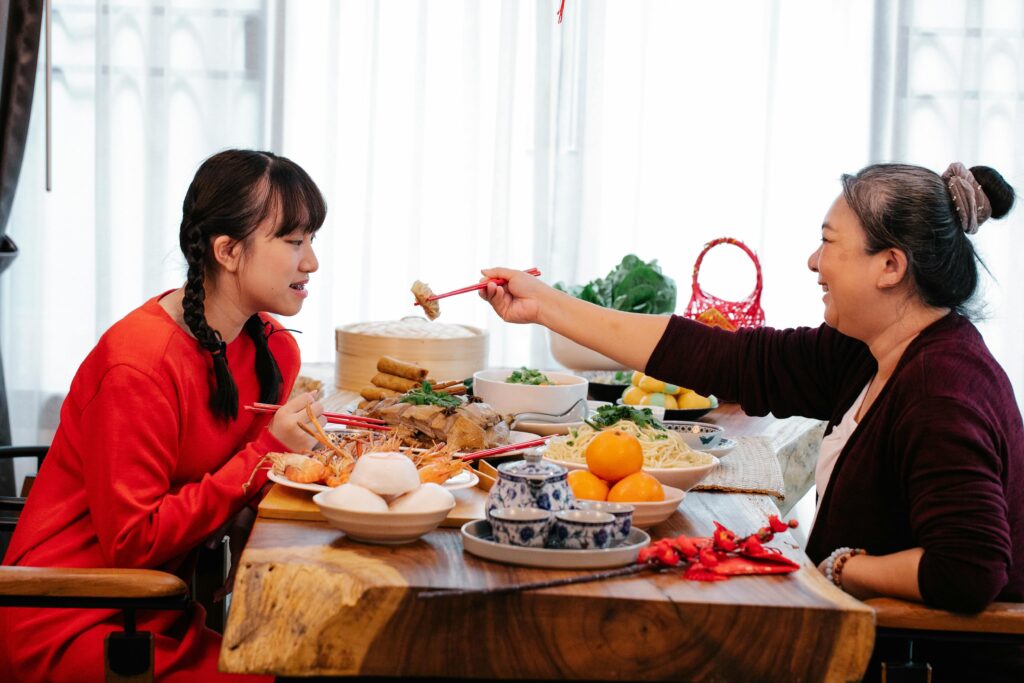
Food plays a central role in many New Year celebrations.
In Italy, lentils are eaten at midnight because their coin like shape symbolizes financial abundance.
In China, dumplings represent wealth and good fortune and are often shared during New Year celebrations.
In the United States, especially in the South, black eyed peas are eaten for luck, often paired with greens to symbolize money and growth.
In Greece, a cake called vasilopita is baked with a coin inside. The person who finds the coin is believed to receive good luck throughout the year.
Many cultures focus on removing negativity before the New Year begins.
In Latin American countries, people clean their homes thoroughly before New Year’s Eve to sweep away bad energy and invite positivity.
In Brazil, people dress in white to symbolize peace and renewal, often celebrating near beaches.
In Ecuador, effigies representing the old year are burned to let go of bad memories and past troubles.
Some traditions are centered around attracting good luck.
In Germany, people practice Bleigießen, where melted lead or wax is poured into water and the shape formed predicts the future.
In Ireland, bread is banged against walls to ward off bad spirits and invite luck.
In Russia, wishes are written on paper, burned, mixed into a drink, and consumed at midnight to ensure they come true.
In contemporary celebrations, some traditions have evolved.
Watching fireworks at midnight is now common worldwide, symbolizing joy and the warding off of negativity. Making New Year’s resolutions has become a global practice focused on self improvement, health, and personal growth. Countdown celebrations, televised events, and social media greetings have also become part of modern New Year culture.
In India, New Year celebrations vary by region and calendar system.
Lohri, Ugadi, Gudi Padwa, Poila Boishakh, Vishu, and Puthandu are regional New Year festivals celebrated at different times of the year. These traditions often involve prayers, new clothes, festive meals, and rituals that symbolize prosperity and renewal.
New Year traditions, whether ancient or modern, reveal how cultures express hope and resilience. While the customs differ, the underlying message remains the same across the world: letting go of the past and welcoming a future filled with possibility.
Learning about these traditions helps us appreciate cultural diversity and reminds us that the desire for renewal and optimism is universal.