
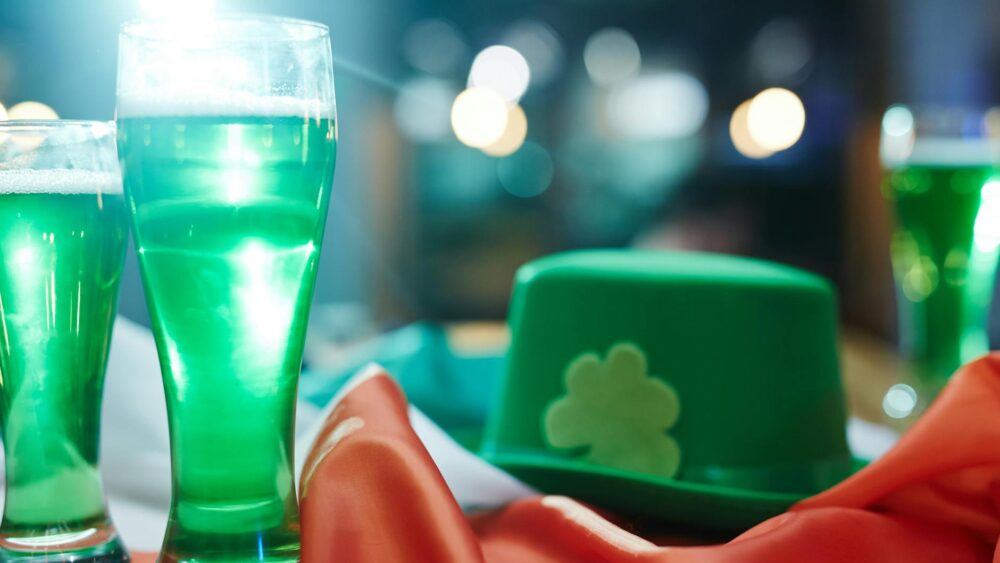
St. Patrick’s Day names have a magic to them that goes well beyond the holiday itself. Whether you’re naming a baby born close to March 17th, a fictional character, or a pet with a feisty personality, the deep well of Irish names and the playful world of leprechaun lore offer something genuinely beautiful and, in many cases, criminally underused in the wider naming world.
This list covers two distinct territories: authentic Irish and Gaelic names with real roots in Ireland’s language and history, and names drawn from the leprechaun tradition in folklore, fiction, and pop culture. Both categories are worth your time.
Classic Irish Boys’ Names
These are the names that have been carried by Irish men for centuries, from early Christian saints to legendary kings. Several are familiar worldwide; others deserve far more attention than they get.
Patrick
The patron saint himself. Patrick comes from the Latin Patriciusmeaning “nobleman” or “of noble descent.” It arrived in Ireland through the Roman church and became one of the most defining names in Irish cultural history. Pat and Paddy remain the warmest, most lived-in nicknames.
Ciarán
From the Old Irish ciarmeaning “dark” or “dark-haired one,” this name was carried by two important early Irish saints. Pronounced roughly KEER-awn, it’s distinctive without being difficult once you’ve heard it spoken aloud.
Séamus
The Irish form of James, itself rooted in the Hebrew Yaakov. Séamus (pronounced SHAY-mus) has a rugged, poetic quality that makes it feel both ancient and very wearable today. Nobel laureate Seamus Heaney is its most famous modern bearer.
Finn
Short, strong, and unmistakably Irish. Finn derives from the Old Irish fionnmeaning “fair” or “white,” and is most associated with the legendary warrior Fionn mac Cumhaill. It has been climbing steadily in English-speaking countries and feels genuinely at home in any era.
Cormac
An ancient Irish name of uncertain but likely compound origin, possibly meaning “charioteer” or “son of the raven.” Cormac mac Airt was one of the most celebrated High Kings of Ireland. It’s a serious, weighty name with a great sound.
Niall
Pronounced NEEL, Niall is one of the oldest Irish names on record, possibly meaning “champion” or “cloud.” Niall of the Nine Hostages was a powerful early Irish king whose descendants founded the Uí Néill dynasty. The anglicized spelling Neil carries the same root.
Brendan
From the Old Irish Bréanainnpossibly derived from a Welsh word meaning “prince.” Saint Brendan the Navigator is said to have sailed to America centuries before Columbus. It’s a name with genuine adventure behind it.
Declan
An early Irish saint’s name of uncertain etymology, though it’s thought to be fully native Gaelic. Saint Declan of Ardmore is one of the pre-Patrician saints of Ireland. Declan has been rising steadily in the United States and feels fresh without being invented.
Cillian
Pronounced KIL-ee-an, this name comes from the Old Irish ceallmeaning “church” or possibly “strife.” Several early Irish saints bore the name, and actor Cillian Murphy has given it strong modern recognition worldwide.
Tadhg
Pronounced TYG (rhymes with “tiger” without the -er), Tadhg means “poet” or “philosopher” in Old Irish. It was one of the most common names in medieval Ireland and is enjoying a quiet revival. If you want something authentically Irish that nobody outside Ireland is likely to be using, this is your name.
Oisín
Pronounced UH-sheen or OH-sheen, this name means “little deer” and belongs to one of the most celebrated figures in Irish mythology: Oisín, the poet-warrior son of Fionn mac Cumhaill. Lyrical and deeply rooted in Irish tradition.
Lorcan
From the Old Irish lorcánmeaning “fierce” or “little fierce one.” Saint Laurence O’Toole, the patron of Dublin, was born Lorcán Ua Tuathail. It’s a strong, compact name that deserves far wider use.
Classic Irish Girls’ Names
Irish girls’ names range from soft and musical to strong and mythological. Many of them have been hiding in plain sight, just waiting for the rest of the world to catch up.
Brigid
One of the most important names in Irish history, Brigid comes from the Old Irish Brighidmeaning “exalted one” or “strength.” Saint Brigid of Kildare is one of Ireland’s three patron saints alongside Patrick and Columba. The spelling Bridget is the most widely recognized anglicization, but Brigid is the real article.
Siobhán
Pronounced shih-VAWN, this is the Irish form of Joan, ultimately from Hebrew Yochanan (the same root as John). It looks wildly different from how it sounds, which is exactly what makes it so distinctly Irish. Actress Siobhán McKenna was one of its most celebrated bearers.
Aoife
Pronounced EE-fah, Aoife means “beautiful” or “radiant” in Old Irish. In mythology she was one of the greatest female warriors in Irish legend. It’s been a top name in Ireland for years and is finally gaining recognition outside the country.
Caoimhe
Pronounced KEE-vah or KWEE-vah, from the Old Irish caomhmeaning “gentle,” “beautiful,” or “precious.” It’s a lovely name that rewards anyone willing to learn the pronunciation.
Niamh
Pronounced NEEV, Niamh means “bright” or “radiant” in Old Irish. In mythology, Niamh of the Golden Hair was the daughter of the sea god Manannán mac Lir and the love of Oisín. Mythological pedigree doesn’t get much better than that.
Clodagh
Pronounced KLOH-dah, Clodagh is taken from the name of a river in County Tipperary. It’s one of those distinctly Irish names with no real equivalent elsewhere, which gives it an appealing sense of place and identity.
Saoirse
Pronounced SEER-sha or SAIR-sha, this name literally means “freedom” in Irish. It emerged as a given name in the twentieth century during the Irish independence movement. Actress Saoirse Ronan has made it recognizable to a global audience.
Rónán
While more often given to boys (see below), Rónán has occasionally been used for girls in Irish-speaking communities. It means “little seal,” a reference to the selkie tradition in Irish folklore. Worth knowing either way.
Aisling
Pronounced ASH-ling or ASH-leen, Aisling means “dream” or “vision” in Irish, and it also refers to a genre of Irish poetry in which Ireland appears as a woman. It’s deeply literary, melodic, and genuinely beautiful.
Eithne
Pronounced EN-ya or ETH-neh, Eithne is one of the oldest Irish female names, meaning “kernel” or “grain.” Singer Enya (born Eithne Ní Bhraonáin) made an anglicized version of this name internationally known. The original form is quietly extraordinary.
Órla
From the Old Irish ór (gold) and flaith (sovereignty or princess), meaning “golden princess” or “golden sovereign.” Also spelled Orla or Orlaith, this is a name of real substance and beauty that flies under the radar outside Ireland.
Meadhbh
Pronounced MAYV (and also spelled Maeve in the anglicized form), this name means “intoxicating” or “she who intoxicates.” Queen Maeve of Connacht is one of the most powerful figures in Irish mythology. Maeve is booming internationally right now; Meadhbh is the same name in its full Irish form.
Gender-Neutral and Surname-Turned-Given Irish Names
Ireland has a long tradition of surnames crossing over into first name use, and several genuinely work beautifully as given names regardless of gender.
Quinn
From the Irish surname Ó Cuinn, meaning “descendant of Conn,” where Conn likely means “chief” or “intelligence.” Quinn has become one of the more successful Irish surname-names in the international mainstream, used for both boys and girls.
Rowan
From the Irish ruadhánmeaning “little red one,” or alternatively associated with the rowan tree. It works equally well across genders and has real Irish roots beneath its nature-name exterior.
Casey
From the Irish Cathasaighmeaning “vigilant” or “watchful.” Casey has been used for both boys and girls in Ireland and throughout the Irish diaspora for generations.
Rory
From the Irish Ruairí or Ruadhraímeaning “red king” or “great king.” It works for boys and girls alike and has a bright, energetic sound that holds up beautifully.
Kerry
Taken from the Irish county name, itself derived from the Ciarraí people (“descendants of Ciar”). Kerry has been used as a given name for both sexes, particularly in Ireland and the Irish diaspora, since the mid-twentieth century.
Keiran
An anglicized form of Ciarán (see above), used widely across genders. The spelling variants Kieran and Ciaran are all the same name at root. It has a warmth and accessibility that makes it a strong choice for those who love Irish names but want something pronounceable without instruction.
Names from Irish Mythology and Legend
Ireland’s mythological tradition is one of the richest in Europe, and it produced some genuinely stunning names that are attached to real figures in the early texts.
Cú Chulainn
Not a practical given name today, but worth knowing: the great hero of the Ulster Cycle was born Sétantaa real name occasionally still used. Cú Chulainn means “Hound of Culann” and was a title, not a birth name.
Fionn
The full form of Finn (above), Fionn is the name of the legendary warrior-poet Fionn mac Cumhaill, leader of the Fianna. It means “fair” or “white” in Old Irish and is used as a given name in Ireland today.
Étaín
Pronounced AY-tawn or eh-TAWN, Étaín is the heroine of one of the oldest and most beautiful Irish mythological tales, Tochmarc Étaíne (The Wooing of Étaín). The name’s meaning is uncertain but it has been used as a given name in Ireland. Rare and genuinely special.
Lugh
Pronounced LOO, Lugh was one of the most important gods in Irish mythology, associated with the sun, skill, and craft. The festival of Lughnasadh is named for him. As a given name it is rare but real, and it carries enormous mythological weight in a single syllable.
Deirdre
The tragic heroine of the myth of Deirdre of the Sorrows, one of the great love stories of Irish literature. The name’s etymology is debated. it may derive from a word meaning “broken-hearted” or “raging woman.” It has been used as a given name in Ireland for centuries and carries real dramatic power.
Conall
From the Old Irish con (hound or wolf) and all (strong), meaning “strong wolf” or “strong as a wolf.” Conall Cernach was one of the great warriors of the Ulster Cycle. It’s a strong, direct name with deep roots.
Fergus
From the Old Irish fear (man) and gus (strength or vigor), meaning “man of strength.” Fergus mac Róich was a pivotal figure in the Ulster Cycle. The name has a warm, grounded quality and has been used in Ireland and Scotland for centuries.
Names of Irish Saints
Ireland produced an extraordinary number of saints in the early Christian period, and many of their names are among the most beautiful in the Irish tradition.
Columba
The Latin name of Colm Cille, one of Ireland’s three patron saints, meaning “dove.” Columba founded the famous monastery on the island of Iona. The Irish form Colm is equally lovely and more distinctly Gaelic.
Colm
The Irish form of Columba, meaning “dove.” Saint Colm Cille (Columba) is one of the most revered figures in Irish and Scottish Christian history. Short, warm, and genuinely underused outside Ireland.
Finbarr
From the Old Irish fionn (fair) and barr (head or top), meaning “fair-headed.” Saint Finbarr is the patron saint of Cork. It’s a name that feels distinctly Irish in the best possible way, and the nickname Barry gives it an easy entry point.
Attracta
The Latinized name of the Irish saint Adhracht, a female saint associated with County Sligo. Rare and striking, it’s a genuine saint’s name that almost nobody outside Ireland knows about.
Gobnait
Pronounced GOB-nit, this is the name of an early Irish female saint associated with bees and beekeeping in County Cork. It may be related to the Old Irish word for “mouth” or “beak.” Quirky and entirely authentic.
Kevin
The anglicized form of Caoimhín, meaning “gentle birth” or “of noble birth” in Old Irish. Saint Kevin of Glendalough is one of Ireland’s most beloved saints. Kevin became enormously popular in the twentieth century and remains one of the most recognizable Irish names worldwide.
Leprechaun and Irish Folklore Character Names
This is where St. Patrick’s Day names take a more playful turn. Leprechauns in Irish folklore are solitary fairy cobblers, and while the tradition of specific leprechaun names is more literary and pop-cultural than ancient, several names have become genuinely associated with the archetype through stories, films, and stage productions. These are names used for leprechaun characters by real writers and filmmakers.
Seamus
Beyond its real-world use, Seamus has become one of the go-to names for leprechaun characters in fiction and animation, likely because it sounds unmistakably Irish to international ears. It’s the name of leprechaun characters in several animated productions and children’s books.
Fergal
From the Old Irish fearghailmeaning “man of valor.” Fergal is a genuine Irish given name that has also been used for trickster and fairy characters in Irish-influenced storytelling. It has the right mix of ancient roots and impish sound.
Paddy
The most recognizable nickname for Patrick, Paddy has long been associated with Irish identity in general and appears frequently as the name of jovial, mischievous characters in Irish-themed stories and plays. It’s a real nickname with real warmth.
Lucky
Used as an actual given name and nickname, Lucky is most famous in the St. Patrick’s Day context as Lucky the Leprechaun, the mascot of Lucky Charms cereal (introduced in 1964). Lucky has been used as a genuine given name for children and pets and carries the holiday’s association with Irish good fortune.
Conor
From the Old Irish Conchobarmeaning “lover of hounds” or “wolf-lover.” Conor appears frequently as the name of charming, fast-talking characters in Irish folklore retellings. It’s also one of the most used Irish given names in Ireland today.
Shamus
An anglicized spelling of Séamus, used in American English-language fiction as a distinctly Irish character name. It has appeared as the name of leprechaun and Irish trickster characters in numerous books and stories and is occasionally used as a genuine given name.
Brennan
From the Irish surname Ó Braonáin, meaning “descendant of Braonán” (possibly “moisture” or “drop”). Brennan has crossed over into use as a first name and appears in Irish-themed fiction, including stories and productions featuring clever, roguish characters with Irish heritage.
Clurichaun
Not a given name, but worth a note: the clurichaun is a close cousin of the leprechaun in Irish folklore, associated with wine cellars and revelry. Characters based on clurichauns in fiction are often given names like Conn or Rónán. Rónán, meaning “little seal,” carries folklore energy naturally.
Irish Place Names Used as Given Names
Some of the most evocative St. Patrick’s Day names come directly from the Irish landscape. These are real names that people actually use, drawn from rivers, counties, and ancient sites.
Shannon
From the River Shannon, Ireland’s longest river, whose name derives from the Old Irish Sionainnpossibly connected to an ancient goddess. Shannon became a popular given name in the mid-twentieth century, particularly in the United States, and remains warmly associated with Irish identity.
Tara
From the Hill of Tara in County Meath, the ancient seat of the High Kings of Ireland. The Irish name is Teamhairpossibly meaning “elevated place.” Tara has been used as a given name since at least the nineteenth century and carries enormous symbolic weight in Irish culture.
Erin
From Éirinnthe dative form of Éire, meaning Ireland itself. Erin is essentially a poetic name for Ireland used as a given name, and it has been extremely popular in the Irish diaspora. For a St. Patrick’s Day baby, it doesn’t get more direct than this.
Derry
From Doire, the Irish name for the city of Derry/Londonderry, meaning “oak grove.” Derry has been used as a given name in Ireland and among the diaspora, and it has a soft, friendly sound that works well.
Liffey
The River Liffey runs through the heart of Dublin. Liffey has begun to appear as a given name in Ireland and among Irish-heritage families abroad. It’s rare, but it is used, and it carries the soul of Dublin in two syllables.
How to Choose the Right St. Patrick’s Day Name
If you’re drawn to st patrick’s day names because of heritage, the most honest advice is to go as deep into the authentic Gaelic tradition as you’re comfortable going. Names like Tadhg, Caoimhe, and Oisín are genuinely beautiful, but they do require you to commit to explaining the pronunciation, possibly for the rest of your child’s life in English-speaking countries. If that feels like too much, the anglicized forms, Teague, Keeva, and Osheen, preserve the roots without the spelling challenge.
If you want the Irish feel without the difficulty, names like Finn, Declan, Rory, and Quinn have done the crossover work already. They sit comfortably in the international mainstream while still carrying clear Irish identity. These are names that read as Irish to anyone who hears them.
For leprechaun and character names, the key is leaning into names that feel playful and rooted at the same time. Paddy, Lucky, and Seamus all have that quality. They’re not ironic choices. they’re names with genuine personality that happen to suit a mischievous, gold-hoarding, wish-granting character perfectly.
And if the goal is simply a nod to March 17th, consider the place names: Erin, Tara, and Shannon are subtle enough to wear every day of the year while still carrying the holiday’s spirit quietly inside them. The best St. Patrick’s Day name is one that your child will love on a random Tuesday in October just as much as on the day itself.
Whatever draws you to this tradition, the names are genuinely worth knowing. Ireland’s naming heritage is one of the oldest and most distinctive in Europe, and whether you go full Gaelic or just borrow a little green, you’re tapping into something real.