
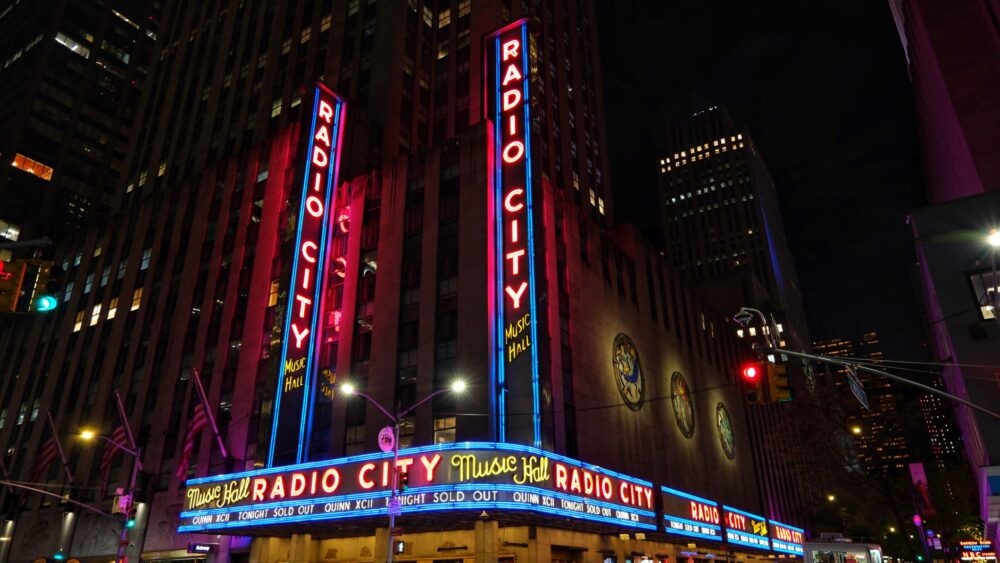
Broadway has always been a goldmine for baby names. The stage has a way of taking a name and making it feel electric, think of how Hamilton sent Alexander and Eliza soaring, or how Wicked turned Elphaba into a genuine contender for parents who want something singular. Broadway musical names carry built-in drama, warmth, and a story behind them, which is exactly what a name needs to do its job.
This list pulls from the canon: golden age classics, blockbuster revivals, and recent Tony darlings. Some names are the leads, some are scene-stealing supporting characters.
Golden Age Icons: Names from the Classic Broadway Era
The mid-twentieth century gave Broadway its backbone, and the names from that era have an old-soul elegance that feels newly fresh.
Eliza
The heart of My Fair LadyEliza Doolittle is one of the most beloved heroines in musical theatre history. The name is a trim, sparkling form of Elizabeth with Hebrew roots meaning “my God is an oath.” It sits comfortably in the top 100 today and still feels warm rather than trendy.
Maria
The name at the center of both The Sound of Music and West Side Story is hard to beat for sheer stage presence. Maria is Latin, rooted in the Hebrew Miriam, and has been a fixture across cultures for centuries. Few names carry this much melody in their syllables.
Annie
Scrappy, red-headed, and irrepressible, Annie from the 1977 musical gave this nickname-turned-given-name a cultural moment that never fully faded. It is a form of Ann, meaning “grace,” and it wears that meaning honestly. Upbeat and unfussy, it works across generations.
Nellie
Nellie Forbush is the optimistic Navy nurse at the heart of South Pacificand the name itself is a sunny, vintage charmer. A nickname form of Eleanor or Helen, Nellie is climbing back into favor among parents who love Ellie but want something with more personality.
Marian
The librarian at the center of The Music Man is clever, principled, and quietly wonderful. Marian is a medieval English form of Mary, and it has a gentle, literary quality that separates it from the more common Marion. A seriously underused name.
Adelaide
The long-suffering fiancee in Guys and Dolls gave this Old High German name (“noble kind”) a comedic, lovable face. Adelaide has surged in recent years and for good reason: it is substantial, nickname-friendly (Ada, Addie, Della), and has genuine theatrical roots.
Laurey
The heroine of Oklahoma! carries a name that is a lyrical, slightly unconventional take on Laura. It is rare in real-world use, which makes it genuinely distinctive for parents who love the show. A bold, prairie-flavored choice.
Liza
Distinct from Eliza, Liza stands on its own as a given name, energized most famously by Liza Minnelli, whose mother Judy Garland starred in The Wizard of Oz before Liza herself became a Broadway legend. Zippy and confident, it has more edge than its longer cousins.
Dolly
Hello, Dolly! is one of the most ebullient titles in the Broadway canon, and Dolly Levi herself is pure force of nature. The name is a pet form of Dorothy, meaning “gift of God,” and it has a bright, vintage warmth that fits the current revival of grandmother names.
Guenevere
The queen at the center of Camelot carries a name of Welsh origin meaning “white phantom” or “fair one.” It is the original form of Jennifer, which makes it feel both ancient and quietly ahead of the curve. Rare in modern use, which is part of its appeal.
Rodgers and Hammerstein Royalty
No partnership shaped the Broadway name landscape more than Rodgers and Hammerstein. Their heroines are some of the most fully drawn women on the musical stage.
Anna
Anna Leonowens of The King and I is principled, courageous, and magnificently stubborn. The name is crisp Hebrew-via-Latin, meaning “grace,” and it is one of those names that simply never goes wrong. It has been a top-tier choice globally for decades.
Julie
Julie Jordan is the female lead of Carousela show with a complicated legacy but an undeniably gorgeous score. Julie is a French form of Julia, ultimately from the Roman Julius. Soft and timeless, it peaked in the mid-twentieth century but feels warm rather than dated.
Carrie
Julie’s best friend in CarouselCarrie Pipperidge, is cheerful and grounded. The name is a diminutive of Caroline or Carol, and while it carries some horror-movie baggage from the Stephen King era, the Broadway association is purely sunny. A sweet, underappreciated choice.
Tuptim
The Burmese slave girl in The King and I carries a name that is genuinely rare in Western use but is a real Thai given name meaning “ruby.” For parents who love the show and want something truly singular, Tuptim is a conversation-starter with real roots.
Emile
The male lead of South PacificEmile de Becque, carries the French form of the Roman Aemilius. It is distinguished, understated, and just uncommon enough in English-speaking countries to feel special without being strange.
Stephen Sondheim Names
Sondheim wrote the most complex, literate musicals in the American canon, and his character names reflect that precision. Several are genuinely usable names with strong associations.
Sweeney
The demon barber of Fleet Street carries an Irish surname-turned-given-name meaning “little hero.” It is edgy, rhythmic, and undeniably cool for parents who love surname-style names with a dark literary edge. Surprisingly usable.
Johanna
The imprisoned young woman in Sweeney Todd has one of the most beautiful songs written for a soprano, and her name is just as lovely. Johanna is a Latin feminine form of John, meaning “God is gracious,” with a soft, slightly formal elegance. Well worth rediscovering.
Dot
The female lead of Sunday in the Park with George is a form of Dorothy, meaning “gift of God.” Short, punchy, and genuinely vintage, Dot is having a quiet moment as parents reach past Dotty and Dottie to the even terser form.
George
The painter at the center of Sunday in the Park with George carries a name that is classic, steady, and quietly rising again after years of being considered too plain. Greek in origin (meaning “farmer”), George has regained serious respect as a given name for boys.
Fosca
The tragic heroine of Passion carries an Italian name meaning “dark” or “gloomy.” It is extremely rare in English-speaking use, which makes it genuinely distinctive. For Sondheim devotees who want something that carries the weight of the material, Fosca is unforgettable.
Franklin
Franklin Shepard from Merrily We Roll Along is a name with solid American roots, meaning “free landholder” from Middle English. It is warm, substantial, and nickname-rich (Frank, Frankie). A confident vintage choice that feels current without trying too hard.
Bobby
The protagonist of Company is one of the most examined characters in musical theatre: a man circling commitment. Bobby is a pet form of Robert, meaning “bright fame,” and while it reads as casual, it has a specific mid-century New York energy that feels very alive right now.
Names from the 1980s and 1990s Broadway Boom
The era of the megamusical gave us grand spectacle and, along with it, some surprisingly wearable character names.
Christine
The soprano at the heart of The Phantom of the Opera carries a name of Latin origin meaning “follower of Christ.” Christine had its biggest popularity peak in the 1960s and 70s, but it is a name with genuine staying power. Elegant and serious, it is due for a comeback.
Raoul
Christine’s love interest in Phantom has a name of Old Norse-via-French origin, a form of Ralph meaning “wolf counsel.” Raoul is dashing, continental, and almost never heard on American children right now, which makes it genuinely distinctive.
Cosette
The young heroine of Les Miserables carries a French name whose origin is somewhat debated, likely a form of Nicole or a diminutive suggesting “little thing.” It is sweet, French, and has a delicate prettiness that has made it a genuine baby name choice for fans of the show.
Eponine
The tragic street girl of Les Miserables has a name drawn from an ancient Gaulish queen, Epona, a goddess associated with horses. It is rare, romantic, and carries an emotional weight that the musical only amplified. For parents who want something truly unusual with historical grounding, this is extraordinary.
Fantine
Cosette’s ill-fated mother in Les Miserables has a name that Victor Hugo likely invented or adapted, possibly from the French “enfant” (child). It is fragile, musical, and extremely rare. A deeply literary choice.
Javert
The relentless inspector of Les Miserables carries a name that Hugo likely constructed, with possible roots in Old French. Javert is an unusual choice for a given name but has been used. It is strong, authoritative, and carries an undeniable gravitas.
Marius
The idealistic young revolutionary in Les Miserables has a name of Roman origin, related to Mars, the god of war. Marius is elegant, pan-European, and far less common in English-speaking countries than it deserves to be. A genuinely strong choice.
Lumiere
The enchanted candelabra in Beauty and the Beast on Broadway carries a French name meaning “light.” It has been used as a given name, though rarely, and has an undeniable warmth and brightness to it. A bold, imaginative choice for a parent who loves the show.
Norbert
Not a lead, but a name that appeared in Broadway productions of Beauty and the Beast in supporting roles. Of Old High German origin meaning “bright north,” Norbert is clunky-charming in the way that Jasper and Herbert have become fashionable again. Worth watching.
Turn-of-the-Century and Early 2000s Hits
The years around 2000 produced several musicals with names that have genuinely entered the baby name conversation.
Elphaba
The name Greg Maguire invented for the Wicked Witch of the West is derived from the initials of L. Frank Baum (L.F.B. pronounced phonetically). It is theatrical, distinctive, and has developed a real fan base among parents who love Wicked. Genuinely usable, and Elphie is an adorable nickname.
Glinda
The Good Witch’s name in Wicked (and Baum’s original novels) is a variant of Glenda, a Welsh name meaning “clean and good” or “holy.” Glinda has a sparkly, vintage quality that is distinct from the more familiar Brenda or Linda. Surprisingly wearable.
Fiyero
The romantic lead of Wicked carries a name Maguire invented, but it has been used as a given name by fans of the show. It is rhythmic and striking, with an exotic sound that works in an international naming landscape. A committed choice for devoted fans.
Nessa
Elphaba’s sister in Wicked goes by Nessa (short for Nessarose), and as a standalone name it is a lovely, underused option. Nessa has Welsh and Hebrew roots as a name in its own right (a form of Agnes or a Welsh word for “pure”). Soft and distinctive.
Roger
One of the central characters in RentRoger carries an Old French name of Germanic origin meaning “famous spear.” It has a slightly retro feel now, which is exactly why it is worth a second look. Strong and unambiguous, Roger is due for the same rehabilitation as Gerald and Howard.
Mimi
The love interest in Rent (drawn from La Boheme) carries a name that is a pet form of Maria, Miriam, or Wilhelmina. Mimi is vivacious and slightly vintage, beloved in French culture and increasingly used as a standalone given name in English-speaking countries.
Maureen
The fiery performance artist in Rent carries an Irish form of Mary, meaning “beloved.” Maureen is a mid-century staple that has been quiet for decades but shares the vintage warmth of Eileen and Kathleen, both of which are climbing. Its time is probably coming.
Collins
Tom Collins from Rent is a surname used as a given name, which is completely in keeping with modern naming trends. Collins has genuine use as a given name, particularly for girls, and it has a crisp, literary feel. The Rent connection gives it warmth.
Angel
The beloved drag queen in Rent carries a name that is genuinely popular as a given name across cultures. Derived from the Latin “angelus” (messenger), Angel is used for both boys and girls and sits comfortably in the top 100 in the United States. The Rent association gives it extra depth.
Hamilton and the Lin-Manuel Miranda Effect
Hamilton is probably the single most influential musical for baby names in the last decade. The names it put back on the cultural radar are worth cataloguing.
Alexander
The name of the show’s protagonist, Alexander Hamilton, is Greek in origin meaning “defender of men.” It has been a consistent top-10 name for boys in the United States for years, and Hamilton gave it an undeniable new energy. Nickname options are generous: Alex, Xander, Lex.
Angelica
Eliza’s sharp, witty sister Angelica Schuyler is one of the most compelling characters in Hamilton. The name is derived from “angel,” with Latin roots, and it has a lush, somewhat formal beauty. Angie is the obvious nickname. A name that deserves more use than it currently gets.
Peggy
The youngest Schuyler sister gets the most memorable lyric (“and Peggy”), and the name itself is a form of Margaret, meaning “pearl.” Peggy is deeply vintage and delightfully quirky, the kind of grandmother name that sounds fresh precisely because it has been so quiet. Genuinely charming.
Aaron
Aaron Burr, the show’s antagonist, carries a Hebrew name meaning “high mountain” or “exalted.” Aaron has been a steady top-100 name for decades and the show gave it a complex, compelling new face. It is strong, familiar, and ages extremely well.
Philip
Alexander Hamilton’s son Philip has a Greek name meaning “lover of horses.” The show’s devastating portrayal of his short life gave the name an emotional resonance it did not have before. Philip is a classic that feels quietly distinguished rather than trendy.
Lafayette
The Marquis de Lafayette is one of the show’s most electrifying characters, and Lafayette as a given name has genuine American historical use. It is a French place-name turned surname turned given name, and it carries an adventurous, patriotic energy. Laf or Faye are possible nicknames.
Hercules
Hercules Mulligan is a real historical figure celebrated in Hamiltonand his first name is the Latinized form of the Greek Herakles (meaning “glory of Hera”). It is bold and mythological, the kind of name that requires confidence to use but rewards it fully.
Theodosia
Aaron Burr’s daughter Theodosia is the subject of one of the show’s most tender songs. The name is Greek, meaning “gift of God,” and it is lavishly uncommon. Theo is a trim, modern nickname that makes the longer form easier to wear. A spectacular choice for parents who love the show.
Recent Tony Award Favorites
The last decade of Broadway has produced a new wave of character names worth considering, from intimate dramas to splashy spectacles.
Evan
The protagonist of Dear Evan Hansen carries a Welsh form of John, meaning “God is gracious.” Evan is clean, modern, and genuinely likable. The show gave it a nuanced, emotionally complicated story that makes the name feel layered rather than plain.
Zoe
Evan’s love interest in Dear Evan HansenZoe Murphy, carries a Greek name meaning “life.” Zoe has been a top-50 name for girls for years and the show gave it a thoughtful, bookish character to anchor it. Enduringly popular for good reason.
Jared
The sharp-tongued friend in Dear Evan Hansen carries a Hebrew name meaning “he who descended” or “rose.” Jared peaked in the 1980s and 90s but has the feel of a name that could quietly return, particularly as parents revisit that era for overlooked gems.
Alana
Alana Beck in Dear Evan Hansen carries a name of uncertain but likely Gaelic or Old German origin, possibly meaning “precious” or “little rock.” Alana is warm and melodic, less common than Elena but just as easy to wear. A lovely, underappreciated choice.
Benji
A character name in Fun HomeBenji is a friendly, vintage form of Benjamin, meaning “son of the right hand.” It has genuine use as a standalone given name and is currently riding the wave of affectionate vintage nicknames like Archie and Bertie.
Alison
The central figure of Fun HomeAlison Bechdel’s memoir-turned-musical gave this name a complex, literary identity. Alison is a medieval French form of Alice, meaning “noble,” and it is a thoughtful, underused alternative to the more common Allison.
Bruce
Alison’s father in Fun Home carries a Scottish surname-turned-given-name of Old French origin. Bruce was enormously popular mid-century and is now quiet enough to feel refreshingly retro. A strong, understated choice with serious literary credentials from the show.
Hadley
A name that has appeared in recent Broadway productions and carries a genuine place in the current baby name landscape as a surname-style unisex name. Old English in origin, meaning “heather field,” Hadley is stylish and modern without being invented.
Lola
The show-stopping drag queen in Kinky Boots carries a name that is a diminutive of Dolores, meaning “sorrows.” Lola has surged in popularity and has an irresistible rhythm. The Kinky Boots connection gives it flair and defiance in equal measure.
Charlie
The factory owner at the center of Kinky Boots carries a name that is a nickname form of Charles, meaning “free man.” Charlie has crossed the gender line decisively and now sits in the top 20 for girls in several English-speaking countries while remaining strong for boys. Endlessly likable.
Abe
A supporting character name in several Broadway productions, Abe is a trim, confident form of Abraham, meaning “father of many.” It is having a genuine moment as parents reach for short, strong vintage names. Direct and warm.
Toby
A character in both Sweeney Todd and various other Broadway productions, Toby is a form of Tobias, meaning “God is good.” It has a soft, friendly energy that works beautifully on a child and ages surprisingly well into adulthood.
Names with Broadway Spirit: Supporting Characters and Scene-Stealers
Some of the best Broadway names belong to supporting characters, ensembles, and figures who steal the show in a single scene.
Harold
Harold Hill from The Music Man is one of Broadway’s great con-men, and the name itself is Old English meaning “army ruler.” Harold is deep-vintage, sitting comfortably alongside Herbert and Bernard as a name that the coolest parents are quietly rediscovering.
Ethel
Ethel Merman defined Broadway for a generation, and the name itself (Old English, meaning “noble”) has the kind of grandmotherly warmth that is currently very fashionable. It is clunky in the best possible way, like Pearl and Myrtle, names that are coming back fast.
Velma
Velma Kelly from Chicago carries a name of uncertain origin, possibly a form of Wilhelmina. It has a smoky, 1920s nightclub quality that fits the show’s aesthetic perfectly. Very rare on children today, which makes it genuinely striking.
Roxie
Roxie Hart from Chicago
carries a name that is a diminutive of Roxanne, ultimately from the Persian Roshanak meaning “bright dawn.” Roxie has a flashy, confident energy that the character wears perfectly. It is climbing in real-world use and has real star quality. Billy Flynn, the slick lawyer in Chicagocarries a name that is a form of William, meaning “resolute protector.” Billy is a nickname that has become a given name in its own right, currently enjoying a revival as part of the broader trend toward friendly vintage names for boys. Mama Morton in Chicago is typically referred to by her nickname, but the character has driven real affection for vintage names with that matronly warmth. As a given name, Mama is rare but documented in some cultures, and the Chicago connection gives it a tough, loving quality. A name that appears across multiple Broadway productions, from ensemble members to principal roles, Clara is a Latin name meaning “bright” or “clear.” It has been climbing steadily and has a clean, confident sound that works in almost any context. Flora appears in several Broadway productions and carries a Latin name meaning “flower.” It is delicate but not fussy, the kind of name that sounds equally good on a toddler and a grandmother. Currently rising alongside Nora and Cora as part of a wave of soft-ending vintage names. A name that recurs across Broadway history and currently sits near the top of the charts for boys. Latin for “lion,” Leo is short, strong, and genuinely popular right now. On Broadway it appears in everything from ensemble roles to leading parts, and it has an easy confidence that is hard to argue with. A short, punchy form of Salvador or Salvatore (meaning “savior”) or of Sally (a form of Sarah), Sal has appeared across Broadway productions as a given name and nickname. It has a no-nonsense, vintage New York energy that fits the theatrical world perfectly. The best Broadway-inspired baby names are the ones where the association feels like a bonus rather than a burden. Start by asking whether the name works on its own: can it stand up without the show as context? Eliza, Marius, and Theodosia are all names that would be excellent choices even if their musicals had never been written. That is the foundation. Think about how the character reflects the name. If you are drawn to Elphaba, you are choosing a name that means something specific: it was invented for a character who is misunderstood, powerful, and ultimately triumphant. That is a lot of meaning to carry, and for many parents it is exactly the right kind of meaning. If you love Roxie, you are picking a name with showmanship and a certain willingness to be seen. Names from musicals carry their characters with them, which can be a feature rather than a bug. Consider the full arc of the name: how it sounds in a school roll call, on a resume, at a retirement dinner. Broadway musical names skew toward names with history and substance, which means most of them age beautifully. Adelaide at 70 sounds as good as Adelaide at 7. That longevity is worth considering alongside the theatrical spark. Finally, think about how well-known the association is. Cosette signals Les Miserables immediately and broadly. Fosca signals Passion to a much smaller audience. Neither is wrong, but the level of recognition will shape how people respond to the name over time. A name that only theatre nerds recognize might be exactly what you want, or it might feel like an in-joke that gets old. Only you know your crowd. Broadway has always told stories about people at the height of their feeling. The names it gave those people carry that energy. A well-chosen name from the musical stage is one of the most spirited things you can give a child.Billy
Mama
Clara
Flora
Leo
Sal
How to Choose a Broadway-Inspired Name for Your Child