

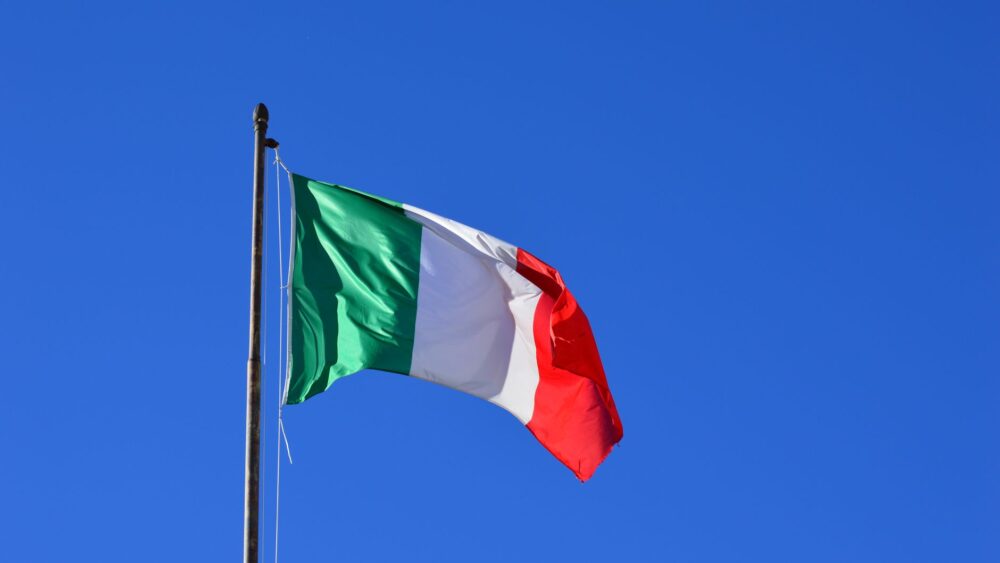
Italian girl names have a quality that is almost impossible to fake: that rolling, vowel-rich musicality that makes even the simplest name feel like a sentence worth saying aloud. They carry centuries of Catholic tradition, Renaissance art, Roman mythology, and the everyday warmth of Italian family life all at once. Whether a name comes from Latin roots, ancient Greek, or the medieval Italian countryside, it tends to land with a beauty that translates across borders.
This list covers 55 of the most beautiful, interesting, and genuinely usable Italian girl names, grouped by feel and theme. Each entry includes the meaning, a plain-English pronunciation guide, and a note on what makes it worth considering. These names range from classics you already know to overlooked treasures that deserve far more attention outside Italy.
Classic Italian Girl Names That Never Go Out of Style
These are the names that have anchored Italian families for generations. They feel grounded, elegant, and immediately recognizable without being overused in most English-speaking countries.
Giulia
The Italian form of Julia, from the Latin Iulius, likely meaning “youthful” or descended from the Roman family name. Pronounced JOO-lya, it is consistently one of the top names given to girls in Italy. It has a crispness that the English Julia slightly lacks.
Chiara
From the Latin clarus, meaning “clear” or “bright.” Pronounced KYAH-rah, this is the Italian equivalent of Claire, but it carries a different weight entirely. Saint Chiara of Assisi gave the name deep spiritual roots in Italian culture.
Sofia
From the Greek sophia, meaning “wisdom.” Pronounced so-FEE-ah. Sofia has climbed to the top of charts across Europe and the Americas, and for good reason: it is graceful, international, and immediately understood in any language.
Lucia
From the Latin lux, meaning “light.” Pronounced loo-CHEE-ah in Italian. Saint Lucia is one of the most beloved saints in the Catholic calendar, and this name has been used continuously in Italy for well over a thousand years. It is warm, luminous, and quietly powerful.
Valentina
The feminine form of Valentinus, rooted in the Latin valens, meaning “strong” or “healthy.” Pronounced vah-len-TEE-nah. It feels both romantic and sturdy, which is a rare combination for a name to pull off.
Caterina
The Italian form of Katherine, traced back to the Greek name Aikaterine, of uncertain origin but long associated with the Greek katharos, meaning “pure.” Pronounced kah-teh-REE-nah. This is the Katherine that feels like it belongs in a Renaissance portrait.
Francesca
The feminine form of Francesco, meaning “from France” or “free one,” from the Latin Franciscus. Pronounced fran-CHEH-skah. Francesca da Rimini, immortalized in Dante’s Inferno, gave this name a poetic gravity it has never fully shaken.
Isabella
A medieval Latinate form of Elizabeth, ultimately from the Hebrew Elisheba, meaning “my God is an oath” or “my God is abundance.” Pronounced iz-ah-BEL-lah. It is a top-ranked name globally right now, but its Italian roots give it a depth that transcends the trend.
Elisabetta
The distinctly Italian form of Elizabeth, carrying the same Hebrew root. Pronounced eh-lee-zah-BET-tah. Less international than Isabella, which actually makes it feel more special outside Italy. The full, rolling four syllables are magnificent.
Margherita
The Italian form of Margaret, from the Greek margarites, meaning “pearl.” Pronounced mar-geh-REE-tah. Yes, it shares its name with the pizza, but that association is actually rooted in the same beauty: the pizza was said to be named for Queen Margherita of Savoy.
Romantic and Lyrical Italian Girl Names
These names lean into the musicality that Italian is famous for. They are longer, more elaborate, and feel almost like small poems when spoken.
Alessandra
The Italian feminine form of Alessandro (Alexander), from the Greek meaning “defender of men.” Pronounced ah-les-SAN-drah. It has a stateliness that the shorter Alexandra just does not match.
Serafina
From the Hebrew seraphim, the fiery angels of the Old Testament. Pronounced seh-rah-FEE-nah. This name is criminally underused outside of Italy and Spanish-speaking countries. It sounds celestial without being fussy.
Fiammetta
From the Italian fiamma, meaning “little flame.” Pronounced fyam-MET-tah. Boccaccio used it as a name in his writing, and it has a spark of Renaissance literary romance that few names can match.
Leonora
A variant of Eleanor or Eleonora, of uncertain ultimate origin, possibly from the Provencal Aliénor. Pronounced leh-oh-NOH-rah. Used throughout Italian opera history, it feels dramatic and deeply beautiful.
Eleonora
The fuller Italian form, pronounced eh-leh-oh-NOH-rah. A name carried by Italian noblewomen for centuries, including Eleonora d’Este and Eleonora di Toledo. It is regal without being stiff.
Ottavia
The feminine form of Octavius, from the Latin octavus, meaning “eighth.” Pronounced ot-TAH-vyah. An ancient Roman name that sounds surprisingly fresh and modern on a girl today.
Lavinia
Of Latin origin, possibly derived from Lavinium, an ancient city of Latium. In Roman myth, Lavinia was the wife of Aeneas and considered the mother of the Roman people. Pronounced lah-VEE-nyah. Stately and mythological in the best possible way.
Ornella
From the Italian word for the flowering ash tree, ornello. Pronounced or-NEL-lah. A name that is almost entirely Italian and largely unknown elsewhere, which gives it a wonderful exclusivity.
Rosalba
A compound of the Italian rosa (rose) and alba (white, or dawn), giving it a meaning of “white rose” or “rose at dawn.” Pronounced roh-ZAL-bah. Romantic, old-fashioned in Italy, and entirely fresh outside it.
Gelsomina
From the Italian gelsomino, meaning “jasmine.” Pronounced jel-so-MEE-nah. It is elaborate and old-world, most famous from Fellini’s film La Strada, where it was the name of the tragic heroine played by Giulietta Masina.
Strong and Saintly Italian Girl Names
The Catholic calendar has given Italian families a deep pool of names with real history and spiritual weight. These are names that have been worn by saints, queens, and remarkable women for centuries.
Agnese
The Italian form of Agnes, from the Greek hagnos, meaning “pure” or “chaste.” Pronounced ah-NYEH-zeh. Saint Agnes is one of the early Christian martyrs, and her feast day on January 21 has kept this name in Italian use for two millennia.
Cecilia
From the Roman family name Caecilius, possibly derived from the Latin caecus, meaning “blind.” Pronounced che-CHEE-lyah in Italian. Saint Cecilia is the patron saint of music, which gives this name a lovely built-in resonance.
Benedetta
The feminine form of Benedetto (Benedict), from the Latin benedictus, meaning “blessed.” Pronounced beh-neh-DET-tah. Bold and underused in English-speaking countries, it has a warmth and directness that is hard not to love.
Assunta
From the Latin assumpta, referring to the Assumption of the Virgin Mary. Pronounced ah-SOON-tah. A deeply Italian Catholic name, tied to the August 15 feast day. It is old-fashioned even in Italy, but its spiritual weight is undeniable.
Concetta
From the Italian Concezione, referring to the Immaculate Conception of the Virgin Mary. Pronounced kon-CHET-tah. A name that was common among Italian-American immigrant families and deserves a modern reconsideration.
Immacolata
From the Latin immaculata, meaning “immaculate” or “spotless,” again referring to the Immaculate Conception. Pronounced im-mah-ko-LAH-tah. Extravagant and unmistakably Italian, with the nickname Imma making it completely wearable.
Serena
From the Latin serenus, meaning “calm” or “serene.” Pronounced seh-REH-nah. Used as a given name in Italy for centuries, carried by an early Christian martyr, and now internationally recognized through tennis legend Serena Williams.
Grazia
From the Latin gratia, meaning “grace.” Pronounced GRAH-tsyah. This is the Italian equivalent of Grace, but it feels more expressive and less clipped. It was famously borne by Grazia Deledda, the Italian novelist who won the Nobel Prize in Literature in 1926.
Nature-Inspired Italian Girl Names
Italians have long drawn on the natural world for names, especially flowers, light, and the landscape of the Italian peninsula itself.
Aurora
From the Latin word for “dawn.” Pronounced ah-OO-rah in Italian, aw-ROH-rah in English. Aurora was the Roman goddess of the dawn, and the name has quietly become a powerhouse in Italian naming charts. It is both mythological and immediately usable.
Rosa
From the Latin rosa, meaning “rose.” Pronounced ROH-zah. One of the oldest flower names in continuous use, deeply embedded in Italian Catholic tradition through Saint Rosa da Lima. Simple and beautiful.
Viola
From the Latin viola, the name of the violet flower. Pronounced VYOH-lah in Italian. Also the name of the heroine in Shakespeare’s Twelfth Night, which gives it a literary dimension alongside its natural one.
Fiora
From the Italian fiore, meaning “flower.” Pronounced FYOH-rah. A softer, more fluid alternative to Flora, with a distinctly Italian feel. It appears in medieval Italian literature and in the opera La Fiamma.
Alba
From the Latin alba, meaning “white” or “dawn.” Pronounced AL-bah. Used as both a place name (the Piedmontese city) and a personal name in Italy. It is short, strong, and quietly luminous.
Stella
From the Latin stella, meaning “star.” Pronounced STEL-lah. A name that has been used in Italy for centuries and has enjoyed a major international revival in recent years. It is bright without being flashy.
Celestina
The feminine form of Celestino, from the Latin caelestis, meaning “heavenly” or “of the sky.” Pronounced cheh-les-TEE-nah. A name with a celestial gentleness, used in Italy since the medieval period.
Marina
From the Latin marinus, meaning “of the sea.” Pronounced mah-REE-nah. A name used across Italy, especially in coastal regions. It is both classic and evocative, with a freshness that comes directly from its maritime roots.
Neve
From the Italian neve, meaning “snow.” Pronounced NEH-veh. Short, crisp, and visually striking. It is a relatively modern given name in Italy, but it has been gaining use steadily and has real crossover appeal.
Vintage Italian Girl Names Worth Reviving
These names peaked in Italy decades or even centuries ago and feel genuinely old-fashioned there, which paradoxically makes them feel fresh and interesting to ears outside the country.
Ines
The Italian (and Spanish and Portuguese) form of Agnes, from the Greek hagnos, meaning “pure.” Pronounced EE-nes in Italian. Elegant and minimalist, it has been climbing back into favor across Europe.
Adele
From the Germanic root adal, meaning “noble.” Pronounced ah-DEH-leh in Italian. A name used in Italy since the medieval period, it has obvious international recognition through the British singer, but its Italian roots are entirely genuine.
Erminia
Possibly derived from the Latin Herminius or the Germanic name Herman, meaning “army man,” but used as a feminine name in Italy since at least the sixteenth century. Pronounced er-MEE-nyah. Rare, literary, and deeply Italian.
Ida
Of Germanic origin, from id, meaning “work” or “labor,” and used in Italy since the medieval period. Pronounced EE-dah. Short, strong, and completely out of fashion in a way that makes it ripe for revival.
Amalia
The Italian form of Amelia or Amalia, from the Germanic root amal, related to “work” or the Amal dynasty of the Goths. Pronounced ah-MAH-lyah. It feels softer and more European than the more common Amelia.
Elvira
Possibly from the Gothic or Visigothic elements meaning “all true” or “foreign truth,” used in Italy since the medieval period via Spanish influence. Pronounced el-VEE-rah. Bold and dramatic, it is absolutely due for a reconsideration.
Palmira
Derived from palma, the Latin word for the palm tree, associated with pilgrimage and the ancient city of Palmyra. Pronounced pal-MEE-rah. Used in Italy as a given name for centuries, particularly in the south. Unusual and beautiful.
Noemi
The Italian form of Naomi, from the Hebrew no’omi, meaning “pleasant” or “my delight.” Pronounced no-EH-mee. A biblical name that has been in continuous Italian use and feels far more delicate than its English counterpart.
Enrichetta
The Italian feminine diminutive of Enrico (Henry), from the Germanic elements meaning “home ruler.” Pronounced en-ri-KET-tah. Extravagant and old-fashioned in the best way, with the nickname Etta making it entirely practical.
Short and Sweet Italian Girl Names
Not every Italian name needs four syllables and a dramatic arc. These short names carry just as much character in a more compact form.
Pia
From the Latin pius, meaning “pious” or “devout.” Pronounced PEE-ah. Simple, strong, and carrying real spiritual weight in the Italian Catholic tradition. It is the kind of name that feels effortless and deeply considered at the same time.
Mia
Used in Italy as a diminutive of Maria, from the Hebrew Miryam, of uncertain but ancient origin. Pronounced MEE-ah. Enormously popular globally right now, but its Italian roots as a nickname-turned-given-name give it context.
Lara
Possibly derived from Larunda, a figure in Roman mythology, or used as a short form of Laura. Pronounced LAH-rah. Used as an independent given name in Italy and internationally. It is spare, elegant, and entirely wearable.
Dina
Used in Italy as a short form of names ending in -dina, such as Bernardina, but also as an independent name derived from the Hebrew Dinah, meaning “judged” or “vindicated.” Pronounced DEE-nah. Quiet and underestimated.
Nora
Used in Italy as a short form of Eleonora or Leonora. Pronounced NOH-rah. It has become a standalone name in its own right across Italy and much of the world, and its simplicity is genuinely appealing.
Rita
Originally a short form of Margarita or Margherita, from the Greek margarites, meaning “pearl.” Pronounced REE-tah. Saint Rita of Cascia is one of the most beloved saints in Italy, and the name carries enormous warmth in Italian culture.
Distinctive and Rare Italian Girl Names
These are the names that even Italians do not use very often anymore, but that have real history, beautiful sounds, and genuine naming potential for parents who want something truly unusual.
Orsola
The Italian form of Ursula, from the Latin ursa, meaning “little bear.” Pronounced or-SOH-lah. Saint Ursula was enormously popular in medieval Europe, and the Italian form has a softness and roundness that the English version lacks.
Tiziana
The feminine form of Tiziano, the Italian form of the Roman family name Titianus. Pronounced tee-TSYAH-nah. Distinctly Italian, immediately recognizable as such, and rarely heard outside the country. It sounds like a name for someone remarkable.
Fiorella
A diminutive of Fiora or Fiorina, from the Italian fiore, meaning “little flower.” Pronounced fyo-REL-lah. Sweet without being saccharine, and almost entirely unknown outside Italy and Italian communities. A genuine find.
Rosaria
From the Latin rosarium, referring to the rosary. Pronounced roh-ZAH-ryah. A deeply Catholic Italian name, given in honor of the Virgin of the Rosary. It is old-fashioned in Italy but sounds fresh and unusual elsewhere.
Maristella
A compound of Maria and Stella, giving it a meaning of “star of Mary” or simply combining two beautiful Italian names. Pronounced mah-ree-STEL-lah. A compound name in the Italian tradition that works beautifully as a whole.
Silvana
The feminine form of Silvano, from the Latin silva, meaning “forest.” Pronounced sil-VAH-nah. Connected to Silvanus, the Roman god of forests and fields. It has a natural, earthy depth and was a common name in mid-twentieth-century Italy.
Tancreda
The feminine form of Tancredo, from the Germanic elements thank (thought) and rad (counsel), used in Norman and then Italian medieval tradition. Pronounced tan-KREH-dah. Rare, medieval, and completely unforgettable.
How to Choose the Right Italian Girl Name
The first question worth asking is whether you want a name that reads as Italian everywhere, or one that translates smoothly into English and other languages. Names like Sofia, Aurora, and Stella have already crossed over so thoroughly that most people would not identify them as specifically Italian. Names like Fiammetta, Tiziana, or Immacolata are unmistakably Italian and will require some explanation outside Italy, which is either a feature or a challenge depending on your situation.
Pronunciation matters more with Italian names than with many other naming traditions, because the sounds are precise and the spelling follows clear rules. The Italian ch is always a hard K sound (Chiara = KYAH-rah), ci before a vowel is a CH sound (Lucia = loo-CHEE-ah, Cecilia = che-CHEE-lyah), and the letter G before E or I is soft like the English J (Giulia = JOO-lya). Learning these few rules means you can pronounce any Italian name correctly, which is a real gift when you are introducing your child’s name for the first time.
Think about the syllable count and how the name will pair with your surname. Italian names tend to be multi-syllabic, which means they can feel heavy alongside a long surname. A two-syllable Italian name like Chiara, Viola, or Stella often pairs beautifully with a longer family name, while a four-syllable name like Alessandra or Elisabetta works best with something short and punchy. The rhythm of the full name matters as much as the name itself.
Finally, consider the nickname landscape. Many Italian names come with beautiful built-in short forms that make them practical for everyday use. Francesca becomes Franca or Cesca. Elisabetta becomes Betta or Lisa. Immacolata becomes Imma. Enrichetta becomes Etta. The full name can be saved for formal occasions while the nickname does the daily work, which is exactly how Italian families have used these names for generations.
Italian girl names carry something that is genuinely hard to manufacture: the weight of a culture that has always taken beauty seriously. Whether you choose a name that is already familiar to English-speaking ears or one that will need a moment of explanation, you are drawing on a naming tradition that is both ancient and alive. That is a strong foundation for any name.