

Popular names by state tell a story that national charts simply can’t. The same year that Liam tops the country, a handful of states are quietly crowning names like Wyatt, Elijah, or Theodore as their own favorites. Regional culture, heritage, religion, and even geography all push naming trends in distinct directions, and tracking those differences reveals something genuinely interesting about where American families are right now.
What follows is a state-by-state look at the names that have been dominating birth records across the US, grouped by region. Each entry reflects real naming patterns drawn from state vital statistics and SSA data trends. Whether a name is a regional powerhouse or a national name that happens to run especially deep in one place, every pick here is rooted in actual recorded use.
New England: Classic Roots, Modern Edge
New England states consistently lean toward names with old-world gravitas and literary credibility. Think less trendy, more enduring, with a strong preference for names that feel both intelligent and understated.
Oliver (Massachusetts)
Oliver has been a consistent top performer in Massachusetts for several years running, riding the national wave of O-names but landing with particular force in the Boston metro area. It carries Latin roots meaning “olive tree,” and its bookish, slightly old-fashioned charm fits New England’s sensibility exactly.
Eleanor (Connecticut)
Eleanor is a Connecticut staple that keeps climbing. Old French in origin, it traces back to a form of Helen meaning “bright” or “light,” and it carries the kind of dignified weight that Connecticut parents tend to gravitate toward. Eleanor Roosevelt gave it presidential resonance that still matters here.
Henry (Maine)
Henry has become one of Maine’s most consistent boy names, a Germanic name meaning “home ruler” that feels both rugged and refined. Maine parents tend to favor names that don’t shout, and Henry delivers quiet confidence.
Charlotte (Vermont)
Vermont has embraced Charlotte with real enthusiasm, and it makes sense: the name is French, a feminine form of Charles meaning “free man,” and it carries both royal associations and a soft naturalistic sound that suits Vermont’s character. It has been a top-five name here for several years.
Nora (Rhode Island)
Nora is short, strong, and deeply rooted in Irish heritage, which resonates in Rhode Island’s historically Catholic and Irish-influenced communities. It derives from Honora, an old name built on the Latin “honor,” and its brevity and warmth have made it a consistent favorite.
Evelyn (New Hampshire)
Evelyn has surged in New Hampshire as part of the broader revival of vintage names ending in -lyn. Originally an English surname evolved from Aveline, it has a delicate sound with serious historical backing, and New Hampshire parents have clearly taken notice.
The Mid-Atlantic: Diverse, Urban, Forward-Looking
Mid-Atlantic states have some of the most diverse naming pools in the country, shaped by large immigrant communities, urban centers, and a cultural mix that means both global names and classic American staples thrive side by side.
Liam (New York)
Liam has held the top spot in New York for multiple years and shows no real sign of losing it. The Irish short form of William, meaning “resolute protector,” it has crossover appeal across every demographic in a state as varied as New York. It’s the rare name that works in every borough.
Sofia (New Jersey)
Sofia consistently ranks near the top for girls in New Jersey, driven in part by the state’s large Latino and Italian communities, both of which favor this spelling over the Greek-origin Sophie. It means “wisdom” in Greek and carries a warmth that crosses cultural lines easily.
Aaliyah (Pennsylvania)
Aaliyah has been a strong and persistent presence in Pennsylvania’s birth records, particularly in Philadelphia. Of Arabic origin meaning “exalted” or “sublime,” it gained massive cultural momentum from the late R&B singer Aaliyah, and it has never fully retreated from the charts since.
Sebastian (Maryland)
Sebastian has been climbing steadily in Maryland, a state with a significant Latino population and strong Catholic heritage, both of which favor this name. It derives from the Greek Sebastianos, meaning “from Sebaste,” and the saint connection gives it spiritual weight while the sound gives it flair.
Ethan (Delaware)
Ethan has been a Delaware mainstay for well over a decade. Hebrew in origin, meaning “strong” or “enduring,” it hit its national peak in the early 2010s but has maintained remarkable staying power in smaller states like Delaware where trends move a little more slowly and classics hold their ground.
The South: Heritage, Faith, and Bold Choices
The South has the most distinctive naming culture in the country. Biblical names run deep, family surnames turned first names are everywhere, and there’s a genuine appetite for names that feel significant, whether that means rooted in faith, family legacy, or Southern literary tradition.
Elijah (Georgia)
Elijah is a powerhouse in Georgia, one of the most consistently top-ranked names in the state for boys. The Hebrew name meaning “my God is Yahweh” has deep roots in both the Black church tradition and broader Southern evangelical culture. It’s both spiritually meaningful and genuinely beautiful to say.
Ava (Tennessee)
Ava has been Tennessee’s go-to girl name for years, a sleek Latin-rooted name (from Avis, meaning “bird”) that also carries the legacy of Ava Gardner, one of the great Hollywood stars with deep Southern roots. Short, strong, and unmistakably feminine.
Mason (Texas)
Mason became a phenomenon in Texas and shows remarkable staying power. An occupational surname turned first name, it carries the rugged, capable image that fits Texas culture perfectly. It hit national number one status around 2011 and still charts extremely high across the Lone Star State.
Harper (Alabama)
Harper is particularly resonant in Alabama, the home state of Harper Lee, and the name has become one of the most beloved girl names in the state. Originally an English occupational surname for a harp player, it got its baby name energy from the author of “To Kill a Mockingbird” and has never looked back.
Wyatt (Arkansas)
Wyatt is deeply embedded in Arkansas’s naming culture, an Old English surname meaning “brave in war” that carries a frontier, Western edge. It has been a top choice for boys in the state for several years, fitting naturally into a culture that values names that feel strong and rooted in history.
Amelia (Florida)
Amelia thrives in Florida, a state with massive demographic diversity, partly because it travels across languages beautifully. Of Germanic origin, meaning “work,” it has Latin and Spanish-language appeal (Amelia works seamlessly in Spanish), making it a top choice in a state where multicultural naming is the norm.
Noah (Mississippi)
Noah is the dominant boy name in Mississippi, a state where Biblical names carry enormous cultural weight. The Hebrew name, meaning “rest” or “comfort,” is the name of the ark-builder and has been among the most-used names nationally for years, but it runs especially deep in Mississippi’s faith-forward communities.
James (Virginia)
Virginia has a genuine obsession with James, and it makes historical sense: Virginia is the birthplace of more US presidents named James than any other state. The name derives from the Hebrew Ya’aqov (Jacob), meaning “supplanter,” but it has long outgrown that etymology and simply means “classic American” to most parents.
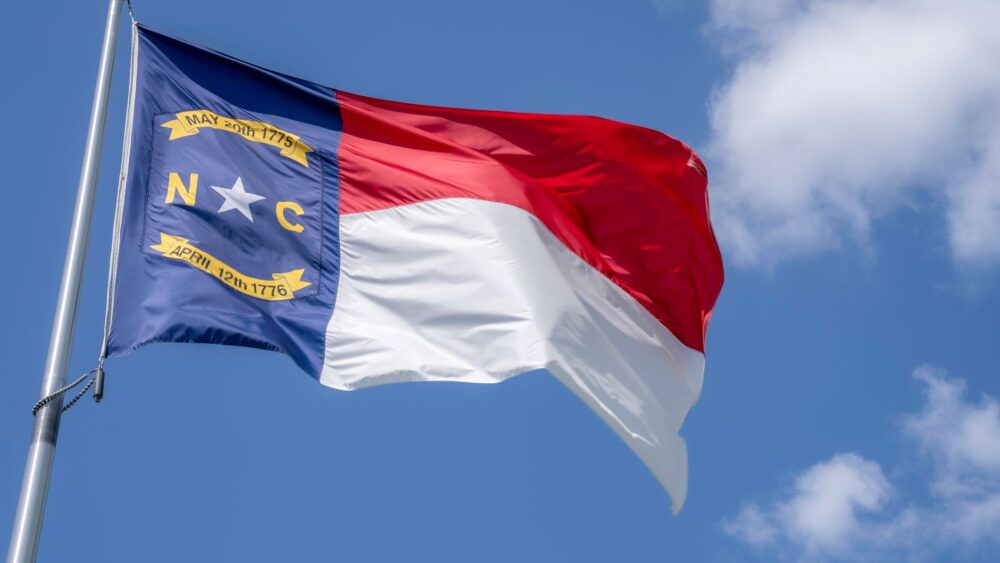
Cora (North Carolina)
Cora has been rising steadily in North Carolina as part of the Southern vintage revival. It is of Greek origin, a form of Kore meaning “maiden,” and it has a warmth and simplicity that fits the Southern aesthetic for girl names: pretty without being fussy, old without feeling dusty.
Jackson (South Carolina)
Jackson is a consistent top name for boys in South Carolina, where presidential surnames have deep cultural meaning. Andrew Jackson’s legacy looms large in the Carolinas, and the name, an English surname meaning “son of Jack,” carries a confident, Southern gentlemanly weight.
Savannah (Louisiana)
Savannah has obvious Southern appeal and runs especially strong in Louisiana. Originally a place name derived from a Taino word for “flat treeless plain,” it became a given name through place-name adoption and now reads as quintessentially Southern, lush, and romantic.
Luke (Kentucky)
Luke is a steady top name in Kentucky, a state where short, strong, Biblical names dominate. The Greek form of Lucius, associated with the evangelist Saint Luke, it has a clean, no-nonsense sound that suits Kentucky’s naming sensibility perfectly.
William (West Virginia)
William has been the top or near-top name for boys in West Virginia for years, a Germanic classic meaning “resolute protector” that carries multigenerational family name weight. West Virginia has strong Scots-Irish heritage, and William is a name that has moved through those family trees for centuries.
The Midwest: Solid, Warm, and Quietly Stylish
Midwestern naming culture prizes substance over flash. Names here tend to be warm, approachable, and deeply familiar, but a quiet stylishness has been creeping in as the region tracks national trends in its own measured way.
Oliver (Ohio)
Oliver is performing just as strongly in Ohio as it is in Massachusetts, making it one of the most geographically consistent names in the country right now. Ohio parents are drawn to its easy warmth and the way it feels both classic and fresh at the same time.
Emma (Michigan)
Emma is Michigan’s reigning girl name, a Germanic name meaning “whole” or “universal” that has dominated national charts for years. It has a simplicity and elegance that Midwestern parents love, and its short, clean sound pairs well with almost any surname.
Theodore (Minnesota)
Theodore has been surging in Minnesota, fitting the state’s taste for names that feel substantial and slightly old-fashioned. Greek in origin, meaning “gift of God,” it comes with the excellent nicknames Theo and Teddy, and Minnesota parents are using both with enthusiasm.
Olivia (Illinois)
Olivia has dominated Illinois girl name charts for years, a Latin name meaning “olive tree” that Shakespeare likely coined or popularized in “Twelfth Night.” It has been a national number-one name and Illinois has been fully on board with that consensus for a long time.
Charlotte (Wisconsin)
Charlotte runs strong in Wisconsin alongside its national strength, and the state’s significant French and German heritage gives it extra local resonance. Wisconsin parents tend toward names that feel refined without being pretentious, and Charlotte fits that brief precisely.
Evelyn (Iowa)
Evelyn has become a top choice for girls in Iowa, where vintage names with gentle sounds have been gaining ground for a decade. Iowa naming trends tend to follow national patterns but with a slight lag, which means Evelyn’s moment here is just hitting its peak right now.
Henry (Indiana)
Henry is a fixture in Indiana’s top names, consistent and reliable in a state that tends to favor names with clear histories and no gimmicks. Indiana families appreciate the way Henry feels both approachable and solid, the kind of name that ages well at every stage of life.
Sophia (Missouri)
Sophia is a perennial top name in Missouri, the -ia spelling giving it a slightly more formal feel than Sofia while keeping the Greek meaning of “wisdom” intact. Missouri sits at the cultural crossroads of the Midwest and the South, and Sophia works in both registers comfortably.
Liam (Kansas)
Liam has broken through in Kansas as one of the top boy names in the state, part of the national dominance of this Irish short form of William. Kansas parents have embraced it for its brevity and strength, two qualities that tend to resonate across the Great Plains.
Abigail (Nebraska)
Abigail is a consistent performer in Nebraska, a Hebrew name meaning “my father is joyful” with strong Biblical roots. Nebraska’s conservative, faith-forward culture keeps traditional Biblical names in rotation, and Abigail has particular staying power because it ages so gracefully.
Elijah (South Dakota)
Elijah performs strongly in South Dakota as it does across much of the country, but in this sparsely populated state, it stands out as a particularly bold and resonant choice. The name’s Biblical weight and musical sound give it a grandeur that feels right on the open plains.
Olivia (North Dakota)
Olivia holds the top spot for girls in North Dakota, where national trends tend to arrive and stick cleanly. North Dakota naming culture is relatively uniform and follows the broader national consensus more closely than most states, and Olivia’s long national dominance is reflected here.
The Mountain West: Wide Open, Nature-Inspired, Independent
Mountain West states have a naming culture shaped by wide landscapes, outdoor life, and an independent streak. Nature names thrive here, as do names with a frontier or Indigenous edge, and there’s real appetite for names that feel a little less crowded than the national top ten.
Wyatt (Montana)
Wyatt is one of Montana’s most consistent boy names, and the fit is obvious: it carries the frontier spirit, the wide-open West energy, and the strong, capable sound that Montana culture prizes. It has been in the state’s top five for years.
Aurora (Colorado)
Aurora has been rising fast in Colorado, a state where nature names and celestial names both have strong appeal. The Latin name meaning “dawn,” also the name of the natural light phenomenon beloved in mountain states, it feels genuinely place-connected here in a way it doesn’t everywhere.
Levi (Idaho)
Levi is a strong performer in Idaho, a state with significant Mormon and evangelical populations where Biblical names carry real cultural weight. The Hebrew name meaning “joined” or “attached” also carries a rugged, denim-wearing, frontier image that works on multiple levels in Idaho.
Luna (New Mexico)
Luna is a top name in New Mexico, the state with the highest percentage of Hispanic residents in the country. The Latin name meaning “moon” is beloved in Spanish-speaking communities and has also caught fire nationally, making it a name that bridges New Mexico’s cultural communities beautifully.
Hunter (Wyoming)
Hunter has been a Wyoming staple for years, an Old English occupational name that fits Wyoming’s hunting and outdoor culture without needing any explanation. It’s one of those names that feels like it was coined specifically for a state like this.
Emma (Utah)
Emma consistently ranks among Utah’s top girl names, and the state’s large LDS community has a distinct taste for clean, classic, feminine names. Emma delivers all of that, and its long history in English-speaking cultures gives it the multigenerational family name feel that Utah parents tend to value.
Sebastian (Nevada)
Sebastian has been climbing in Nevada, driven by the state’s large Hispanic population and the name’s strong Catholic saint credentials. Nevada’s demographics have pushed Spanish-inflected names into the top tier, and Sebastian, which sounds equally at home in English and Spanish, is a natural fit.
The Pacific West: Progressive, Multicultural, Trend-Setting
Pacific states set national naming trends more often than they follow them. California especially functions as a naming laboratory, where multicultural influences, celebrity culture, and progressive values all feed into an adventurous naming climate.
Noah (California)
Noah has been a dominant name in California for boys, which matters enormously given California’s outsized share of US births. The Hebrew name meaning “rest” has universal appeal that crosses California’s incredible demographic diversity, working in Latino, Asian-American, and Anglo communities alike.
Mia (California)
Mia is one of California’s most consistent girl names, short and cross-cultural in the way California names tend to be. Scandinavian in origin as a diminutive of Maria, it also works in Italian and Spanish contexts, giving it the multicultural fluency that California parents value.
Oliver (Oregon)
Oliver has topped Oregon’s boy name charts with regularity, fitting the state’s taste for names that feel literary, slightly alternative, and quietly cool. Oregon’s progressive, educated demographic leans toward names that are classic but not stuffy, and Oliver hits that note perfectly.
Hazel (Oregon)
Hazel is a genuine Oregon standout for girls, a nature-forward name that fits the state’s Pacific Northwest identity. Of Old English origin, it refers to the hazelnut tree and carries a warm, earthy, slightly witchy quality that Oregon parents adore. It has been climbing nationally but feels especially at home in the Northwest.
Elijah (Washington)
Elijah has been a top name in Washington State for boys, another state where its combination of Biblical gravitas and musical sound has found a wide audience. Washington’s diverse urban centers and strong faith communities both embrace it for different reasons.
Isabella (Washington)
Isabella has been a consistent top name for girls in Washington, a Spanish and Italian form of Elizabeth meaning “pledged to God.” Washington’s large Hispanic community gives it cultural traction, and its elegance keeps it competitive among every demographic in the state.
Kai (Hawaii)
Kai is Hawaii’s signature name, a Hawaiian name meaning “sea” that feels completely native to the islands while also achieving national crossover appeal. It works for any gender, which adds to its versatility, and in Hawaii it carries genuine cultural meaning that gives it a depth most mainland-used names can’t match.
Leilani (Hawaii)
Leilani is a distinctively Hawaiian name meaning “heavenly flower” or “royal child of heaven” in Hawaiian, built from “lei” (flower garland or child) and “lani” (sky, heaven, royalty). It is one of the most beautiful place-specific names in the American naming tradition and charts strongly in Hawaii in a way it does nowhere else.
The Southeast and Gulf Coast: Spirited, Varied, and Deeply Rooted
This stretch of the country covers some of the most culturally distinct naming territory in the US. From the Creole and Caribbean influences of the Gulf Coast to the Appalachian heritage of the interior, names here reflect layers of history that go deeper than any national trend.
Beau (Louisiana)
Beau is a Louisiana signature name, a French word meaning “handsome” that took root as a given name in the Deep South and never left. It feels effortlessly Southern and carries the state’s French Creole heritage in a single syllable. Louisiana parents use it as both a standalone name and a nickname.
Scarlett (Georgia)
Scarlett has been making a strong run in Georgia, the state most associated with “Gone with the Wind,” which gave the name its cultural ignition point. An English name derived from the word for a bright red cloth, it carries drama and Southern femininity in equal measure.
Miles (Tennessee)
Miles has been climbing in Tennessee, a state with deep musical roots, and the name’s connection to Miles Davis gives it an artistic cool that resonates in Nashville’s creative culture. Of uncertain origin, possibly from the Latin “miles” meaning “soldier” or from a Germanic root, it has a smooth, musical sound that suits Tennessee perfectly.
Penelope (Florida)
Penelope has surged in Florida, a state where longer, more elaborate names have strong appeal, particularly in the Latino community where multi-syllable names are the norm. Greek in origin, the name of Odysseus’s faithful wife, it comes with the excellent nickname Penny and has been climbing both nationally and in Florida specifically.
How to Think About Regional Name Trends When Choosing Your Baby’s Name
Knowing which names are popular by state is genuinely useful information, but it cuts both ways. If you live in a state where Oliver is the number-one boy name, you might love the name and decide the trend confirms your instincts, or you might decide you want something that will stand out a little more in your specific zip code. Both are completely reasonable approaches.
Regional popularity also affects how a name lands culturally. A name like Kai means something specific in Hawaii that it doesn’t carry on the mainland. Beau reads differently in Louisiana than it does in Oregon. Knowing your region’s naming culture helps you understand what associations your child will carry, and what the name will signal to the people around them as they grow up.
It’s also worth looking at neighboring states if you’re on a border. Texas parents might look at New Mexico trends for Spanish-influenced names; New England parents might pull from Canadian Maritime naming culture for something slightly unexpected. State lines don’t contain naming culture perfectly, and the most interesting choices often come from names that are well-established one region over but still feel fresh where you are.
Finally, remember that state-level popularity data always lags slightly behind the actual moment. A name that tops your state’s charts this year was chosen by parents who were pregnant one to two years ago. The real cutting edge is always a step ahead of the official list, which means the names just outside the top five are often the most interesting ones to watch.
The best use of popular names by state isn’t to copy what everyone else is doing. It’s to understand the full landscape, regional quirks and all, so you can make a choice that feels genuinely yours.