

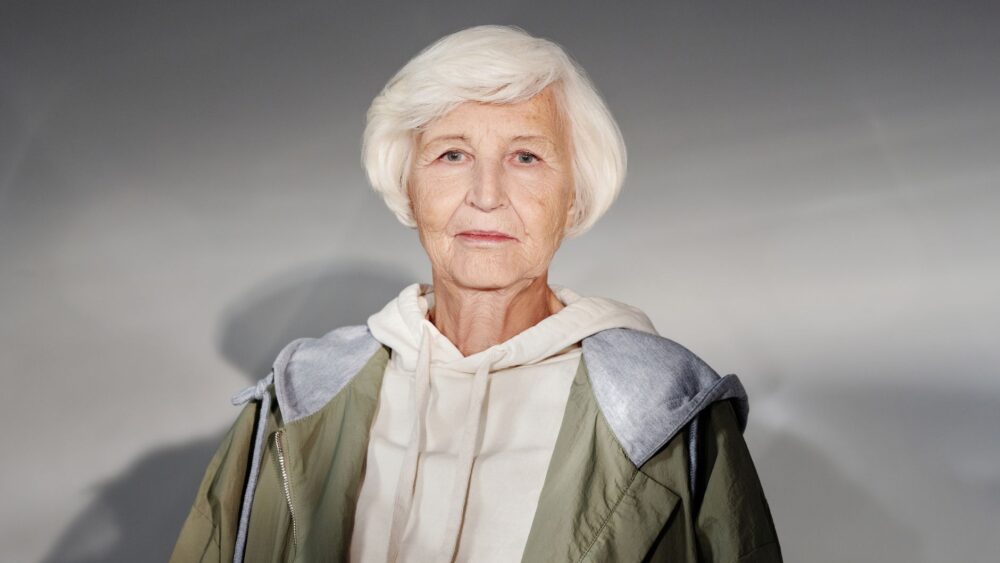
Grandma names are having a serious moment. The names that felt dusty and old-fashioned just a generation ago, the ones belonging to actual grandmothers and great-grandmothers, are now among the most sought-after picks for babies. There is something undeniably appealing about a name that has already proven it can last, carry weight, and feel genuinely human rather than invented.
What makes a name a true grandma name? It peaked somewhere between the 1880s and the 1960s, it probably belonged to at least one real woman in your family tree, and it has that particular quality of feeling both old and oddly fresh at the same time. The names below are organized by feel and era so you can find the right flavor of vintage for your child.
Soft and Sweet Victorian Grandma Names
These names come from the Victorian and Edwardian eras, when softness and femininity were the guiding principles of naming. They sound gentle, a little romantic, and very much like they belong on a lace-curtained front porch.
Ada
A short, elegant name with Germanic roots meaning “noble.” Ada was hugely popular in the late 1800s and has been climbing steadily back up the charts in recent years, beloved for its simplicity and its strong vowel sound.
Agnes
From the Greek hagnosmeaning “pure” or “holy,” Agnes is one of the oldest continuously used women’s names in the Western world. It has a slightly stern, no-nonsense quality that is exactly what makes it feel so interesting right now.
Alma
Alma carries Latin roots meaning “nourishing” or “kind,” and it also has a strong presence in Spanish-speaking cultures. It was a top-100 staple in the early twentieth century and has a warmth and roundness that makes it feel immediately likable.
Beatrice
From the Latin beatrixmeaning “she who brings happiness,” Beatrice has genuine literary and historical gravitas, Dante’s Beatrice is one of the most famous muses in all of Western literature. It is a grand name that still manages to feel approachable, especially with the nickname Bea.
Clara
Clara comes from the Latin clarusmeaning “clear” or “bright,” and it has a crystalline quality that suits it perfectly. It never fully disappeared, but it has surged back in a real way as parents look for names that feel classic without feeling heavy.
Cora
Rooted in the Greek name Koremeaning “maiden,” Cora has a crisp, direct sound that wears well. It was a popular name in the late nineteenth and early twentieth centuries and has made a very strong comeback in recent years.
Edith
An Old English name meaning “prosperous in war,” Edith has a warmth behind its slightly stern exterior. The nickname Edie gives it a sprightlier feel, and the name as a whole has been rehabilitated beautifully by a new generation of parents.
Elsa
A Scandinavian and German short form of Elisabeth, Elsa has a clean, bright sound. It was a well-used name in the early twentieth century, and while a certain animated film gave it a very different cultural moment, it remains a genuinely lovely vintage choice.
Ethel
From the Old English element aethelmeaning “noble,” Ethel was a top-ten name in the United States around the turn of the twentieth century. It is still considered a hard sell by many parents, which means it is ripe for the adventurous namer who wants something truly unexpected.
Flora
The name of the Roman goddess of flowers and spring, Flora has a natural, airy quality. It is popular in Scotland and parts of Europe and feels genuinely fresh in a way that its floral peers like Rose and Lily do not, simply because it is less common.
Harriet
The English feminine form of Harry (and by extension Henry), meaning “home ruler,” Harriet has a quietly commanding presence. Harriet Tubman gave the name a powerful historical association, and the nickname Hattie makes it feel playful and warm.
Ida
Possibly derived from the Germanic element idmeaning “work” or “labor,” Ida is one of those small, complete names that needs nothing added to it. It was a top-ten name in the United States in the 1880s and carries a quiet confidence.
Mabel
From the Latin amabilismeaning “lovable,” Mabel is one of the frontrunners of the grandma-name revival. It has a bubbly, friendly sound and the nickname Mae built right in, making it one of the more accessible choices on this list.
Nell
Originally a medieval short form of Eleanor or Helen, Nell has become a standalone name in its own right. It is small, warm, and complete, and it works beautifully as both a given name and a nickname for longer names like Eleanor or Cornelia.
Pearl
A straightforward English word name for the precious gem, Pearl was widely used in the late Victorian and Edwardian periods. It has a lustrous, soft quality and the same “nature as virtue” energy that made names like Ruby and Opal popular in that era.
Vera
From the Latin verusmeaning “true,” and also used in Slavic cultures with the meaning “faith,” Vera is one of those short, strong names that works in almost every cultural context. It has been quietly popular in Europe for decades and is now gaining ground everywhere.
Winifred
A Welsh name derived from the elements meaning “blessed” and “reconciliation,” Winifred has a stately length balanced by the excellent nicknames Winnie and Fred. It is still rare enough to feel genuinely distinctive.
Strong and Sturdy Edwardian Grandma Names
These names were workhorses of the early twentieth century. They have a direct, no-nonsense quality that feels almost modern in its refusal to be purely ornamental.
Audrey
From the Old English Aethelthrythmeaning “noble strength,” Audrey has always had a kind of effortless elegance. Audrey Hepburn made it iconic, but the name had centuries of use before her and will have centuries more after.
Bertha
A Germanic name meaning “bright” or “famous,” Bertha is one of the most genuinely challenging grandma names to rehabilitate, but it has its devoted admirers. If you want something truly unexpected with real historical depth, this one delivers.
Dorothy
From the Greek Dorotheameaning “gift of God,” Dorothy was one of the most popular names of the early twentieth century in the English-speaking world. Dot and Dottie are the obvious nicknames, and the name has a warm, solid Midwestern feel.
Eleanor
Of uncertain but likely Old Provencal or Old French origin, Eleanor has been borne by queens and stateswomen across centuries. Eleanor Roosevelt cemented its association with quiet, formidable strength. It is one of the most used grandma-revival names right now, and for very good reason.
Eunice
From the Greek Eunicemeaning “good victory,” this is a name that has been largely dormant for decades. It has a slightly quirky, offbeat quality that makes it genuinely interesting for parents who want something rare with deep roots.
Evelyn
Originally a surname and then a given name used for both sexes, Evelyn has settled firmly into the feminine column and is one of the most popular grandma names currently in use. It has a flowing, romantic sound and the nickname Evie is practically irresistible.
Frances
The feminine form of Francis, from the Latin meaning “Frenchman” or “free one,” Frances has a cool, understated quality. It never shouts for attention, which is exactly what makes it so appealing to a certain kind of parent.
Gertrude
A Germanic name meaning “strength of a spear,” Gertrude is a genuine test of a parent’s commitment to the grandma-name revival. The nickname Trudy does a lot of heavy lifting, and for those willing to go there, it is a name with serious character.
Gladys
The Welsh form of Claudia, Gladys was enormously popular in the early twentieth century and is now one of the rarer finds in the vintage name pool. It has a warmth and a slight softness that its reputation does not always convey.
Hilda
From the Germanic element hildmeaning “battle,” Hilda is compact, strong, and feels surprisingly fresh given how long it has been out of fashion. It has real momentum in Scandinavian countries and in certain British naming circles.
Loretta
An Italian and Spanish diminutive of Laura, rooted in the Latin laurus meaning “laurel,” Loretta has a warm, slightly Southern quality. Country music gave it a strong association with Loretta Lynn, and the name carries her toughness and warmth effortlessly.
Mildred
From the Old English Mildthrythmeaning “gentle strength,” Mildred was a top-ten name in the United States in the 1910s and 1920s. Millie is an excellent nickname, and the full name has a quiet dignity that is worth reconsidering.
Muriel
Of Celtic origin, possibly meaning “bright sea,” Muriel has a slightly dreamy, literary quality. It was popular in the early and mid twentieth century in Britain and Ireland and remains largely unused today, which makes it a find.
Norma
Likely derived from the Latin normameaning “rule” or “standard,” Norma has a mid-century warmth that few names can match. It is also the name of one of the great Bellini operas, giving it an unexpected layer of drama.
Ruth
From the Hebrew name Rutlikely meaning “companion” or “friend,” Ruth is one of the most enduring biblical names in English-speaking history. Short, strong, and full of warmth, it is the kind of name that never really left and never needs to try very hard.
Sylvia
From the Latin silvameaning “forest” or “wood,” Sylvia has a literary, slightly melancholy beauty. It is associated with Sylvia Plath in modern culture, but the name long predates her and has a timeless natural quality.
Violet
From the Latin violathe name of the purple flower, Violet is one of the most successful grandma-name revivals of the past twenty years. It is firmly back in the top rankings and has a romantic, old-fashioned charm that resonates broadly.
Mid-Century Grandma Names With a Retro Cool
These names peaked in the 1940s, 1950s, and 1960s. They have a specific mid-century flavor that feels both nostalgic and surprisingly stylish right now, like a well-preserved piece of furniture from that era.
Barbara
From the Greek barbarosmeaning “foreign” or “strange,” Barbara was the most popular name in the United States for much of the 1930s and 1940s. It is still strongly associated with that era, which is exactly what gives it a very specific retro appeal.
Beverly
Originally an English place name and surname meaning “beaver stream,” Beverly has a smooth, mid-century quality. It was widely used for women in the mid twentieth century and has a kind of sleek, composed sound.
Betty
A classic English short form of Elizabeth, Betty was enormously popular in the 1920s and 1930s. It has a bright, snappy energy and carries associations with Betty Davis and Betty White that make it feel both vintage and vivid.
Carol
A short form of Caroline and Carolyn, ultimately rooted in the Germanic name Karl meaning “free man,” Carol peaked in the 1940s and 1950s. It has a clean, simple sound and carries the warmth of that particular era very naturally.
Connie
Originally a short form of Constance, from the Latin constantia meaning “constancy,” Connie became a standalone given name in the mid twentieth century. It is friendly, upbeat, and thoroughly of its era.
Donna
From the Italian word for “woman” or “lady,” Donna was a top-ten name in the United States in the 1950s and 1960s. It has a warm, slightly glamorous quality that reads as genuinely retro now.
Gloria
From the Latin gloriameaning “glory,” this name has a dramatic, golden-age quality. It was widely used in the mid twentieth century and is associated with a kind of bold, confident femininity.
Joan
A medieval English feminine form of John, from the Hebrew Yochanan meaning “God is gracious,” Joan has a crisp, no-nonsense sound. Joan of Arc and Joan Didion give it associations with both fierce courage and fierce intelligence.
Joyce
From the medieval name Jossederived from the Breton saint name IodocJoyce was a popular name for women in the first half of the twentieth century. It has a bright, open sound and is literary by association with James Joyce, though it was used long before him.
June
Named for the month, which in turn derives from the Roman goddess Juno, June is one of those names that feels perennially fresh despite its vintage credentials. It has a warmth and optimism built right into it.
Lois
A New Testament name of uncertain Greek origin, Lois was popular in the mid twentieth century and has a slightly nerdy, lovable quality now. It is rare enough to feel genuinely distinctive.
Lorraine
Originally from the French region of Lorraine, used as a given name, Lorraine has a smooth, slightly glamorous quality. It was popular in the mid twentieth century and has a continental elegance that makes it worth a second look.
Lucille
A French form of Lucilla, itself a diminutive of Lucia from the Latin luxmeaning “light,” Lucille has a sparkling quality. Lucille Ball made it one of the most beloved names of the twentieth century, and the nickname Lucy is practically automatic.
Marjorie
A medieval English variant of Margery, itself a form of Margaret from the Greek margarites meaning “pearl,” Marjorie has a gently old-fashioned warmth. Marge and Margie are the obvious nicknames, and the full name has a quiet, solid charm.
Nadine
A French elaboration of the Slavic name Nadia, from the word for “hope,” Nadine was popular in the mid twentieth century in France, Britain, and the United States. It has a cool, slightly European quality that holds up well.
Patrice
The French feminine form of Patrick, from the Latin patricius meaning “nobleman,” Patrice has a smooth, elegant sound. It was used in the mid twentieth century and has a sophisticated quality that Patricia lacks at this point.
Shirley
Originally a place name and surname meaning “bright clearing,” Shirley became enormously popular after Charlotte Bronte used it for her 1849 novel. Shirley Temple made it a household name in the 1930s, and it carries the warmth and brightness of that era completely.
Vivian
From the Latin vivusmeaning “alive,” Vivian has a lively, expressive quality. It was popular across the mid twentieth century and is now in a strong revival, with a stylish, slightly theatrical edge that suits it perfectly.
Nickname-Worthy Grandma Names
Some of the best vintage names come with built-in nicknames that do a lot of the social work for you. These names offer both a formal option and a warm, everyday version.
Adelaide
From the Germanic Adalheidismeaning “noble kind,” Adelaide is a stately name with excellent nickname options: Addie, Ada, and Della all come naturally. It has the weight of a Victorian grande dame but softens immediately in everyday use.
Clementine
A French feminine form of Clement, from the Latin clemens meaning “mild” or “merciful,” Clementine is one of the most charming long vintage names available. Clem and Clemmie are delightful nicknames, and the name has an irresistible, slightly whimsical quality.
Cordelia
Of uncertain Celtic or Latin origin, Cordelia is most famous as King Lear’s devoted daughter in Shakespeare. It is a romantic, literary name with the easy nicknames Cora and Delia built in, and it remains genuinely rare.
Genevieve
From the Germanic or Celtic name Genovefapossibly meaning “tribe woman,” Genevieve is the patron saint of Paris and a name with centuries of European use. Genny, Evie, and Viv all work as nicknames, and the full name has a beautiful, flowing sound.
Josephine
The French feminine form of Joseph, from the Hebrew meaning “God will add,” Josephine is a name of considerable elegance and history. Jo, Josie, and Fifi are all viable nicknames, and the name carries Napoleonic history alongside a warm, homespun quality that is a lovely combination.
Lavinia
From the Latin, possibly meaning “woman of Latium,” Lavinia is a Roman mythological name with a rare, romantic sound. It is one of the less-traveled options on this list, and the nickname Vinnie gives it an unexpectedly cool edge.
Leonora
A variant of Eleanor or Eleonora with a slightly more operatic quality, Leonora has a warmth and richness that the more common Eleanor does not quite have. Nora and Lea are natural short forms.
Millicent
From the Germanic elements meaning “strength” and “work,” Millicent is an underused gem with an excellent nickname in Millie. It has a Victorian elegance and a slight quirkiness that make it appealing to parents who want something more unusual than Mildred but in the same family.
Rosalind
From the Germanic elements meaning “horse” and “soft” or “gentle,” Rosalind was popularized by Shakespeare’s As You Like It. It has a romantic, literary quality and the nicknames Ros, Rosa, and Linda all flow from it naturally.
Thomasina
The feminine form of Thomas, from the Aramaic meaning “twin,” Thomasina is an extravagant, theatrical choice with the excellent nickname Tommie. It is rare to the point of feeling almost daring, which is a real virtue.
Wilhelmina
The Dutch and German feminine form of Wilhelm, meaning “will” and “helmet,” Wilhelmina is a gloriously over-the-top name that somehow works. Billie, Mina, and Willie are all available as nicknames, and the full name has a regal, slightly absurdist grandeur.
Short and Punchy Grandma Names Under Five Letters
Not every vintage name needs length and flourish. Some of the best are small, direct, and completely self-contained. These are the grandma names that require nothing more.
Bess
A short form of Elizabeth with deep independent roots, Bess has a warm, direct quality. It was the nickname of Queen Elizabeth I of England and has a plain-spoken confidence that feels genuinely appealing.
Cleo
A short form of Cleopatra, from the Greek elements meaning “glory” and “father,” Cleo has a bright, snappy quality that makes it one of the more wearable short vintage names. It reads as both old and modern at the same time.
Dora
A short form of Dorothy, Theodora, and other longer names, Dora has been a standalone given name for well over a century. It is warm, simple, and has a gentle vintage charm.
Flo
A short form of Florence, from the Latin florens meaning “flourishing,” Flo is a small name with a lot of warmth. Florence Nightingale made Florence famous, but Flo on its own has a breezy, likable quality.
Gert
A short form of Gertrude, Gert is wonderfully odd and completely lovable in the right hands. It is the sort of name that takes real confidence to use, and that confidence is rewarded.
Lena
Originally a short form of Helena, Magdalena, and other longer names, Lena has been a given name in its own right for well over a century across Europe and America. It has a clean, warm sound that crosses cultural boundaries easily.
Lila
From the Sanskrit lilameaning “play” or “amusement,” and also used as a short form of Delilah, Lila has a soft, warm quality. It was used in the early and mid twentieth century and has come back with genuine momentum.
Lou
A short form of Louise and Louisa, from the Germanic elements meaning “famous warrior,” Lou is wonderfully direct. It was used as a standalone name throughout the early and mid twentieth century and has a charming, old-school simplicity.
Mae
A variant of May, itself used as a short form of Mary or Margaret, Mae is one of the most usable short vintage names. Mae West gave it a sultry glamour, and it works beautifully as both a given name and a middle name.
Opal
From the Sanskrit upalameaning “gem” or “jewel,” Opal was popular in the late Victorian and Edwardian periods alongside other gemstone names. It has a slightly iridescent, unusual quality and is still rare enough to feel like a genuine discovery.
Reba
A short form of Rebecca, from the Hebrew meaning “to tie” or “to bind,” Reba became a standalone name in the American South. Country singer Reba McEntire gave it lasting cultural presence, and the name has a warm, unpretentious quality.
Wren
From the Old English word for the small bird, Wren has been used as a given name since at least the nineteenth century. It is small, sharp, and has a natural quality that suits the current moment perfectly.
Grandma Names From Around the World
Vintage naming traditions are not exclusively Anglo-American. These names come from European and other traditions and carry their own particular flavor of old-world charm.
Agata
The Italian and Polish form of Agatha, from the Greek agathos meaning “good,” Agata has a cleaner, more modern-feeling silhouette than its English counterpart. It is well-used in Southern and Eastern Europe.
Anneliese
A German combination of Anne and Liese (a short form of Elisabeth), Anneliese was widely used in German-speaking countries throughout the twentieth century. It has a warm, flowing sound and a genuine old-world charm.
Brigitte
The French form of Bridget, from the Irish goddess Brigid, meaning “exalted one,” Brigitte has a cool, Continental elegance. Brigitte Bardot made it iconic in the mid twentieth century, and it retains that specific, stylish quality.
Concetta
An Italian name derived from the Catholic feast of the Immaculate Conception, Concetta was widely used in Italian-American families in the early and mid twentieth century. It is warm, musical, and genuinely rare outside that community now.
Greta
A German and Scandinavian short form of Margareta, from the Greek margarites meaning “pearl,” Greta has a crisp, slightly cool quality. Greta Garbo made it glamorous, and it remains one of the most stylish short vintage names.
Hannelore
A German combination of Hanne (a form of Johanna) and Lore (a form of Eleonore), Hannelore was a popular name in Germany in the mid twentieth century. It is unusual in English-speaking contexts, which gives it a distinctive, appealing quality.
Ingrid
From the Old Norse elements meaning “Ing” (a Norse god) and “beautiful,” Ingrid is a Scandinavian name with wide international recognition. Ingrid Bergman gave it a golden-age Hollywood glamour that has never entirely faded.
Liselotte
A German combination of Liese (Elisabeth) and Lotte (Charlotte), Liselotte was common in Germany and the Netherlands in the early and mid twentieth century. It is long and musical and completely unexpected in an English-speaking context.
Maeve
From the Irish Medbmeaning “she who intoxicates” or possibly “great joy,” Maeve is the name of a legendary Irish queen. It has been steadily climbing in the United States and Ireland and has a fierce, romantic quality.
Margot
A French short form of Marguerite, from the Greek margarites meaning “pearl,” Margot has a sleek, Continental quality. It was used across Europe throughout the twentieth century and has a specific kind of effortless Parisian cool.
Ottilie
The French form of Ottilia, derived from the Germanic element aud meaning “wealth” or “fortune,” Ottilie was used in France and Germany in the nineteenth and early twentieth centuries. It is unusual, musical, and genuinely distinctive.
Sigrid
From the Old Norse elements meaning “victory” and “beautiful,” Sigrid is a Scandinavian name with a strong, clean sound. It was widely used in Scandinavia throughout the twentieth century and has a spare, striking quality.
Solveig
A Norwegian and Swedish name from the Old Norse elements meaning “sun” and “strength,” Solveig has a beautiful, slightly mysterious sound. It is associated with Ibsen’s Peer Gynt and has a deeply romantic, literary quality.
Grandma Names That Feel Surprisingly Modern
Some vintage names have aged in such a particular way that they feel almost contemporary rather than old-fashioned. These names sit at the exact intersection of vintage and current.
Ava
Possibly from the Germanic element avimeaning “guarantee,” or from the Latin avis meaning “bird,” Ava has genuinely ancient roots. It was used throughout the medieval period, dipped in the early twentieth century, and is now one of the most popular names in the English-speaking world.
Cecelia
A variant of Cecilia, from the Latin family name Caeciliuspossibly meaning “blind,” Cecelia has a softer, more flowing quality than Cecilia. It was used throughout the nineteenth and twentieth centuries and has a gentle, melodic sound.
Eloise
Of Germanic origin, possibly meaning “healthy” and “wide,” Eloise has a light, romantic sound. The children’s book character Eloise gave it a playful cultural association, and the name itself has a genuine elegance.
Hazel
From the Old English word for the hazel tree, Hazel was a popular name in the early twentieth century and is now firmly back in the top tier. It has a warm, earthy quality that makes it feel both vintage and completely current.
Iris
From the Greek word for “rainbow,” and the name of the Greek goddess who personified it, Iris was popular in the early twentieth century. It has a simple, beautiful quality and is one of the more successful vintage revivals of the past decade.
Ivy
From the Old English word for the climbing plant, Ivy was used as a given name throughout the late nineteenth and early twentieth centuries. It has a crisp, natural quality and has become genuinely fashionable again.
Nora
Originally a short form of Honora or Eleanor, Nora has been a standalone name in Ireland for centuries. It is warm, simple, and versatile, and it consistently ranks among the most popular vintage-feeling names in current use.
Olive
From the Latin olivameaning “olive tree,” Olive was popular in the early twentieth century and has come back with real energy. It has a natural, slightly quirky quality that makes it feel both old and fresh.
Stella
From the Latin stellameaning “star,” Stella is a name with both classical roots and mid-century associations. It is currently very popular and shows no sign of fading, which is a testament to how well it wears.
How to Choose the Right Grandma Name
The first question worth asking is how much vintage weight you want. A name like Gertrude or Mildred comes with a very specific era attached to it and asks something of the person who carries it. A name like Clara or Nora has the same roots but wears them more lightly. Neither approach is wrong, but it is worth being honest about which one fits your family’s style.
Think about the nickname situation carefully. Some of the most appealing grandma names are long ones that come with excellent short forms: Josephine gives you Josie, Wilhelmina gives you Billie, Adelaide gives you Addie. If you love the formal name but worry about daily use, check whether the nickname feels as natural as the full version.
Consider how the name sounds with your last name, paying attention to both rhythm and the ending sounds. A name ending in “a” can blur into a last name that starts with a vowel. A very short last name pairs well with a longer first name, and vice versa. Reading the full name aloud several times, including shouting it across a room, tells you a great deal.
Finally, think about the family connection, because that is often what makes grandma names feel meaningful rather than just fashionable. If there is a real Mabel or Ruth or Harriet somewhere in your family tree, using that name adds a layer of intention and warmth that no amount of trend research can replicate. The best grandma name is often the one that already belongs, in some small way, to your particular family’s story.
Vintage grandma names work because they have already proven themselves across decades and generations. They carry history without being heavy, they feel personal in a way that invented or heavily trendy names often do not, and they give a child something solid to grow into. Whether you go with something as bold as Clementine or as quiet as Ruth, you are choosing a name that has already meant something to real people in the real world, and that is a genuinely good place to start.