


- ACTIVITIES
The Heartwarming Story of Thanksgiving Traditions

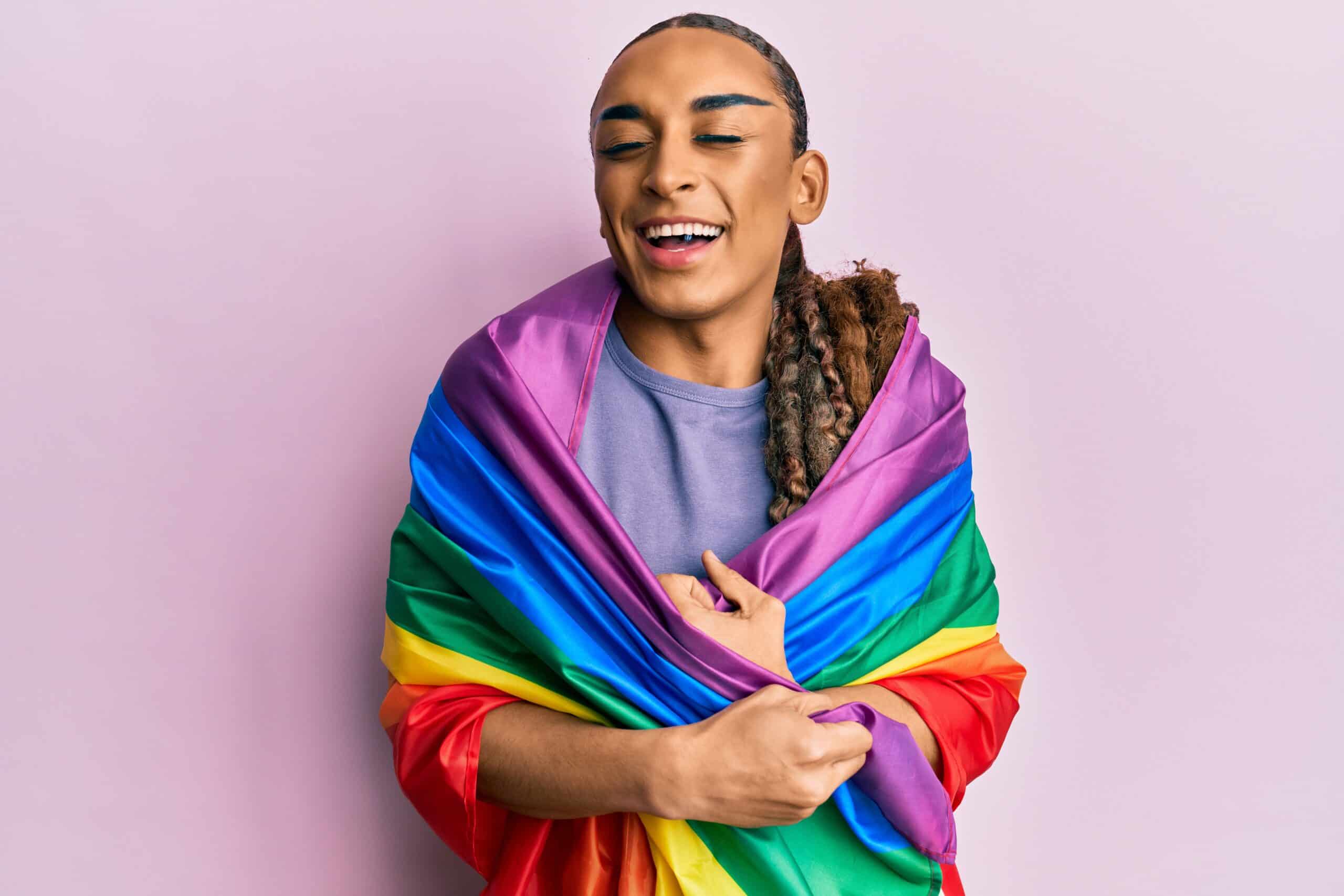
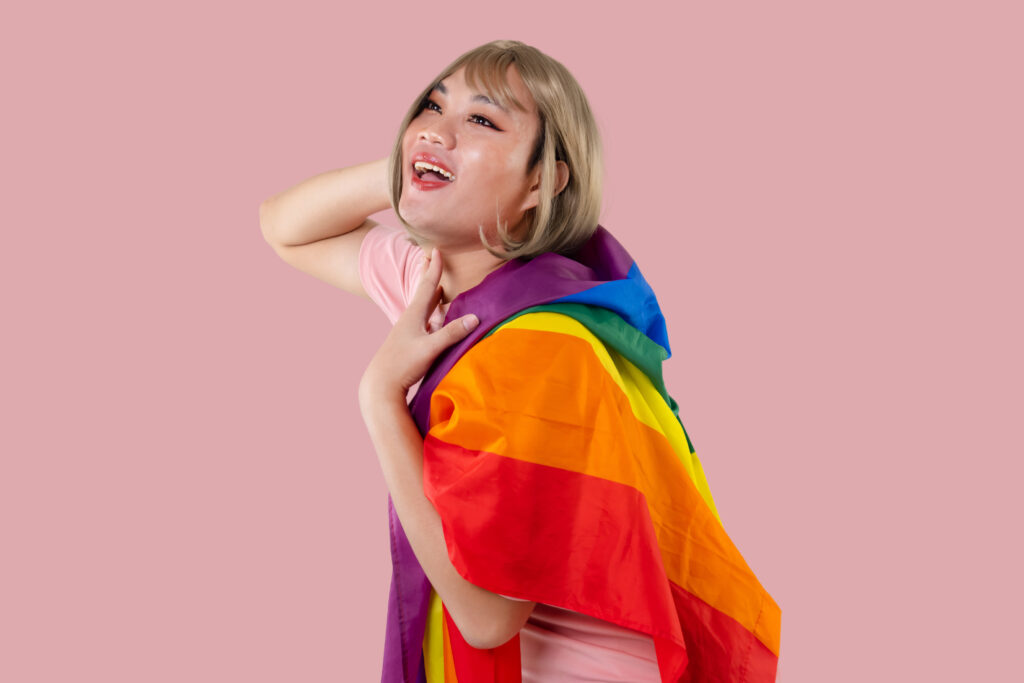
You spot a flag at a parade, on a backpack, in a classroom, or in someone’s bio and you want to get it right. That’s the whole point of pride flags: quick, recognizable signals of identity, community, and support.
This guide breaks down the most commonly used LGBTQ+ flags, what their colors are often understood to represent, and a few respectful “do’s and don’ts” so you can talk about them without feeling awkward.
The classic rainbow flag is the broad symbol for LGBTQ+ pride and community. Early versions had more stripes than the common six-stripe version you see today.
This version adds a chevron to the rainbow with additional colors commonly associated with inclusion of trans people and LGBTQ+ people of color. Some versions also include an intersex symbol.
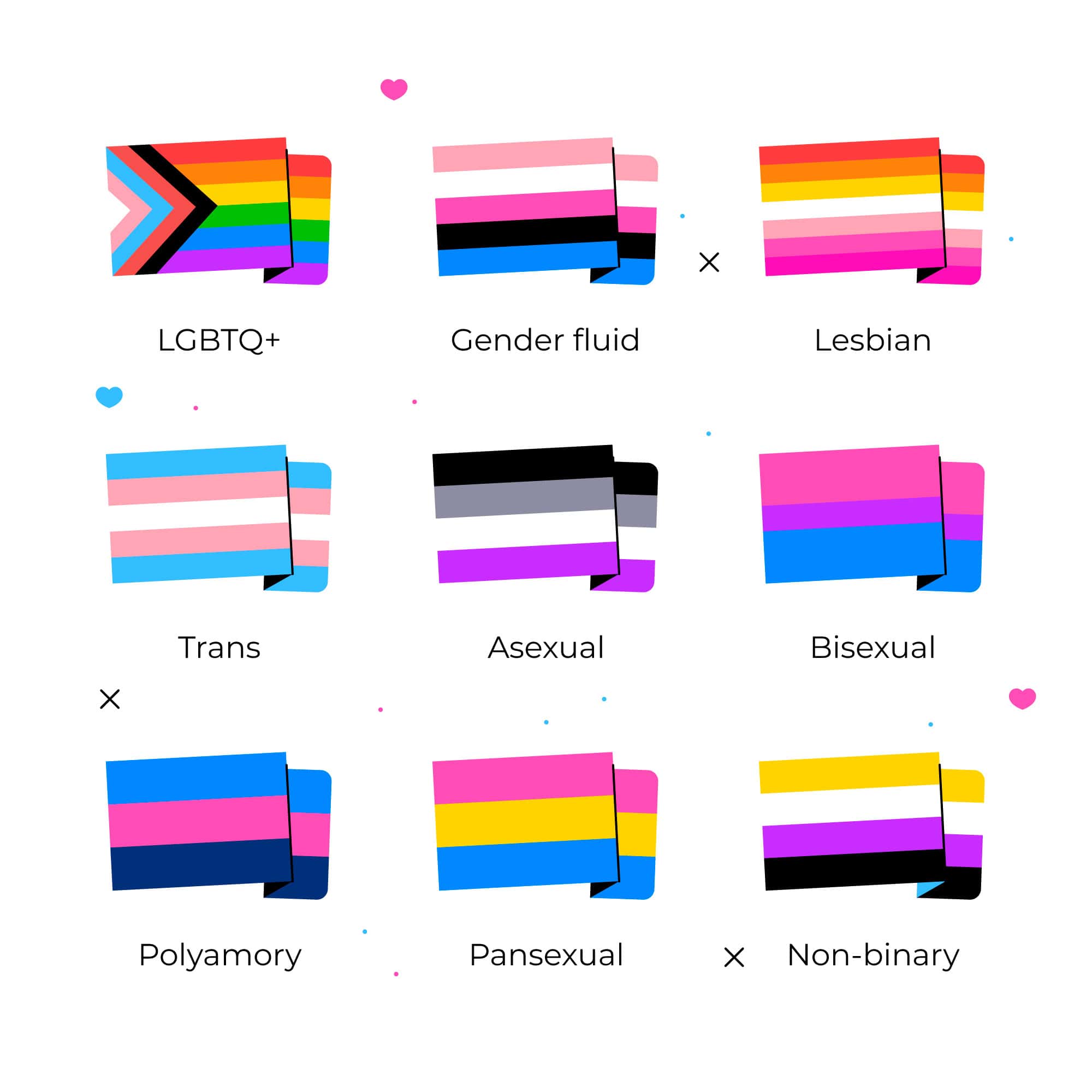
Most commonly seen as a warm gradient of orange to pink with a white stripe. It’s used to represent lesbian identity and community.
Often shown as greens and blues with a white stripe. It’s used to represent gay men and related identities.
Three stripes: pink, purple, blue. It’s often explained as attraction to the same gender (pink), different genders (blue), and the blend (purple).
Three stripes: pink, yellow, blue. Commonly described as attraction to people of all genders, with the yellow stripe often associated with attraction beyond the gender binary.
Four stripes: black, gray, white, purple. Often explained as a spectrum that includes asexuality and gray-asexual identities, with purple commonly tied to community.
Common versions use green and gray tones (often with white and black). It represents people who experience little or no romantic attraction, or experience it in a way that doesn’t match common expectations.
Typically a black triangle on the left with white, gray, and purple elements. It represents people who experience sexual attraction primarily after forming a strong emotional bond.
Similar styling to demisexual flag variants, but tied to romantic attraction that tends to show up after a strong emotional connection.
Often a gradient of pink to purple to blue, sometimes with darker tones. It’s commonly described as attraction to all genders, with recognition of gender.
Usually pink, green, blue. Often described as attraction to multiple genders, not necessarily all.
Light blue, pink, and white stripes. It represents transgender people and is widely recognized across pride events.
Four stripes: yellow, white, purple, black. Commonly described as: yellow for identities outside the binary, white for multi-gender, purple for a mix, black for agender.
Often lavender, white, green. It’s used by people whose gender identity does not fit neatly into “man” or “woman.”
Usually five stripes: pink, white, purple, black, blue. It represents fluidity or change in gender experience over time.
Commonly black and white with gray and a green stripe. It represents people who identify as having no gender, or not fitting into gender categories.
There are a few variants in circulation. It’s used by people who identify as two genders, either simultaneously or shifting between them.
A yellow field with a purple circle is one widely recognized intersex symbol and flag. It represents intersex people, many of whom are born with sex characteristics that do not fit typical definitions of male or female.
Two-Spirit is a term used by some Indigenous people (mainly in North America) to describe a cultural and spiritual identity. It’s not a catch-all for LGBTQ+ Indigenous people, and it shouldn’t be used by non-Indigenous people as a label. If you see a Two-Spirit flag, treat it as both LGBTQ+ and Indigenous-specific.
Often black and white stripes with a rainbow “A.” It’s used by people who support LGBTQ+ rights and communities without claiming an LGBTQ+ identity themselves.
A long-standing symbol within leather communities: black and blue stripes with a white stripe and a red heart. It’s more about a subculture and community than a single orientation.
Used in bear communities (often within gay male culture, but not only). It features horizontal stripes in shades associated with fur tones and includes a bear paw print.
Because “LGBTQ+” covers a lot of lived experiences. Flags help smaller communities be visible without needing a long explanation every time. They also give people something to rally around, especially when language is still evolving.
If you only learn one thing: use the rainbow or Progress flag for broad support, and use specific identity flags when you’re part of that identity or you know the person you’re supporting prefers it.