


- LIFE
12 Good Luck Charms to Manifest Your Dreams and Goals
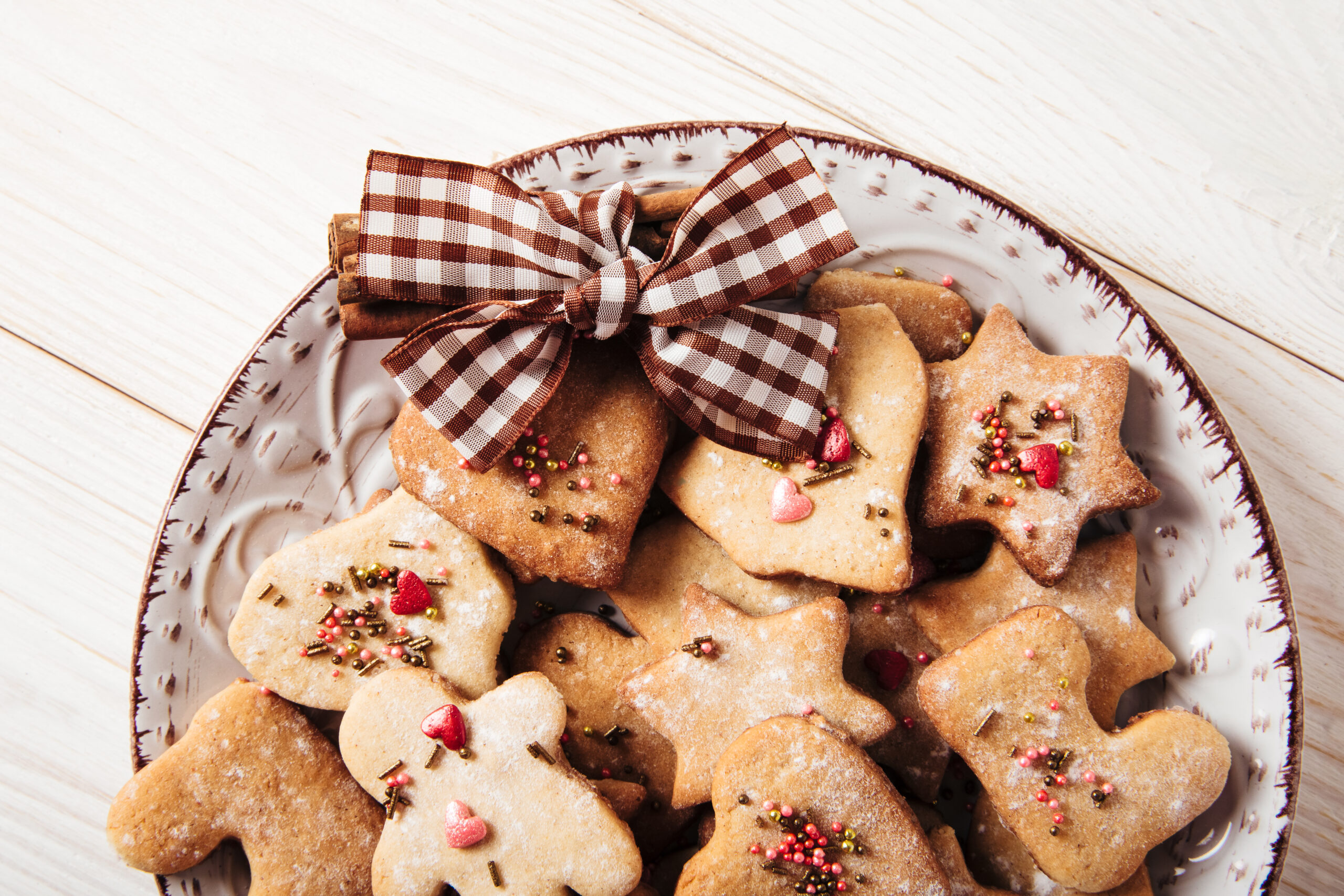
Italian Christmas cookies are a delightful fusion of flavors, traditions, and family heritage, capturing the essence of Italy’s rich culinary history. These cookies, with their unique textures and aromatic ingredients, are not just a treat for the taste buds but are also steeped in cultural significance. As the holiday season approaches, home bakers and holiday enthusiasts alike are drawn to the allure of these festive delicacies, which range from time-honored classics to modern interpretations. This guide delves into the vibrant world of Italian Christmas cookies, offering insights into their history, traditional recipes, key ingredients, and innovative twists that keep these cookies a beloved part of holiday celebrations worldwide.
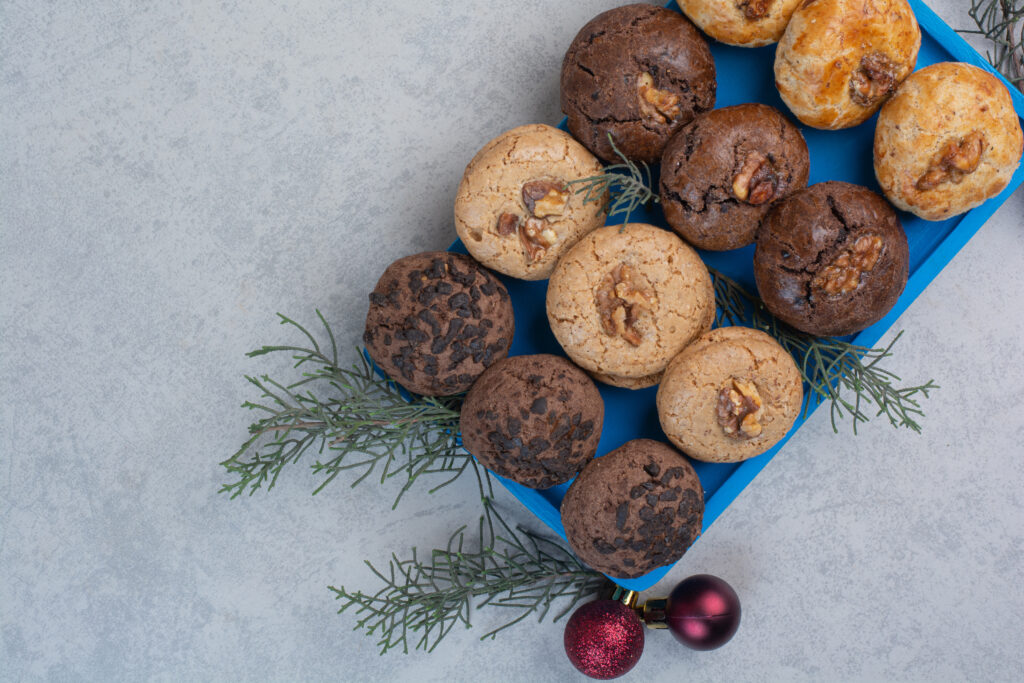
The history of Italian Christmas cookies is as diverse as the regions of Italy itself. Each area boasts its own unique recipes, influenced by local ingredients and customs. These cookies have been a part of Italian holiday traditions for centuries, with recipes passed down through generations. They are often associated with religious celebrations and family gatherings, serving as symbols of love and togetherness.
Historically, these cookies were made using simple, readily available ingredients, which were transformed into exquisite treats through the skillful hands of Italian bakers. Over time, as trade routes expanded and new ingredients became accessible, the recipes evolved, incorporating exotic spices and flavors. Despite these changes, the essence of Italian Christmas cookies has remained the same: to bring joy and warmth to the holiday season.
Traditional recipes and modern adaptations of Italian Christmas cookies offer something for everyone. Some of the most beloved traditional cookies include:
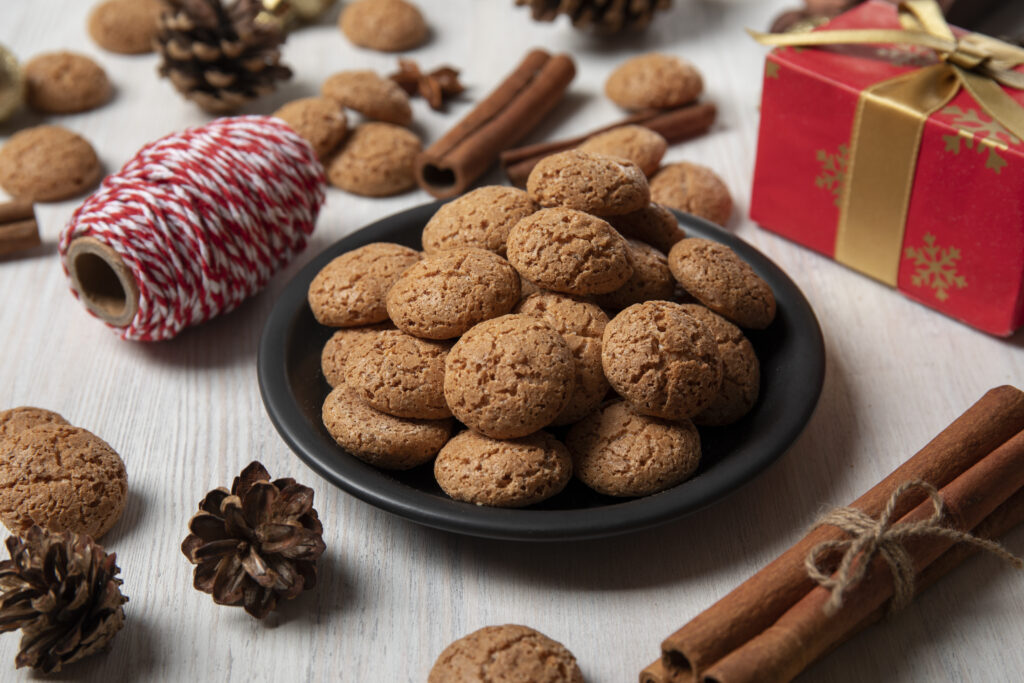
Originating from the region of Lombardy, Amaretti are almond-flavored cookies known for their crisp exterior and chewy interior. Made with almond flour, sugar, and egg whites, these cookies are often flavored with almond extract, giving them a distinct aroma and taste.
Hailing from Abruzzo, Pizzelle are thin, waffle-like cookies that are often flavored with anise or vanilla. Traditionally cooked using a special iron, these cookies are a staple at Italian holiday tables.
Also known as biscotti, Cantucci are twice-baked cookies from Tuscany. They are typically made with almonds and are perfect for dipping in Vin Santo, a sweet Italian dessert wine.
The secret to the irresistible flavor of Italian Christmas cookies lies in their key ingredients. Almond extract and powdered sugar are staples in many recipes, providing a distinct taste and texture. Other common ingredients include:
Preheat oven to 350°F (175°C). Line two baking sheets with parchment paper.
In a large bowl, beat butter and sugar until light and fluffy — about 2–3 minutes.
Add eggs one at a time, mixing well. Stir in vanilla and lemon extract. Mixture will look loose — this is normal.
In a separate bowl, whisk flour, baking powder, and salt.
Gradually add the dry mixture into the wet mixture until a soft dough forms.
Option A: Round Balls
Roll about 1 tablespoon of dough into smooth balls.
Option B: Knotted Cookies
Roll dough into a 5-inch rope and tie into a loose knot.
Place cookies on baking sheet with slight space between them.
Bake for 10–12 minutes until bottoms are lightly golden and tops remain pale.
Cool on the sheet for 2 minutes, then transfer to a wire rack.
Whisk powdered sugar, milk, and lemon or vanilla extract until thick but pourable.
Dip tops of slightly warm cookies into the glaze and allow excess to drip off.
Add festive nonpareil sprinkles immediately.
Let glaze set for about 1 hour.
While traditional recipes hold a special place in holiday celebrations, modern twists on classic Italian cookies offer exciting new flavors and textures. Bakers today experiment with ingredients like chocolate, cranberries, and pistachios to create innovative adaptations of beloved recipes. These modern versions maintain the essence of Italian Christmas cookies while catering to contemporary tastes.
For instance, chocolate-dipped Cantucci or cranberry-studded Amaretti provide a fresh take on these classics, appealing to those who enjoy a blend of tradition and novelty. Such adaptations ensure that Italian Christmas cookies remain relevant and exciting for new generations of bakers and holiday enthusiasts.
Once your Italian Christmas cookies are baked and decorated, serving and storing them properly is essential to maintain their freshness and flavor. Serve these cookies as a delightful accompaniment to coffee or dessert wine, or as a centerpiece on a holiday dessert platter.
For storage, place cookies in an airtight container to keep them fresh. Many Italian cookies, like Cantucci, improve in flavor over time, making them ideal for baking in advance. If you plan to gift these cookies, consider packaging them in festive boxes or tins to add a personal touch to your holiday offerings.
Italian Christmas cookies have transcended their origins, becoming a cherished part of holiday celebrations worldwide. Their rich flavors and cultural significance make them a favorite among those who appreciate traditional baking and festive treats. Whether enjoyed at a family gathering, shared with friends, or given as gifts, these cookies embody the spirit of the holiday season.
As more people discover the joy of baking and savoring Italian Christmas cookies, the tradition continues to evolve, embracing new influences while preserving its core values. This blend of old and new ensures that Italian Christmas cookies remain a delicious and meaningful part of holiday traditions for generations to come.