



100 Fun and Surprising Airplane Trivia Questions

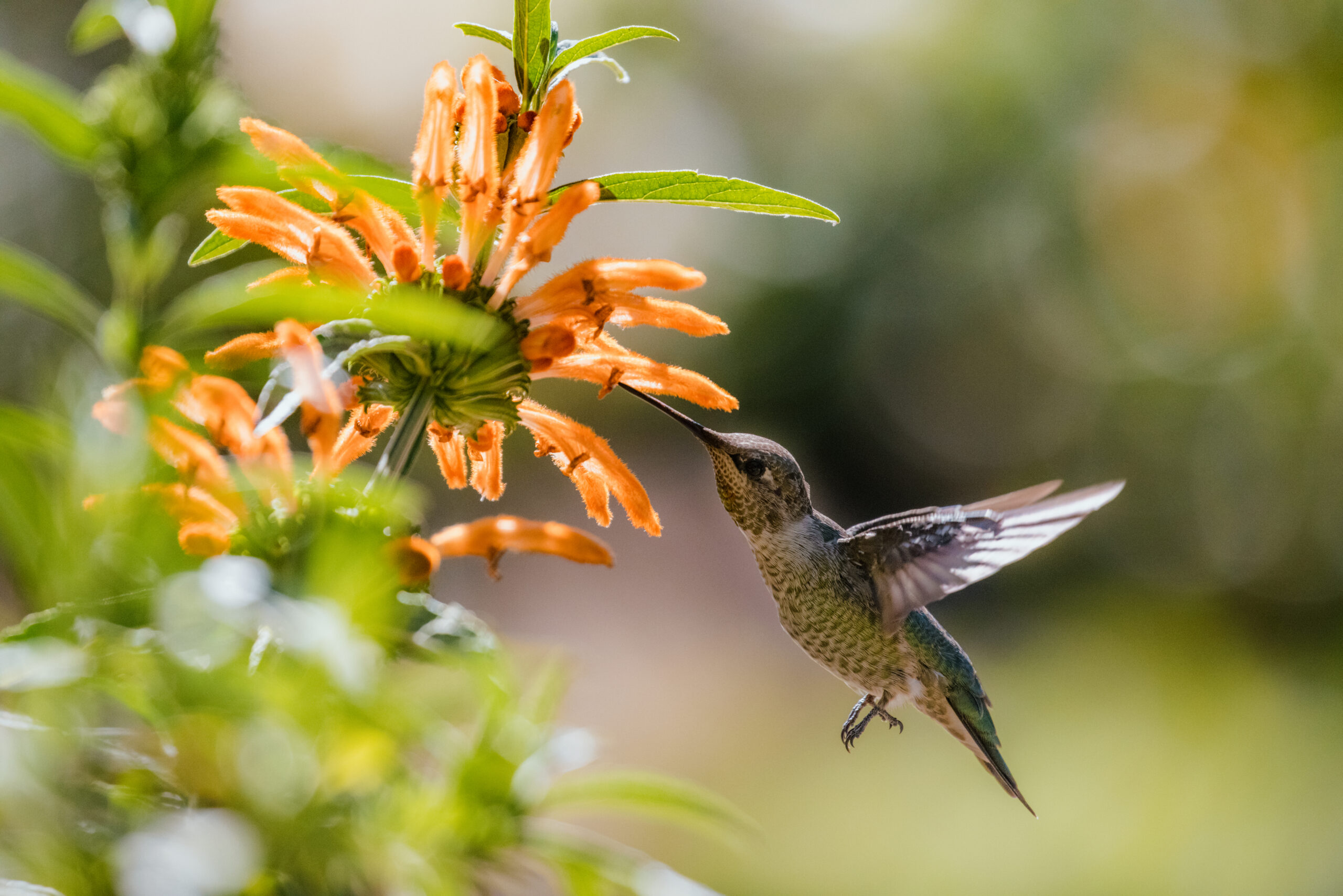
Hummingbirds, with their iridescent feathers and rapid wingbeats, captivate bird enthusiasts and casual observers alike. These tiny avian marvels are not only a delight to watch but also hold fascinating secrets within their diminutive forms. From their unique flight capabilities to their extraordinary feeding habits, hummingbirds are a testament to nature’s ingenuity. This article delves into the intriguing world of hummingbirds, exploring their diverse species, remarkable traits, and the myths and facts that surround them.
Here are some interesting facts you might probably not know about these tiny, jewel-like birds
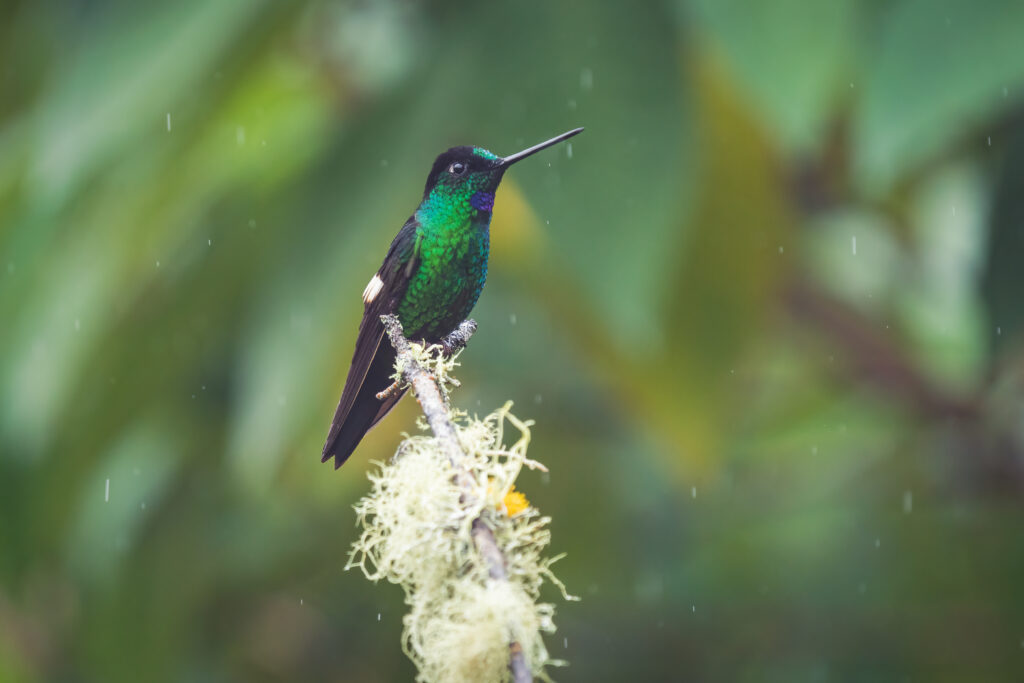
Hummingbirds are the smallest birds on the planet, and their size alone makes them evolutionary marvels. The Bee Hummingbird found in Cuba is the tiniest, measuring around 2 inches long and weighing less than a paperclip. Despite their miniature size, they possess incredible strength and endurance, capable of completing long migrations and maintaining flight for extended periods. Their small size also allows them to maneuver through dense vegetation where larger birds cannot, giving them access to flowers and food sources that depend on their unique flight abilities.
Their rapid wing motion requires enormous muscle strength and energy. To sustain this movement, hummingbirds dedicate nearly 30 percent of their body weight to flight muscles — proportionally higher than any other bird. This adaptation gives them incredible lift and speed, enabling stunning aerial agility.
Hummingbirds are unique because they can hover in place, fly sideways, and even fly backward with ease. This is made possible by a ball-and-socket joint in their shoulders that allows full rotation of their wings, a feature no other bird possesses. Hovering lets them feed from flowers without landing, conserving energy and reducing predation risks. Their precise control also allows them to maneuver like insects, making them the only vertebrates capable of such complex flight techniques.
Hummingbirds are famous for their jewel-like feather colors, but these hues are not caused by pigments. Instead, their feathers contain microscopic platelets that refract and reflect light differently depending on the viewing angle. This produces vivid colors like emerald, ruby, violet, and sapphire.
This optical phenomenon gives hummingbirds an appearance that seems almost magical in nature, often making them look like flying gemstones.
Hummingbirds have an extremely high metabolism, burning energy faster than any other bird. They must consume vast amounts of nectar daily, sometimes feeding every 10 to 15 minutes just to survive. Their hearts can beat up to 1,200 times per minute, and they take around 250 breaths per minute even at rest. Because of this, they are always moments away from starvation, relying heavily on both nectar and insects to fuel their daily activities.
Hummingbirds are not sugar addicts — they are incredibly balanced eaters. Without insects, their muscles would weaken, their feathers would suffer, and they would not be able to support their demanding flight patterns.
Some hummingbird species undertake migrations that seem impossible for such small creatures. The Ruby-throated Hummingbird travels up to 2,000 miles between Central America and Canada each year, including a nonstop 500-mile journey over the Gulf of Mexico. To prepare, hummingbirds double their body weight by storing fat, which serves as their only energy reserve during migration. Their navigational skills are still a scientific mystery, but they seem to rely on a combination of environmental cues, instinct, and memory.
Their sharp memory helps them manage energy efficiently, ensuring they do not waste time revisiting empty flowers. This intelligence also helps them avoid predators, navigate long migrations, and defend territories year after year.
Despite their size, hummingbirds are bold and fiercely protective of their feeding territories. Males especially will chase away other hummingbirds, bees, butterflies, and even large birds like hawks or jays if they get too close to their nectar source.
Torpor is a life-saving physiological state where hummingbirds drastically reduce their metabolic rate. During torpor, their body temperature drops significantly, their breathing slows, and their heart rate can fall to just a few beats per minute. This temporary “energy shutdown” helps them survive cold nights or periods when nectar is scarce. Without this adaptation, their high metabolism would deplete their energy reserves dangerously fast.
Hummingbird nests are engineering masterpieces. Often no bigger than a walnut, they are crafted with moss, lichen, leaves, and most importantly — spider silk. Spider silk gives the nest elasticity, allowing it to expand as the chicks grow. The female alone builds the nest, incubates the eggs, and raises the young. The eggs themselves are about the size of small jellybeans, among the smallest in the bird world.
Hummingbirds are fiercely territorial.They chase intruders—sometimes even birds much larger than themselves. Males defend feeding spots aggressively and their aerial fights are fast, loud, and surprisingly intense.
Hummingbirds play a crucial ecological role as pollinators. As they sip nectar, pollen sticks to their heads and beaks, transferring from flower to flower.
Without hummingbirds, many plant species would struggle to reproduce, making them essential contributors to biodiversity.
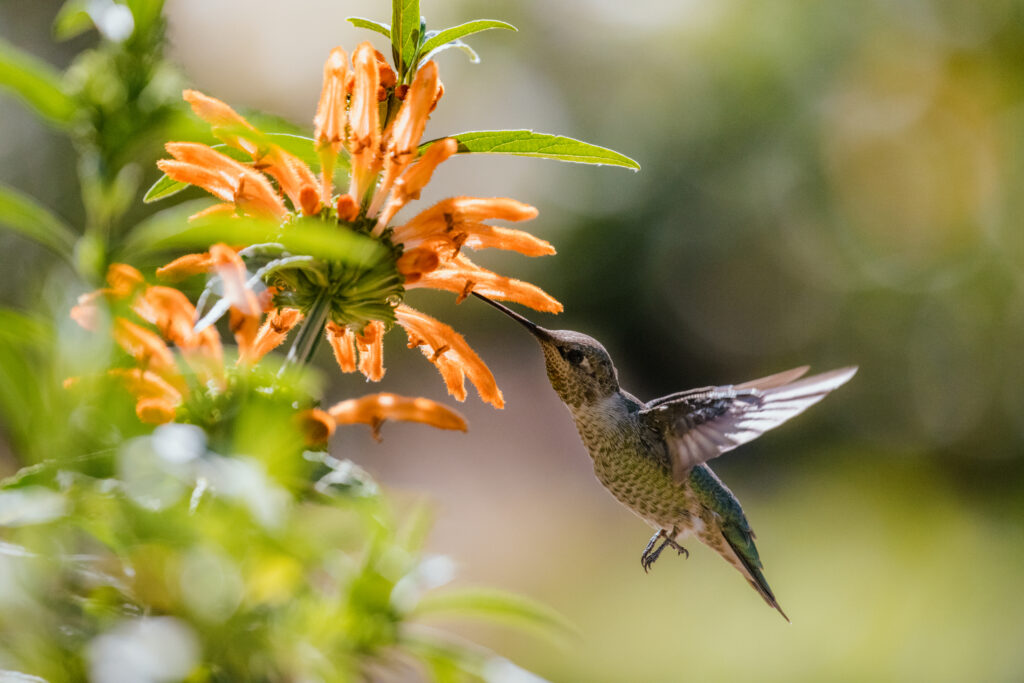
Their incredible adaptability has allowed hummingbirds to thrive in varied environments, from high-altitude Andean slopes to dense rainforests and deserts like the American Southwest.
Scientists closely study hummingbird flight to design more efficient drones and micro-air vehicles. Their hovering ability, precision turns, and wing flexibility offer insights into future aviation and robotics. Engineers also examine hummingbird aerodynamics to create lightweight flying machines capable of maneuvering in tight spaces, proving that nature often holds the blueprint for innovation.
Hummingbirds may be tiny, but their abilities place them among the most extraordinary animals on Earth. From their dazzling feather colors to their intense metabolism, unparalleled flight skills, sharp memory, and ecological importance, they remain one of the most captivating species in the natural world. Whether you’re researching these birds, planning to attract them to your garden, or just fascinated by wildlife, these expanded hummingbird-facts give you a deeper appreciation for the marvels of nature.