

July arrives with bright mornings, warm nights, family vacations, and the unmistakable sound of fireworks.
But what month is July, exactly, and why does it hold such an important place in calendars around the world?
July is the seventh month of the year. It comes after June and before August, and it has 31 days. In the Northern Hemisphere, July falls during summer. In the Southern Hemisphere, it arrives during winter.
Beyond its place on the calendar, July is a month filled with history, national celebrations, international observances, outdoor traditions, and long sunny days.
What Number Month Is July?
July is month number seven in the modern Gregorian calendar.
The order of the months around July is:
- June is the sixth month.
- July is the seventh month.
- August is the eighth month.
July always contains 31 days, making it one of the seven longest months of the year.
For students, travelers, and anyone filling out forms or schedules, July may also appear as:
- July
- Jul.
- Month 7
- 07 in numerical date formats
For example, July 4, 2026, may be written numerically as 07/04/2026 in the United States.
Why Is July Called July?
July was not always known by its current name.
In the early Roman calendar, the month was called Quintilis, a Latin word meaning “fifth.” That name made sense because the old Roman year began in March, placing Quintilis fifth in the calendar rather than seventh.
The month was later renamed in honor of Roman leader Julius Caesar, who was born during this part of the year. The modern English name “July” developed from the Latin name Julius.
This makes July one of the months named after a historical person. August, the month that follows it, was named in honor of Augustus Caesar.
Is July a Summer Month?
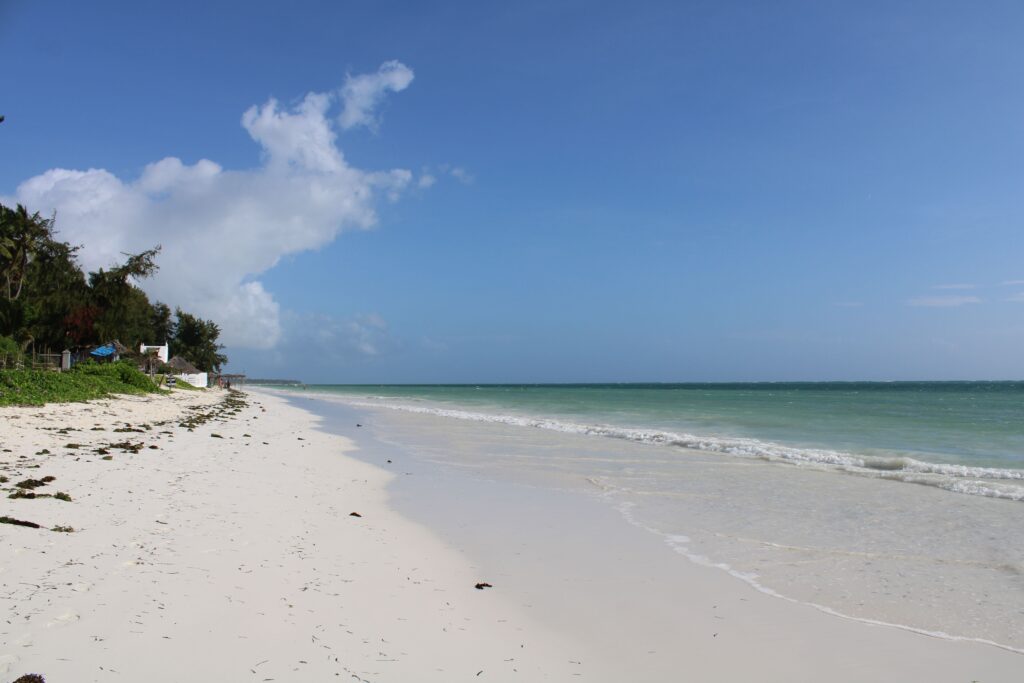
July is a summer month in the Northern Hemisphere, including the United States, Canada, Europe, and much of Asia.
In the Southern Hemisphere, however, July is a winter month. Countries such as Australia, New Zealand, Argentina, and South Africa generally experience cooler temperatures during this time.
That contrast is a useful reminder that the calendar month stays the same, but the season depends on where you live.
What Does July Feel Like?
July often feels like the heart of the season.
By this point, summer routines have settled in across much of the United States. Pools are busy, grills are working overtime, and many families are planning vacations before the school year begins again.
The month can feel energetic because so much happens outdoors. At the same time, its warm evenings often encourage people to slow down, sit outside, and enjoy a little more daylight.
Poet Henrietta Cordelia Ray captured that balance beautifully in her poem “July”:
“Sunshine and shadow play amid the trees.”
The poem presents July as both bright and restful, filled with heat, natural beauty, and quiet evening moments.
Major Holidays and Observances in July

July includes national holidays, cultural celebrations, and international awareness days. Some are marked with large public events, while others encourage reflection, education, or community service.
July 1: Canada Day
Canada Day is celebrated on July 1.
It brings Canadians together through concerts, ceremonies, community events, fireworks, and displays of national pride. The date has been used for Canadian celebrations since the 19th century, and “Dominion Day” officially became “Canada Day” in 1982.
July 4: Independence Day
Independence Day is one of the most widely celebrated holidays in the United States.
It commemorates the adoption of the Declaration of Independence on July 4, 1776. Modern celebrations commonly include fireworks, parades, concerts, cookouts, baseball games, and displays of the American flag.
July 7: World Kiswahili Language Day
World Kiswahili Language Day recognizes the cultural and global importance of Kiswahili.
The observance highlights a language spoken by millions of people, particularly across East and Central Africa. It also promotes multilingualism and cultural understanding.
July 11: World Population Day
World Population Day is observed on July 11.
It draws attention to population-related issues, including health, education, equality, family planning, and sustainable development.
July 14: Bastille Day
July 14 is France’s national holiday, commonly called Bastille Day in English-speaking countries.
The date is connected to the storming of the Bastille in 1789 and the wider history of the French Revolution. France has officially celebrated its national holiday in the middle of July since 1880.
July 15: World Youth Skills Day
World Youth Skills Day focuses on helping young people develop useful skills for employment, entrepreneurship, and personal independence.
The observance also highlights the importance of education and training in a changing global economy.
July 18: Nelson Mandela International Day
Nelson Mandela International Day takes place every year on July 18, Mandela’s birthday.
The United Nations encourages people to use the day to serve their communities and take meaningful action that creates positive change.
July 20: International Moon Day
International Moon Day is observed on July 20.
The date recognizes the importance of lunar exploration and remembers the first human landing on the Moon. July 20 is also recognized by the United Nations as World Chess Day.
July 30: International Day of Friendship
The International Day of Friendship is celebrated on July 30.
It promotes friendship between individuals, communities, cultures, and countries. The day encourages activities that build understanding and reduce divisions between people.
July Is Also National Ice Cream Month
July has a particularly sweet connection to American culture.
In 1984, President Ronald Reagan proclaimed July 1984 as National Ice Cream Month and designated July 15 of that year as National Ice Cream Day. The celebration helped create an enduring tradition of recognizing ice cream during one of the hottest months of the year.
Today, ice cream shops, restaurants, and families often celebrate with special flavors, local events, and homemade frozen desserts.
It may not be the most serious July observance, but it is certainly one of the easiest to enjoy.
What Is the July Birthstone?
The traditional birthstone for July is the ruby.
Rubies are known for their deep red color and have long been connected with love, courage, energy, and passion. The name comes from the Latin word ruber, meaning red.
Ruby is a variety of the mineral corundum, and its color comes from trace amounts of chromium.
Because of its rich color and durability, ruby is one of the world’s most valued colored gemstones.

What Zodiac Signs Are in July?
People born in July usually fall under one of two zodiac signs:
Cancer
Most people born during the earlier part of July are associated with Cancer.
Cancer is traditionally represented by the crab and is commonly linked in astrology with sensitivity, loyalty, family, and emotional awareness.
Leo
People born near the end of July are generally associated with Leo.
Leo is represented by the lion and is traditionally connected with confidence, creativity, warmth, and leadership.
Exact zodiac transition dates can differ slightly depending on the year and the astrological system being used.
Simple Ways to Enjoy the Month of July
You do not need an expensive vacation to make July memorable. A few simple seasonal activities can bring more enjoyment to the month:
- Watch a community fireworks display.
- Plan a picnic at a local park.
- Visit a lake, beach, or public pool.
- Make homemade lemonade or ice cream.
- Attend a county fair or outdoor concert.
- Take an evening walk after the temperature drops.
- Host a backyard cookout.
- Spend a night looking at the Moon and stars.
- Read outdoors in the shade.
- Volunteer in your local community for Mandela Day.
July can become busy quickly, so leaving room for unplanned summer moments is often part of its charm.