
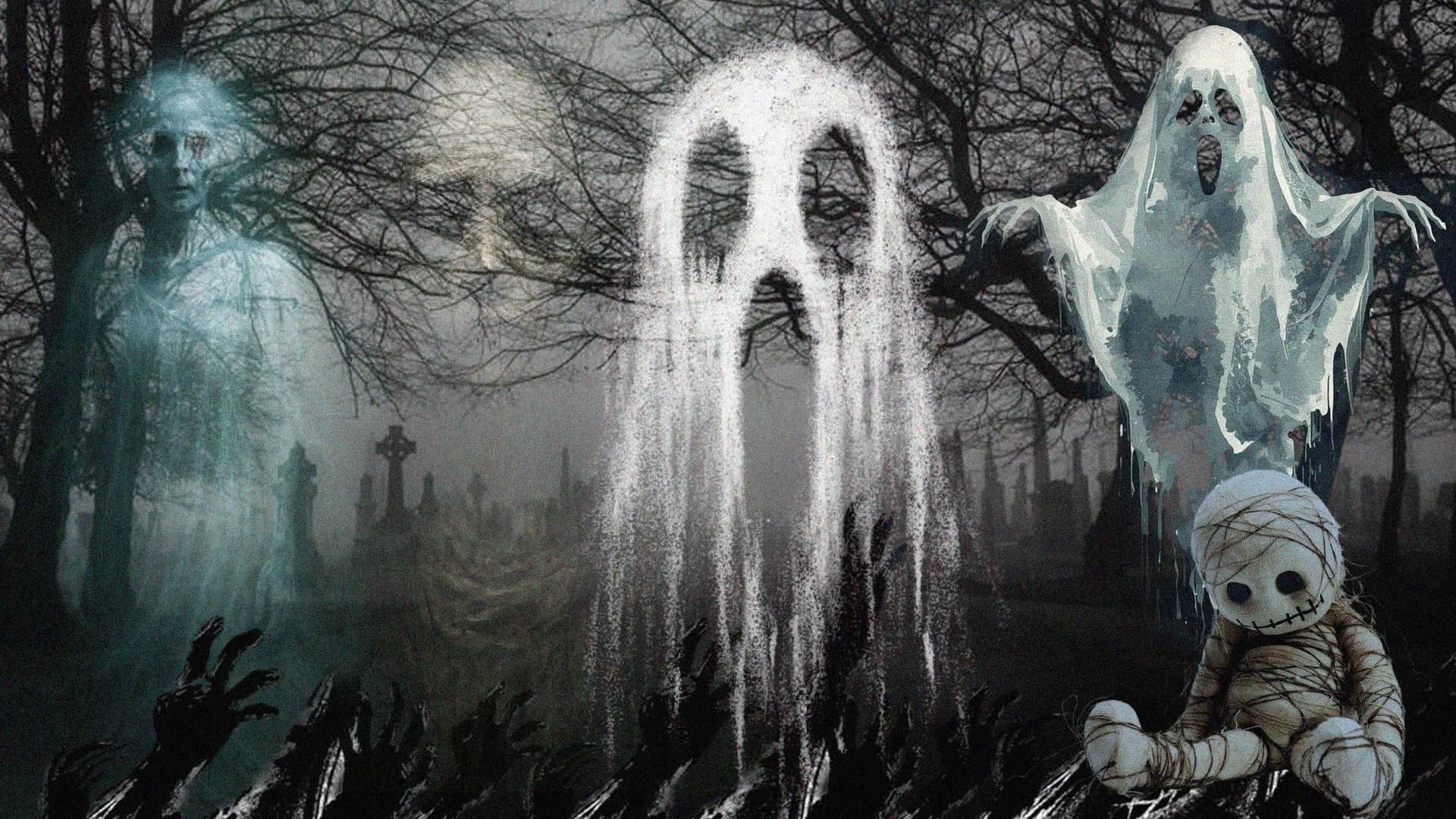
The second someone says “ghosts and ghouls,” the mood changes. You are not in normal October anymore. You are in candlelight, creaky-floorboard, fog-machine territory. It is one of those spooky pairings people use all the time, but a lot of us do not stop to ask what the difference actually is.
The short version is simple. A ghost is usually the spirit of a dead person. A ghoul is usually a monster tied to graveyards, death, or the eating of human flesh in older folklore. One is more shadowy and sorrowful. The other is more physical, feral, and grotesque.
That is why the phrase works so well. Ghosts creep. Ghouls lunge.
What is a ghost?
A ghost is usually imagined as the spirit of someone who has died but has not fully moved on. In stories, ghosts may appear because they have unfinished business, want revenge, miss the living, or are simply stuck in a place that still remembers them.
Ghosts are the emotional side of horror. They are less about gore and more about memory, grief, fear, and what lingers after death.
That is probably why ghost stories stick with people. A ghost is not just scary. A ghost usually means something.
What is a ghoul?
A ghoul is a much uglier creature in the traditional sense. In older folklore, especially from Arabic tradition, a ghoul is a graveyard-dwelling monster associated with the dead, desolate places, and the eating of human flesh. Over time, especially in English-language horror, the word got stretched into a broader spooky label for creepy, corpse-like creatures.
If ghosts feel cold and spectral, ghouls feel dirty, hungry, and close to the ground.
That difference matters. Ghosts unsettle you. Ghouls disgust you.
Ghosts vs ghouls
Here is the easiest way to separate them:
Ghosts are spirits
They are usually dead people or the energy of dead people.
Ghouls are creatures
They are more like monsters than souls.
Ghosts haunt
They linger, appear, whisper, warn, or frighten.
Ghouls hunt
They stalk, feed, lurk, and attack.
Ghosts feel tragic
Even when they are scary, they often carry sadness.
Ghouls feel monstrous
They are built more for horror than heartbreak.
Why people mix them together
Because “ghosts and ghouls” sounds great.
The phrase works as a Halloween pairing because both belong to the world of death, darkness, and the supernatural. Most people are not using it as a strict folklore category. They are using it as spooky shorthand.
That is why you also hear:
- ghosts and goblins
- witches and warlocks
- monsters and mayhem
- ghouls and goblins
The pairing is part meaning, part rhythm.
The folklore roots feel very different
This is where the split gets more interesting.
Ghost stories show up in cultures all over the world. Almost every tradition has some version of the dead returning, lingering, warning, or refusing to leave. That makes ghosts feel universal.
Ghouls, on the other hand, come from a more specific monster tradition. They are less “human soul in distress” and more “death-associated predator.” Even in modern horror, that older graveyard hunger is still the thing that makes a ghoul a ghoul.
So while ghosts tend to feel familiar and emotional, ghouls feel more alien.
How modern horror changed both
Modern horror has blurred the lines a bit.
Ghosts in modern stories
Ghosts used to be mostly white-sheet, rattling-chain, haunted-manor material in the popular imagination. Now they can be:
- tragic spirits
- violent hauntings
- glitchy paranormal presences
- emotional metaphors for guilt, trauma, or grief
Ghouls in modern stories
Ghouls have also shifted. Depending on the story, they can look like:
- corpse-eaters
- underground monsters
- zombie-adjacent creatures
- pale humanlike predators
- generic creepy undead figures
That is one reason people sometimes confuse ghouls with zombies. They overlap in vibe, but a ghoul is usually tied more strongly to graveyards, flesh-eating, and folklore monster energy.
Are ghosts and ghouls both undead?
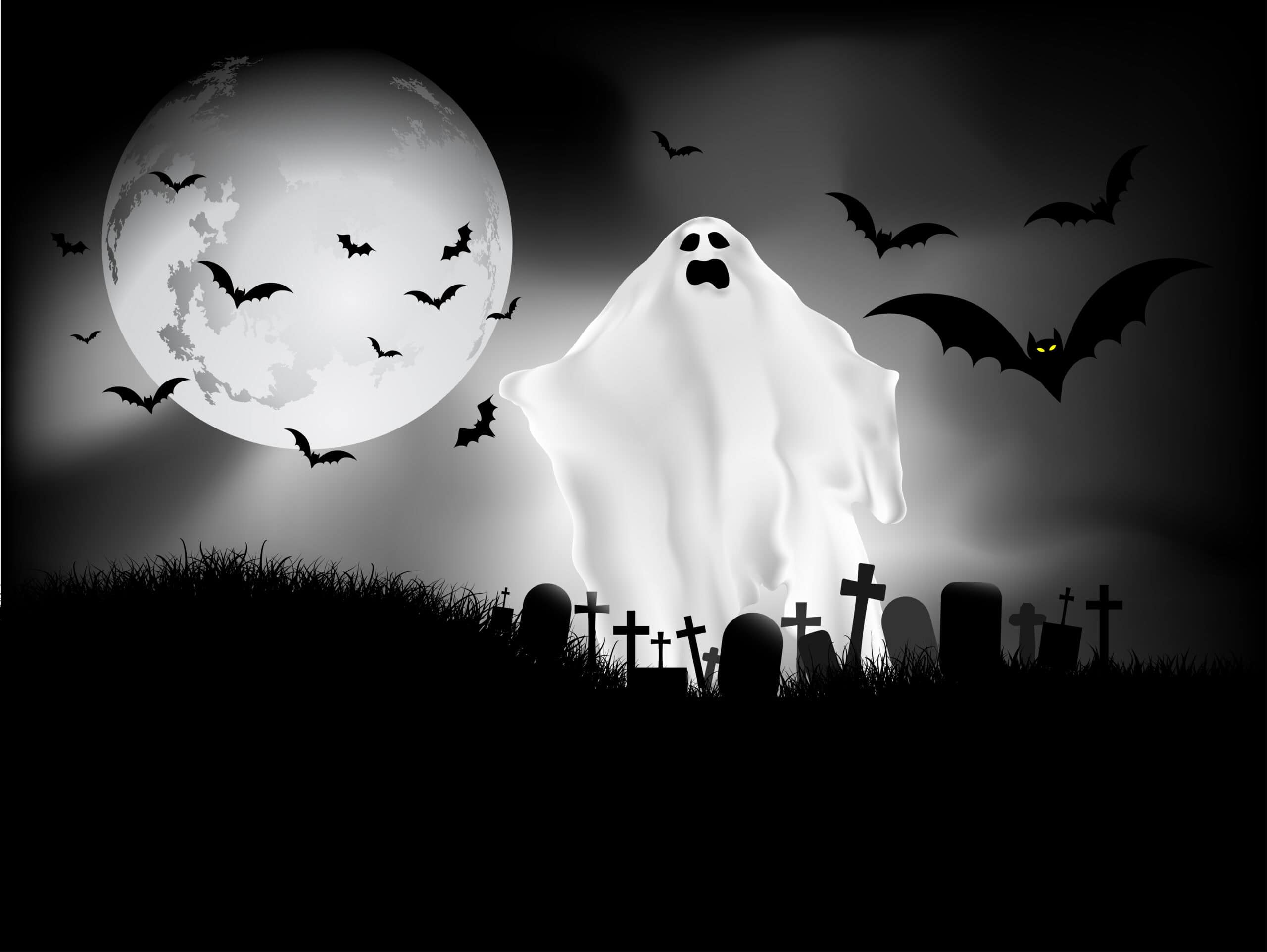
Sort of, but not in the same way.
A ghost is usually not a body at all. It is the spirit, image, or lingering presence of a dead person.
A ghoul is usually a creature with a body, even if that body is horrifying.
So if you want the cleanest distinction:
- a ghost is more spiritual
- a ghoul is more physical
That alone clears up most of the confusion.
Common ways people use the phrase “ghosts and ghouls”
Most of the time, the phrase is not meant literally. It is just seasonal language for spooky things in general.
You will see it in:
- Halloween party invites
- costume event names
- spooky captions
- haunted house ads
- classroom decorations
- greeting cards
Examples:
- “Calling all ghosts and ghouls”
- “A night of ghosts and ghouls”
- “Get ready for ghosts, ghouls, and good times”
It works because it instantly sets a Halloween tone without needing explanation.
Best uses for ghosts and ghouls in writing or themed content
If you are writing spooky content, this is the easiest way to choose:
Use ghosts when you want:
- haunted atmosphere
- eerie silence
- sadness or memory
- emotional horror
- old houses and unfinished business
Use ghouls when you want:
- graveyard horror
- creature menace
- filthy, feral energy
- body horror vibes
- something more aggressive than a haunting
That distinction helps a lot if you are naming events, writing captions, or building Halloween categories.
Ghosts and ghouls belong in the same spooky neighborhood, but they are not the same thing. A ghost is usually a spirit tied to the dead. A ghoul is usually a monstrous, graveyard-linked creature with a much more physical and gruesome edge. So if you are using the phrase for Halloween fun, you do not need to overthink it. But if you want the true difference, it comes down to this:
Ghosts haunt.
Ghouls feed.