


- FOOD
Slow Cooker Christmas Recipes for Cozy Gatherings

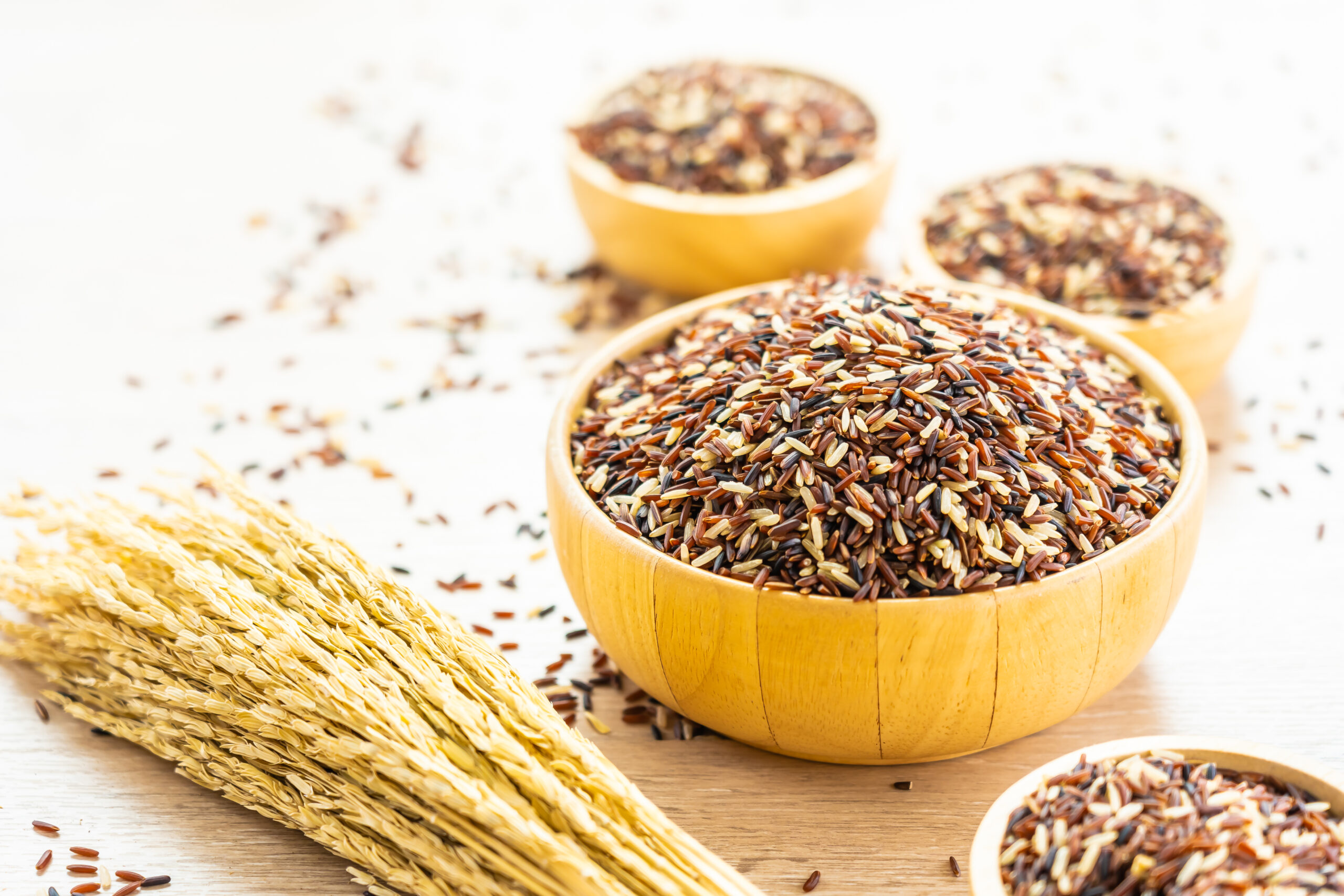
Brown rice has become a staple for health-conscious eaters across the world thanks to its rich nutrient profile and gentle, earthy flavor. Unlike white rice, which is milled and polished, brown rice retains its bran and germ layers—making it far more nutritious and fiber-dense. This complete guide breaks down the nutrition facts of brown rice, its overall composition, and the key health benefits that make it a smarter choice for daily meals. Whether you’re looking to boost energy, improve digestion, or enhance heart health, brown rice offers a well-rounded nutritional foundation.
Brown rice is packed with vitamins, minerals, fiber, and slow-digesting carbohydrates that support long-term health. The bran layer keeps most of its nutrients intact, giving it an advantage over white rice. It contains B-vitamins like niacin and thiamine, essential minerals such as magnesium, manganese, and phosphorus, and healthy plant compounds including antioxidants. These nutrients work together to support energy production, cell repair, and overall metabolic health.
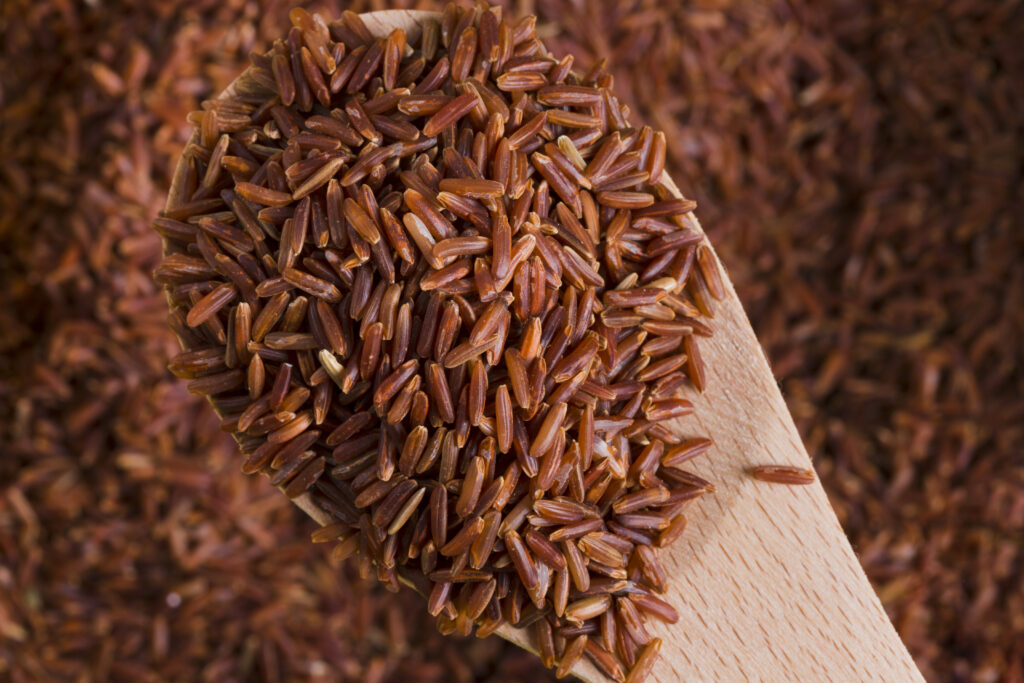
Here is a closer look at what brown rice provides in each serving:
Provides a steady source of energy thanks to complex carbohydrates that digest slowly and help stabilize blood sugar.
A strong source of slow-release carbs that fuel the body and help improve satiety without causing rapid energy crashes.
Essential for gut function, brown rice’s fiber helps digestion, supports regular bowel movements, and improves fullness.
Contains plant-based protein that assists with muscle repair, enzyme function, and maintaining a healthy metabolism.
Very low in fat, yet the small amount present is heart-friendly and supports nutrient absorption.
Plays a key role in nerve function, muscle relaxation, energy production, and bone formation.
Highly concentrated in brown rice, manganese supports metabolism, collagen production, and antioxidant activity.
Acts as a strong antioxidant that supports thyroid function and boosts immunity.
Help convert food into energy, support the nervous system, and improve cellular health.
Combat free radicals, reduce inflammation, and protect tissues from oxidative stress.

Brown rice digests more slowly than white rice thanks to its high fiber and complex carb content. This prevents sudden spikes in blood sugar, making it a smarter option for individuals with prediabetes or diabetes. Its low glycemic index supports steady energy levels throughout the day. Long-term use can help improve insulin sensitivity.
The natural fiber in brown rice helps promote regular bowel movements and reduces constipation. It nourishes good gut bacteria, improving digestive balance and reducing inflammation. Because fiber promotes satiety, it can also help prevent overeating. Overall, it creates a healthier gut environment.
Brown rice contains phenols, flavonoids, and other antioxidants that combat oxidative stress. These compounds help neutralize free radicals, which damage cells and increase inflammation. Reduced oxidative stress lowers the risk of chronic diseases. Including brown rice regularly supports inflammation management in the body.
The fiber, magnesium, and antioxidants in brown rice work together to keep your heart functioning optimally. Fiber helps remove bad LDL cholesterol from the bloodstream, improving heart health over time. Magnesium helps regulate heartbeat and relaxes blood vessels. Choosing brown rice over processed grains significantly supports cardiovascular wellness.
Thanks to its complex carbohydrates, brown rice provides a slow and steady release of energy. This helps avoid sudden drops in energy or sugar cravings. Athletes and active individuals benefit from sustained fuel for longer activities. It’s a better long-term energy source than simple-carb foods.
The fiber in brown rice contributes to fullness, helping control portion sizes and reduce unhealthy snacking. It prevents rapid hunger spikes by balancing blood sugar. As a whole grain, brown rice burns more slowly in the body, improving calorie management. Consistent consumption can support long-term weight goals.
Brown rice contains B-vitamins that play a vital role in nerve function and mental performance. Magnesium helps calm the nervous system, reducing stress and improving sleep quality. The antioxidants also help protect brain cells from damage. Together, these nutrients support cognitive health and clarity.
Magnesium and phosphorus in brown rice contribute to bone strength and muscle function. These minerals help maintain bone density and are essential for muscle recovery after physical activity. The protein content, though plant-based, also assists with tissue repair. This makes brown rice a good addition for active individuals.
The selenium and antioxidants in brown rice help support strong immune defenses. Selenium enhances the body’s ability to fight infections and regulate thyroid hormones. Antioxidants reduce inflammation, which is crucial for fighting illness. This combination helps your immune system stay strong year-round.
Brown rice provides nutrients needed for optimal metabolic processes such as energy production, digestion, and hormone balance. Its fiber improves fat metabolism, while B-vitamins support enzyme function. Regular intake may help reduce metabolic syndrome risk factors. It’s a wholesome staple for promoting overall vitality.
Brown rice stands out as a nutrient-dense whole grain packed with fiber, vitamins, minerals, and antioxidants that benefit the entire body. From stabilizing blood sugar and supporting heart health to fueling long-lasting energy and improving digestion, it offers a powerful combination of daily wellness support. By choosing brown rice over refined grains, you embrace a healthier lifestyle rooted in whole-food nutrition. Including it in your meals regularly ensures better metabolic balance, improved immunity, and long-term health benefits that your body will appreciate.