



- LIFE
200 Very Best Trivia Team Names


A cluttered pantry makes cooking stressful and grocery shopping wasteful. If you have ever discovered three half-empty pasta boxes or bought spices you already had, you are not alone. A well-organized pantry saves time, cuts down on food waste, and makes meal planning easier. This guide shares practical pantry organization ideas for every space and budget, including small pantry solutions, container tips, labeling strategies, and simple habits that keep everything tidy.
Before diving into systems and containers, start with a quick reset. This ensures your layout actually works for how you cook and shop.
Remove everything from shelves and discard expired or stale items. Donate unopened extras you will not use.
Group similar products so they are easier to store and find:
Knowing dimensions helps you choose the right bins, baskets, and containers that fit your pantry layout.
Small adjustments can make a big difference, even in tight spaces.
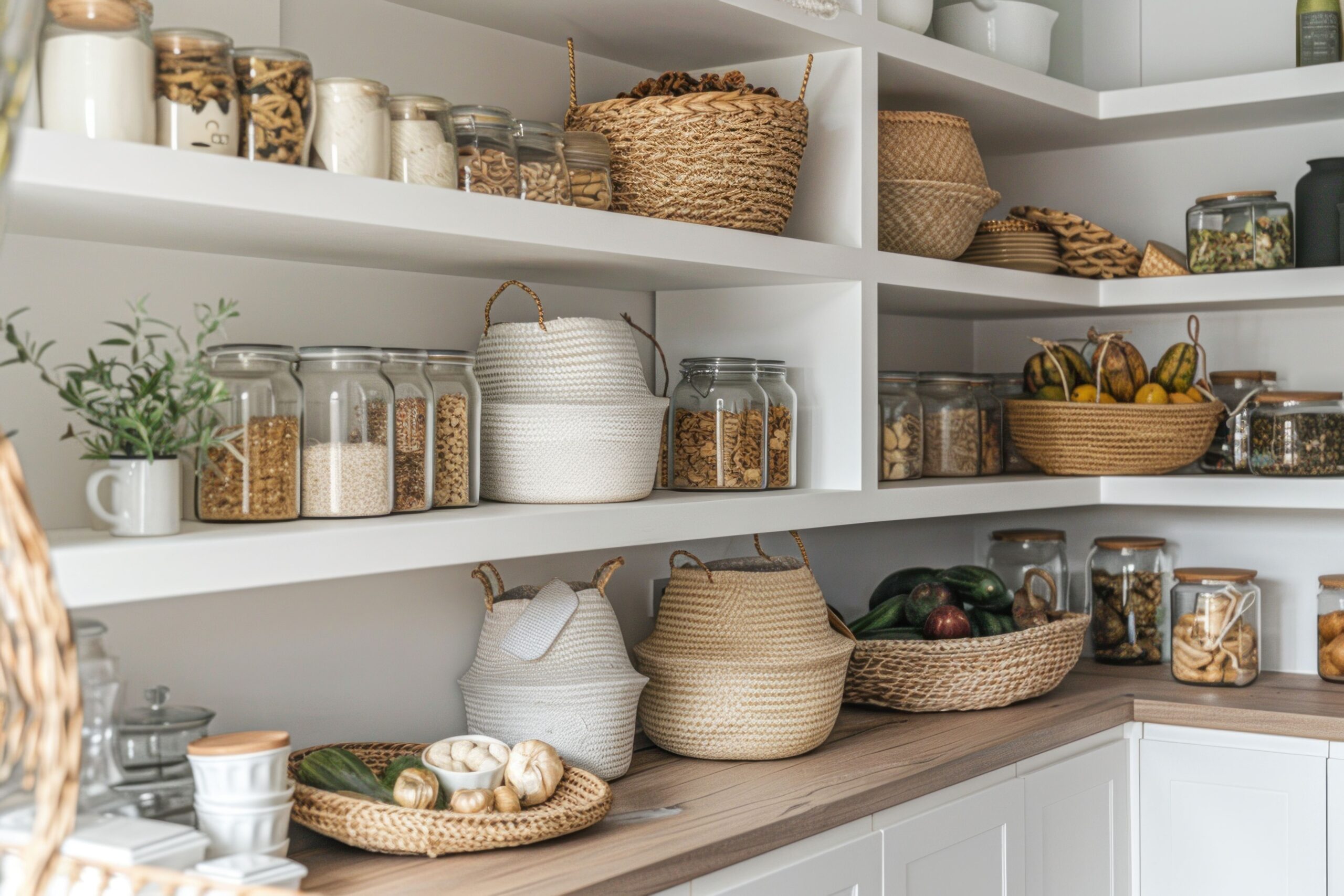
Use airtight clear containers for flour, oats, cereal, beans, nuts, and pasta. This keeps ingredients fresh and makes it easy to see what you have at a glance.
Lazy Susans are perfect for oils, vinegar, nut butters, sauces, and condiments. They eliminate deep-shelf digging.
Stadium-style tiered shelves let you see labels instead of stacking cans in hard-to-reach piles.
Baskets help wrangle loose items like chips, granola bars, potatoes, or onions, and they maintain airflow for produce.
If storage is limited, use the back of the door for spices, jars, or cleaning supplies.
Sliding baskets act like drawers and make it easier to access items in the back of deep shelves.
Labels are the secret to maintaining the system long-term. They help everyone in the house know where things belong.
Designing functional zones reduces decision fatigue and makes daily meals smoother.
Place frequently used items like snacks, cereal, and coffee at eye level for quick access.
Store baking supplies together so you are not searching for sugar and vanilla mid-recipe.
Keep surplus items on higher or lower shelves so your daily pantry stays clutter-free.
Reserve a low shelf for snacks and breakfast items kids can grab independently.
Even tiny pantries can be functional with the right approach.
People often eat what they can see first, so a pantry layout can support healthier habits.
Try these visibility tricks:
Maintaining an organized pantry is easier when you adopt small weekly habits.
A full reset every season plus quick weekly tidies keeps things under control.
Matching containers look great but are not required. Function and fit should come first.
Use sliding bins, clear containers, and Lazy Susans so items do not get lost in the back.
Use cardboard boxes, jars you already own, and simple painter’s tape labels. Focus on categories and visibility rather than expensive products.
A well-organized pantry makes cooking enjoyable instead of chaotic. By decluttering, choosing smart storage tools, creating zones, and building simple habits, you can maintain a tidy and highly functional pantry year-round. Whether you have a walk-in space or a single cabinet, these pantry organization ideas will help you reduce waste, save time, and enjoy a more efficient kitchen.