

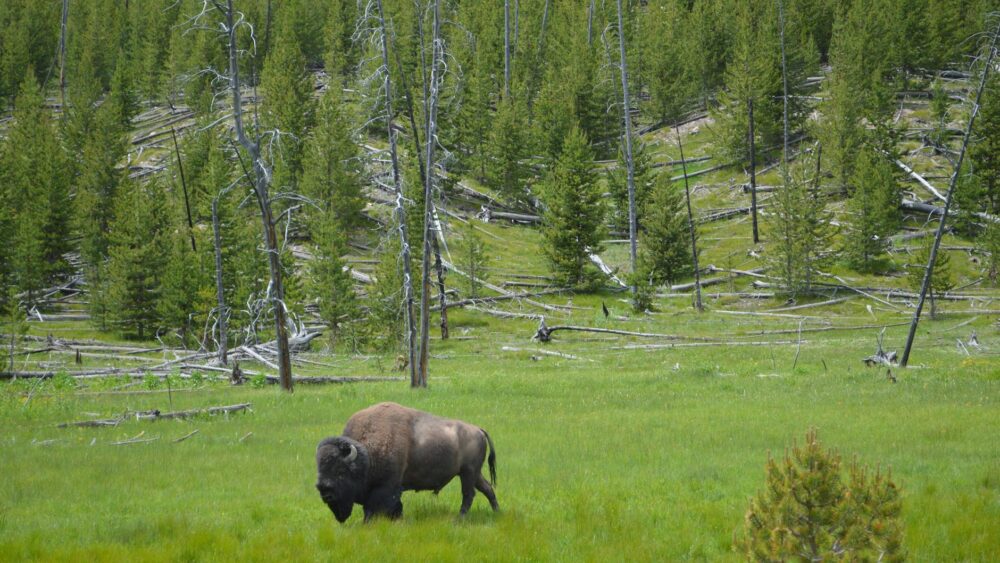
National park names as baby name inspiration might be one of the most underused ideas in the naming world. These landscapes carry centuries of meaning, native heritage, geological history, and wild beauty, and many of the names tied to them translate directly into stunning, wearable given names for a child.
The selections below are organized by the kind of feeling each name evokes: rugged and strong, soft and natural, celestial and vast, or rooted in the indigenous and geographic heritage of the land itself.
Strong and Rugged: Names With Backbone
These names feel like granite peaks and wide open sky. They carry weight without being heavy, and they suit a child you can already picture running toward the horizon.
Sierra
From the Spanish word for a jagged mountain range, Sierra is directly tied to the Sierra Nevada and the national parks nestled within it, including Yosemite and Kings Canyon. It hit mainstream popularity in the 1990s and has held on with quiet confidence. Strong, geographic, and unmistakably Western.
Ranger
Ranger has been climbing steadily as a given name, and its association with national park rangers gives it an outdoor, guardian quality that feels both adventurous and purposeful. It works especially well as a middle name if you want something bolder than the usual suspects.
Flint
Flint is a place name with deep roots in American geography, and as a given name it carries a spark-striking, frontier energy. Short, tough, and memorable, it fits the national park spirit without being obvious about it.
Colt
Tied to the wild horses of the American West and the wide plains that national parks like Theodore Roosevelt preserve, Colt is a lean, confident given name with genuine use. It has a classic cowboy edge that never tips into costume.
Wyatt
Wyatt is an Old English surname-turned-given-name meaning “brave in war,” but its cultural identity is thoroughly Western and tied to the American frontier. It has been a top-100 staple for years and pairs beautifully with nature-inspired middle names. Think Wyatt Sequoia or Wyatt River.
Soft and Natural: Names Drawn From the Land
Not every nature name needs to feel like a mountain. These names are grounded and earthy, the kind that feel like a meadow in late afternoon light.
Willow
Willow trees line riverbanks throughout American parklands, and the name itself has become one of the most beloved nature names of the current era. It is graceful without being precious, and its soft sound makes it easy to pair with almost any surname.
Fern
Fern is having a genuine revival after decades in the background. It is a real plant name with real name use, rooted in the lush undergrowth of forests from the Smoky Mountains to the Olympic Peninsula. Short, botanical, and quietly striking.
Laurel
Mountain laurel is one of the iconic flowering shrubs of the Appalachian parklands, and Laurel as a given name has a long, distinguished history. It is literary, natural, and more distinctive than Lily or Rose without trying too hard.
Sage
Sage is both an aromatic plant of the American West and a word meaning wisdom, which is a rare double win in a baby name. It grows across the high desert landscapes of parks like Bryce Canyon and Zion, and the name works beautifully for any gender.
Cedar
Cedar is a real given name with growing use, directly tied to the towering trees that define parks like Olympic and Redwood. It has a warm, woody sound that sits right between nature name and classic, and it is criminally underused.
Ash
Ash is both a tree and a given name with genuine history, and it feels current without chasing trends. Ash trees are native to forests across the national park system, and the name works as a standalone or as a short form of Asher or Ashley.
Birch
Birch is a crisp, one-syllable nature name that has started appearing on birth certificates with more frequency. The white birch is iconic in northern parklands like Acadia, and the name carries that cool, clean forest energy.
Water and Sky: Names Inspired by Rivers, Lakes, and Open Horizons
Some of the most striking national park landscapes are defined by water and light. These names carry that open, elemental feeling.
River
River is one of the most established nature names in actual use, and it fits the national park theme with ease. From the Colorado carving through the Grand Canyon to the Snake winding through Grand Teton, rivers are the arteries of the park system. The name is strong, flowing, and genuinely popular right now.
Brooks
Brooks as a given name (not just a surname) has real, documented use, and it carries the sound of water moving through a quiet forest. It is fresher than Blake and more grounded than Briar, with a natural ease that suits the national park aesthetic.
Marina
Marina comes from the Latin for “of the sea” and has long been used as a given name across many cultures. It feels at home against the coastal parks, from Acadia to Channel Islands, and it carries an international elegance that keeps it from feeling too on-the-nose.
Glen
Glen, from the Scottish Gaelic for a narrow valley, is a quietly distinguished given name that fits the topography of parks like Shenandoah and Great Smoky Mountains. It is short, sturdy, and deeply underappreciated in the current naming landscape.
Aurora
Aurora Borealis is one of the great spectacles visible from the far northern reaches of the national park system, and Aurora as a given name has become a genuine powerhouse. It has classical roots as the Roman goddess of dawn, and its current popularity is completely earned. It is gorgeous without apology.
Skye
Skye is a given name with real use, drawing directly on the wide open sky above the parks and the famous Isle of Skye. It has a breezy, uncluttered feel and works well for any gender, though it leans feminine in current usage.
Indigenous and Geographic Heritage: Names Rooted in the Land’s Own History
Many national parks sit on land with deep indigenous heritage, and some of the names associated with that geography have genuinely crossed into given-name use with real cultural history behind them. These are names you can use with intention and respect.
Dakota
Dakota is a Sioux word meaning “friend” or “ally” and is the name behind both North and South Dakota, home to Badlands and Wind Cave national parks. It has been a popular given name for decades and carries a strong, open-plains feeling. It works for any gender.
Cheyenne
Cheyenne is the name of an Algonquian-speaking people of the Great Plains and has a long history as a given name in the United States. It carries the landscape of Wyoming and Colorado, with parks like Rocky Mountain nearby, and has a bold, Western sound that has held up across generations.
Sequoia
Sequoia is named for the Cherokee scholar Sequoyah, who created the Cherokee syllabary, and it is also the name of one of America’s oldest national parks. As a given name it is rare, striking, and loaded with meaning, both natural and historical. It is one of the most genuinely original national park names you could choose.
Zion
Zion is a Hebrew name with deep religious significance, meaning “highest point” or referring to the sacred hill in Jerusalem. It is also one of Utah’s most visited national parks. The name has been climbing in popularity steadily and carries a sense of elevation and arrival that feels both spiritual and geographic.
Shasta
Shasta is the name of a Native Californian people and the towering volcanic peak near the northern end of California. It has genuine, if uncommon, use as a given name, and it carries that Pacific Northwest wildness in just two syllables.
Classic Names With a Park Connection
Some names have been in use for centuries but carry a specific resonance with the national park world, whether through geography, historical figures, or the qualities the parks themselves represent.
John
John Muir is arguably the father of the American national park system, and his name carries all the weight of that legacy. John is one of the most enduring given names in the English-speaking world, with Hebrew roots meaning “God is gracious.” If you want a subtle nod to the parks’ founding spirit, there is no more direct path.
Theodore
Theodore Roosevelt created the United States Forest Service and established 150 national forests, five national parks, and 18 national monuments. Theodore Roosevelt National Park in North Dakota bears his name directly. The name itself is Greek, meaning “gift of God,” and its nicknames Theo and Teddy give it real everyday warmth.
Grace
Grace as a given name has centuries of use and a Latin root meaning “favor” or “blessing,” but it also resonates with the natural grace of the landscapes the parks protect. Grace is a top-100 staple that never feels tired, and it pairs beautifully with longer, more unusual middle names from this list.
Reid
Reid is a Scottish and English surname-turned-given-name meaning “red,” often referring to red hair or red soil. The red rock landscapes of parks like Arches and Capitol Reef are among the most iconic in the system, and Reid carries that earthy, grounded quality in a name that feels current without being trendy.
Ellis
Ellis Island may be a monument rather than a park, but Ellis as a given name fits the national park spirit through its use in park geography and its standing as a quietly strong, gender-neutral name. It has Welsh and English roots and has been gaining real traction in recent years as parents look for something familiar but not overused.
How to Choose a National Park-Inspired Name
The best place to start is with a park you actually love. If you honeymooned in Glacier, spent summers at Acadia, or proposed at the rim of the Grand Canyon, let that personal geography guide you. A name with a story behind it is worth more than one chosen purely for sound.
Think about how literal you want to be. Names like Sequoia and Zion wear their park connection openly. Names like Wyatt, Theodore, or Grace carry the spirit of the parks and the people who shaped them without announcing it on every birthday card. Both approaches are valid, and which one fits depends entirely on your surname and your naming style.
Pay attention to sound and rhythm. One-syllable nature names like Fern, Ash, and Glen are powerful in the middle spot, anchoring a longer first name with something earthy and real. Longer names like Aurora, Sequoia, and Theodore work best with short, simple surnames that let them breathe.
Finally, look at the meaning beneath the geography. The best national park names carry a double life: they reference a real place or landscape, and they also carry a meaning you’d want a child to grow into. Sage means wisdom. Zion means highest point. Sequoia carries the legacy of a scholar and a cathedral of trees. That layered meaning is what separates a good nature name from a truly great one.
The national park system was built on the idea that some places are worth protecting forever. A name drawn from that world is a quiet declaration that you believe the same thing.