
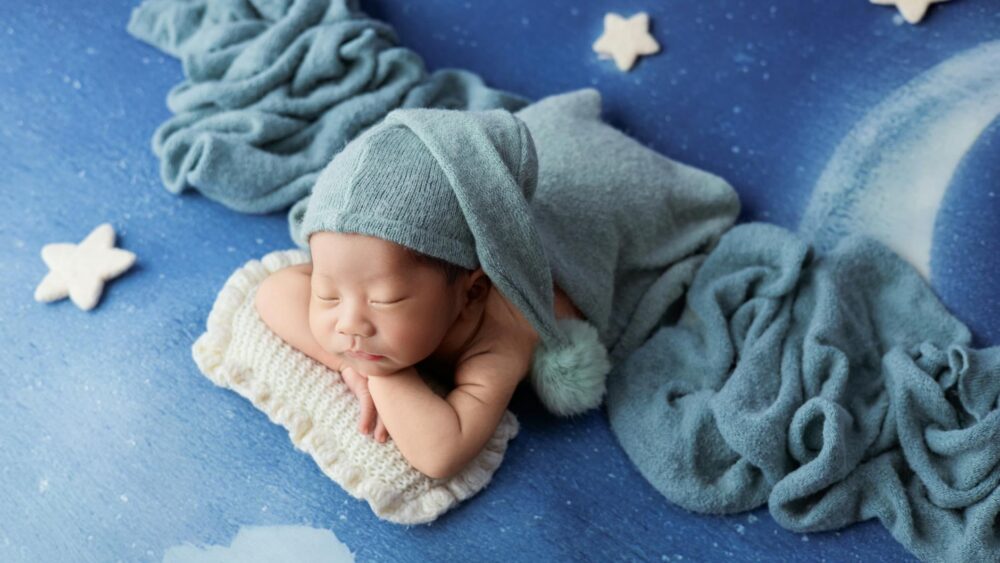
Finding a boy name that feels genuinely distinctive, not just a creative spelling of something in the top ten, takes real digging. These are names rooted in history, mythology, literature, and cultures from around the world that have never quite broken into the mainstream, which is exactly what makes them worth a closer look. Every single one is a real given name with real roots.
If you want boy names unique enough to stop a room but grounded enough to wear well for a lifetime, this list is for you. These picks are organized by vibe so you can find your corner quickly.
Ancient and Mythological Boy Names
These names carry the weight of legend and have been worn by gods, heroes, and kings, yet somehow never made it into the modern mainstream. That’s a gap worth exploiting.
Leander
From the Greek Leandrosmeaning “lion of a man,” this is the name of the legendary swimmer who crossed the Hellespont nightly to meet his beloved Hero. It’s romantic, strong, and almost never heard on a child today.
Evander
A Latinized form of the Greek Euandrosmeaning “good man” or “well-built man.” In Roman mythology, Evander founded a city on the site of what would become Rome. It has all the grandeur of Leonidas with none of the overexposure.
Peregrine
Latin for “traveler” or “pilgrim,” this was a name borne by several early Christian saints and is the given name of the falcon species. It has a literary, slightly eccentric quality that wears beautifully.
Lysander
A Greek name meaning “liberator,” worn by a Spartan naval commander and later made famous by Shakespeare’s A Midsummer Night’s Dream. It’s theatrical in the best possible way.
Theron
From Greek, meaning “hunter.” It’s ancient, clean, and surprisingly easy to say and spell. Actor Charlize Theron’s surname keeps it vaguely recognizable without making it feel common as a first name.
Caspian
Drawn from the Caspian Sea, C.S. Lewis used this as the name of a prince in The Chronicles of Narniagiving it a literary pedigree. It’s geographic, adventurous, and handsome.
Oisin
Pronounced OH-sheen, this is one of the great names of Irish mythology, the name of a poet and warrior, son of Fionn mac Cumhaill. It’s deeply rooted in Celtic culture and almost never seen outside Ireland.
Ptolemy
This ancient Macedonian name, borne by the great astronomer and by the ruling dynasty of Egypt after Alexander, has a wildly distinctive sound. The silent P makes it even more intriguing in writing.
Caius
An ancient Roman praenomen, possibly related to the Latin gaudere“to rejoice”, that was common in classical Rome but virtually unheard today. It’s sharp, minimal, and strong.
Phelan
An Irish and Scottish name derived from the Gaelic Faolánmeaning “little wolf.” It has the cool, edgy meaning of Wolf names without actually being Wolf, which is now everywhere.
Medieval and Old English Boy Names
Medieval England produced a fascinating catalog of names that got buried under centuries of fashion and are now waiting to be rediscovered. These feel simultaneously old and fresh.
Aldric
From the Old High German elements meaning “noble” and “power.” It was used by several medieval bishops and has a grounded, serious quality that ages well.
Cormac
An old Irish name of uncertain but ancient origin, possibly meaning “charioteer.” It was the name of legendary High Kings of Ireland. Bold, strong, and almost entirely unused outside Ireland.
Leofric
An Old English name meaning “dear ruler,” borne by the Earl of Mercia and husband of Lady Godiva. It has enormous historical presence and sounds nothing like anything currently popular.
Aldous
A medieval English form of Germanic names beginning with aldmeaning “old” or “wise.” Aldous Huxley made it literary. It has a quiet intellectual confidence.
Sigebert
Old English and Germanic, meaning “bright victory.” Several Frankish kings bore this name. It’s a bold choice, no question, but it has genuine historical roots and remarkable presence.
Godwin
An Old English name meaning “friend of God,” borne by the powerful Earl of Wessex, father of the last Anglo-Saxon king. It has warmth and strength in equal measure.
Wulfric
Old English, meaning “wolf power.” This was a common name in pre-Conquest England and has a striking, almost cinematic energy for a modern child.
Edric
An Old English name meaning “wealthy ruler,” short and strong with serious Anglo-Saxon roots. It sits right at the intersection of old and accessible.
Beric
An Old English name meaning “grain farm” or “barley settlement,” though it also appears in Celtic contexts. George R.R. Martin fans may recognize Beric Dondarrion, which gives it a quiet modern touch.
Thurston
From the Old Norse Thor’s stonethis was a surname-turned-given name in medieval England. It has all the rugged Norse energy without being Thor itself.
Literary and Artistic Boy Names
Some of the most underused names in the world were invented or popularized by writers and artists, and then somehow left on the shelf. These deserve better.
Dorian
Oscar Wilde gave this name its most famous outing in The Picture of Dorian Graythough it derives from the ancient Greek Dorians. It’s elegant, slightly mysterious, and criminally underused.
Atticus
A real Roman cognomen borne by Cicero’s great friend Titus Pomponius Atticus, and of course Harper Lee’s noble lawyer in To Kill a Mockingbird. It has been climbing in recent years but is still far from crowded.
Emrys
The Welsh name for Merlin, his full legendary name was Myrddin Emrys. It means “immortal” and is one of the most evocative names in the Welsh tradition, almost entirely unused in the English-speaking world.
Rowan
While gaining some traction, Rowan remains genuinely uncommon for boys. It comes from the rowan tree and the Gaelic ruadhmeaning “red.” It’s nature-rooted, strong, and works beautifully across cultures.
Florian
Latin in origin, from flosmeaning “flower,” this name is popular in Austria and Germany but almost unheard in English-speaking countries. Saint Florian is the patron of Poland. It’s soft but not weak.
Corwin
Possibly derived from the Old French corvinrelating to the raven, or from Cornish roots. Fantasy author Roger Zelazny used it for his protagonist in The Chronicles of Ambergiving it a literary gloss.
Endymion
In Greek mythology, the beautiful shepherd loved by the moon goddess Selene. Keats wrote a long poem about him. It’s extravagant, yes, but it has mythological depth and the nickname Ender or Endy makes it wearable.
Taliesin
A legendary sixth-century Welsh bard whose name means “shining brow.” Frank Lloyd Wright named his estate after it. It’s a bold, beautiful choice with genuine cultural weight.
Soren
The Scandinavian form of a Latin name related to Severusmeaning “stern.” Philosopher Soren Kierkegaard made it intellectually luminous. It’s clean, strong, and quietly sophisticated.
Crispin
From Latin crispusmeaning “curly-haired.” Saint Crispin gave his name to the famous battle in Shakespeare’s Henry V. It has a breezy, slightly eccentric charm that feels very much its own.
Names from Celtic and Gaelic Traditions
Celtic and Gaelic naming traditions are a goldmine of boy names unique enough to stand out anywhere, with deep roots in Irish, Scottish, Welsh, and Breton heritage.
Fergus
An old Irish and Scottish name meaning “man of vigor” or “strong man.” It’s common in Scotland but virtually unknown elsewhere, which makes it a brilliant option for families wanting something rooted but rare.
Niall
Pronounced NEEL, this is the Irish form of Neil, possibly meaning “champion” or “cloud.” Niall of the Nine Hostages was one of the most powerful High Kings in Irish history.
Ciarán
Pronounced KEER-awn, from the Irish ciarmeaning “dark” or “black,” likely referring to dark hair or eyes. Two important Irish saints bore this name. It’s distinctive and melodic.
Brennan
An anglicized form of the Irish Braonánmeaning “little drop” or possibly “sorrow.” It has a warm, approachable sound that works easily in any English-speaking country.
Lorcan
An Irish name meaning “little fierce one,” from lorcmeaning “fierce.” It was borne by Saint Laurence O’Toole, whose Irish name was Lorcán. It has tremendous energy in a small package.
Bran
An ancient Celtic name meaning “raven,” borne by legendary figures in both Irish and Welsh mythology. It’s minimal and striking, one syllable with enormous mythological depth.
Drustan
The original Brythonic form of the name that became Tristan, possibly meaning “noise” or “tumult.” Using Drustan instead of Tristan gives you the same story with a genuinely rare form.
Eoghan
Pronounced OH-en or YO-en, this is the Irish equivalent of Owen or Eugene, meaning “born of the yew” or “youth.” It’s authentic Irish Gaelic at its most grounded.
Caradoc
A Welsh and Brythonic name meaning “beloved” or “amiable,” related to the Gaulish chieftain Caratacus who resisted Roman conquest. It’s ancient, strong, and entirely unused in modern naming.
Arlen
An Irish name possibly derived from a place name, meaning “pledge” or “oath.” It has a quiet, understated quality, familiar-sounding but genuinely uncommon.
Scandinavian and Norse Boy Names
Norse culture has given us Thor, Odin, and Leif, all now fairly well known. But the Norse naming tradition runs much deeper, with bold, resonant names that have barely crossed into the English-speaking world.
Arvid
Old Norse, meaning “eagle tree” from arn (eagle) and vidr (tree). It’s common in Sweden and Norway but almost unheard in the English-speaking world, which makes it quietly brilliant.
Sigurd
Old Norse, meaning “victory guardian.” Sigurd is the great hero of Norse mythology, the slayer of the dragon Fafnir. The stories behind this name are extraordinary.
Halvard
Old Norse, meaning “guardian of the rock” or “defender of the flat stone.” It’s the name of Oslo’s patron saint and has a solid, grounded Nordic quality.
Ingvar
Old Norse, combining the god Ing with herrmeaning “army” or “warrior.” Several Viking rulers bore this name. It’s strong, historical, and entirely unused in the English-speaking world.
Birger
Old Norse, meaning “helper” or “one who saves.” Birger Jarl was the founder of Stockholm. It has a short, clean sound and deep historical roots.
Ragnvald
Old Norse, meaning “ruler’s power,” the source of the Scottish name Ronald. Using Ragnvald is choosing the original, more dramatic form directly.
Gunnar
Old Norse, meaning “warrior” or “bold warrior.” It’s a staple in Scandinavia but almost never seen elsewhere, with a clean, strong sound that travels well.
Hakon
Old Norse, meaning “high son” or “chosen son.” Numerous Norwegian kings bore this name. It’s regal and simple.
Vidar
In Norse mythology, Vidar is the son of Odin, a god of silence and vengeance known for his great strength. The name means “wide warrior” or “forest warrior” and has an elemental quality.
Torsten
Old Norse, meaning “Thor’s stone.” It’s used in Scandinavia but almost entirely absent from English-speaking naming, which is a genuine missed opportunity given how handsome it sounds.
Names from Eastern and Southern Europe
Slavic, Hungarian, Romanian, and Balkan naming traditions offer a wealth of distinctive names that sound utterly fresh in English-speaking contexts.
Zephyr
From the Greek god of the west wind, Zephyros. It’s a real given name with ancient roots and a breezy, effortless sound. Gaining the faintest traction but still genuinely rare.
Calogero
An Italian and Sicilian name from the Greek Kalogerosmeaning “beautiful elder” or “good old man.” Saint Calogero is venerated across Sicily. It’s wildly distinctive in the English-speaking world.
Branimir
A South Slavic name combining brani (to defend) and mir (peace). Branimir was a ninth-century Croatian prince. It has a strong, lyrical quality.
Dragomir
Slavic, meaning “precious peace,” from drago (precious, dear) and mir (peace). It’s used across the Balkans and has remarkable sound and depth for English speakers seeking something truly different.
Radovan
A South Slavic name meaning “joyful,” from rad (glad, willing). It has a warm, positive meaning and a sound that’s unfamiliar but not difficult for English speakers.
Emilian
The Romanian and Slavic form of the Latin Aemiliusmeaning “rival” or possibly “eager.” Saint Emilian was venerated across early Eastern Christianity, and the name has a sophisticated, slightly exotic quality.
Bogdan
A Slavic name meaning “given by God,” from bog (God) and dan (given). It’s common across Eastern Europe but virtually unknown in English-speaking countries, and the meaning is beautiful.
Zoltán
A Hungarian name of Turkic origin, possibly meaning “sultan” or “ruler.” Composer Zoltán Kodály is its most famous bearer. It has an exotic, strong sound that’s unlike anything in the English top 1000.
Miroslav
A Slavic name meaning “peaceful glory,” from mir (peace) and slav (glory). Used across Czech, Slovak, Polish, and South Slavic cultures, it’s virtually unknown in English-speaking contexts.
Vojtech
A Czech and Slovak name meaning “soldier of consolation” or “warrior of comfort,” from Slavic elements meaning “warrior” and “comfort.” Saint Adalbert’s Czech name was Vojtech. It’s bold and entirely distinctive.
Names from the Middle East, Africa, and Asia
These names carry centuries of cultural and linguistic depth and deserve far more attention from parents looking for boy names unique to their corner of the world.
Idris
An Arabic name meaning “studious” or “interpreter,” and also a figure mentioned in the Quran often identified with Enoch. It’s used across the Muslim world and in Wales as a different name entirely. Actor Idris Elba has given it a cool, contemporary edge.
Tariq
Arabic, meaning “he who knocks at the door” or “morning star.” Tariq ibn Ziyad led the Muslim conquest of the Iberian Peninsula in 711 AD. It’s strong, historical, and elegant.
Rashid
Arabic, meaning “rightly guided” or “wise.” It’s one of the 99 names of God in Islamic tradition and has been borne by caliphs and scholars. Beautiful in meaning and sound.
Ekundayo
A Yoruba name from Nigeria meaning “sorrow has turned to joy.” It’s a name given to children born after a period of family grief, and its meaning is extraordinarily moving.
Kofi
A Ghanaian Akan name given to boys born on a Friday. Kofi Annan, the former UN Secretary-General, is its most internationally known bearer. It’s joyful, clean, and globally recognized.
Amara
Used across multiple African cultures and in Arabic, meaning “eternal” or “grace.” In Igbo, it means “grace.” In Amharic, “eternal.” It’s a name with genuine cross-cultural depth.
Tendai
A Shona name from Zimbabwe meaning “be thankful” or “give thanks.” It’s warm, strong, and has a natural, flowing sound that works beautifully in any language.
Cyrus
The Greek form of the Persian name Kurushpossibly meaning “sun” or “throne.” Cyrus the Great founded the Achaemenid Persian Empire. The name is ancient, regal, and underused.
Darius
From the Old Persian Darayavahushmeaning “he who holds firm the good.” Three Persian kings bore this name. It’s powerful, historically significant, and still rare on the playground.
Sanjay
Sanskrit in origin, meaning “triumphant” or “victorious.” It appears in the Mahabharata as the name of Dhritarashtra’s charioteer and narrator of the battle. It’s well used in South Asian communities but rare outside them.
Short and Punchy Rare Boy Names
Sometimes the most distinctive names are also the shortest. These one- and two-syllable names have serious roots and a clean, confident sound.
Cael
An Irish name, a variant of Cael or Caol, related to the Gaelic word for “slender.” It’s found in Irish mythology as a warrior of the Fianna. Short, strong, and entirely fresh.
Fen
An English nature name referring to the marshy lowlands of East Anglia. It’s minimal, earthy, and quietly striking as a given name.
Bram
The Dutch and short form of Abraham, meaning “father of many.” Bram Stoker, author of Draculais its most famous bearer. It’s crisp, literary, and surprisingly underused.
Cort
A Germanic name related to the Old High German kuonimeaning “bold” or “brave.” It’s rare, short, and has a quiet strength.
Rune
From the Old Norse and Old English word for “secret” or “mystery,” referring to the ancient runic alphabet. As a Scandinavian given name it has real heritage, and its meaning is genuinely cool.
Oz
A Hebrew name meaning “strength” or “courage,” used independently in Israel rather than purely as a nickname. Short, bold, and completely distinctive.
Lev
Hebrew and Slavic, meaning “heart” in Hebrew and “lion” in Russian. Both meanings are strong. It’s used in Israeli and Eastern European Jewish communities and is refreshingly minimal.
Cai
The Welsh form of the Latin name Caius, and the original Welsh name of Sir Kay of Arthurian legend. Three letters, enormous depth.
Dag
Old Norse, meaning “day.” It’s a real given name in Scandinavia, short and elemental, and Dag Hammarskjold, the celebrated UN Secretary-General, gave it a statesmanlike quality.
Søren
The full Danish form of the name listed earlier as Soren, listed here in its native form with the characteristic slash through the O. In written form it’s immediately striking.
Long, Grand, and Operatic Boy Names
For parents who want a name with full ceremony, these longer names have a sweep and grandeur that short names simply cannot match. They tend to come with excellent nickname options too.
Bartholomew
An Aramaic name meaning “son of Talmai,” borne by one of the twelve apostles. The nickname Bart or Barty makes it wearable day to day, but the full form is magnificent.
Cornelius
A distinguished Roman family name of uncertain Etruscan origin. It’s been borne by popes, scientists, and statesmen, and the nicknames Corny or Neil make it accessible. Seriously underused.
Thaddeus
An Aramaic name, another of the twelve apostles. It possibly means “heart” or “courageous heart.” The nickname Thad is easy and appealing, and the full name is genuinely impressive.
Sylvester
Latin, from silvameaning “forest” or “woodland.” Pope Sylvester I and Sylvester Stallone are both famous bearers, making this a name with both ecclesiastical and cinematic weight.
Absalom
Hebrew, meaning “my father is peace.” In the Bible, Absalom was the famously beautiful son of King David. William Faulkner used it as a novel title. It’s dramatic and deeply unusual.
Zebediah
Hebrew, meaning “God has given” or “gift of Yahweh.” In the New Testament, Zebedee was the father of the apostles James and John. The nickname Zeb is excellent.
Rafferty
An anglicized form of the Irish Rabhartachmeaning “prosperity wielder.” It’s surname-as-first-name done with real style, and the nickname Raff is charming.
Alistair
The Scottish Gaelic form of Alexander, meaning “defender of men.” It’s common in Scotland but surprisingly rare in the rest of the English-speaking world, which makes it a smart choice.
Balthazar
Traditionally the name of one of the three Magi, possibly derived from the Babylonian Bel-shar-usurmeaning “protect the king.” It’s theatrical, grand, and the nickname Bal or Balt is usable.
How to Choose a Truly Unique Boy Name
The most important question is whether the name is rare because it’s genuinely beautiful and overlooked, or rare because it’s difficult to wear. There’s a real difference between a name like Evander, easy to say, easy to spell, loaded with history, and one that will require a lifetime of correction and explanation. Both can be valid choices, but go in with clear eyes about what you’re signing your child up for.
Think about the full name, not just the first name. A long, operatic first name needs a short, clean middle and surname to anchor it, while a very short first name can take a longer middle without feeling crowded. Say the full name out loud, many times, in many contexts: calling it across a playground, introducing yourself at a job interview, signing a form.
Cultural connection matters. If a name comes from a tradition that isn’t yours, ask whether you’re drawn to it because of genuine appreciation and knowledge of that culture, or simply because it sounds cool. This isn’t a hard rule, but it’s worth the reflection. Names carry stories, and knowing yours is part of what makes a name truly yours.
Finally, test the nickname situation. The best long, unusual names tend to have strong nicknames baked in, Bartholomew gives you Bart, Cornelius gives you Neil or Corny, Thaddeus gives you Thad. If the full name is a stretch for daily use, make sure the nickname you’d actually use every day is one you love just as much.
The names on this list have been worn by kings, saints, warriors, poets, and ordinary people who simply had parents with excellent taste. Any one of them gives a boy something genuinely his own from day one.