

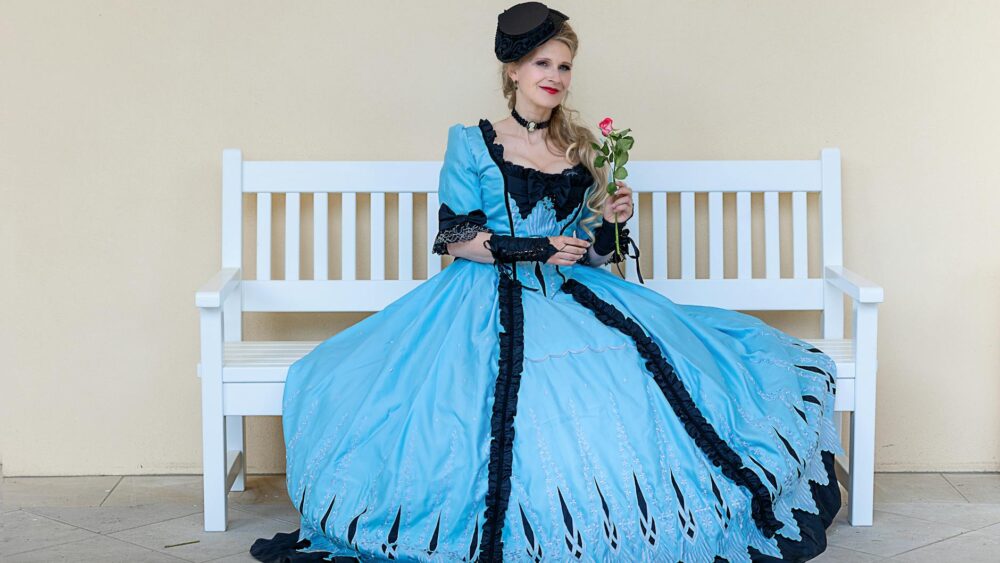
Victorian names are having a genuine moment. After decades of being dismissed as stuffy or old-fashioned, the names that defined the 1837, 1901 era of Queen Victoria’s reign are landing on birth certificates again, carried back by a wave of parents who want something that feels substantial, romantic, and a little unexpected. These are names with history, with texture, with the kind of weight that nicknames alone can’t manufacture.
What makes a Victorian name? Think the names that filled church registers, parlors, and novels from the mid-nineteenth century through the Edwardian edge of the twentieth: classics with grandeur, virtue names with conviction, nature-inspired picks with quiet elegance, and elaborate formal names that come with irresistible short forms. This list pulls from all of those corners, grouping them so you can find your particular flavor of the era.
Grand and Stately Victorian Girls’ Names
These are the names that sound like they belong on a portrait in a gilded frame. They have presence, and that presence is exactly why they’re coming back.
Adelaide
From the Old High German Adalheidismeaning “noble kind” or “of noble sort.” Adelaide was Queen Victoria’s aunt and the queen consort for whom Adelaide, Australia was named. It’s formal without being fussy, and the nickname Addie makes it entirely wearable day to day.
Arabella
Likely a medieval variant of Annabel, or possibly from the Latin orabilismeaning “yielding to prayer.” Arabella has a lush, romantic sound that the Victorians loved and that contemporary parents are rediscovering as an alternative to the ubiquitous Isabella.
Cordelia
Of uncertain but possibly Celtic origin, meaning “heart” or “daughter of the sea.” Shakespeare put it on the map in King Learand the Victorians embraced it fully. It’s literary, melodic, and criminally underused today.
Eugenia
The feminine form of the Greek Eugeniosmeaning “well-born.” Eugenia was a popular Victorian name, partly due to the influence of Empress Eugenie of France. It’s gaining quiet traction as parents look for alternatives to Evelyn and Elena.
Georgiana
A feminine elaboration of George, from the Greek georgosmeaning “farmer” or “earth worker.” Georgiana Darcy in Pride and Prejudice gave it literary cachet. It’s the kind of name that feels genuinely rare on a child today.
Lavinia
From Latin, the name of a figure in Roman mythology and Virgil’s Aeneid. The Victorians loved its classical gravity. Lavinia is a quiet powerhouse right now, slowly surfacing in the same circles that have already embraced Lydia and Cecilia.
Leonora
A variant of Eleanor, from the Old French and Provencal, ultimately meaning “the other Aenor” or possibly “bright, shining one.” Leonora has a romantic, slightly operatic quality that makes it feel both antique and alive.
Octavia
From the Latin octavusmeaning “eighth.” It was a genuine Victorian given name, not just a birth-order curiosity. Today it reads as bold and distinctive, the kind of name that belongs in the same breath as Olivia but occupies far less crowded territory.
Rosalind
From Old High German, meaning “gentle horse” or, by folk interpretation, “beautiful rose.” Shakespeare’s As You Like It made it immortal, and the Victorians adored its combination of classical literature and floral suggestion. Roz or Rosa make natural short forms.
Wilhelmina
The feminine form of Wilhelm, from the Old High German meaning “will” and “helmet” or “protection.” It’s a big name in the best possible way, and the nickname Willa or Mina makes it completely approachable for modern life.
Soft and Romantic Victorian Girls’ Names
Not every Victorian girl’s name is ornate and formal. This era also produced a run of gentle, lyrical names that feel genuinely sweet without tipping into saccharine.
Alma
From the Latin meaning “nourishing” or “kind,” and also used in Hebrew contexts to mean “young woman.” The Battle of Alma in 1854 turned this into a popular Victorian name almost overnight. It’s short, warm, and beautifully simple.
Clara
From the Latin clarusmeaning “bright” or “clear.” Clara has been cycling back steadily and is now a top-100 staple in several countries. Its Victorian charm is undeniable, and its simplicity makes it wearable in any era.
Cora
From the Greek koremeaning “maiden.” Cora was popular in the Victorian era and has made a confident return in recent years, partly on the back of its appearance in Downton Abbey. Crisp, lovely, and genuinely strong.
Dora
A short form of Dorothy or Theodora, from the Greek doronmeaning “gift.” Dickens gave it a memorable heroine in David Copperfield. After a long hiatus, Dora is starting to feel fresh again.
Edith
From the Old English Eadgythmeaning “prosperity” and “strife” or “battle.” Edith was a top name in the Victorian and Edwardian eras and has been quietly climbing back, driven by a renewed appetite for old-soul English names.
Elsie
A Scottish diminutive of Elizabeth, meaning “pledged to God.” Elsie has made a genuine comeback as parents seek names that feel vintage without being heavy. It’s playful and warm, and it works beautifully on a child and an adult alike.
Flora
From the Latin flosmeaning “flower,” and the name of the Roman goddess of spring. Flora was well-used in Victorian Scotland and England, and it reads today as botanical and breezy without being overly trendy.
Ida
Possibly from the Old Norse meaning “industrious” or from a Germanic root meaning “work.” Queen Victoria named one of her daughters Ida, which cemented its Victorian credentials. Short, strong, and due for a proper comeback.
Lily
From the flower name, used as a given name since the Victorian era when flower names were enormously fashionable. Lily has never really left, but its Victorian roots give it a depth that its current popularity sometimes obscures. It was a natural, genuine choice long before it became a trend.
Mabel
A medieval contraction of Amabel, from the Latin amabilismeaning “lovable.” Mabel peaked in the Victorian and Edwardian eras and has been one of the more talked-about revival names of the past decade. It’s sweet, bouncy, and genuinely charming.
Nora
An Irish short form of Honora, from the Latin honor. Nora was widely used in the Victorian era across Ireland and Britain and has returned strongly in recent years. Clean, strong, and versatile.
Pearl
From the gemstone name, used as a given name from the Victorian era onward. Pearl carries the same quiet elegance as Ruby and Opal but remains notably less common than either, which makes it an appealing choice for parents who want vintage warmth without the crowd.
Violet
From the Latin violathe flower. Violet was a Victorian favourite and has quietly become a powerhouse revival name, now appearing regularly in top-100 charts in the United States, the United Kingdom, and Australia. Its comeback is fully earned.
Victorian Boys’ Names With Serious Weight
Victorian men’s names tend toward the solid and the stately, and that solidity is exactly what makes them feel so appealing right now, when parents are looking for something with genuine backbone.
Albert
From the Old High German Adalbertmeaning “noble” and “bright.” Prince Albert, Queen Victoria’s consort, made this a defining name of the era. It’s been dormant for decades, but Albert is now firmly in the conversation for parents who want a classic that isn’t yet overrun.
Alfred
From the Old English Aelfredmeaning “elf counsel” or “wise counsel.” Alfred was a top name throughout the Victorian era. Alf and Alfie make it immediately accessible, and Alfie in particular has been riding high in the UK for years.
Archibald
From the Old High German, meaning “genuinely brave.” Archibald is the full, formal version that most parents now arrive at via Archie, a name that has surged in popularity. Wearing the full Archibald is a bold move, but it pays off.
Arthur
Of uncertain Celtic origin, associated with the legendary king and meaning possibly “bear” or “noble.” Arthur was enormously popular in the Victorian era and has made one of the strongest comebacks of any vintage name, now sitting comfortably in top rankings across the English-speaking world.
Barnaby
An English form of Barnabas, from the Aramaic meaning “son of consolation.” Dickens gave it a famous eccentric hero in Barnaby Rudge. Barnaby is lively and unexpected, with Barney as a natural, affectionate short form.
Clarence
From the Latin, derived from the English title associated with the town of Clare in Suffolk. Clarence was a common Victorian name, used in part due to royal associations. It’s ripe for reconsideration as parents seek alternatives to the crowded classic boys’ list.
Edmund
From the Old English Eadmundmeaning “prosperity” and “protection.” Edmund was well-used in the Victorian era and carries a literary, bookish quality that feels genuinely appealing today. Ed or Ned make comfortable short forms.
Ernest
From the Old High German Ernustmeaning “serious” or “resolute.” Oscar Wilde immortalized it in The Importance of Being Earnest in 1895, making it one of the most distinctly Victorian names in the canon. Earnest parents are starting to bring it back.
Frederick
From the Old High German, meaning “peaceful ruler.” Frederick was a royal and aristocratic staple throughout the Victorian era. Fred and Freddie have been climbing for years, often as stand-alone names, but the full Frederick carries real distinction.
Gilbert
From the Old High German, meaning “bright pledge.” Gilbert was common in the Victorian era, and while it hasn’t fully broken through yet in the revival, it has the same sleepy-charmer quality as Herbert and Bernard that is starting to attract attention.
Jasper
From the Persian, meaning “treasurer,” and the name of one of the traditional Three Wise Men. Jasper was used in the Victorian era and has been one of the stronger revival names of the past decade, now popular across the UK, US, and Australia. It’s cool without trying too hard.
Leopold
From the Old High German, meaning “brave people.” Queen Victoria and Prince Albert named one of their sons Leopold, cementing its Victorian identity. It’s grand and uncommon, with Leo as a ready-made nickname.
Reginald
From the Old High German, meaning “counsel power.” Reginald was a Victorian staple that faded hard through the mid-twentieth century. Reggie as a nickname makes it feel warm and accessible, and the full name has a dignified weight that’s hard to manufacture.
Rupert
A German form of Robert, from the Old High German meaning “bright fame.” Rupert was well-established in Victorian aristocratic circles and has remained in quiet, steady use in the UK. It reads as confident and a little dashing.
Sebastian
From the Greek, meaning “from Sebaste,” a city in Asia Minor, with the name associated with reverence and dignity. Sebastian was used in the Victorian era and has become one of the stronger comeback names of the past two decades, now a consistent chart presence.
Sylvester
From the Latin silvestermeaning “of the forest” or “wooded.” Sylvester was used throughout the Victorian era, and Syl or Sully make approachable short forms. It has the same earthy, distinguished feel as Jasper but remains far rarer.
Victorian Virtue and Meaning Names
The Victorians were earnest about virtue names, particularly for girls, but not exclusively. These names carry their meaning on their sleeve, and that directness is part of their appeal today.
Constance
From the Latin constantiameaning “steadfastness” or “constancy.” Constance was a Victorian staple and has been steadily returning, with Connie as a warm, friendly short form. It has the kind of backbone that parents increasingly want in a name.
Faith
A direct English virtue name, used as a given name from the Puritan era onward and popular throughout the Victorian period. Faith is short, clear, and carries a quiet strength that never feels dated.
Grace
From the Latin gratiameaning “grace, favor.” Grace was beloved in the Victorian era and has never really left the charts. It’s one of those names that functions as both a virtue and a classic, with a simplicity that always reads as elegant.
Honor
From the Latin honormeaning “honor, esteem.” Used in the Victorian era alongside its variant Honour, Honor is crisp and strong, with none of the fussiness of some longer Victorian names. It’s particularly appealing as a middle name.
Mercy
An English virtue name from the Latin mercesmeaning “reward” or “pity.” Mercy was used in the Victorian era, including by Dickens in Martin Chuzzlewit. It’s warm and unusual, sitting in interesting territory between the old-fashioned and the fresh.
Patience
A direct English virtue name, popular from the Puritan period through the Victorian era. Patience has a gentle, unhurried quality that feels genuinely distinctive today. It’s long enough to feel formal but soft enough to be entirely approachable.
Prudence
From the Latin prudentiameaning “prudence, wisdom.” Prudence was a legitimate Victorian given name. Prue as a nickname gives it a modern lightness, and the Beatles’ “Dear Prudence” gives it an unexpected cool-factor footnote.
Victorian Nature and Botanical Names
The Victorians pioneered the use of flower and nature names as given names in the English-speaking world, and many of the names they introduced are now considered absolute classics.
Daisy
From the Old English daegeseagemeaning “day’s eye,” referring to the flower. Daisy was a genuine Victorian favourite, often used as a nickname for Margaret but standing perfectly on its own. It’s cheerful, bright, and has never fully gone out of fashion.
Fern
From the plant name, used as a given name from the Victorian era onward. Fern is short, botanical, and quietly compelling. It has the same earthy simplicity as Ivy and Hazel without their current ubiquity.
Hazel
From the tree and shrub name, used as a given name since the Victorian era. Hazel has had one of the most successful revivals of any vintage nature name and is now a chart regular in the US and UK. Its warm, autumnal quality gives it genuine staying power.
Iris
From the Greek, the name of the goddess of the rainbow and the flower. Iris was used in the Victorian era and has been climbing steadily for years, a name that manages to feel both classical and fresh simultaneously.
Ivy
From the plant name, used as a given name since the Victorian era. Ivy has surged in popularity over the past decade and now sits in the top 100 in several English-speaking countries. Its success has been well-earned: it’s short, strong, and genuinely beautiful.
Olive
From the olive tree, used as a given name from the Victorian era. Olive has had a strong revival, partly as an alternative to Olivia, and its vintage-botanical combination makes it one of the more satisfying names on this list.
Rose
From the flower name, from the Latin rosa. Rose was enormously popular in the Victorian era and has never really left. It functions as one of the great middle names of all time while also standing beautifully on its own as a first name.
Ruby
From the gemstone name, from the Latin rubeusmeaning “red.” Ruby was used in the Victorian era and has been one of the most successful vintage revivals of the past two decades, now ranking highly in the UK, US, and Australia. Its energy is hard to argue with.
Strong and Underused Victorian Boys’ Names
Beyond the well-known revival picks, there’s a whole tier of Victorian boys’ names that deserve more attention than they’re getting. These are the ones worth watching.
Augustus
From the Latin augustusmeaning “majestic” or “venerable.” Augustus was used throughout the Victorian era and has been gaining ground steadily. Gus as a nickname makes it immediately warm, and the full name carries an imperial confidence that few names can match.
Bertram
From the Old High German, meaning “bright raven.” Bertram was a legitimate Victorian name, with Bertie as the obvious short form. It sits in interesting territory right now: recognizable enough to feel familiar, rare enough to feel genuinely distinctive.
Cecil
From the Latin Caeciliusderived from the Roman family name. Cecil was a prominent Victorian name, associated with the statesman Cecil Rhodes. It’s overdue for reconsideration as parents push further into the territory of vintage English names.
Clement
From the Latin clemensmeaning “mild” or “merciful.” Clement was used throughout the Victorian era. It has a warmth to it that the harsher-sounding vintage names don’t, and Clem is an easy, friendly nickname.
Cornelius
From the Latin Roman family name, possibly derived from cornumeaning “horn.” Cornelius was used in the Victorian era and carries a grand, slightly eccentric quality. Neil or Cory make it navigable for a child.
Horatio
From the Roman family name Horatius, made famous by the naval hero Admiral Horatio Nelson, who was celebrated throughout the Victorian era. Horatio is bold, unusual, and has an undeniable sense of adventure to it.
Mortimer
From the Norman French place name Morte Mermeaning “dead sea” or “still water.” Mortimer was a genuine Victorian given name. Monty or Mort as nicknames soften it considerably, and the full name has a dry, distinguished charm.
Percival
From the Old French, associated with the Arthurian knight Perceval. The Victorians had a deep love of Arthurian legend, and Percival was genuinely used. Percy as a nickname makes it completely accessible and has been climbing on its own as well.
Thaddeus
From the Aramaic, possibly meaning “heart” or “courageous heart.” Thaddeus was used in the Victorian era and has a lumbering grandeur that is starting to appeal to parents who have already exhausted Theodore and Tobias. Thad or Teddy make natural nicknames.
Valentine
From the Latin valensmeaning “strong, healthy.” Valentine was used as a male given name in the Victorian era. It’s bold, romantic in the best sense, and Val makes a clean short form.
Victorian Names That Cross Beautifully Into Middle Name Territory
Some Victorian names are so strong in a supporting role that they deserve special mention for parents building a full name combination.
Blanche
From the Old French and Medieval Latin, meaning “white” or “fair.” Blanche was a genuine Victorian first name and works beautifully in the middle position today, adding vintage elegance to a more modern first name.
Clementine
The feminine form of Clement, from the Latin meaning “mild, merciful.” Clementine was used in the Victorian era and has been having a genuine revival, buoyed by the song and by Winston Churchill’s wife, Clementine Hozier. It’s long, musical, and wonderful in any position.
Evangeline
From the Greek euangelionmeaning “good news” or “gospel.” Longfellow’s 1847 poem Evangeline made this a Victorian favourite. It’s one of the most beautifully elaborate names on this list, and Eva or Evie make it instantly usable.
Florence
From the Latin Florentiameaning “flourishing, prosperous.” Florence Nightingale made this one of the defining names of the Victorian era. Florence has come back strongly in the UK and is now a top-name contender in several countries. It’s warm, distinguished, and full of history.
Josephine
The feminine form of Joseph, from the Hebrew meaning “God will add.” Josephine was popular in the Victorian era and has been climbing steadily in recent years. Josie and Jo make natural short forms, and the full name carries a confident grace.
Louisa
The Latinate feminine form of Louis, from the Old High German meaning “famous warrior.” Louisa was widely used in the Victorian era, and Louisa May Alcott gave it enormous literary currency. It’s a name that rewards the full pronunciation.
Millicent
From the Old High German, meaning “strong in work.” Millicent was a solid Victorian name, with Millie as a natural short form that has already arrived back in fashion on its own. The full Millicent has a stateliness that Millie alone can’t quite replicate.
Winifred
From the Welsh Gwenfrewimeaning “blessed reconciliation” or “white stream.” Winifred was used throughout the Victorian era, particularly in Wales and England. Winnie makes a charming short form, and the name has a warmth to it that belies its formal length.
How to Choose the Right Victorian Name
The first question is which flavor of Victorian appeals to you. The era produced everything from grand and formal (Wilhelmina, Augustus) to soft and botanical (Iris, Olive) to sharp virtue names (Constance, Ernest). Knowing whether you want weight or warmth will cut this list in half immediately.
Think seriously about the nickname situation. Many Victorian names are long and formal by design, built to be worn in full on a birth certificate and shortened in daily life. Archibald gives you Archie. Millicent gives you Millie. Clementine gives you Clem or Clemmie. If you love the formal name but not its natural short forms, that’s worth thinking through before you commit.
Consider how the name sits on a child versus an adult. The best Victorian names age well in both directions: they’re not so heavy that a three-year-old can’t carry them, and not so cute that a forty-year-old feels ridiculous. Mabel and Jasper pass this test easily. Percival requires a bit more confidence.
Finally, check the current trajectory. Some Victorian names are genuinely rare today (Lavinia, Horatio, Leonora), while others have already arrived back at the top of the charts (Arthur, Violet, Florence). If you want to be ahead of the curve rather than riding it, look to the names in this list that are still waiting in the wings.
Victorian names reward commitment. They’re not throwaway choices, and they don’t try to be cool in a moment-specific way. Chosen well, one of these names will feel as right in thirty years as it does today.