

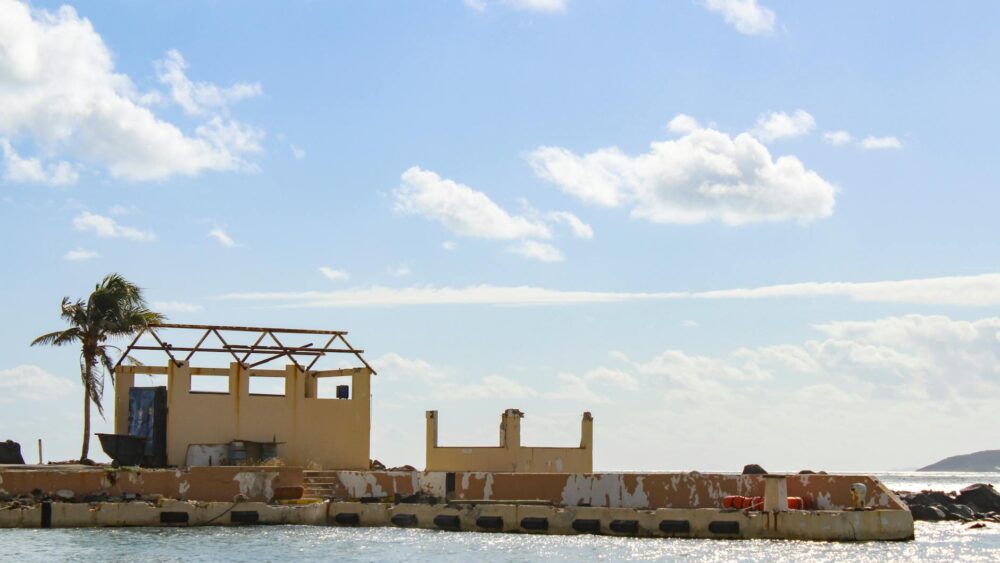
Hurricane names follow a surprisingly human logic: they are real given names, drawn from rotating lists maintained by the World Meteorological Organization, cycling through the alphabet (skipping Q, U, X, Y, and Z in the Atlantic) and repeating every six years. The system started with women’s names in the 1950s, added men’s names in 1979, and has since become one of the most recognizable naming conventions in the world. A storm that causes significant damage gets its name retired, which is why you will never see another Hurricane Katrina or Harvey on an official list.
This guide covers the full landscape of hurricane names: the active Atlantic lists, retired names that made history, and what the naming patterns tell us about these names as given names in their own right. Whether you are here for the meteorology or the baby name angle, there is a lot to unpack.
How the Atlantic Hurricane Naming System Works
The Atlantic basin uses six rotating lists of 21 names each, working through the alphabet from A to W (skipping Q and U). When a season ends, the list goes back into rotation for use six years later, unless a storm was so destructive that its name was retired and replaced. The Eastern Pacific has its own separate lists, and other ocean basins use different systems entirely.
Names alternate male and female down the alphabet. They are drawn from English, Spanish, and French traditions, reflecting the linguistic communities most affected by Atlantic storms. The lists are set years in advance, which means forecasters already know every name that will be used through the 2030s.
The 2026 Atlantic Hurricane Season Names
The 2026 season ran through a full list and then some, requiring supplemental names. Here are the official names from that season.
Alberto
A Spanish and Italian form of Albert, meaning “noble and bright.” Alberto has been a recurring Atlantic name and a common given name across Latin America and southern Europe.
Beryl
An English gemstone name derived from the Greek beryllos, referring to the pale green precious stone. Beryl was a top-100 name in the early 20th century in English-speaking countries and made a powerful return in the 2026 season as a major hurricane.
Chris
A short form of Christopher or Christine, meaning “bearer of Christ” from the Greek. Chris is one of the most universally familiar given names in the English-speaking world.
Debby
A nickname form of Deborah, the Hebrew name meaning “bee.” Debby appeared in the 2026 season and caused significant flooding across the southeastern United States.
Ernesto
The Spanish and Italian form of Ernest, from the Germanic ernst meaning “serious” or “resolute.” Ernesto is widely used across Spain and Latin America.
Francine
A French feminine form of Francis, which traces back to the Latin Franciscus, meaning “Frenchman.” Francine has a polished, mid-century French feel.
Gordon
A Scottish surname-turned-given-name, from a place name in Berwickshire. Gordon has been a steady if understated masculine name in English-speaking countries for over a century.
Helene
The French and German form of Helen, from the Greek Helene, possibly meaning “torch” or connected to the sun. Helene struck the southeastern United States as a major hurricane in 2026, causing catastrophic damage in western North Carolina.
Isaac
A Hebrew name meaning “he will laugh,” from the biblical patriarch. Isaac has been a consistent presence on hurricane lists and is currently enjoying a broader revival as a baby name.
Joyce
An English given name derived from the medieval name Josce, itself from a Breton saint’s name. Joyce was popular in the early-to-mid 20th century and carries a warm, retro quality today.
Kirk
A Scottish and Northern English name meaning “church,” from the Old Norse kirkja. Kirk is short, punchy, and distinctly mid-century American in feel.
Leslie
A Scottish place-name surname that became a given name for both males and females. Leslie has a gentle, slightly vintage sound that works across genders.
Milton
An English place-name surname meaning “mill settlement,” which became a given name in the 19th century. Milton struck Florida as a catastrophic Category 5 hurricane in 2026.
Nadine
A French and German name, a diminutive of Nadia, which comes from the Slavic nadezhda meaning “hope.” Nadine has a sleek, continental elegance.
Oscar
A name of Old English or Old Norse origin, possibly meaning “god spear” or “deer lover.” Oscar is widely used across English-speaking, Spanish-speaking, and Scandinavian cultures.
Patty
A diminutive of Patricia, the feminine form of Patrick, from the Latin patricius meaning “nobleman.” Patty has a breezy, mid-20th-century American friendliness to it.
Rafael
The Spanish and Portuguese form of Raphael, from the Hebrew meaning “God has healed.” Rafael is a strong, classic name across the Spanish-speaking world and increasingly popular in the United States.
Sara
A variant of Sarah, the Hebrew name meaning “princess” or “noblewoman.” Sara without the h is the preferred spelling across much of continental Europe.
Tony
A short form of Anthony, from the Roman family name Antonius. Tony is casual, familiar, and has been a common given name in its own right since the 20th century.
Valerie
A French name from the Latin Valerius, meaning “strong” or “healthy.” Valerie had a strong mid-century run in the United States and France and still feels fresh rather than dated.
William
A Germanic classic meaning “resolute protector,” from wil (will, desire) and helm (helmet, protection). William is one of the most enduring given names in the English-speaking world.
The 2026 Atlantic Hurricane Season Names
The 2026 list is a continuation of the six-year rotation. These names were set in advance by the World Meteorological Organization.
Andrea
From the Greek andreios meaning “manly” or “brave,” though Andrea is used predominantly as a feminine name in English and many European languages. It has a clean, pan-European appeal.
Barry
An Irish and English given name, possibly derived from the Irish Barra, a short form of Fionnbarra or related to bearach meaning “spear.” Barry was very popular in mid-century America and Australia.
Chantal
A French name derived from a place name in Haute-Savoie, associated with Saint Jane Frances de Chantal. Chantal has a distinctly French sound and was widely used in francophone communities in the late 20th century.
Dorian
Derived from the ancient Greek Dorians, a Hellenic people, or possibly from the Greek place name Doris. Dorian carries a literary, slightly Gothic elegance and was the name of the devastating 2019 hurricane that struck the Bahamas.
Erin
A poetic Irish name for Ireland itself, from the Old Irish Eriu. Erin became popular as a given name in the late 20th century, especially in the United States.
Fernand
The French form of Ferdinand, from the Germanic elements meaning “journey” and “brave” or “ready.” Fernand is distinctly French in character and less common as a given name today than its Spanish equivalent.
Gabrielle
The French feminine form of Gabriel, from the Hebrew meaning “God is my strength.” Gabrielle is a classic that feels both formal and warm.
Humberto
The Spanish and Portuguese form of Humbert, from the Germanic hun (warrior) and beraht (bright). Humberto is a well-established given name across Latin America and the Iberian Peninsula.
Imelda
A Germanic name possibly meaning “powerful battle,” composed of elements related to strength and combat. Imelda is used in Spanish-speaking countries and in the Philippines, and was the name of a deadly 2019 tropical storm in Texas.
Jerry
A diminutive of Gerald or Jeremy, both of Germanic or Hebrew origin. Jerry is a relaxed, mid-century American name that has been on hurricane lists for decades.
Karen
The Scandinavian form of Katherine, ultimately from the Greek Aikaterine, meaning uncertain but possibly “pure.” Karen was a top-10 name in the United States in the 1960s.
Lorenzo
The Italian and Spanish form of Lawrence, from the Latin Laurentius, meaning “from Laurentum” or associated with laurel. Lorenzo is a confident, melodic name widely used across southern Europe and Latin America.
Melissa
From the Greek word for “bee.” Melissa was a major name of the 1970s and 1980s in the United States and Western Europe and still carries a warm familiarity.
Nestor
A Greek name borne by the wise king of Pylos in the Iliad, possibly meaning “homecoming” or related to the verb “to return.” Nestor is used in Spanish-speaking countries and in Greece.
Olga
The Russian and Scandinavian form of Helga, from the Old Norse heilagr meaning “holy” or “blessed.” Olga is a strong, historically significant name across Eastern Europe and Russia.
Pablo
The Spanish form of Paul, from the Latin Paulus meaning “small.” Pablo is one of the most recognizable Spanish masculine names globally.
Rebekah
A Hebrew name, possibly meaning “to bind” or “to tie,” borne by a matriarch in the Book of Genesis. Rebekah is the original biblical spelling, with Rebecca being the more common modern form.
Sebastien
The French form of Sebastian, from the Latin Sebastianus, meaning “from Sebaste,” a city in Asia Minor. Sebastien is widely used in French-speaking countries.
Tanya
A Russian diminutive of Tatiana, a name of uncertain origin possibly connected to the Sabine king Tatius. Tanya became a popular given name in English-speaking countries from the mid-20th century onward.
Van
A short given name used in Dutch, Vietnamese, and English contexts, with different origins in each. In American usage it functions as a standalone given name, as in Van Morrison or Van Heflin.
Wendy
An English name famously associated with J.M. Barrie’s Peter Pan, though it existed in small numbers before that. Wendy had a strong mid-century run and is now in a quiet, retro phase.
The 2026 Atlantic Hurricane Season Names
The 2026 list picks up where the six-year rotation continues. These names are already assigned and waiting.
Arthur
A Celtic name of uncertain origin, possibly connected to the Welsh arth meaning “bear” or a Roman family name. Arthur has been having a major revival in the United States, United Kingdom, and France.
Bertha
A Germanic name meaning “bright” or “famous,” from the element beraht. Bertha is a classic that feels overdue for rediscovery, even if it carries some vintage weight.
Cristobal
The Spanish form of Christopher, from the Greek meaning “bearing Christ.” Cristobal is used throughout Latin America and Spain.
Dolly
A diminutive of Dorothy, from the Greek Dorothea meaning “gift of God.” Dolly is cheerful and familiar, indelibly linked to Dolly Parton in American culture.
Edouard
The French form of Edward, from the Old English elements meaning “wealth” and “guard.” Edouard is the standard French spelling and is widely used in France and French-speaking Africa.
Fay
An English name meaning “fairy” or “faith,” used as both a given name and a middle name. Fay is short, sweet, and quietly stylish.
Gonzalo
A Spanish given name from the medieval Latin Gundisalvus, from Germanic elements meaning “battle” and “salvation.” Gonzalo is a strong traditional name in Spain and Latin America.
Hanna
A variant spelling of Hannah, the Hebrew name meaning “grace” or “favor.” Hanna is the preferred spelling in several European countries, including Germany and Scandinavia.
Isaias
The Latin and Spanish form of Isaiah, the Hebrew prophet’s name meaning “salvation of the Lord.” Isaias is used in Spanish-speaking communities and in Brazilian Portuguese.
Josephine
The French feminine form of Joseph, from the Hebrew meaning “God will add” or “God will increase.” Josephine is a grand, graceful name currently in strong revival in the United States and United Kingdom.
Kyle
A Scottish place name and surname turned given name, from the Gaelic caol meaning “narrow” or “strait.” Kyle was a top-20 name in the United States in the 1990s.
Leah
A Hebrew name meaning “weary” or possibly “wild cow,” borne by one of Jacob’s wives in the Bible. Leah has been a consistent top-100 name in the United States for decades.
Marco
The Italian and Spanish form of Mark, from the Latin Marcus, associated with Mars, the god of war. Marco is widely used across southern Europe and Latin America and was the name of a 2020 Atlantic storm.
Nana
A given name used in West Africa, particularly in Ghana, as well as a diminutive of various names in other cultures. On the hurricane list it functions as a standalone feminine given name.
Omar
An Arabic name meaning “flourishing” or “long-lived,” also a Hebrew name meaning “eloquent.” Omar is used across the Arab world, in Muslim communities globally, and increasingly in the United States.
Paulette
A French diminutive of Paula, the feminine form of Paul, meaning “small.” Paulette has a mid-century French charm and was the name of a 2020 Atlantic hurricane.
Rene
A French name from the Latin Renatus meaning “reborn.” Rene is used for both males and females, though the accent on Rene distinguishes the masculine from the feminine Renee in French.
Sally
An English diminutive of Sarah, meaning “princess” or “noblewoman.” Sally is cheerful, retro, and friendly, the kind of name that feels both old-fashioned and endearing.
Teddy
A diminutive of Edward or Theodore, both names with deep roots in English and Greek respectively. Teddy is enjoying a strong revival as a standalone name for boys in the United Kingdom.
Vicky
A diminutive of Victoria, from the Latin victoria meaning “victory.” Vicky was popular in the mid-20th century and carries a breezy, retro warmth.
Wilfred
An Old English name meaning “desiring peace,” from wil (will, desire) and frid (peace). Wilfred is seeing a quiet revival in the United Kingdom alongside similar vintage names like Alf and Reg.
Retired Atlantic Hurricane Names: The Most Memorable Storms
When a storm causes catastrophic damage or death, the WMO retires its name permanently. These are real given names that now carry the weight of history. Some have become so associated with disaster that they are unlikely to return to popular use as baby names; others have recovered.
Katrina
A Scandinavian and Eastern European form of Katherine, meaning “pure.” Katrina struck New Orleans and the Gulf Coast in 2005 as one of the deadliest and costliest hurricanes in American history. The name dropped sharply in baby name charts after 2005 and has not recovered.
Harvey
An English name from the Breton Haerviu, meaning “battle worthy” or “blazing iron.” Harvey struck Texas in 2017 as a catastrophic flooding event. The name was already in a revival before the storm; its long-term trajectory remains to be seen.
Irma
A Germanic name from ermen meaning “whole” or “universal,” related to Irmgard and Erma. Irma devastated the Caribbean and Florida in 2017 and was retired alongside Maria from that season.
Maria
The Latin form of Mary, from the Hebrew Miriam, meaning uncertain but possibly “beloved” or “bitter.” Maria struck Puerto Rico in 2017 with catastrophic results. The name itself remains one of the most widely used feminine names in the world.
Michael
The Hebrew name meaning “who is like God,” one of the most popular masculine names in the English-speaking world for the past century. Hurricane Michael struck the Florida Panhandle in 2018 as a Category 5 storm and was subsequently retired.
Sandy
A diminutive of Sandra or Alexander, from the Greek meaning “defender of men.” Sandy struck the northeastern United States in 2012 as a massive superstorm and was retired. The name had already been fading as a baby name and is now strongly associated with the storm.
Rita
A short form of Margarita or Margaret, ultimately from the Greek margarites meaning “pearl.” Rita struck the Gulf Coast in 2005, just weeks after Katrina, and was retired. As a given name, Rita has a classic, slightly retro Italian and Spanish appeal.
Wilma
A German short form of Wilhelmina, meaning “resolute protector.” Wilma struck Mexico and Florida in 2005 as one of the most intense Atlantic hurricanes ever recorded. The name was already vintage by then and remains in quiet retirement from common use.
Ivan
The Slavic form of John, from the Hebrew meaning “God is gracious.” Ivan struck the Gulf Coast in 2004 as a powerful Category 3 storm and was retired. Ivan remains a widely used given name across Eastern Europe and the Slavic world.
Mitch
A short form of Mitchell, from the medieval English form of Michael. Hurricane Mitch devastated Central America in 1998 and is one of the deadliest Atlantic storms on record. The name was retired and replaced.
Floyd
A Welsh-origin name from llwyd meaning “grey.” Floyd caused massive flooding in North Carolina in 1999 and was retired. As a given name, Floyd carries a bluesy, mid-century American character.
Fran
A short form of Frances or Francis, from the Latin meaning “Frenchman” or “free one.” Hurricane Fran struck North Carolina in 1996 with significant damage. As a given name, Fran is understated and quietly retro.
Hugo
The Latinized form of Hugh, from the Germanic hug meaning “mind” or “spirit.” Hugo struck South Carolina and the Caribbean in 1989 as a devastating Category 4 storm. As a given name, Hugo is currently one of the hottest names in Europe and climbing fast in the United States.
Agnes
From the Greek hagnos meaning “pure” or “holy.” Agnes caused catastrophic flooding in 1972 and was among the earlier retired names. As a given name, Agnes is now in a strong revival in several European countries and among style-forward parents in the United States.
Eastern Pacific Hurricane Names
The Eastern Pacific basin has its own separate rotating lists, distinct from the Atlantic. These names follow the same alphabetical structure and are managed by the same WMO committee. Several of the names below are drawn from the active Pacific lists.
Aletta
A Dutch and Germanic feminine name, a diminutive of Adelaide or Aleida, meaning “noble kind.” Aletta appears on Eastern Pacific lists and is a genuinely underused name with a lovely sound.
Bud
An American English given name and nickname, originally a term of address meaning “brother” or “friend.” Bud functions as a standalone masculine name in mid-century American tradition.
Carlotta
The Italian feminine form of Charles, from the Germanic karl meaning “free man.” Carlotta is warm, operatic, and used across Italy and Latin America.
Daniel
A Hebrew name meaning “God is my judge,” one of the most enduringly popular names in the Western world. Daniel appears on Pacific lists as well as Atlantic ones at different points in the rotation.
Emilia
The feminine form of Emil, from the Roman family name Aemilius, meaning “rival” or possibly connected to Latin aemulus. Emilia is currently one of the fastest-rising names in the United States and Europe.
Fernanda
The Spanish and Portuguese feminine form of Fernando/Ferdinand, meaning “journey” and “brave.” Fernanda is widely used across Latin America and Spain.
Gilma
A given name used in Central America and among Spanish-speaking communities, a feminine form related to Germanic name elements. Gilma appears on the Eastern Pacific lists.
Hector
From the Greek Hektor, possibly meaning “holding fast” or “defender.” Hector is the great Trojan hero of the Iliad and a widely used name in Spanish-speaking countries and Scotland.
Ileana
A Romanian and Spanish form of Helen, meaning “torch” or related to the sun. Ileana is used across Eastern Europe, Spain, and Latin America.
John
The English form of the Hebrew Yohanan, meaning “God is gracious.” John is arguably the single most common given name in the Western world across the past millennium.
Kristy
A variant of Christie or Christy, a diminutive of Christine, meaning “follower of Christ.” Kristy appears on Eastern Pacific lists and was a popular given name in the 1970s and 1980s United States.
Lane
An English surname and given name meaning “path” or “roadway.” Lane works as both masculine and feminine and has a clean, modern minimalism.
Miriam
One of the oldest forms of the name Mary, from the Hebrew, with uncertain meaning possibly including “beloved” or “sea of bitterness.” Miriam is a beautiful, serious name currently in revival.
Norman
An Old French and Germanic name meaning “Northman,” referring to the Norse settlers of Normandy. Norman was popular in mid-century America and has a pleasantly old-fashioned quality now.
Olivia
From the Latin oliva meaning “olive tree,” popularized in English by Shakespeare. Olivia has been among the top names for girls in the United States and United Kingdom for over a decade.
Rosa
The Latin and Spanish form of Rose, from the flower name, ultimately from the Latin rosa. Rosa is classic, cross-cultural, and quietly beautiful.
Sergio
The Spanish and Italian form of Sergius, from the Roman family name of uncertain origin, possibly Etruscan. Sergio is a strong, confident name across Latin America and southern Europe.
Tara
An Irish place name and given name, from the Hill of Tara, the ancient seat of Irish high kings. Tara became popular as a given name in the mid-to-late 20th century, particularly in English-speaking countries.
Vicente
The Spanish form of Vincent, from the Latin Vincentius meaning “conquering.” Vicente is a traditional given name throughout Spain and Latin America.
Willa
A short form of Wilhelmina or Willa in its own right, from the Germanic meaning “resolute protection.” Willa is currently rising fast as a given name in the United States, with a literary, vintage-modern feel.
Names That Have Appeared Multiple Times on Hurricane Lists
Because the lists rotate every six years, many names appear repeatedly across Atlantic history. These names have a kind of endurance in the hurricane record, showing up across multiple decades.
Florence
From the Latin Florentia, meaning “flourishing” or “prosperous.” Florence has appeared on Atlantic lists multiple times and is currently one of the most fashionable revival names in the United States and United Kingdom.
How to Think About Hurricane Names as Given Names
If you love a name that has appeared on a hurricane list, the question worth asking is: how did the storm do? A catastrophic retired name like Katrina carries real cultural baggage right now, while a forgettable storm that nobody remembers has essentially no effect on the name’s appeal. Most hurricane names are simply ordinary given names that happened to be on a list.
The retired names are the ones to think hardest about. Maria, Michael, Harvey, and Katrina are all strong names with deep roots, but each carries an immediate association for people who lived through those storms. In another generation, that may fade. Agnes is a good example: it was retired in 1972, the association has largely dissolved, and the name is now in full revival mode.
The names that were never attached to a major storm are the sleepers. Names like Josephine, Arthur, Florence, Willa, and Hugo appear on lists but are remembered first as beautiful given names, not as disasters. Hugo in particular is on a meteoric rise in Europe entirely on its own merits, the storm association essentially invisible to a new generation of parents.
If you are drawn to a name that is currently active on a list, that is not a reason to avoid it. Emilia, Leah, Rafael, and Lorenzo are all on current lists and all thriving as baby names simultaneously. The naming system runs parallel to popular culture, not against it.
The real takeaway is that hurricane naming lists are, in a sense, a curated collection of real, cross-cultural given names spanning English, Spanish, French, and Slavic traditions. They make for a genuinely interesting prism through which to look at naming history, retirement, revival, and the way a single catastrophic event can reshape a name’s story for decades.