- LIFE
110 Slavic Names

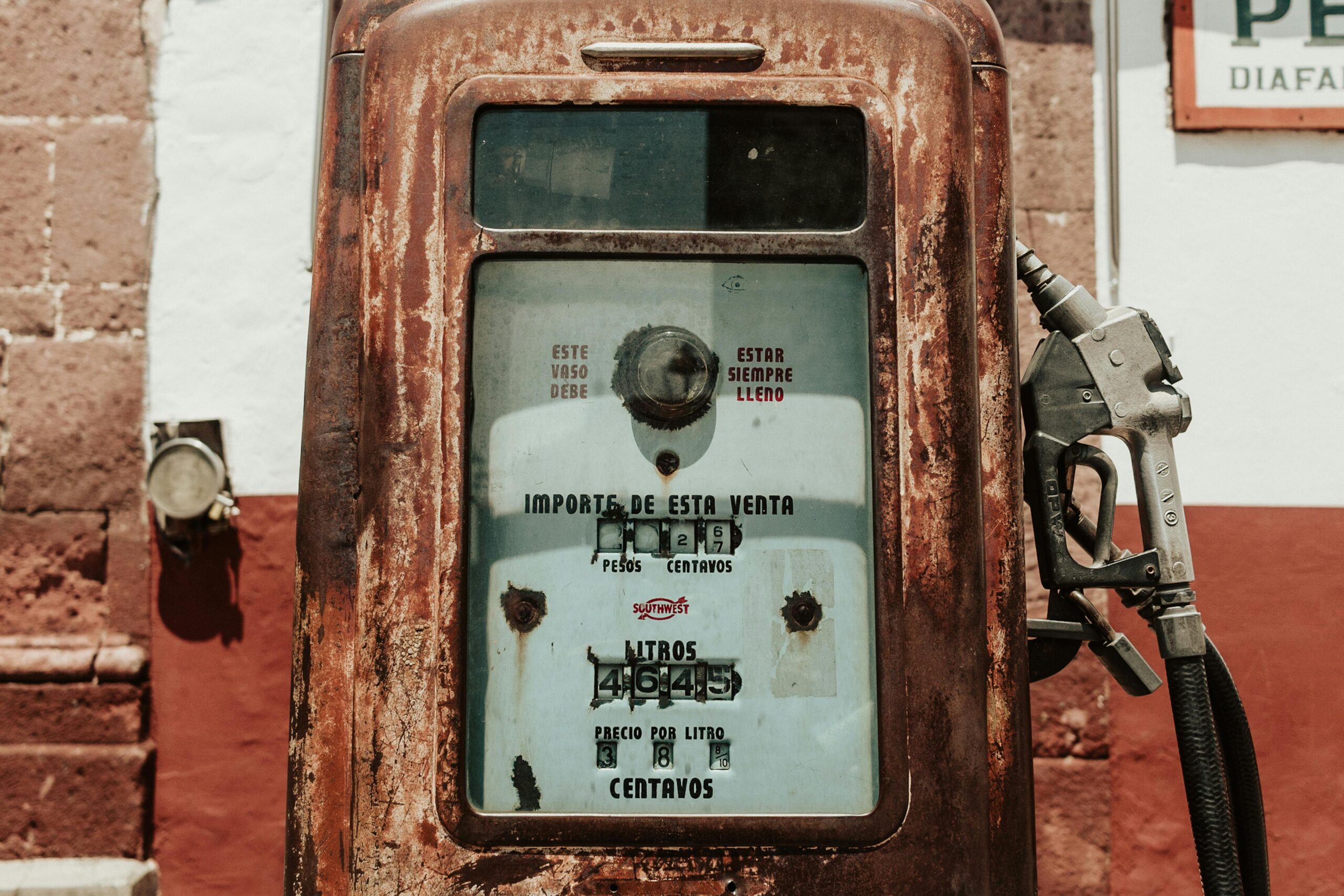
Gas stations are one of those places people barely think about until something goes wrong. Most of the time, drivers just want a quick, easy stop with fair prices, clean pumps, and no hassle. That is exactly why certain gas station brands end up with such a bad reputation. When a place feels overpriced, dirty, confusing, or inconvenient often enough, people remember it. And once that frustration gets attached to a brand name, it can stick for years. This is what makes the conversation around the most hated gas station in America so interesting. It is not really just about fuel. It is about trust, convenience, and the kind of everyday experience people do not forget.
Gas stations are part of everyday life, so small frustrations build up quickly. If a place feels overpriced, dirty, crowded, or awkward every time, people remember it and start avoiding it.
Expectations are not high. Drivers mainly want fair prices, clean pumps, working equipment, and a safe, easy stop. When a station fails at those basics, the bad impression sticks.
BP often comes up because people connect the local station with the bigger company name. Once a brand gets a negative public image, that reputation can last for years.
That does not mean every BP location is bad. Like most chains, quality depends on the location. But if enough drivers associate the name with poor experiences or low trust, the label sticks.
Most people do not hate a gas station for one big reason. It usually comes from repeated everyday frustrations that make the whole stop feel unpleasant.
Drivers notice when a station costs more than nearby options. They get even more annoyed when the advertised price depends on cash, rewards, or store-specific terms that are not obvious at first glance.
Sticky handles, overflowing trash, stained concrete, and broken cleaning stations make a place feel neglected right away. If the outside looks careless, people assume the rest will too.
Dirty or poorly stocked restrooms ruin a station’s reputation fast, especially for travelers and families. People see it as a sign that the business is ignoring the basics customers care about.
Hard entrances, cramped lots, blocked pumps, and confusing traffic patterns make a quick stop feel stressful. Even if the fuel is fine, drivers may still avoid the place next time.
Slow pumps, broken card readers, faulty receipt printers, and out-of-order air machines make a rushed stop feel worse. People want gas stations to work without surprises.
Poor lighting, dark corners, loitering, and neglected areas can make a station feel unsafe. Even without an actual incident, that discomfort is enough to drive people away.
Gas stations often show up in mildly stressful moments, like running late, driving tired, or trying to make good time. That makes convenience matter more than usual.
If a stop goes smoothly, people forget it. If it is irritating, they remember it immediately. That is why opinions about gas stations can feel stronger than expected.
The idea of a “most hated” gas station keeps getting attention because almost everyone has had a frustrating stop somewhere. It turns an everyday errand into something people have strong opinions about.
That is why the topic keeps circulating. People compare stories, talk about which chains they avoid, and remember the brands that repeatedly disappoint them.
Calling one chain the most hated may sound dramatic, but the reasoning is easy to understand. Drivers care about trust, fairness, cleanliness, safety, and convenience.
BP may be the name that comes up most often, but the larger point is simple. People want gas stations to get the basics right. When they do not, the brand takes the hit.