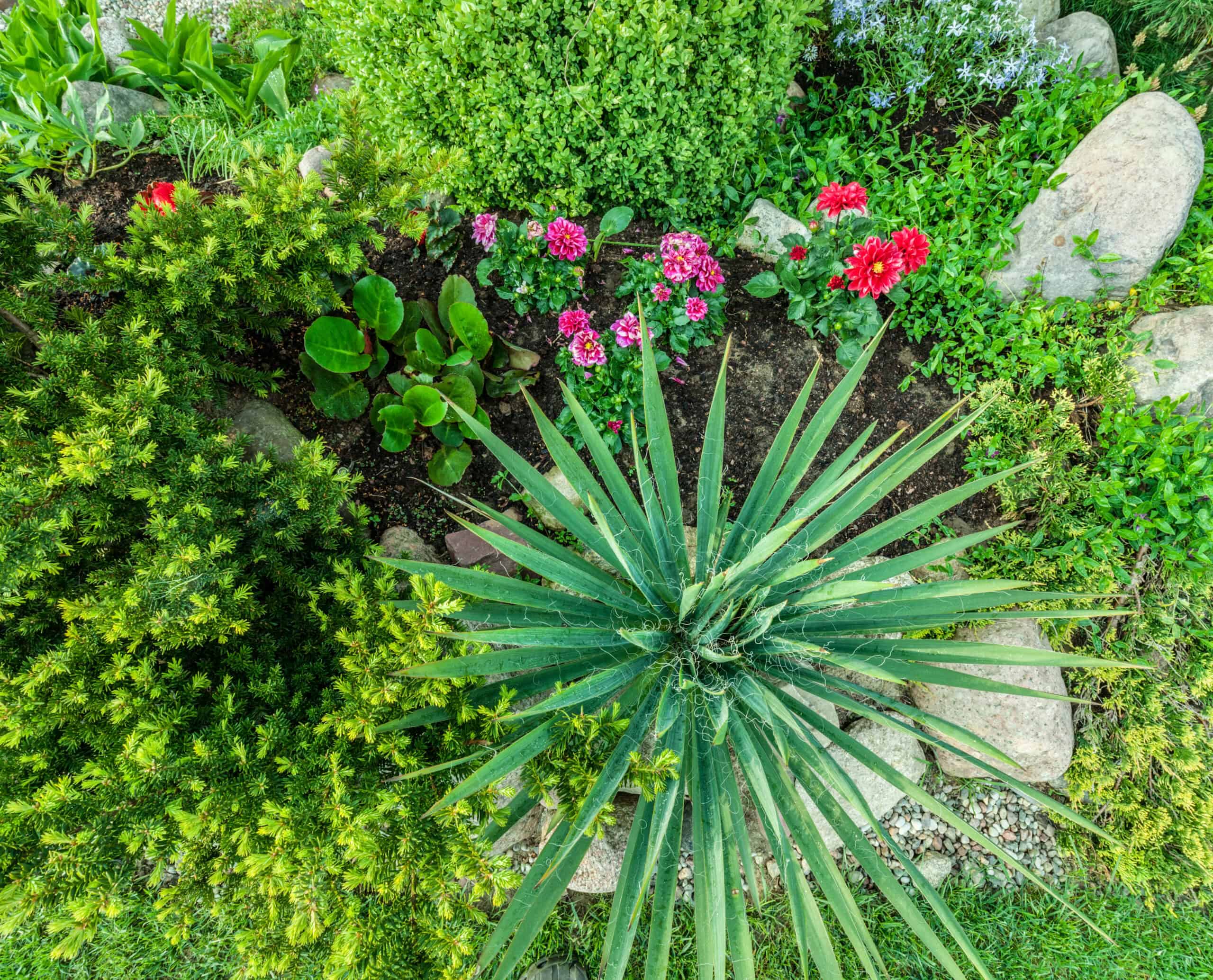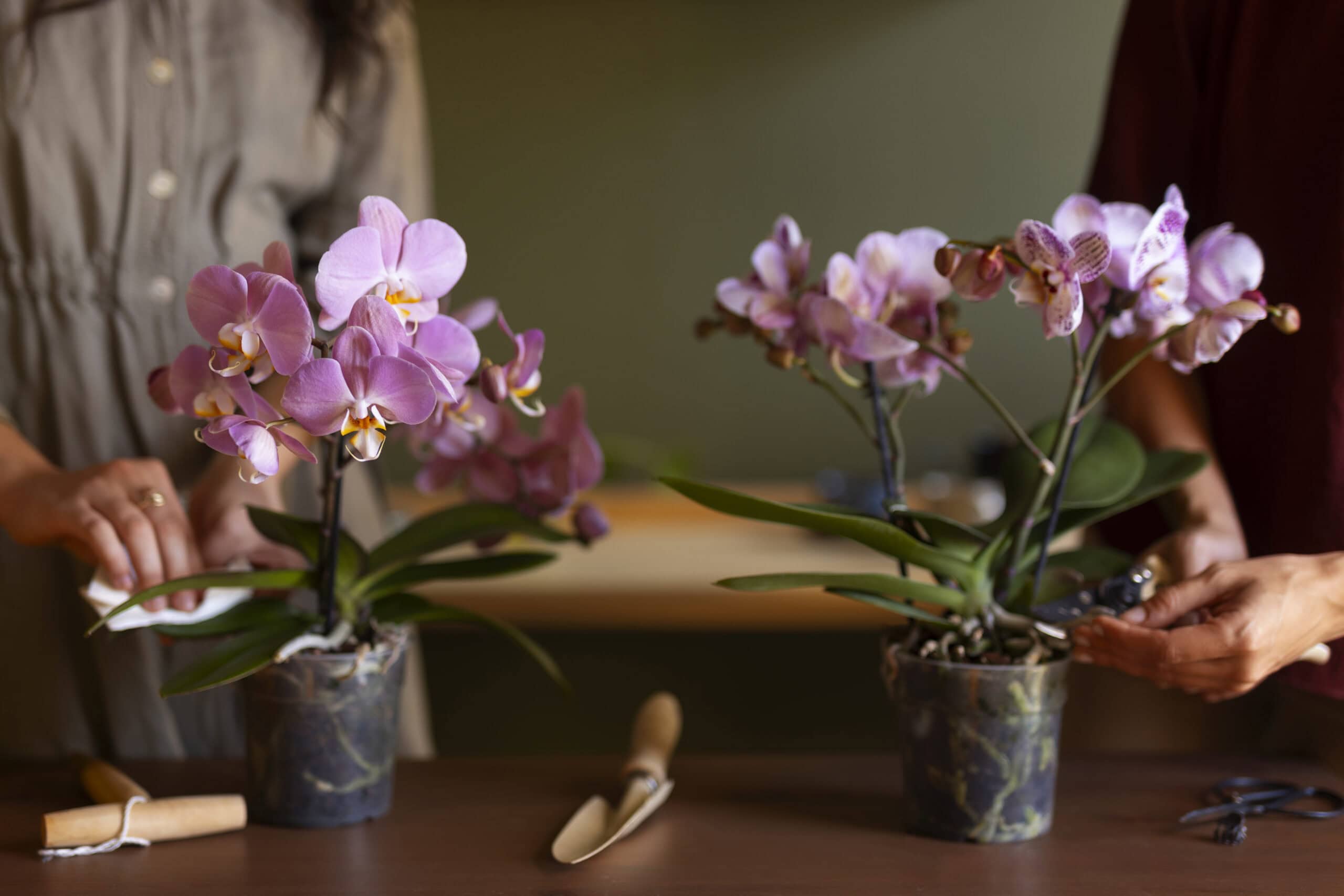

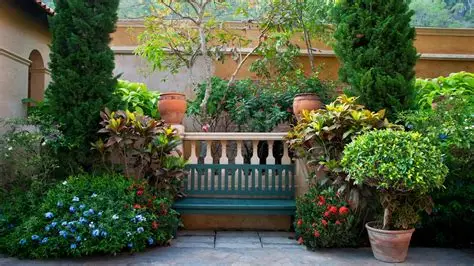
For many home gardeners, the dream of a vibrant flower garden often clashes with the reality of time constraints and upkeep. Fortunately, low maintenance perennial flowers offer the perfect solution. These hardy plants return year after year, require little care once established, and reward you with colorful blooms throughout the seasons.
In this guide, you’ll learn the definition and benefits of low maintenance perennials, discover the top varieties for any garden, and find step-by-step care instructions, seasonal checklists, and troubleshooting tips to help your garden thrive with minimal effort.
What Are Low Maintenance Perennial Flowers?
Perennial flowers are plants that live for more than two years, blooming season after season. Unlike annuals that need to be replanted every year, perennials establish strong root systems and return with fresh growth each spring.
When we say low maintenance perennials, we’re referring to varieties that thrive with minimal care. They usually adapt to a wide range of soil and climate conditions, require less frequent watering, and resist common pests and diseases.
Benefits of Choosing Easy-Care Perennials
Low maintenance perennials come with multiple advantages:
- Cost-Effective: No need to replant each season, saving both money and time.
- Time-Saving: Require less frequent watering, fertilizing, and deadheading.
- Resilient: Many are drought-tolerant and pest-resistant.
- Continuous Blooms: Strategic planting ensures color across spring, summer, and fall.
For busy homeowners or novice gardeners, these flowers make gardening enjoyable rather than overwhelming.
Top 15 Low Maintenance Perennial Flowers
Here’s a curated list of some of the best options for easy, reliable color in your garden:
| Flower Name | Scientific Name | Bloom Time | Deer Resistant | Drought Resistant |
|---|---|---|---|---|
| Daylily | Hemerocallis spp. | Summer | Yes | Yes |
| Black-eyed Susan | Rudbeckia hirta | Summer to Fall | Yes | Yes |
| Peony | Paeonia spp. | Late Spring–Early Summer | Yes | No |
| Catmint | Nepeta spp. | Summer | Yes | Yes |
| Lavender | Lavandula spp. | Summer | Yes | Yes |
| Coreopsis | Coreopsis spp. | Summer | Yes | Yes |
| Sedum | Sedum spp. | Late Summer to Fall | No | Yes |
| Astilbe | Astilbe spp. | Summer | No | No |
| Hosta | Hosta spp. | Summer | No | No |
| Shasta Daisy | Leucanthemum × superbum | Summer | Yes | No |
| Russian Sage | Perovskia atriplicifolia | Summer | Yes | Yes |
| Butterfly Bush | Buddleja spp. | Summer | No | Yes |
| Blanket Flower | Gaillardia spp. | Summer to Fall | Yes | Yes |
| Yarrow | Achillea millefolium | Summer | Yes | Yes |
How to Choose the Right Perennials for Your Garden
When selecting perennials, tailor your choices to your environment:
- Climate & Hardiness Zone: Match plants to your USDA zone for better survival rates.
- Soil Type: Loamy, sandy, or clay—know your soil’s condition and choose accordingly.
- Sunlight Exposure: Full sun vs. partial shade makes a big difference in blooms.
- Water Availability: Pick drought-resistant plants if you can’t water regularly.
Step-by-Step Care Instructions for Perennials
Even low maintenance flowers need some care to thrive. Follow these simple steps:
Planting
- Pick the right site based on light and soil.
- Till and enrich soil with compost.
- Plant at crown level and water deeply.
Watering
- Water weekly until established.
- Mature plants often survive on rainfall alone.
- During drought, water as needed.
Fertilizing
- Apply balanced fertilizer in early spring.
- Avoid over-fertilizing, which reduces blooms.
Pruning
- Deadhead to encourage more flowers.
- Cut back in late fall or early spring.
Dividing
- Every 3–5 years, divide clumps to maintain vigor.
- Best done in spring or fall.
Seasonal Checklist for Year-Round Care
Spring
- Remove winter mulch.
- Fertilize and prune.
Summer
- Deadhead flowers.
- Watch for pests.
- Water during dry spells.
Fall
- Cut back after blooming.
- Mulch to protect roots.
Winter
- Leave some plants standing for wildlife.
- Check mulch levels and plan spring planting.
Troubleshooting Common Problems: Pests & Diseases
Even resilient perennials face challenges. Here’s how to fix them naturally:
- Aphids: Spray with water + mild soap.
- Slugs: Use diatomaceous earth or beer traps.
- Spider Mites: Increase humidity or apply insecticidal soap.
- Powdery Mildew: Improve air circulation, avoid overhead watering.
- Root Rot: Ensure proper drainage.
- Leaf Spot: Remove infected leaves and space plants well.
Essential Gardening Tools & Safety Tips
Must-Have Tools:
- Hand trowel
- Pruning shears
- Gloves
- Hose or watering can
- Soil tester
- Mulch fork
Safety Tips:
- Always wear gloves.
- Stay hydrated during long sessions.
- Use tools as intended to avoid injury.
Low maintenance perennial flowers allow you to enjoy a vibrant, colorful garden with minimal work. By choosing hardy varieties like daylilies, lavender, or black-eyed Susans, following simple care routines, and staying on top of seasonal tasks, you’ll create a thriving garden that blooms year after year.
With a little planning, your outdoor space can become a low-stress, high-impact oasis that adds beauty to your home and joy to your life.