
Composting at home is an effective way to reduce waste, enrich your garden, and contribute to a healthier environment. By transforming kitchen scraps and yard waste into nutrient-rich compost, you not only minimize landfill contributions but also enhance the soil quality of your garden. This guide will walk you through the essentials of home composting, including methods, materials, and maintenance tips to get you started on your sustainable journey.
Composting is the natural process of recycling organic material, such as food scraps and yard waste, into a valuable fertilizer known as compost. This process occurs through the decomposition of organic matter by microorganisms, resulting in a dark, crumbly substance rich in nutrients.
#1 Benefits of Home Composting
- Reduces landfill waste and methane emissions.
- Enriches garden soil, promoting plant health.
- Saves money on fertilizers and soil amendments.
- Encourages biodiversity in your garden ecosystem.
- Provides an opportunity for educational engagement with family and community.
#2 Choosing the Right Composting Method
There are several methods of composting, each suited to different spaces and lifestyles. Understanding these options can help you choose the best method for your home.
Backyard Compost Pile
This method involves creating a compost pile in your yard. It requires sufficient space and is ideal for those with larger gardens.
Compost Bin
A compost bin is a contained structure that helps to manage the composting process. It can be made from various materials, including wood, plastic, or metal, and is suitable for smaller spaces.
Compost Tumbler
This method involves a barrel that can be rotated to mix the compost easily. Tumblers speed up the composting process and are great for those who want a more hands-on approach.
Vermicomposting
This method uses worms to break down organic material. It’s ideal for apartments or small spaces and produces high-quality compost known as worm castings.
#3 Setting Up Your Home Compost System
Establishing a compost system is straightforward and can be adapted to your available space and lifestyle. Follow these steps to set up your composting system effectively.
Choose a Location
- Select a dry, shady spot close to your kitchen for easy access.
- Ensure good drainage to prevent waterlogging.
Gather Your Tools and Materials
- Compost bin or tumbler (if applicable).
- Garden fork or shovel for turning the compost.
- Moisture meter or thermometer (optional but helpful).
- Brown materials (carbon-rich): dried leaves, straw, cardboard.
- Green materials (nitrogen-rich): fruit scraps, vegetable peels, grass clippings.
Layering Your Compost
Start by layering your compost materials. A good rule of thumb is to maintain a balance of roughly three parts brown materials to one part green materials. This ratio helps create optimal conditions for decomposition.
#4 What You Can and Cannot Compost
Understanding what materials are suitable for composting is crucial for a successful compost pile.
Compostable Materials
- Fruit and vegetable scraps
- Coffee grounds and filters
- Eggshells
- Grass clippings
- Dried leaves
- Shredded paper and cardboard
- Plant trimmings
- Wood chips or sawdust (from untreated wood)
Non-Compostable Materials
- Meat, dairy, and oily foods
- Pet waste
- Diseased plants
- Weeds that have gone to seed
- Coal ash
- Processed foods
- Non-biodegradable materials (plastic, metal)
- Glossy or coated paper products
#5 Step-by-Step: How to Start Composting at Home
Starting your composting journey involves a few simple steps that will set you up for success.
1. Build Your Compost Pile
Begin by adding a layer of coarse materials like twigs or straw at the bottom of your compost bin for aeration. Alternate layers of green and brown materials, ensuring they are chopped or shredded for faster decomposition.
2. Monitor Moisture Levels
Your compost pile should be moist but not soggy. If it feels too dry, add water; if it’s too wet, add more brown materials to absorb excess moisture.
3. Turn Your Compost Regularly
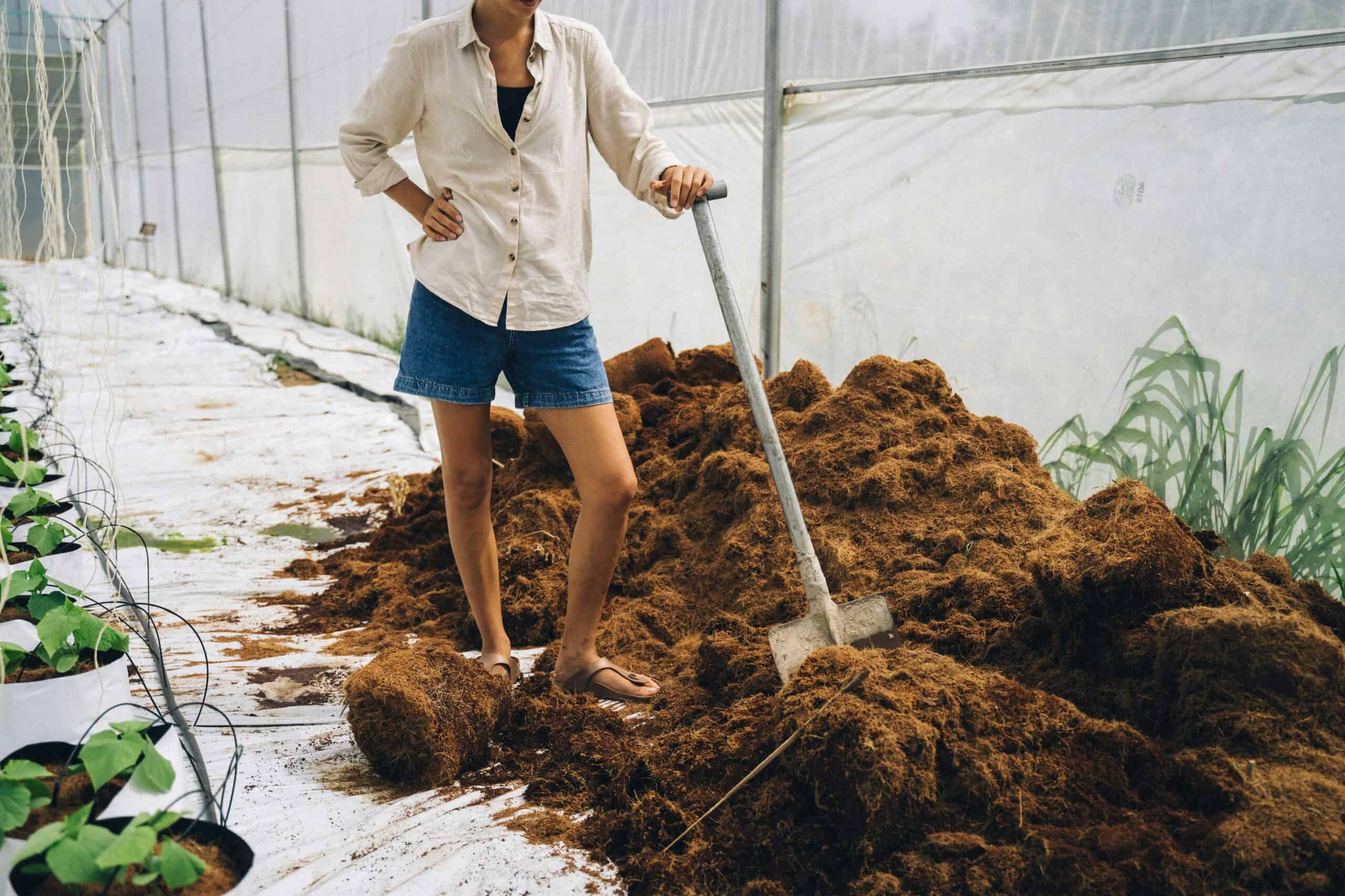
Every few weeks, use a garden fork or shovel to turn your compost. This aerates the pile and speeds up the decomposition process.
4. Check Temperature
A well-maintained compost pile will heat up to between 130°F and 160°F, indicating active decomposition. If it cools down, turn it more frequently or add more green materials.
#6 Maintaining Your Compost Pile
Proper maintenance is essential for effective composting. Here’s a simple checklist to help you keep your compost pile healthy.
- Turn the pile every 2-4 weeks to aerate.
- Monitor moisture; adjust as needed.
- Maintain a balanced ratio of green to brown materials.
- Watch for unpleasant odors, which may indicate an imbalance.
#7 Troubleshooting Common Composting Problems
Even experienced composters encounter challenges. Here are some common issues and their solutions.
- Odor Issues: If your compost smells bad, it may be too wet or contain too many green materials. Add brown materials and turn the pile.
- Slow Decomposition: If your compost isn’t breaking down, ensure proper aeration and moisture levels. Consider adding more green materials.
- Presence of Pests: If pests are attracted to your compost, avoid adding meat or dairy. Cover the pile to deter them.
- Too Much Heat: If your compost pile gets too hot, turn it more frequently to cool it down and prevent killing beneficial microorganisms.
#8 Using Finished Compost in Your Garden
Once your compost has turned into a dark, crumbly substance with an earthy smell, it’s ready to use. Here are some ways to incorporate it into your garden.
As a Soil Amendment
Mix finished compost into your garden beds to improve soil structure and nutrient content.
As Mulch
Spread a layer of compost around plants to retain moisture and suppress weeds.
In Potting Mixes
Combine compost with potting soil for potted plants to enhance their growth.
#9 Composting Tips for Small Spaces and Apartments
Even if you live in a small space or apartment, you can still enjoy the benefits of composting. Here are some practical tips.
Use a Worm Bin
Vermicomposting is an excellent option for small spaces. A worm bin can fit under the kitchen sink or on a balcony.
Choose a Small Compost Bin
Look for compact compost bins designed for small spaces, which can be kept indoors or on a balcony.
Compost with Neighbors
Consider sharing a composting system with neighbors to maximize space and resources.
Regularly Empty Your Bin
In smaller systems, compost can accumulate quickly. Regularly empty your bin to ensure it doesn’t become overwhelming.