

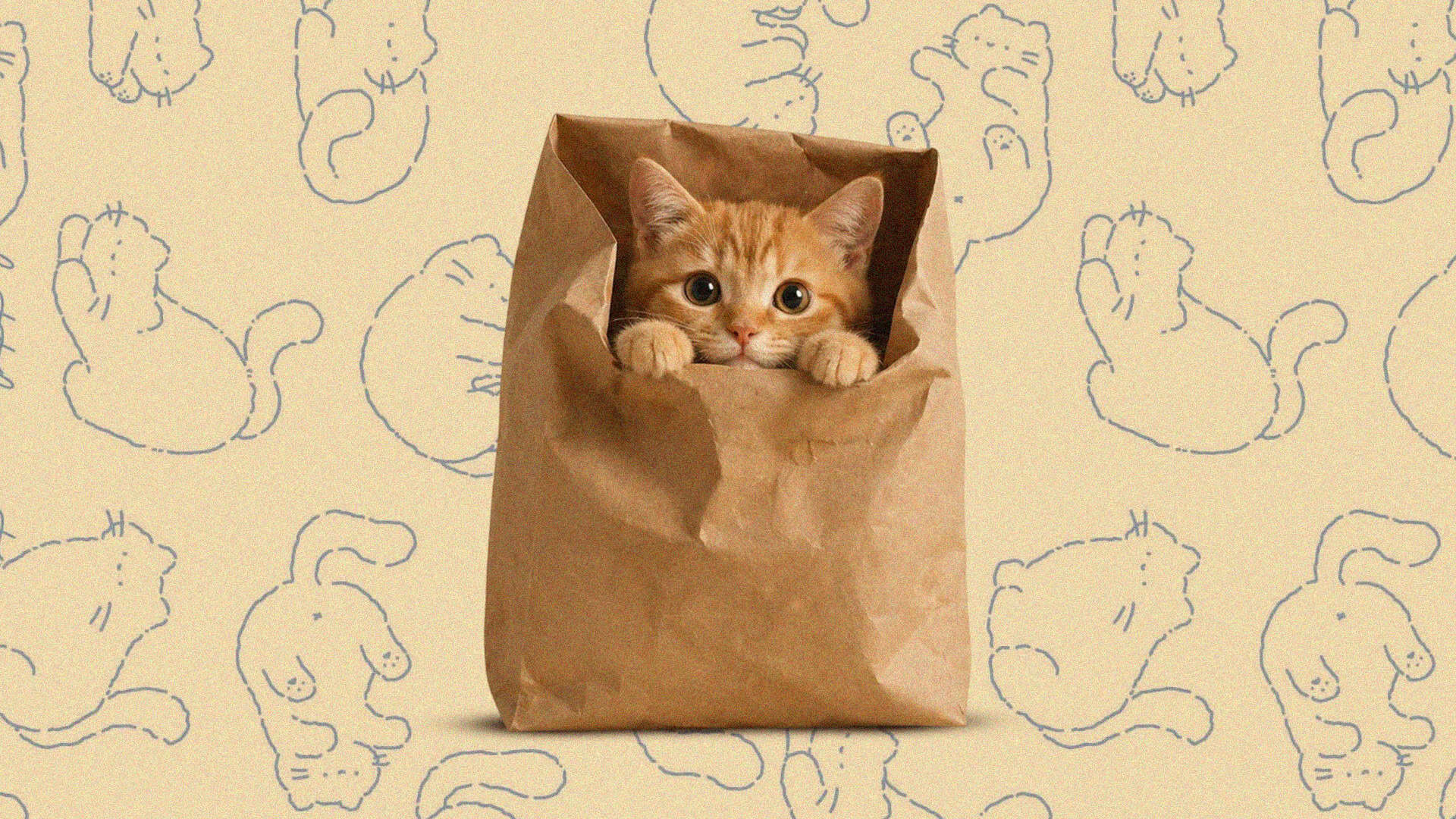
You plan a surprise party, hide the decorations, swear everyone to secrecy, and then one person says, “So what time should I arrive for your party?” That is it. The secret has escaped. The cat is officially out of the bag.
“Let the cat out of the bag” means to reveal a secret, usually by accident or before the right time. It is one of those old English idioms that still feels useful because people are always spoiling surprises, leaking news, blurting things out in group chats, and saying one sentence too many at dinner.
What Does “Let the Cat Out of the Bag” Mean?
“Let the cat out of the bag” means to reveal a secret or disclose hidden information.
Most of the time, it is used when someone accidentally gives away something that was supposed to stay private.
Examples:
- “He let the cat out of the bag about the surprise trip.”
- “Please don’t let the cat out of the bag before Friday.”
- “My sister let the cat out of the bag in the family group chat.”
- “We were going to announce it ourselves, but Dad let the cat out of the bag.”
It can also be used when someone reveals the truth on purpose, but the phrase often has the feeling of a mistake, slip-up, or badly timed reveal.
Let the Cat Out of the Bag Origin
The origin of “let the cat out of the bag” is not completely settled. Like many old idioms, it has a few popular theories, and some are easier to believe than others.
The most common explanation links the phrase to old marketplace scams. A dishonest seller might claim to be selling a piglet in a bag, also called a “poke.” Instead of a piglet, the bag could contain a cat, which was worth much less. If the buyer opened the bag and the cat escaped, the trick was exposed.
So, to “let the cat out of the bag” meant to reveal the deception.
That story fits the meaning neatly. Something hidden inside a bag comes out, and the truth is exposed.
There is also another theory connected to the “cat o’ nine tails,” a whip once associated with naval punishment. According to that idea, the “cat” was kept in a bag, and letting it out meant trouble was about to be revealed or delivered. This theory is often repeated, but the marketplace story is usually the more natural fit for the modern meaning.
The honest answer is this: the exact origin is debated, but the phrase has long been understood as revealing something that was supposed to stay hidden.
The “Pig in a Poke” Connection
The marketplace theory makes more sense when you know the phrase “pig in a poke.”
A “poke” is an old word for a bag or sack. Buying a “pig in a poke” meant buying something without properly inspecting it first. The risk was obvious. You thought you were buying a valuable young pig, but you might end up with something else entirely.
If the bag was opened and a cat jumped out, the fraud was obvious.
That gives us a clear image:
- The bag hides the truth.
- The cat represents what is really inside.
- Opening the bag reveals the secret.
- Once the cat is out, the lie cannot continue.
That is why the idiom still works. A hidden truth becomes visible.
Why a Cat?
A cat makes sense in the phrase because cats are quick, restless, and not exactly famous for staying where people put them. If a cat is trapped in a bag, it will not politely wait there forever.
The image is funny too. A secret is supposed to be controlled and contained, but once it escapes, good luck getting it back.
That is the emotional logic of the phrase. Secrets are like cats. Once released, they do not always come back when called.
Is the Origin Definitely True?
No, not definitely.
A lot of idiom origins are messy because phrases often spread through speech long before anyone writes them down clearly. By the time people start explaining them, the real beginning may already be blurred.
For “let the cat out of the bag,” the marketplace scam theory is popular because it matches the meaning so well. The naval “cat o’ nine tails” theory is also mentioned in discussions of the phrase. Neither should be treated like a perfectly proven origin story.
A careful way to explain it is:
“The phrase is commonly linked to old marketplace fraud involving a cat hidden in a bag instead of a piglet, though its exact origin remains uncertain.”
That wording gives readers the story without pretending the evidence is cleaner than it is.
How Old Is “Let the Cat Out of the Bag”?
The idea behind the phrase is old, and related expressions about buying a pig in a bag go back centuries. The exact English wording became more recognizable later as the idiom settled into common use.
Today, most people do not think about medieval markets, sacks, piglets, or old punishments when they say it. They simply use it to mean someone revealed a secret too soon.
Is “Let the Cat Out of the Bag” Still Common?
Yes, the phrase is still common in everyday English.
You might hear it in:
- Family conversations
- Work chats
- Birthday planning
- TV shows
- Casual articles
- Group texts
- School settings
- Gossip between friends
- Announcements that got revealed early
It sounds natural in casual speech, but it is not the best choice for formal writing.
Casual:
- “Someone let the cat out of the bag about the new baby.”
Formal:
- “Someone revealed the news before the official announcement.”
How to Use “Let the Cat Out of the Bag” in a Sentence
The phrase is usually used with a person, group, message, clue, or mistake that reveals the secret.
Basic pattern
- Someone let the cat out of the bag.
Examples:
- “Ava let the cat out of the bag.”
- “My brother let the cat out of the bag.”
- “The email let the cat out of the bag.”
With “about”
Use “about” when naming the secret.
- “He let the cat out of the bag about the engagement.”
- “She let the cat out of the bag about the surprise party.”
- “The invitation let the cat out of the bag about the theme.”
With a warning
- “Don’t let the cat out of the bag.”
- “Please don’t let the cat out of the bag yet.”
- “Whatever you do, don’t let the cat out of the bag before Mom arrives.”
With accidental meaning
- “I accidentally let the cat out of the bag.”
- “He let the cat out of the bag without realizing.”
- “She almost let the cat out of the bag during dinner.”
50 Examples of “Let the Cat Out of the Bag”
- “Please don’t let the cat out of the bag about the surprise party.”
- “My little brother let the cat out of the bag before we even lit the candles.”
- “She let the cat out of the bag about the new job.”
- “The group chat let the cat out of the bag.”
- “I almost let the cat out of the bag when she asked about Saturday.”
- “Who let the cat out of the bag?”
- “The invitation accidentally let the cat out of the bag.”
- “Don’t let the cat out of the bag until everyone is here.”
- “He let the cat out of the bag during lunch.”
- “We were going to tell Grandma ourselves, but Dad let the cat out of the bag.”
- “The kids let the cat out of the bag about the gift.”
- “Someone let the cat out of the bag, because she already knows.”
- “I trusted him with one secret, and he let the cat out of the bag by noon.”
- “She did not mean to let the cat out of the bag.”
- “The cake in the fridge let the cat out of the bag.”
- “My cousin let the cat out of the bag in front of everyone.”
- “The announcement was planned for Friday, but someone let the cat out of the bag early.”
- “He let the cat out of the bag with one careless comment.”
- “Don’t let the cat out of the bag in the family chat.”
- “The decorations let the cat out of the bag before the guests arrived.”
- “She let the cat out of the bag because she was too excited.”
- “I nearly let the cat out of the bag, but I caught myself.”
- “The trailer let the cat out of the bag about the ending.”
- “No one was supposed to know, but Liam let the cat out of the bag.”
- “My mom let the cat out of the bag about the vacation.”
- “He let the cat out of the bag and then tried to pretend nothing happened.”
- “The school newsletter let the cat out of the bag about the event.”
- “Please keep quiet and don’t let the cat out of the bag.”
- “The birthday balloons let the cat out of the bag immediately.”
- “She almost let the cat out of the bag when she mentioned the hotel.”
- “The whole plan was secret until Ben let the cat out of the bag.”
- “I cannot believe you let the cat out of the bag so quickly.”
- “The text message let the cat out of the bag.”
- “He let the cat out of the bag before I could stop him.”
- “The surprise was ruined because someone let the cat out of the bag.”
- “She let the cat out of the bag about the baby name.”
- “We tried to keep it private, but the photo let the cat out of the bag.”
- “I thought everyone already knew, so I let the cat out of the bag.”
- “Don’t ask him. He’ll let the cat out of the bag.”
- “The calendar invite let the cat out of the bag.”
- “She smiled too much and let the cat out of the bag without saying a word.”
- “He let the cat out of the bag about the secret meeting.”
- “The hotel confirmation let the cat out of the bag.”
- “I was doing fine until I let the cat out of the bag at dinner.”
- “The kids promised not to let the cat out of the bag.”
- “The teacher let the cat out of the bag about the field trip.”
- “My aunt let the cat out of the bag before the big reveal.”
- “The gift receipt let the cat out of the bag.”
- “We were trying to keep the news quiet, but the neighbor let the cat out of the bag.”
- “Once the cat is out of the bag, there is no hiding the truth.”
A Simple Way to Remember It
“Let the cat out of the bag” means a secret has escaped.
The origin is usually linked to the idea of a hidden cat being revealed from a bag, possibly from old marketplace tricks involving buyers expecting a piglet and discovering a cat instead. The full history is debated, but the meaning today is clear and easy to use.
Use it when someone reveals a surprise, leaks a plan, gives away gossip, or says something they were supposed to keep quiet.
And if someone tells you, “Don’t let the cat out of the bag,” treat that bag like it has the world’s nosiest cat inside.