

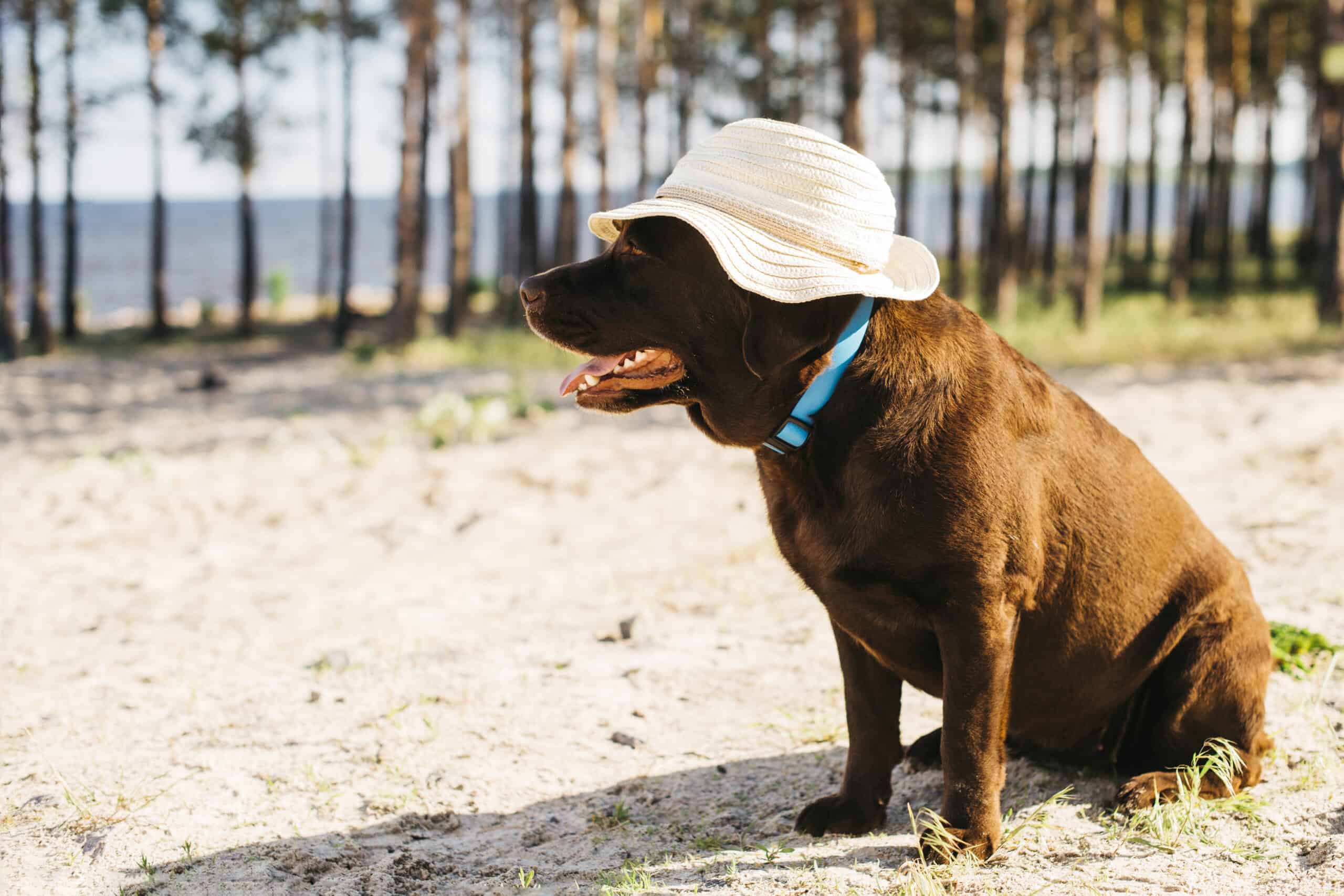
The phrase dog days of summer sounds better than it strictly needs to. You could just say “the hottest part of summer” and move on, but that misses the whole feeling of it. “Dog days” sounds slower, heavier, more worn around the edges. It sounds like heat that has settled in and unpacked its bags.
That is probably why the phrase survived. It does not just describe weather. It describes a mood.
What “dog days of summer” means
In everyday use, the dog days of summer refers to the most sweltering, sluggish stretch of the season. Not the fun early-summer version with pool optimism and fresh vacation energy. The later stretch. The sticky, overbright, slightly exhausted part.
It is the kind of heat that makes the afternoon feel longer than it should. Sidewalks glare. Fans sound dramatic. Even people who claim to “love summer” start sounding less convincing by the week.
Why it is called the “dog” days
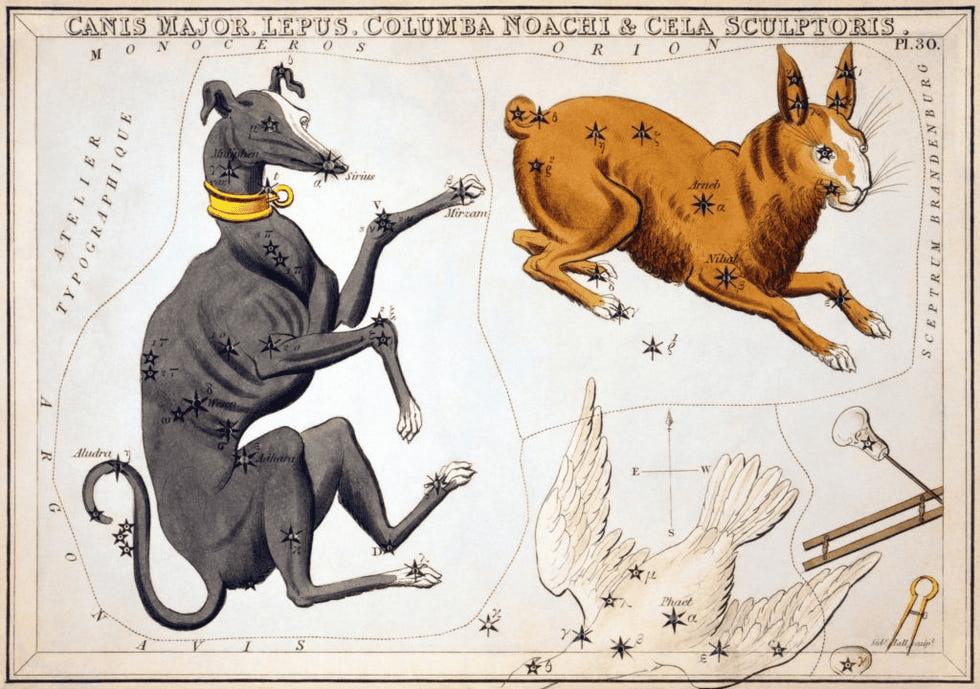
The “dog” part is older and stranger than most people expect. It is tied to Sirius, the bright star long associated with the dog constellation. Earlier traditions connected its rising with the hottest stretch of the year, and that association worked its way into the phrase.
I’ve always liked that the real origin is a little more cosmic than the obvious guess. Most people assume it has something to do with dogs panting in the heat, which would honestly make sense. But the actual background gives the phrase more history and a little more drama.
Why the phrase survived
A lot of old seasonal expressions faded because they stopped sounding useful. This one did not. Partly because it is specific, and partly because it simply sounds right. Dog days of summer has a kind of slow, drowsy rhythm that fits the season almost too well.
That matters more than people think. Some phrases survive because they are accurate. Others survive because they are memorable. This one managed both.
It describes more than temperature
This is the part I think makes the phrase stronger than most simple weather labels. The dog days of summer is not just heat. It is heat plus fatigue. Heat plus drag. Heat plus that strange seasonal feeling where time seems to move a little slower and nobody has much interest in hurrying.
That is why the phrase works even outside weather talk. People sometimes use dog days more broadly for any slow, stale, unproductive stretch. A dull patch in a season. A dragging middle period. A time when things feel stalled out and sunbaked, even if no actual sun is involved.
Why it still sounds better than simpler wording

You could replace it with late-summer heat, peak summer, or the hottest weeks of the year, and all of those would be serviceable. But they do not have the same texture. Dog days of summer feels lived in. It sounds like something people actually say on porches, in novels, in weather complaints, and in mildly dramatic texts sent around three in the afternoon.
And honestly, that is reason enough to keep it.