



- FOOD
Bruschetta Recipe Made Simple and Delicious

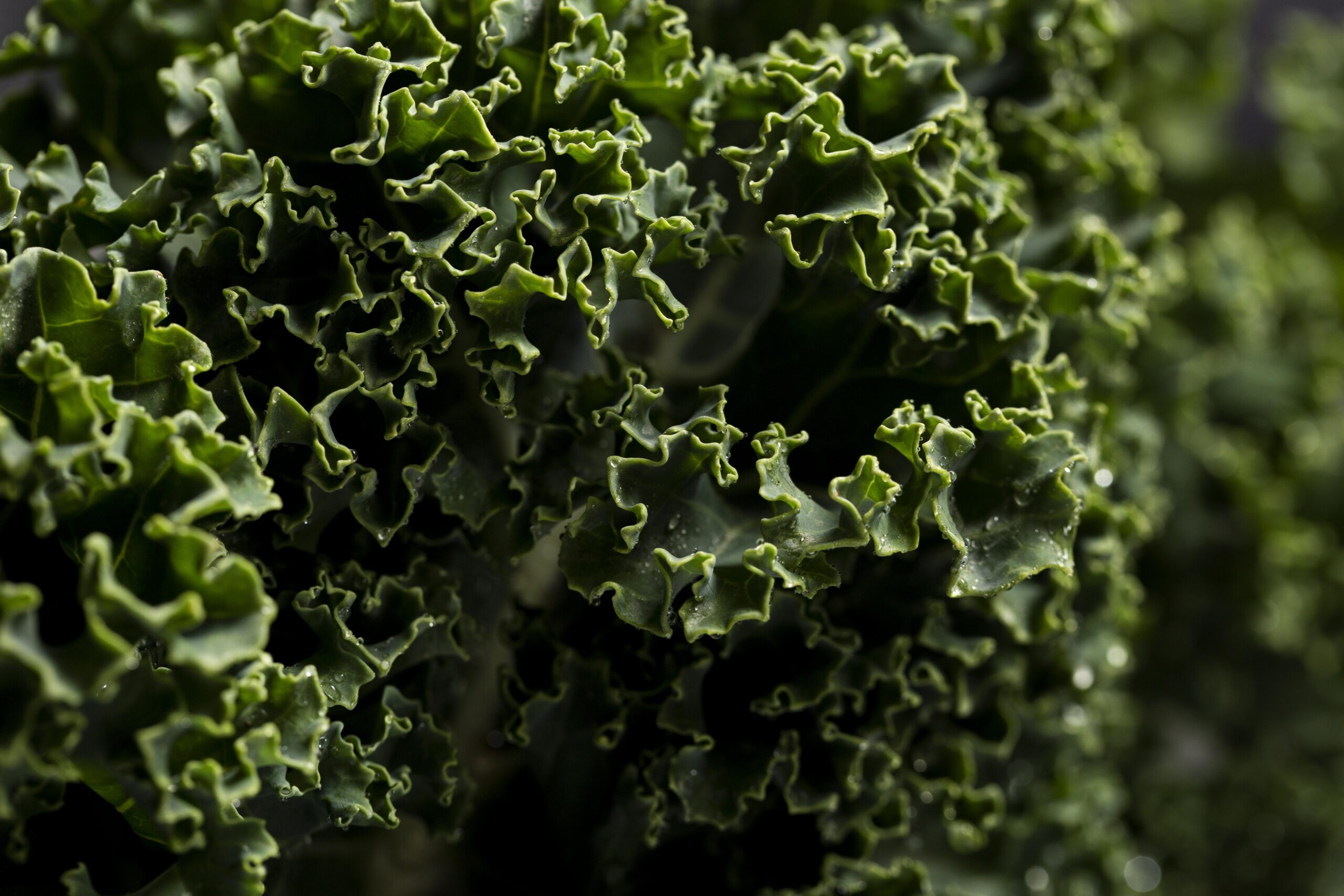
Kale is often called the “King of Greens,” and for good reason. This leafy vegetable is packed with vitamins, minerals, antioxidants, and powerful plant compounds that support your overall well-being. Whether consumed raw, sautéed, blended, or baked into chips, kale delivers impressive health benefits backed by scientific research.
Below are the top advantages of adding kale to your diet.
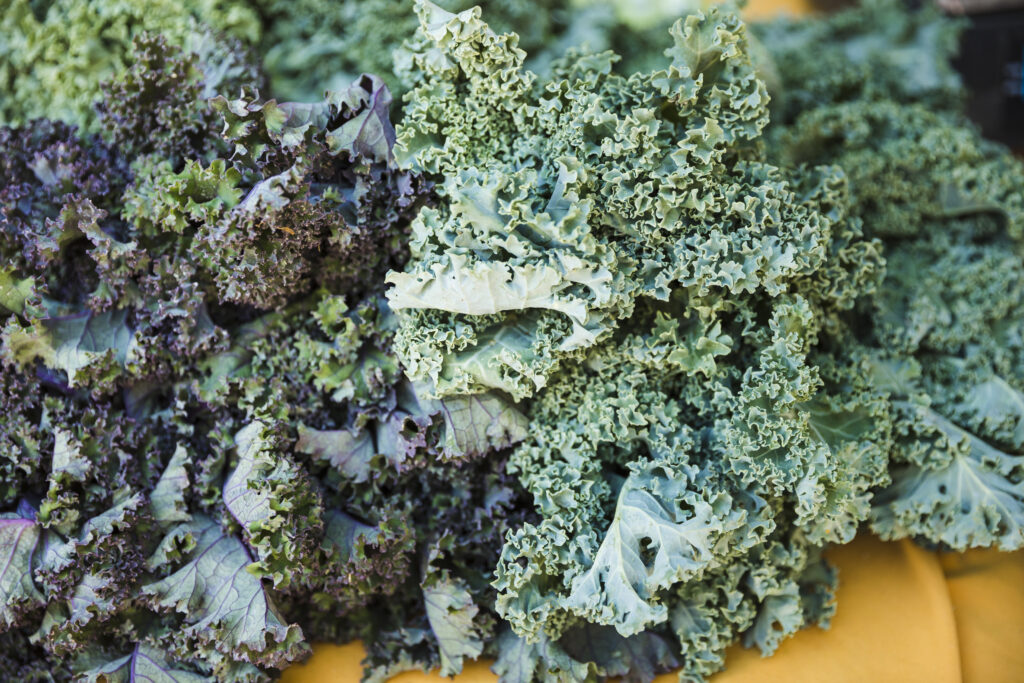
Kale provides one of the highest nutrient-to-calorie ratios among all leafy greens. A single cup contains vitamins A, C, K, B6, manganese, calcium, and potassium — all while being extremely low in calories and sugar. This means your body receives maximum nourishment without contributing to weight gain. For individuals seeking nutrient-rich foods on a calorie-conscious diet, kale is a perfect choice.
Kale is rich in antioxidants such as quercetin, kaempferol, beta-carotene, and vitamin C. These compounds help neutralize free radicals that contribute to aging, inflammation, and chronic diseases. Regular consumption of antioxidant-rich foods like kale supports cellular protection and boosts your overall resilience against oxidative stress. This makes kale a valuable vegetable for daily health maintenance.
Kale plays a significant role in supporting cardiovascular health due to its potassium, fiber, and antioxidant content. Potassium helps regulate blood pressure by balancing the effects of sodium in the body. Meanwhile, dietary fiber assists in reducing cholesterol levels by binding to excess LDL in the bloodstream. Combined with anti-inflammatory antioxidants, kale helps lower the risk of heart disease and supports long-term heart function.
Vitamin K is essential for calcium absorption and bone mineralization, and kale is one of the richest plant-based sources available. Regular intake helps strengthen bones and reduce the risk of fractures as you age. Vitamin K also supports blood clotting, preventing issues like excessive bleeding. Because many people don’t meet their daily vitamin K needs, adding kale to your meals is a simple and effective remedy.
With its impressive vitamin C content, kale acts as a natural immune booster. Vitamin C stimulates white blood cell production, enhances skin defense barriers, and supports faster recovery from infections. Additionally, phytonutrients in kale enhance the body’s natural immune response by reducing inflammation and strengthening cell integrity. This makes kale an excellent food choice during cold and flu season.
Kale contains a high amount of dietary fiber, which is essential for digestive health. Fiber improves bowel regularity, prevents constipation, and feeds good gut bacteria for a healthier microbiome. The sulfur-containing compounds in kale also support liver detoxification, which indirectly benefits the digestive system. Eating kale regularly can contribute to a smoother and more efficient digestive process.

Kale is low in calories but high in water and fiber, helping you feel full for longer periods. This reduces overall calorie intake and helps control cravings throughout the day. Because it is nutrient-dense, kale also ensures your body receives essential vitamins and minerals even while you’re losing weight. It is an ideal food for weight-loss diets, clean eating plans, and plant-based nutrition lifestyles.
Kale contains glucosinolates, natural plant compounds that have been studied for their potential cancer-fighting properties. When broken down, these compounds form substances that help neutralize harmful carcinogens and reduce inflammation. Antioxidants in kale further protect DNA from damage and support healthier cell regeneration. While not a cure, regular consumption may play a role in lowering cancer risk over time.
Kale is one of the best sources of lutein and zeaxanthin—two carotenoids known to protect the eyes. These compounds filter harmful blue light and reduce the risk of age-related macular degeneration and cataracts. Vitamin A in kale further supports night vision and overall eye function. Including kale in your diet can offer long-term protection against vision loss and age-related eye conditions.
Chronic inflammation contributes to many modern health issues, including arthritis, diabetes, and heart disease. Kale contains omega-3 fatty acids, antioxidants, and phytonutrients that naturally fight inflammation in the body. These compounds help lower inflammatory markers and soothe long-term inflammation driven by poor diet or lifestyle habits. Adding kale regularly can support overall wellness and reduce the risk of inflammatory diseases.
Kale is a powerhouse of nutrients, offering a wide array of vitamins and minerals in every bite. The nutritional facts per one cup of kale (approximately 67 grams) are as follows:
These figures highlight kale’s low calorie content while being rich in proteins and fibers, making it an excellent choice for those looking to maintain or lose weight without sacrificing nutritional intake.
Kale’s nutrient density is largely attributed to its rich content of essential vitamins and minerals. Here is a list of essential vitamins and minerals found in kale:
These nutrients are not only vital for day-to-day bodily functions but also help prevent various health conditions.
Kale is one of the most nutritious vegetables available, offering benefits that support your immune system, heart, digestion, bones, eyes, and more. Its rich nutritional profile makes it a must-have in a balanced diet. Whether you eat it raw, cooked, or blended into smoothies, adding kale to your meals is a simple step toward better long-term health.