
Hurricanes are some of the most powerful and awe-inspiring forces in nature. These massive storms can shape coastlines, rewrite weather history, and affect millions of lives in just a matter of hours. But beyond the swirling clouds and dramatic headlines, there’s a world of science, mystery, and surprising facts behind every hurricane.
In this article, we dive into 50 fascinating and lesser-known hurricane facts—from how they form to the unexpected ways they impact our world. Whether you’re a storm enthusiast, a curious learner, or someone preparing for hurricane season, these facts will deepen your understanding and appreciation of these remarkable natural events.
Hurricanes Are Powered by Warm Ocean Water
Hurricanes thrive over warm waters—typically at least 80°F (27°C). This heat provides the energy that fuels the storm, allowing it to grow in size and strength as it draws moisture from the ocean.
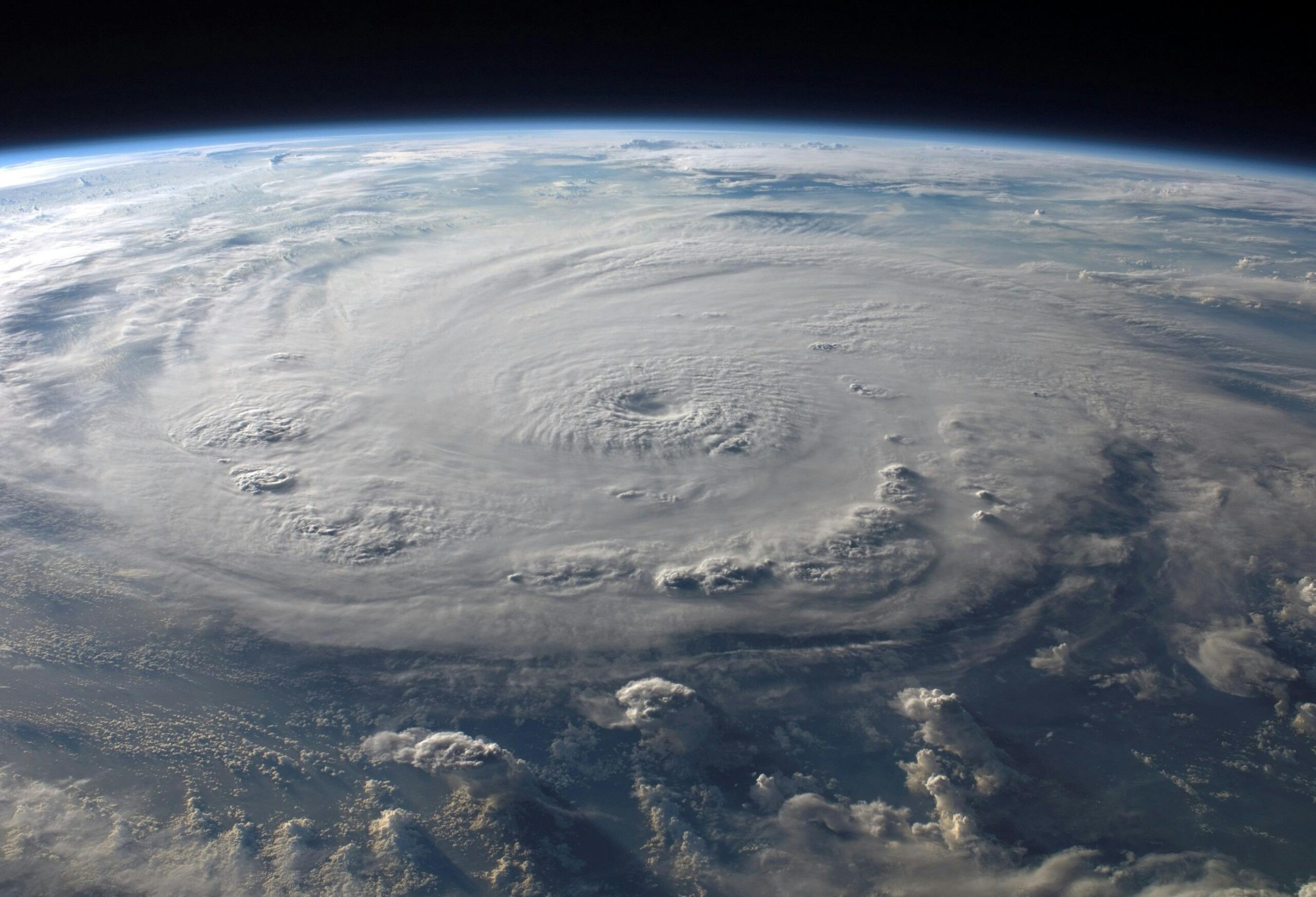
The Eye of a Hurricane Is Calm and Clear
Despite the chaos around it, the center of a hurricane—the eye—is often eerily calm, with light winds and clear skies. This deceptive calm is surrounded by the eyewall, where the storm is most intense.
Hurricanes Spin in Opposite Directions Based on Hemisphere
In the Northern Hemisphere, hurricanes rotate counterclockwise. In the Southern Hemisphere, they spin clockwise. This is due to the Coriolis effect, caused by Earth’s rotation.
They Can’t Form Directly at the Equator
Even though it’s warm near the equator, hurricanes don’t form there. That’s because the Coriolis force is too weak at the equator to get the storm rotating.
Tropical Disturbances Are the First Stage
All hurricanes begin as tropical disturbances—a cluster of thunderstorms over warm ocean waters. If conditions are favorable, these disturbances can evolve into tropical depressions, then storms, and eventually hurricanes.
Rapid Intensification Can Make a Storm Explode in Strength
Some hurricanes can intensify dramatically in just 24 hours. This phenomenon, called rapid intensification, happens when water is especially warm and wind conditions are just right.
The Atlantic Hurricane Season Has a Peak Period
Although the season runs from June 1 to November 30, most Atlantic hurricanes occur between August and October, when sea surface temperatures reach their highest point.
Hurricanes Have Different Names Around the World
They’re called hurricanes in the Atlantic and Northeast Pacific, typhoons in the Northwest Pacific, and cyclones in the South Pacific and Indian Ocean—but they’re all the same type of storm.
The Strongest Winds Are Found in the Eyewall
The most violent winds in a hurricane are located in the eyewall, the ring of thunderstorms surrounding the eye. This zone can generate extreme wind speeds and torrential rainfall.
Storm Surge Is the Deadliest Part of a Hurricane
While strong winds get the most attention, storm surge—a rise in sea level caused by the hurricane’s winds pushing water onshore—is often the most life-threatening aspect.
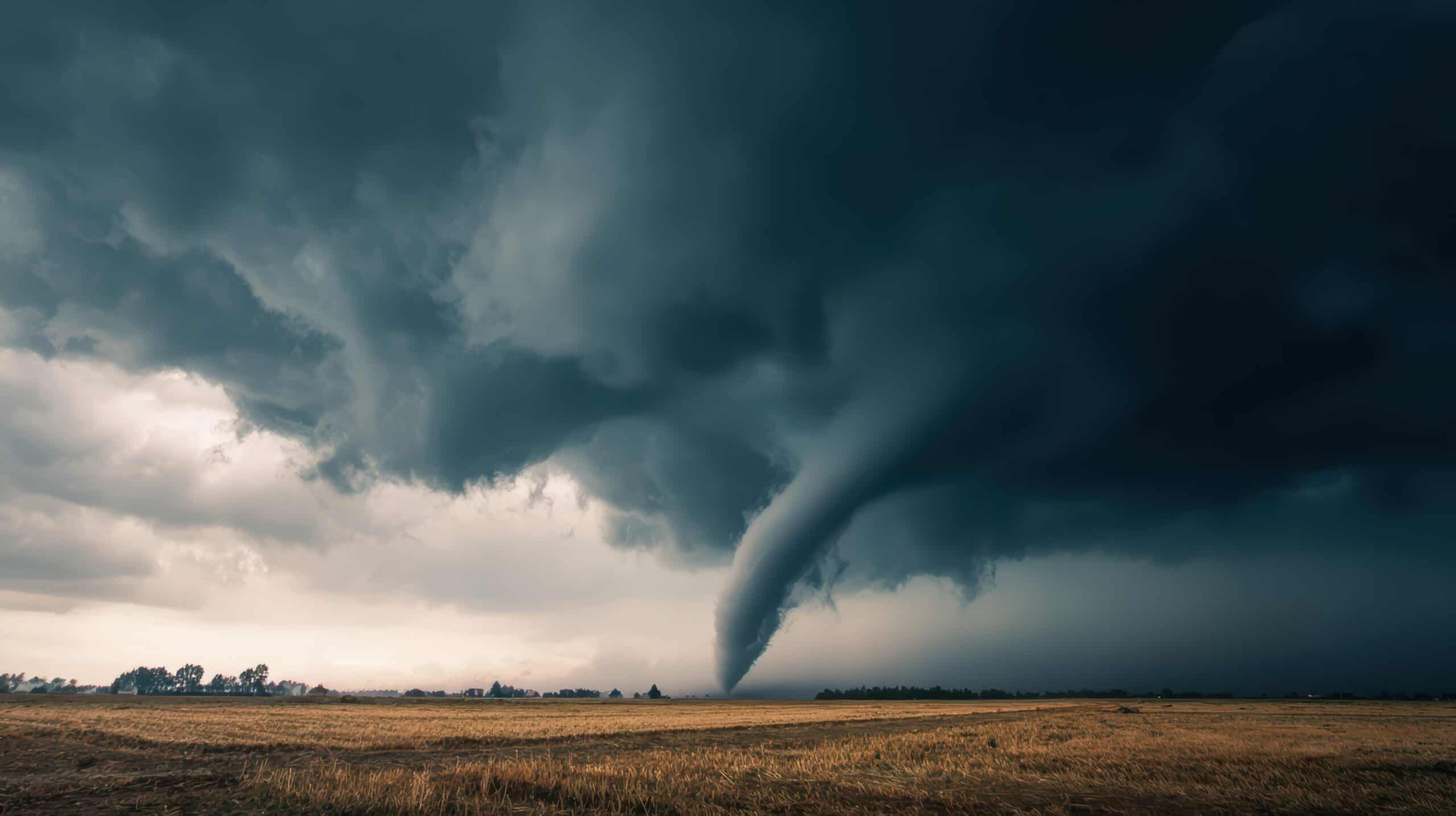
Hurricanes Can Create Tornadoes
Many hurricanes, especially in their outer bands, can spawn tornadoes. These tornadoes are usually weaker than standalone ones, but they still pose serious danger.
Not All Hurricanes Bring Heavy Rain
Some hurricanes, especially those moving quickly, may produce relatively little rain. However, slow-moving storms can unleash devastating floods.
A Hurricane’s Size Can Span Hundreds of Miles
Hurricanes can be massive—some cover more than 300 miles in diameter, affecting areas far beyond the center of the storm.
A Category 5 Hurricane Has Winds Over 157 mph
The Saffir-Simpson Hurricane Wind Scale rates hurricanes from Category 1 to Category 5. Category 5 storms are the strongest, with catastrophic wind damage likely.
The Term “Hurricane” Comes from Mythology
The word “hurricane” is derived from “Huracan,” a storm god in ancient Caribbean and Mayan mythology.
The Energy Output Is Staggering
A mature hurricane can release as much energy as 10,000 nuclear bombs over its lifetime, mostly in the form of latent heat through cloud formation.
Hurricanes Often Weaken Over Land
Once a hurricane moves over land, it begins to lose strength because it no longer has access to warm ocean water—the storm’s primary energy source.
The Eye Can Expand or Contract
A hurricane’s eye isn’t always stable. It can shrink, widen, or be replaced entirely in what’s known as an “eyewall replacement cycle.”
Storm Names Are Reused Unless Retired
Names are reused every six years unless a storm is particularly deadly or costly. In that case, the name is retired out of respect and replaced.
The Most Expensive U.S. Hurricane Was Katrina
Hurricane Katrina in 2005 caused over $125 billion in damage, making it the costliest hurricane in U.S. history at the time.
Hurricane Harvey Set a Rainfall Record
In 2017, Hurricane Harvey dropped over 60 inches of rain in parts of Texas, making it the wettest tropical cyclone in U.S. history.
Hurricane Patricia Had the Highest Winds Recorded
In 2015, Hurricane Patricia reached sustained wind speeds of 215 mph in the eastern Pacific—the strongest ever reliably recorded.
“Zombie” Hurricanes Can Come Back
A hurricane that weakens may sometimes regain strength if it drifts back over warm water. These rare reborn storms are nicknamed “zombie hurricanes.”
Hurricanes Can Travel Thousands of Miles
Some storms, like Hurricane John in 1994, can cross entire ocean basins. John traveled more than 7,000 miles across the Pacific during its 31-day lifespan.
Some Hurricanes Have Two Eyewalls
Powerful storms can develop concentric eyewalls. When the outer eyewall contracts and replaces the inner one, it can temporarily weaken and then re-strengthen the hurricane.
Hurricane Winds Can Strip Trees Bare
Strong hurricane winds don’t just knock down trees—they can completely strip the leaves from them, leaving forests brown and lifeless.
Hurricanes Can Spawn Massive Waves
Even before landfall, hurricanes generate huge ocean waves that can batter coastlines and cause coastal erosion hundreds of miles from the storm’s center.
The “Right Front” Quadrant Is Most Dangerous
The right-front quadrant of a hurricane (relative to its movement) usually delivers the highest winds, strongest storm surge, and greatest tornado threat.
Dorian Devastated the Bahamas by Stalling
Hurricane Dorian in 2019 stalled over the Bahamas for more than a day, leading to catastrophic damage and flooding. Stationary storms are particularly deadly.
The Saffir-Simpson Scale Only Measures Wind
This scale doesn’t account for storm surge, rainfall, or size—all critical factors in a hurricane’s destructiveness.
Satellites Revolutionized Hurricane Tracking
Before satellite technology, hurricanes were only detected when they were close to land or observed by ships. Now, storms can be tracked from space days in advance.
Hurricane Hunters Fly Into the Storm
Special aircraft called Hurricane Hunters fly directly into hurricanes to gather real-time data, including wind speed, air pressure, and temperature.
Dropsondes Are Key to Forecasting
These tube-shaped instruments are dropped from planes into storms to collect data as they fall, helping scientists understand storm structure.
Forecast Accuracy Has Improved Greatly
Thanks to advanced modeling and better data, hurricane forecast track accuracy has improved by over 50% in the last few decades.
Predicting Strength Is Still a Challenge
Despite track improvements, predicting how strong a storm will get remains more difficult due to complex environmental variables.
Evacuation Orders Focus on Storm Surge Risk
Many evacuation zones are determined based on potential storm surge flooding—not just wind threat.
Hurricanes Affect Weather Far from Landfall
Even inland cities can experience flooding, high winds, and tornadoes from hurricanes, especially from their outer bands.
Flooding Often Kills More Than Wind
In many hurricanes, flooding from rain and storm surge causes more fatalities than wind damage.
Clocks Sometimes “Jump Ahead” During Storms
In storm-prone areas, local authorities may adjust or suspend Daylight Saving Time changes to coordinate emergency responses.
Some Animals Sense Hurricanes Early
Studies suggest sharks, birds, and even elephants may detect changes in air pressure and instinctively seek safety before a storm hits.
Hurricanes Can Cause Power Outages for Weeks
After a major storm, restoring power to affected areas can take days or even weeks, depending on the damage to infrastructure.
Hurricanes Can Trigger Landslides
In mountainous areas, heavy rain from hurricanes can loosen soil and cause dangerous landslides and mudflows.
Coastal Geography Affects Storm Impact
Wide, shallow coastlines are more vulnerable to storm surge than deep, steep ones, making geography a critical factor in hurricane damage.
Hurricanes Stir Up Marine Life
Storms can disrupt underwater ecosystems, forcing fish and other sea creatures into unusual areas or washing them ashore.
Hurricane Sandy Merged with Another System
Sandy in 2012 wasn’t just a hurricane—it collided with a cold front and morphed into a massive “superstorm” that hit the U.S. Northeast.
Hurricane Names Didn’t Exist Until the 1950s
The U.S. began using female names for storms in the 1950s, adding male names in the 1970s to reflect equality.
Some Hurricanes Have Changed History
Storms like the 1938 New England Hurricane or 1815’s Great Havana Hurricane have altered economies, politics, and the development of entire cities.
Debris from Hurricanes Can Travel Thousands of Miles
Objects swept out to sea during hurricanes have turned up months or even years later on distant shores, carried by ocean currents.
Hurricanes Remind Us of Nature’s Power
Above all, hurricanes are powerful reminders of how fragile—and connected—our planet really is. Their destructive force is balanced by the opportunity to learn, adapt, and prepare for the storms of the future.
We hope these 50 hurricane facts have not only informed you but also sparked curiosity about the forces that drive our planet. The more we understand about hurricanes, the better prepared we are to face them—and to respect the incredible energy of nature.
Stay aware. Stay prepared. And never stop learning.