

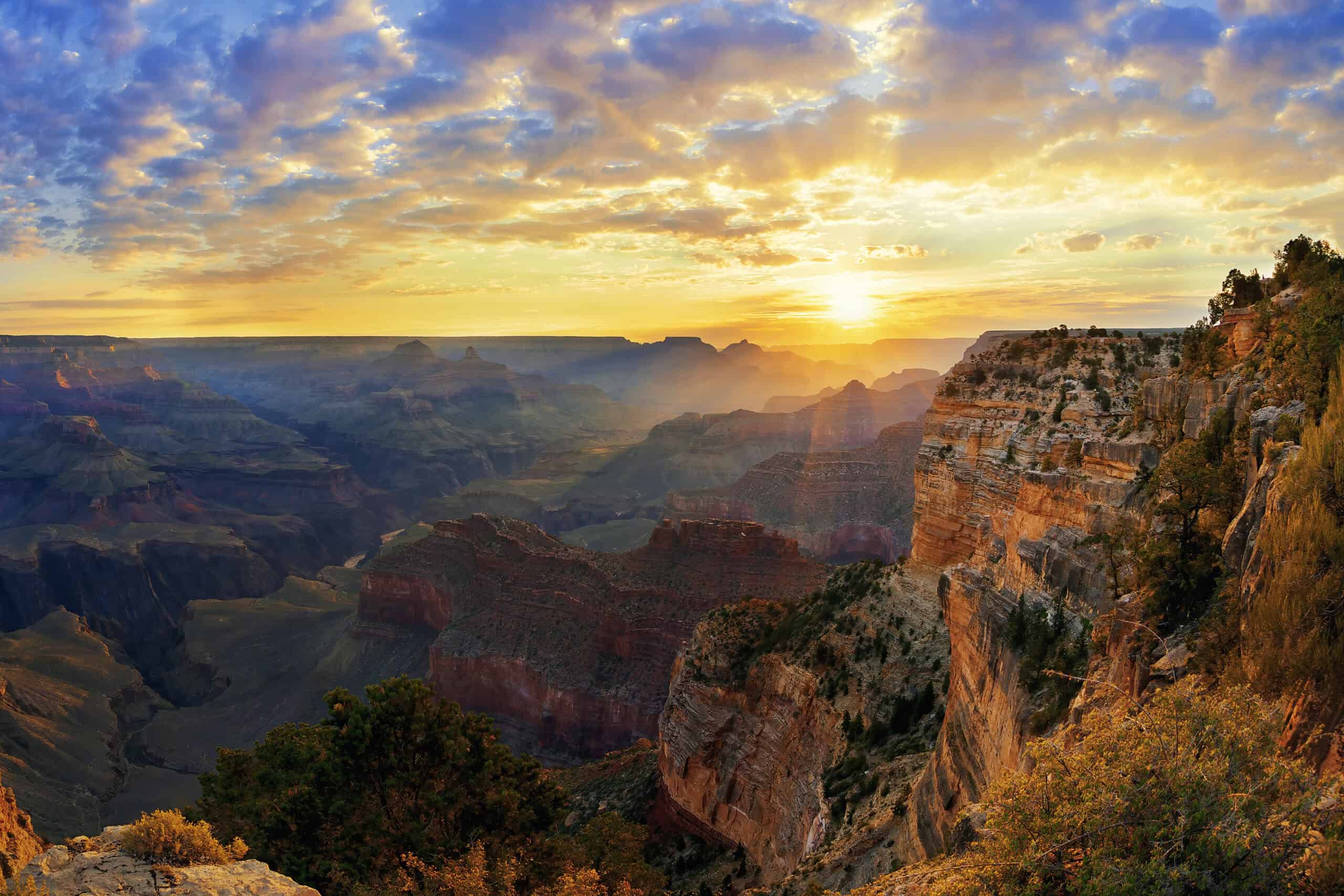
The Grand Canyon stands as one of the most awe-inspiring natural wonders in the world, attracting millions of visitors who come to experience its massive scale and incredible history. Carved by the Colorado River over millions of years, it offers a rare look into Earth’s geological past. From ancient cultural roots to breathtaking landscapes, the Grand Canyon continues to inspire nature lovers and explorers. As you plan your visit, these fascinating facts will give you a deeper appreciation of this unforgettable destination.
1. Immense Size and Scope
The Grand Canyon covers 277 miles of the Colorado Plateau, stretching from narrow passageways to vast openings nearly 29 kilometers wide, with depths that drop more than a mile from rim to riverbed.
2. A Geologic Time Capsule
Some of the rocks at the canyon’s base are more than 2.5 billion years old, offering one of the oldest exposed geological records on Earth.
3. Carved by the Colorado River
The canyon was shaped over millions of years by the Colorado River, which cut through layers of rock as the land rose around it.
4. Layers Preserve Earth’s History
Each rock layer represents a different ancient environment, from oceans and deserts to river plains and coastal landscapes.
5. Stunning Ecological Diversity
Huge elevation changes—from river to rim—create multiple climates and habitats, supporting diverse plants and animals.
6. Rich Range of Wildlife
The canyon hosts mammals, reptiles, amphibians, bats, and countless plant species adapted to dramatically different conditions.
7. Some Rocks Date Back Billions of Years
The Vishnu Basement Rocks at the bottom are over a billion years old, predating most life on Earth.
8. Erosion Still Shapes the Canyon
Wind, rain, snowmelt, and the river continue slowly carving and reshaping the canyon even today.
9. Extreme Temperature Swings
Temperatures can differ by more than 30°F between the river and the rim due to elevation changes.
10. Home to Some of the Cleanest Air in the U.S.
Its high elevation and remote location provide exceptionally clear air, enhancing panoramic views.
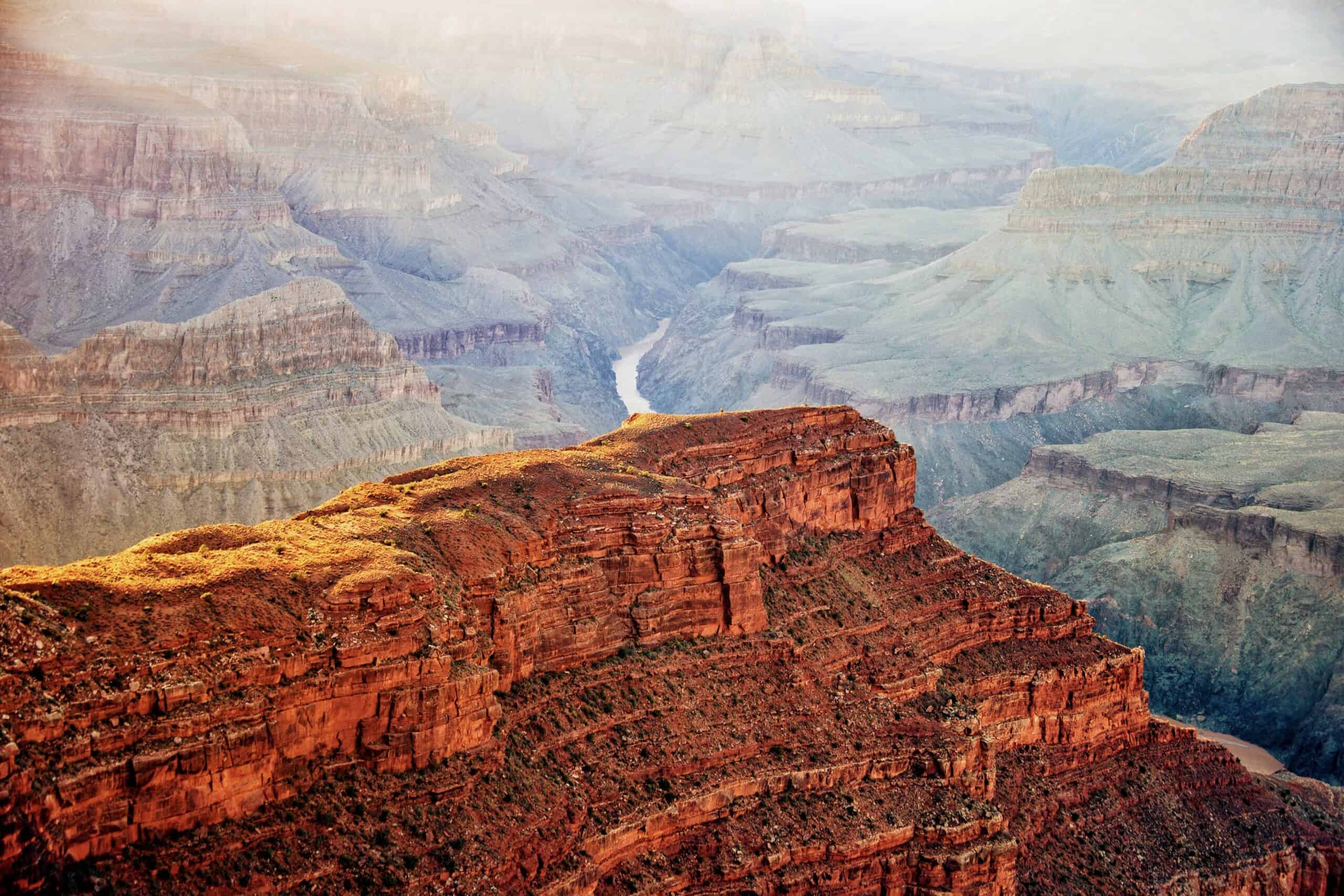
11. Spectacular Colorful Layers
Rock layers vary in mineral content, creating dramatic colors that shift with sunlight, especially at sunrise and sunset.
12. Full of Ancient Fossils
Though dinosaur bones are rare, fossils of ancient sea creatures are common, revealing periods when oceans covered the region.
13. Deep Native American Roots
Indigenous tribes such as the Hopi, Navajo, Havasupai, and Hualapai have lived in and around the canyon for thousands of years.
14. Rare Wildlife Thrives Here
Species like the California condor and bighorn sheep inhabit the canyon’s cliffs and valleys.
15. Vast Untouched Wilderness
Large areas of the canyon remain undeveloped, protecting fragile ecosystems and preserving natural beauty.
16. Ancient Rocks, Young Canyon
While the rocks are ancient, the canyon itself is geologically young—only a few million years old.
17. A Landscape Still Evolving
Rockfalls, erosion, and river flow continue to shape the canyon’s form, though changes are slow.
18. Jaw-Dropping Views From Rim to River
Whether viewed from above or explored from below, the shifting landscapes offer unmatched natural beauty.
19. A Living Geological Museum
Every exposed layer tells a story of Earth’s evolving environments across billions of years.
20. Powerful Yet Fragile
The canyon highlights both the strength of natural forces and the vulnerability of ecosystems that depend on them.
21. One of the Seven Natural Wonders of the World
Its global recognition reflects its breathtaking scale, beauty, and geological significance.
22. A UNESCO World Heritage Site
The Grand Canyon was designated a World Heritage Site in 1979 for its universal scientific and cultural value.
23. The Colorado River Is Still Cutting Deeper
Ongoing erosion means the canyon continues to deepen over geological time.
24. Unique Sky Islands
Different elevations act like isolated “islands” of habitat, each with its own climate and species.
25. Massive Elevation Range
The South Rim sits around 7,000 feet high, while the North Rim can reach 8,000–9,000 feet.
26. A Popular Stargazing Destination
With minimal light pollution, the canyon offers exceptional views of the Milky Way and night sky.
27. Home to the Bright Angel Trail
One of the park’s most famous routes, it allows hikers to travel from rim to river through striking canyon layers.
28. The North Rim Is More Remote
Higher elevation makes it cooler and less crowded, and it closes during winter due to heavy snowfall.
29. The Grand Canyon Has Its Own Weather Patterns
Storms, winds, and temperatures can vary dramatically between canyon levels and rims.
30. Rare Flowering Plants Grow Here
Desert blooms such as primroses and cacti survive intense heat and sparse rainfall.
31. The Canyon Influences Local Climate
Cool air sinks into the canyon overnight, creating temperature inversions that affect weather and visibility.
32. Home to Unique Rattlesnake Species
The Grand Canyon pink rattlesnake is found nowhere else on Earth.
33. Geological Uplift Helped Create the Canyon
As the plateau rose over millions of years, the river cut deeper into the land.
34. Native Tribes Continue Sacred Traditions
Many Indigenous communities still practice cultural rituals tied to the canyon’s spiritual meaning.
35. The Colorado River Once Looked Very Different
Millions of years ago, its flow direction and volume were shaped by shifting landscapes and tectonic uplift.
36. Rockfalls Are Common and Natural
Falling rocks continually reshape the canyon’s cliffs and trails over time.
37. A Place of Scientific Discovery
Geologists, archaeologists, and ecologists study its layers, fossils, and ecosystems to understand Earth’s past.
38. One of the Most Photographed Places in the U.S.
Its dramatic landscapes attract millions of photographers and travelers each year.
39. Bright Angel Shale Reveals Ancient Seas
This greenish-gray rock layer contains fossils of marine life from hundreds of millions of years ago.
40. Thunderstorms Amplify the Canyon’s Acoustics
Storms echo dramatically through the canyon, creating powerful soundscapes.
41. The Water Is Much Colder Than Expected
The Colorado River stays around 46°F due to deep releases from upstream dams.
42. The Canyon Contains Hidden Caves
There are more than a thousand caves, though only a few are documented or accessible.
43. Wildlife Adapts to Extreme Conditions
Animals use unique survival strategies, from nocturnal habits to specialized heat tolerance.
44. It’s a Geological Puzzle Still Debated
Scientists continue to refine theories about when and how the canyon formed.
45. The Grand Canyon Skywalk Offers a Glass Platform View
Located at Grand Canyon West, it lets visitors look straight down at the canyon floor.
46. Colorful Sunsets Are a Signature Feature
Changing light reflects off layered rock, producing dramatic color shifts across the canyon walls.
47. Native Plant Species Thrive in Harsh Terrain
Plants like sagebrush, yucca, and agave cling to dry cliffs with remarkable resilience.
48. The Canyon Has Been a Human Home for Millennia
Evidence of ancient dwellings and artifacts reveals long-term human habitation.
49. Tourism Helps Protect the Area
Park fees and conservation programs preserve the canyon’s wildlife, trails, and natural features.
50. It Inspires Millions Every Year
From hikers and artists to scientists and families, the Grand Canyon continues to stir awe and remind people of nature’s incredible power.
The Grand Canyon is a place where history, geology, culture, and nature come together in one extraordinary landscape. These facts highlight just how unique and meaningful the canyon is, both to the people who have lived here for generations and to the millions who visit every year.