

Delicious Egg Dishes for Every Meal
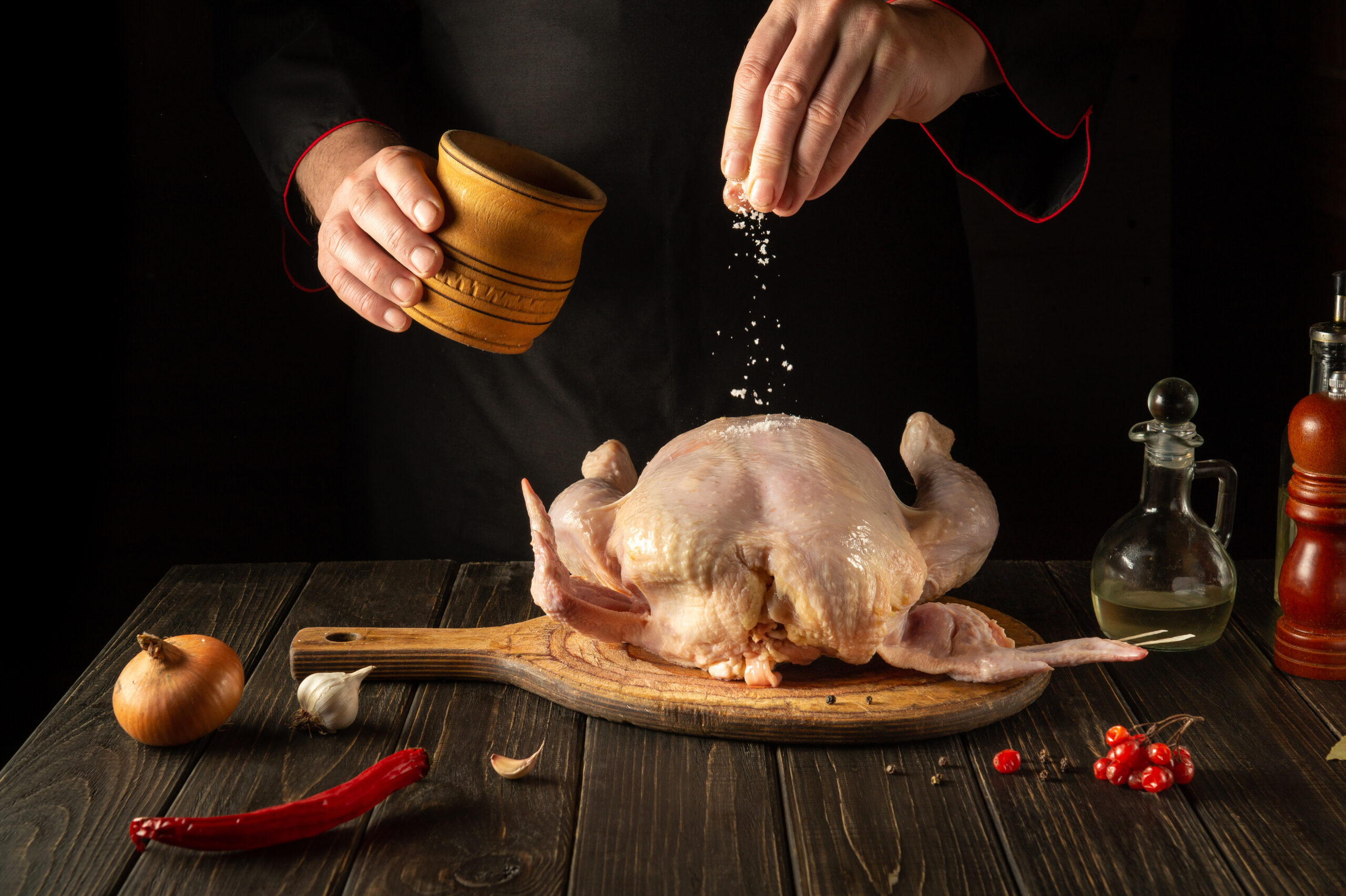
Seasoning a turkey is an essential skill for any home cook looking to create a memorable meal, especially around the holidays. Whether you’re a beginner or an experienced chef, the right seasoning can transform your turkey into a flavorful centerpiece that your guests will rave about. This guide provides a comprehensive approach to seasoning your turkey, from essential tools and step-by-step instructions to advanced techniques and perfect pairings.
Before diving into the seasoning process, it’s crucial to gather the necessary tools and materials. Having everything on hand will make the process smoother and more enjoyable.
For those new to cooking turkey, a simple seasoning method can still yield delicious results. This approach focuses on the basics, ensuring your turkey is well-flavored without overwhelming complexity.
For those looking to elevate their turkey seasoning game, advanced techniques can add depth and complexity to the flavor profile. These methods require a bit more preparation but are well worth the effort.
Brining involves soaking the turkey in a saltwater solution, which helps to tenderize the meat and infuse it with flavor. To brine your turkey, dissolve 1 cup of salt and 1/2 cup of sugar in 1 gallon of water. Add herbs and spices like bay leaves, peppercorns, and garlic for extra flavor. Submerge the turkey in the brine for 12 to 24 hours in the refrigerator.
A dry rub is a mixture of spices and herbs that is massaged into the turkey’s skin and meat. Create a blend using paprika, garlic powder, onion powder, cayenne pepper, and brown sugar. Apply the rub generously over the turkey and let it sit in the refrigerator for several hours or overnight to allow the flavors to penetrate
Herb butter is a simple yet effective way to add rich flavor to your turkey. This recipe creates a savory spread that can be used under the skin and on the surface of the turkey.
Proper timing is crucial to achieving a perfectly cooked turkey. Cooking times vary depending on the size of the bird and the cooking method used.
As a general rule, roast the turkey at 325°F (165°C) for approximately 15 to 20 minutes per pound. Use a meat thermometer to ensure the internal temperature reaches 165°F (74°C) in the thickest part of the breast and thigh.
Once the turkey is cooked, let it rest for at least 20 to 30 minutes before carving. This allows the juices to redistribute throughout the meat, resulting in a juicier and more flavorful turkey.
Carving a turkey can be intimidating, but with a few tips, you can present a beautifully sliced bird.
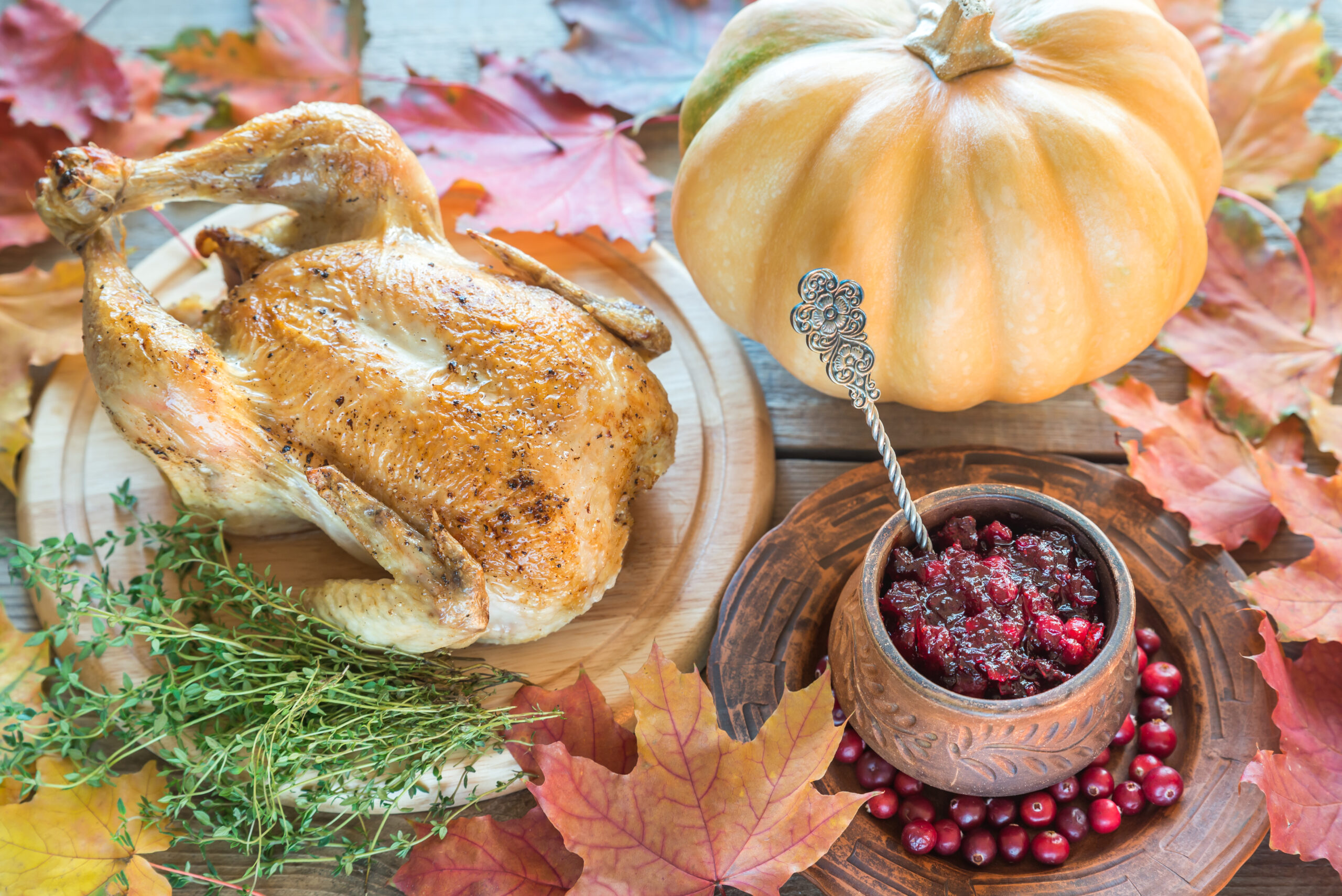
A well-seasoned turkey deserves equally delicious side dishes. Consider these classic pairings to complement your main course.
By following these guidelines, you can confidently season and prepare a turkey that will impress your guests and become the highlight of your holiday feast. Whether you’re a novice or a seasoned cook, these techniques and tips are designed to enhance your culinary skills and ensure a memorable dining experience.