
- ACTIVITIES
25 Very Best Office Pranks

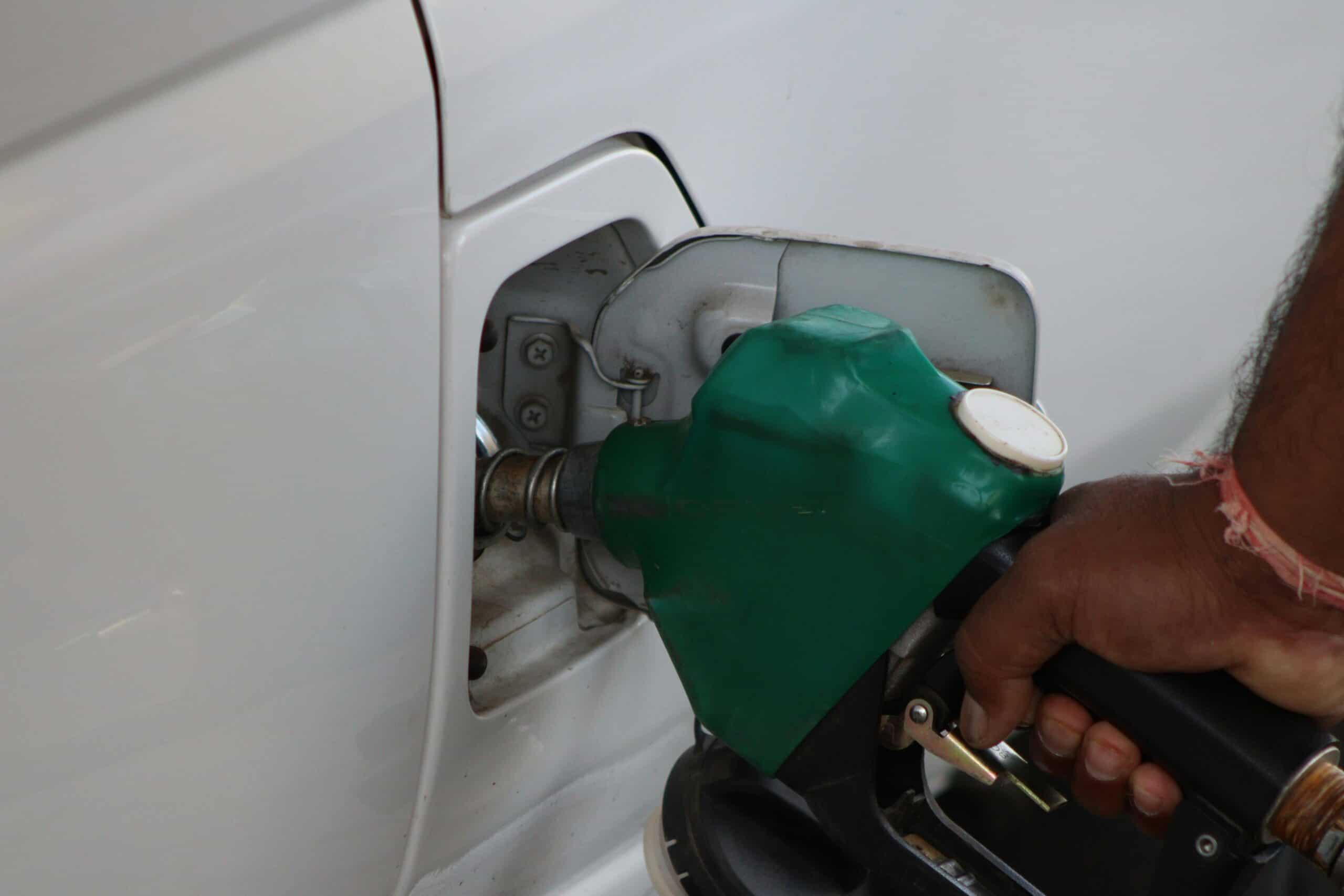
Gas mileage has a sneaky way of affecting your budget. One week it feels manageable, and the next you are wondering why the tank is empty again. The good news is that getting better gas mileage usually does not require a huge lifestyle change. A few smarter habits behind the wheel and a little more attention to how your car is running can make a noticeable difference over time.
A lot of drivers assume fuel economy is mostly fixed, but it is not. Speed, braking, idling, tire pressure, trip planning, and even the weight in your trunk can all affect how much gas your vehicle uses. If you want to stretch each tank a little further, here are the habits that help the most.
One of the simplest ways to improve gas mileage is to drive a bit slower. The EPA says speeding uses more fuel, which means pushing your speed higher on the highway can quietly cost you more at the pump.
This does not mean creeping along and frustrating everyone around you. It just means avoiding the habit of driving faster than necessary. Holding a steady, reasonable speed is usually much better for fuel economy than constant speeding and slowing down. The Department of Energy’s fuel economy site also recommends more efficient driving habits as part of saving fuel.
Hard acceleration and sudden braking waste fuel. EPA guidance recommends going easy on the gas pedal and brakes and trying to avoid abrupt starts and stops.
This is one of those changes that sounds small but adds up quickly, especially in city traffic. A smoother driving style helps your engine work less aggressively and can also reduce wear on your vehicle. If you tend to rush from one red light to the next, this is one of the easiest habits to clean up.
Letting the engine run while parked still burns fuel, even though the car is not going anywhere. EPA fuel-saving guidance specifically recommends avoiding idling as a way to increase MPG.
That matters more than many people realize. Sitting in a parking lot with the engine on, waiting in line for a long pickup, or warming up the car longer than necessary can chip away at fuel economy. Some newer vehicles use start-stop systems to reduce that waste, and EPA notes those systems can improve fuel economy by about 4% to 5%, especially in stop-and-go driving.
Tire pressure has a direct effect on fuel efficiency. EPA says keeping tires properly inflated is one of the practical ways to improve gas mileage.
Underinflated tires create more rolling resistance, which means your car has to work harder to move. That extra effort uses more gas. Checking tire pressure regularly is not glamorous, but it is one of the easiest maintenance habits that can help your mileage without costing much time or money. Some drivers may also benefit from low rolling resistance tires, which EPA mentions as another way to improve MPG.
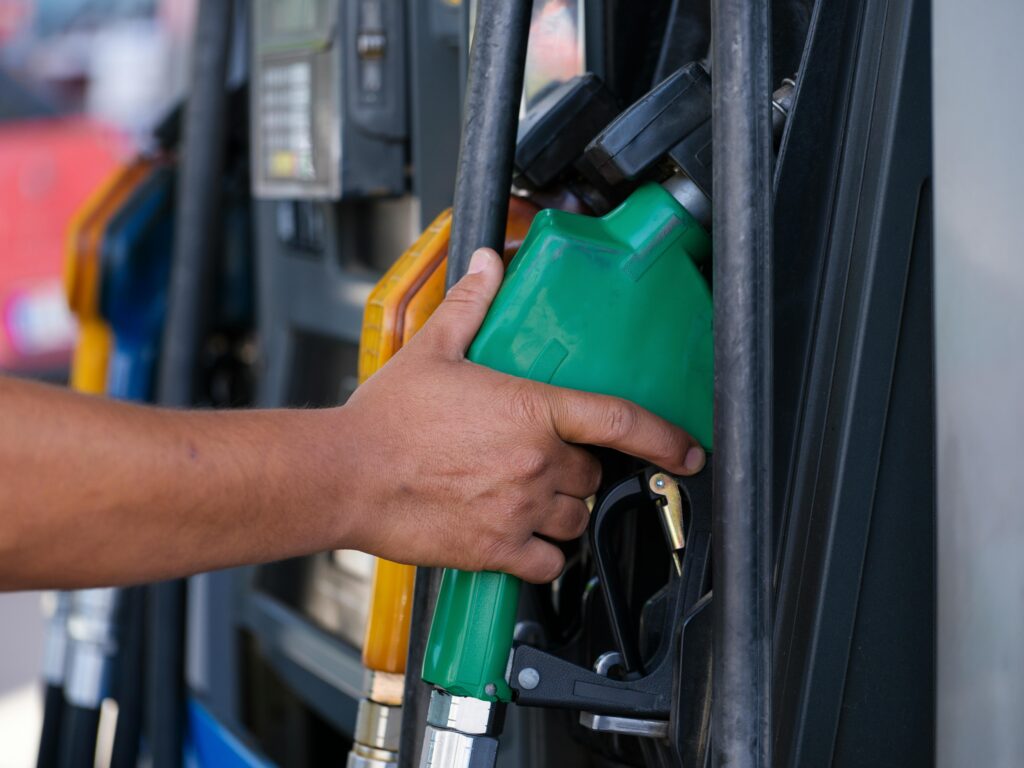
A car that is not running well usually is not running efficiently either. EPA recommends following your manufacturer’s maintenance schedule and using the recommended motor oil to help reduce fuel use.
This includes the basics people often put off, like tune-ups, air filter checks, and making sure the engine is in good shape overall. You do not need to obsess over every minor detail, but regular maintenance gives your vehicle a better chance of delivering the mileage it was built to achieve. The official federal fuel economy site also highlights keeping your car in shape as a key gas-saving strategy.
Carrying extra weight means burning extra fuel. EPA advises drivers to reduce cargo and not leave unnecessary items in the trunk.
A few bags are not a big deal, but a trunk full of random gear, sports equipment, tools, or bulky items you never take out can work against you over time. The same goes for hauling things around on the roof when you do not need to. A lighter vehicle usually uses less fuel, so it helps to clear out what is not earning its place in the car.
Air conditioning and certain accessories can affect fuel economy. EPA recommends reducing use of A/C and other car accessories when possible to improve MPG.
That does not mean sweating through every summer drive. It just means using those features thoughtfully. If the weather is mild, easing up on climate control and unnecessary power accessories can help a little. By itself, this may not be the biggest fuel saver on the list, but combined with better driving habits, it can still contribute.
A lot of wasted fuel happens during short, separate drives. EPA recommends combining several short trips into one longer trip, and it also encourages planning ahead to make the most of your driving time.
This helps because a warmed-up engine runs more efficiently than one starting cold over and over again. So instead of making three separate outings for groceries, errands, and a pharmacy stop, it is often smarter to bundle them into one route. That saves both time and gas.
On open roads, cruise control can help maintain a steadier speed, and EPA lists it as one of the ways some drivers can reduce fuel consumption. Some vehicles also include an eco mode designed to improve efficiency.
This tends to be more useful on flatter highways than in busy stop-and-go traffic. The benefit comes from consistency. When your speed is steady, your engine usually uses fuel more efficiently than when you are constantly adjusting speed without realizing it.
If you want the biggest long-term improvement in gas mileage, the vehicle itself matters too. Both EPA and the Department of Energy point drivers toward more fuel-efficient vehicles when it is time to shop for something new.
That is obviously not a quick fix for today, but it does matter for the long run. Even modest gains in fuel economy can make a real difference over months and years. The federal fuel economy site also offers tools to compare vehicles and calculate fuel savings, which can be useful if better mileage is becoming a bigger priority for you.
Getting better gas mileage is usually not about one dramatic fix. It is more about stacking a few smart habits together. Drive a little smoother, avoid idling, keep your tires properly inflated, stay on top of maintenance, and plan trips a bit better. None of those changes is especially difficult on its own, but together they can help you get more out of every tank.
That is what makes this worth doing. You are not trying to turn every drive into a science project. You are just making a few better choices that help your car use less fuel, which is good for your budget and a lot less frustrating the next time you stop for gas.