

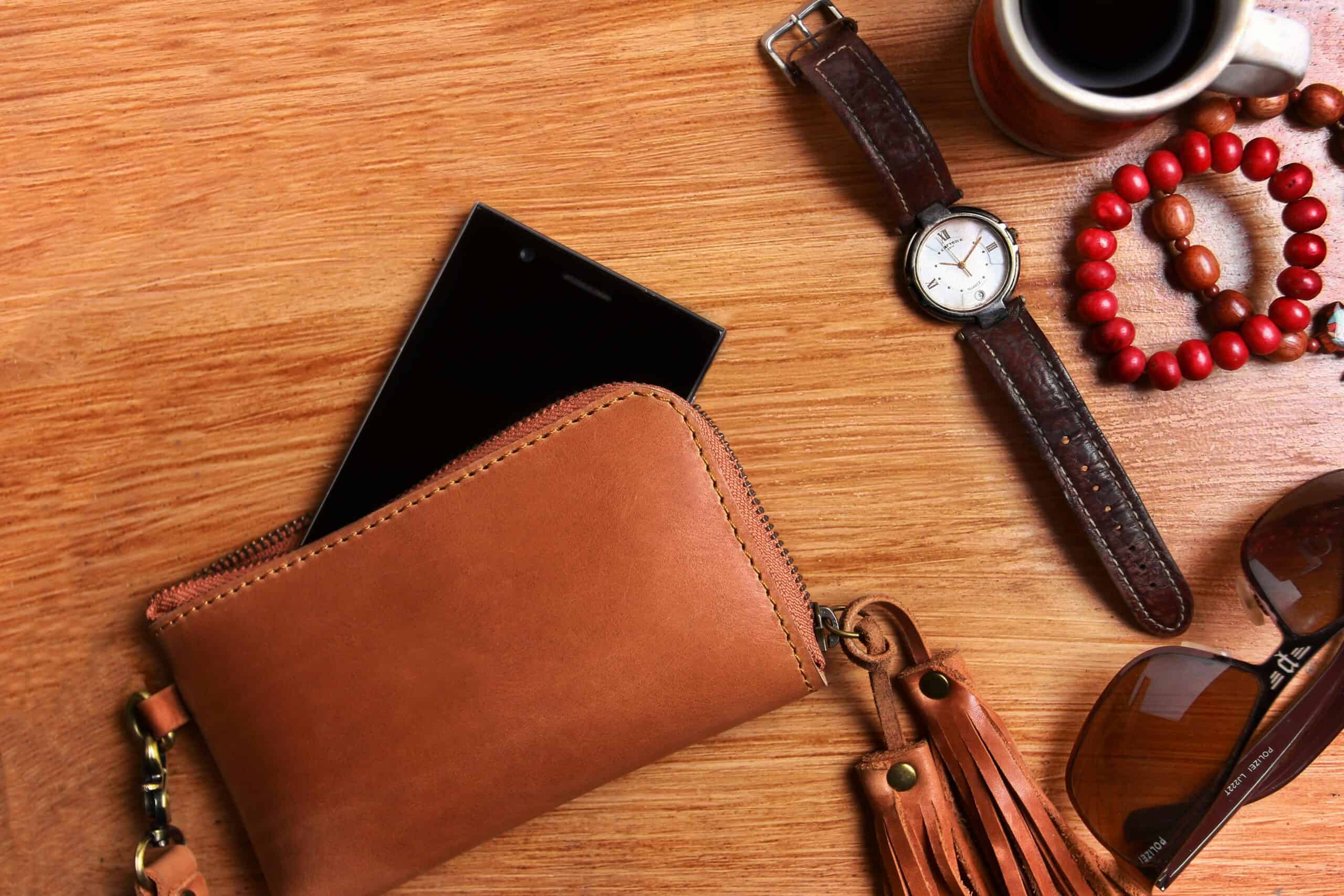
Leather is a luxurious material that adds elegance and durability to various items, from furniture to fashion accessories. However, maintaining its beauty requires proper cleaning and care. This guide will walk you through the essential steps and tips to effectively clean leather, ensuring your items remain in pristine condition for years to come.
#1 Understanding Leather: Types and Care Basics
Before diving into the cleaning process, it’s crucial to understand the different types of leather and their specific care requirements. Leather can be categorized into several types, with the most common being:
Aniline Leather
Aniline leather is made from raw hides dyed with transparent aniline dyes. This type retains the natural texture and markings of the hide, giving it a rich appearance. However, it is sensitive to moisture and stains, requiring gentle cleaning methods.
Semi-Aniline Leather
Semi-aniline leather undergoes a similar dyeing process as aniline leather but is treated with a light protective coating. This makes it more resistant to stains while still maintaining a natural look. Cleaning semi-aniline leather requires a balance of care and caution.
Pigmented Leather
Pigmented leather is coated with a pigment finish that provides durability and resistance to stains. This type is the easiest to clean, as it can withstand more aggressive cleaning methods without damage.
#2 Essential Supplies for Cleaning Leather
Having the right tools and materials is crucial for effective leather cleaning. Here’s a list of essential supplies you should gather before starting:
- Soft, lint-free cloths
- Leather cleaner or mild soap
- Leather conditioner
- Soft-bristle brush
- Sponge or microfiber cloth
- Water (distilled preferred)
#3 How to Clean Leather: Step-by-Step Guide
Follow these steps to clean your leather items effectively:
Step 1: Prepare the Area
Choose a well-ventilated space and protect the surrounding surfaces with a drop cloth or old towels.
Step 2: Dust and Wipe
Use a soft, dry cloth to dust off any loose dirt and debris from the leather surface.
Step 3: Test the Cleaner
Before applying any cleaner, test it on an inconspicuous area to ensure it doesn’t discolor or damage the leather.
Step 4: Clean the Leather
Apply a small amount of leather cleaner or mild soap diluted in water onto a damp cloth. Gently wipe the leather in circular motions, avoiding excessive saturation.
Step 5: Rinse and Dry
Use a clean, damp cloth to remove any soap residue. Then, dry the leather with a soft, dry cloth, ensuring not to leave any moisture behind.
Step 6: Condition the Leather
Once the leather is clean and dry, apply a suitable leather conditioner to restore moisture and flexibility. Follow the product instructions for application.
#4 How to Clean Different Types of Leather Items
Leather items vary in construction and use, requiring tailored cleaning methods. Here’s how to handle specific items:
Leather Jackets
Spot clean any stains with a damp cloth and mild soap. For overall cleaning, follow the general cleaning steps outlined above, ensuring to dry the jacket thoroughly.
Leather Sofas
Vacuum the sofa with a soft brush attachment to remove dust. Use a damp cloth with leather cleaner for cleaning, and be sure to condition afterward for protection.
Leather Bags
Empty the bag and clean the exterior with a soft cloth and cleaner. For interior cleaning, wipe down with a damp cloth. Conditioning is essential for maintaining the leather’s sheen.
Leather Belts
Wipe belts with a damp cloth and mild soap, focusing on any stained areas. Dry thoroughly and apply conditioner to keep the leather supple.
Leather Shoes
Remove dirt with a soft brush, then clean with a damp cloth and leather cleaner. After cleaning, apply a leather conditioner to protect and maintain shine.
#5 What to Avoid When Cleaning Leather
To ensure your leather items remain in excellent condition, avoid the following common mistakes:
- Using harsh chemicals or abrasive cleaners
- Soaking leather in water
- Using excessive force when scrubbing
- Skipping conditioning after cleaning
- Exposing leather to direct sunlight while drying
#6 Dealing With Stains and Spills on Leather
Stains can be particularly challenging, but knowing how to tackle common issues can help preserve your leather items.
Ink Stains
Apply a small amount of rubbing alcohol to a cotton swab and gently dab the stain. Avoid rubbing, as this can spread the ink.
Grease Stains
Sprinkle cornstarch or talcum powder on the stain and let it sit for a few hours to absorb the grease. Brush off gently with a soft cloth.
Water Stains
Blot excess water with a soft cloth, then allow the item to air dry. Once dry, condition the leather to restore moisture.
Food Stains
Remove any solid food particles and blot the area with a damp cloth. Use a mild soap solution to clean the area, followed by conditioning.
#7 Conditioning and Protecting Leather After Cleaning
Conditioning is vital for maintaining leather’s suppleness and preventing cracks. Here’s how to do it:
Why Conditioning is Important
Conditioning replenishes the natural oils in leather, which can be lost over time due to exposure to air and moisture.
When to Condition
Condition leather after cleaning and at least every six months, or more frequently if the leather is exposed to harsh conditions.
How to Condition
Apply a small amount of leather conditioner on a soft cloth and rub it into the leather in circular motions. Allow it to absorb fully before use.
#8 Common Leather Cleaning Issues
Even with the best care, you may encounter issues. Here are solutions to common problems:
Dry Leather
If leather appears dry or cracked, increase conditioning frequency and consider using a deeper penetrating oil.
Discoloration
For faded areas, apply a matching leather dye or conditioner specifically designed to restore color.
Odors
To eliminate odors, place baking soda in a breathable bag and leave it in the leather item overnight. Vacuum it out the next day.
Leather Cleaning Myths and Facts
Many misconceptions surround leather care. Here are some truths to debunk common myths:
Myth: Leather Doesn’t Need Cleaning
Fact: Regular cleaning is essential to prevent dirt buildup and maintain the leather’s appearance.
Myth: Water is Safe for Cleaning Leather
Fact: Excessive water can damage leather. Always use a damp cloth rather than soaking the material.
Myth: Any Oil Can Be Used for Conditioning
Fact: Only use products specifically designed for leather to avoid damage.
By following these guidelines, you can maintain the elegance and durability of your leather goods, ensuring they remain beautiful and functional for years to come.