
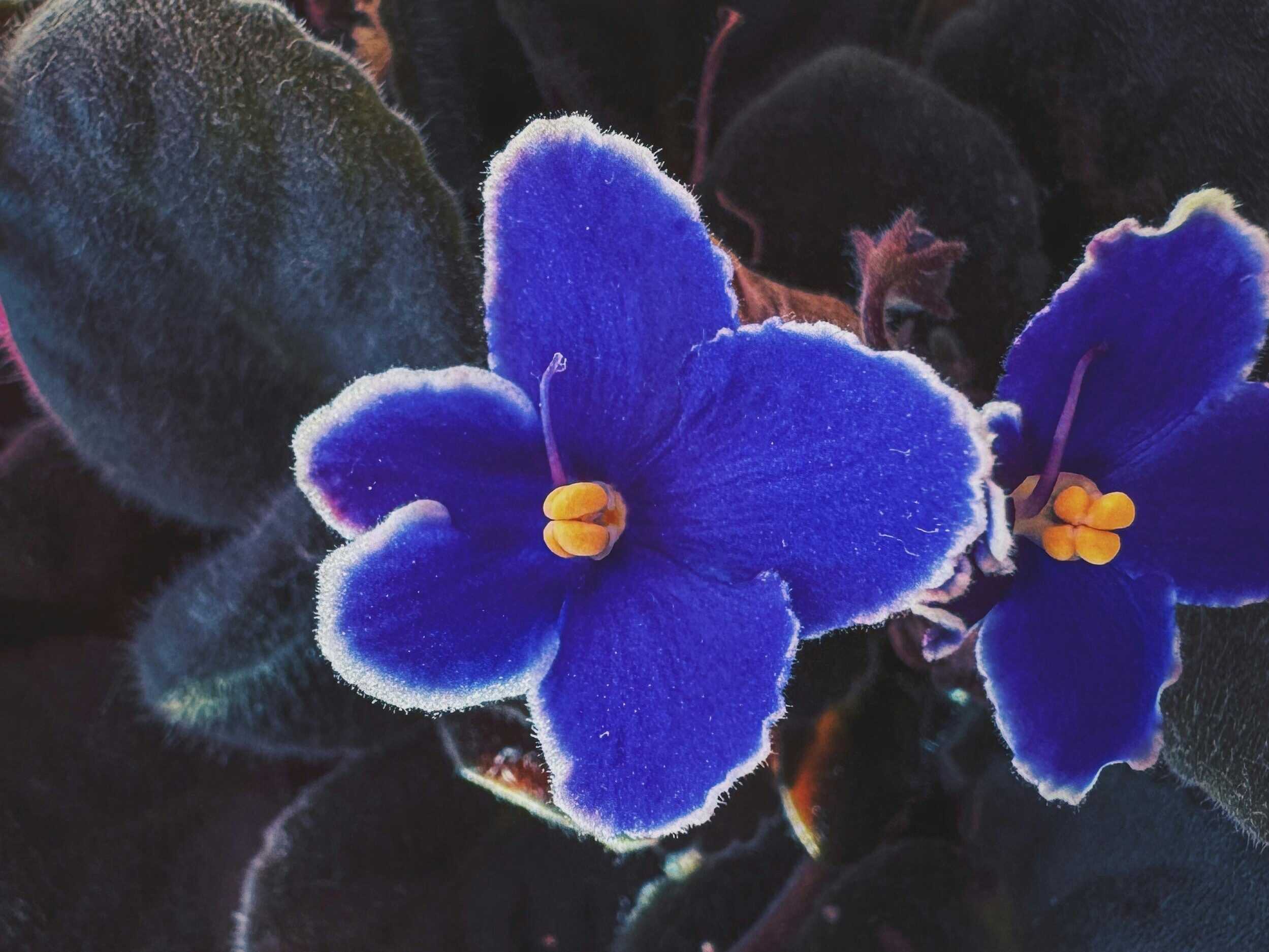
African violets are beloved for their vibrant blooms and manageable size, making them ideal houseplants for both novice and experienced gardeners. Proper care is essential to keep these beauties thriving indoors. This guide will provide you with all the necessary information on how to care for African violets, ensuring your plants flourish and bloom beautifully.
Why African Violets Are Popular Houseplants
African violets (Saintpaulia) are cherished for their stunning flowers and lush foliage. Their compact size allows them to fit into various spaces, from windowsills to shelves. With a range of colors, including purple, pink, and white, they add a splash of vibrancy to any room. Additionally, they are relatively easy to care for, making them a favorite among indoor gardeners.
Choosing the Right African Violet Variety
When selecting African violets, consider the variety that best fits your aesthetic and care preferences. Some popular varieties include:
- Standard African Violet: The classic variety with larger leaves and blooms.
- Miniature African Violet: Smaller in size, perfect for limited spaces.
- Trailing African Violet: Features a cascading growth habit, ideal for hanging pots.
Essential Supplies for African Violet Care
Having the right tools and materials is crucial for successful African violet care. Here’s a checklist of essential supplies:
- High-quality potting mix
- Plastic pots with drainage holes
- Watering can with a narrow spout
- Liquid fertilizer formulated for African violets
- Humidity tray or pebble tray
- Grow lights (if natural light is insufficient)
Light Requirements and Placement
Proper lighting is vital for the health of African violets. They thrive in bright, indirect light. Here are some tips for optimal placement:
- Place your African violets about 12 to 18 inches away from a north or east-facing window.
- Avoid direct sunlight, which can scorch the leaves.
- If natural light is limited, consider using fluorescent or LED grow lights for 12 to 14 hours a day.
Watering African Violets Correctly
Watering is a critical aspect of African violet care. Follow these step-by-step instructions for proper watering:
- Check the soil moisture by inserting your finger about an inch into the soil.
- If the soil feels dry, it’s time to water.
- Use room temperature water to prevent shock.
- Water the plant from the bottom by placing the pot in a tray filled with water for about 30 minutes.
- Remove the pot and allow excess water to drain before returning it to its spot.
Humidity and Temperature Needs
African violets prefer a humid environment and specific temperature ranges:
- Humidity: Ideally between 40% and 60%.
- Temperature: Maintain a range of 65°F to 75°F (18°C to 24°C) during the day.
To increase humidity, consider placing a humidity tray filled with water and pebbles beneath the pot or misting the leaves occasionally.
Soil and Potting Mix Recommendations
The right soil mix is essential for healthy African violets. A well-draining potting mix is recommended. Here’s a simple recipe:
- 1 part peat moss
- 1 part perlite
- 1 part vermiculite
This mix provides the necessary aeration and moisture retention for African violets.
Fertilizing African Violets
Regular fertilization helps promote growth and flowering. Use a balanced, water-soluble fertilizer specifically designed for African violets. Follow this schedule:
- Fertilize every 4 to 6 weeks during the growing season (spring and summer).
- Reduce fertilization during the fall and winter months.
Repotting and Dividing African Violets
Repotting is essential for maintaining healthy plants. Here’s when and how to do it:
- Frequency: Every 1 to 2 years, or when the plant becomes root-bound.
- Signs: Roots growing out of the drainage holes or stunted growth.
To repot, gently remove the plant from its pot, trim any dead roots, and place it in fresh potting mix, ensuring the crown of the plant is above the soil line.
Common Problems and Solutions
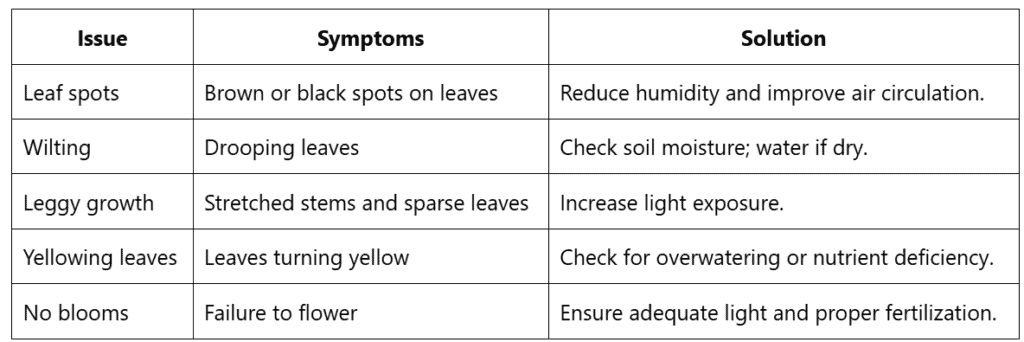
Understanding potential issues can help you maintain healthy African violets. Here’s a troubleshooting table with common problems, symptoms, and solutions:
How to Encourage Blooming
To promote flowering in African violets, follow these tips:
- Provide bright, indirect light for at least 12 hours a day.
- Use a fertilizer high in phosphorus to support blooming.
- Keep the plant in a stable temperature range to avoid stress.
Propagation Methods for African Violets
Propagation can be easily done through leaf cuttings. Follow these steps for successful propagation:
- Select a healthy leaf from the parent plant.
- Cut the leaf with a clean, sharp knife, ensuring a stem of about 2 to 3 inches remains attached.
- Place the cutting in a glass of water or directly into potting mix.
- If using water, change it regularly to prevent rot.
- Once roots develop (about 4 to 6 weeks), transplant to a small pot with potting mix.
Key Takeaways for Healthy African Violets
Caring for African violets requires attention to light, watering, humidity, and fertilization. By following these guidelines, you can ensure your African violets remain healthy and vibrant. Remember to choose the right variety, provide optimal conditions, and address any issues promptly. With a little effort and care, your African violets will reward you with beautiful blooms and lush foliage.